
Last updated November 25, 2026
 Sweep & inspection
 Caps & crowns
 Flue relining
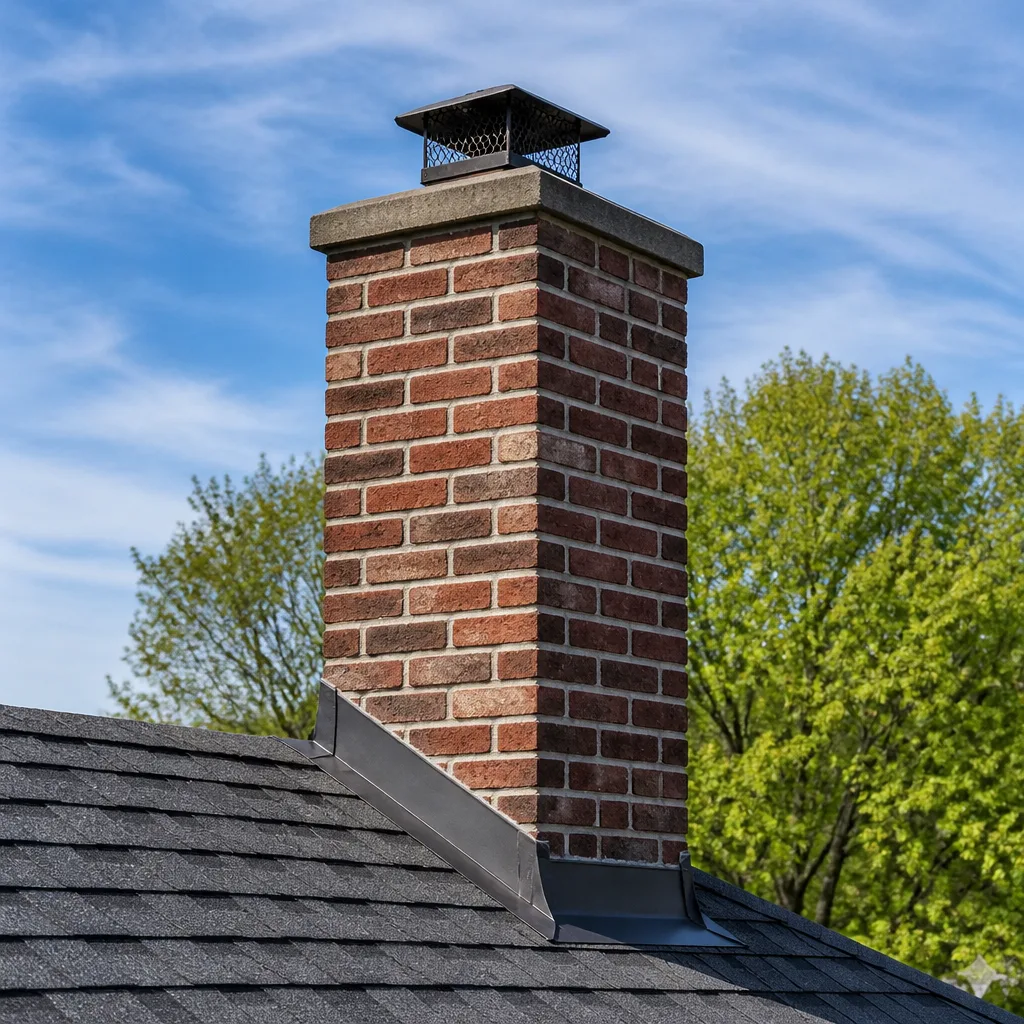 Masonry repair
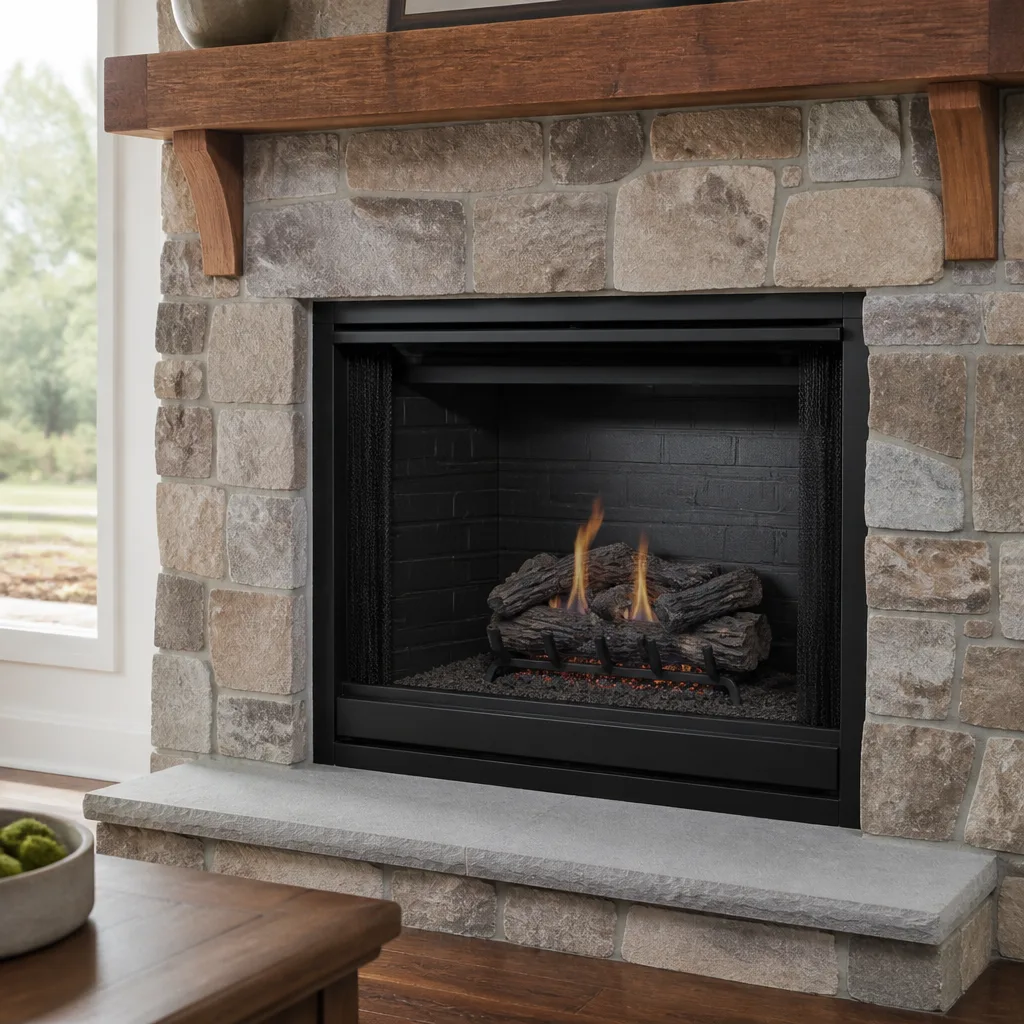 Gas fireplace service
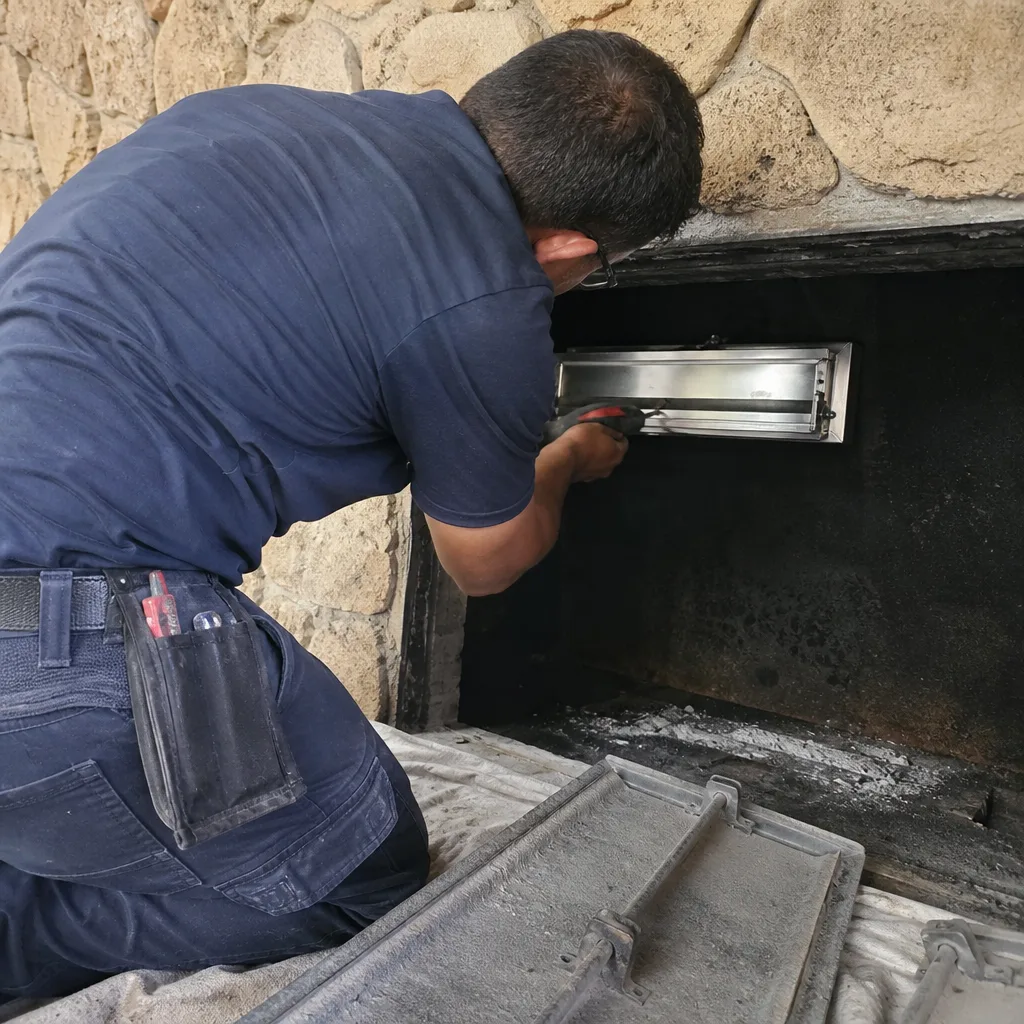
Level 1 sweep and inspection to the NFPA 211 annual standard - flue, crown, cap, and flashing checked and photographed
Chimney sweep logs do not sweep chimneys. They loosen some creosote - which then falls where a brush and vacuum still have to collect it.
Seasonal Chimney Cleaning Care for Placentia: Year-Round Homeowner’s Guide
Most homeowners treat chimney care as one appointment, booked in a panic sometime in October. That approach assumes winter is the only season working against your chimney. In Placentia, it isn’t. Santa Ana winds strip debris onto caps in fall, summer UV bakes mortar crowns for months, and the occasional El Niño rain year tests every flashing and seal on the structure. By the time October arrives, the damage from the previous twelve months is already done, and every other homeowner is competing for the same narrow window. This guide breaks chimney care into four seasons, each with a distinct technical purpose, so the work happens when it actually helps and your system stays ahead of the weather instead of reacting to it.
Quick Answer
Chimney cleaning in Placentia should follow a four-season calendar rather than a single pre-winter sweep. Fall is for post-summer inspection of caps, crowns, and wind-blown debris; winter is burn-season monitoring; spring is the best window for cleaning and camera inspection of the liner before moisture season; summer is when crown and mortar get preventive sealing before UV and heat expansion wear them further. Routine sweeping still depends on burn frequency and wood type, but the structural checks belong in every season.
Styles & brands we work with
- Sweep & inspection
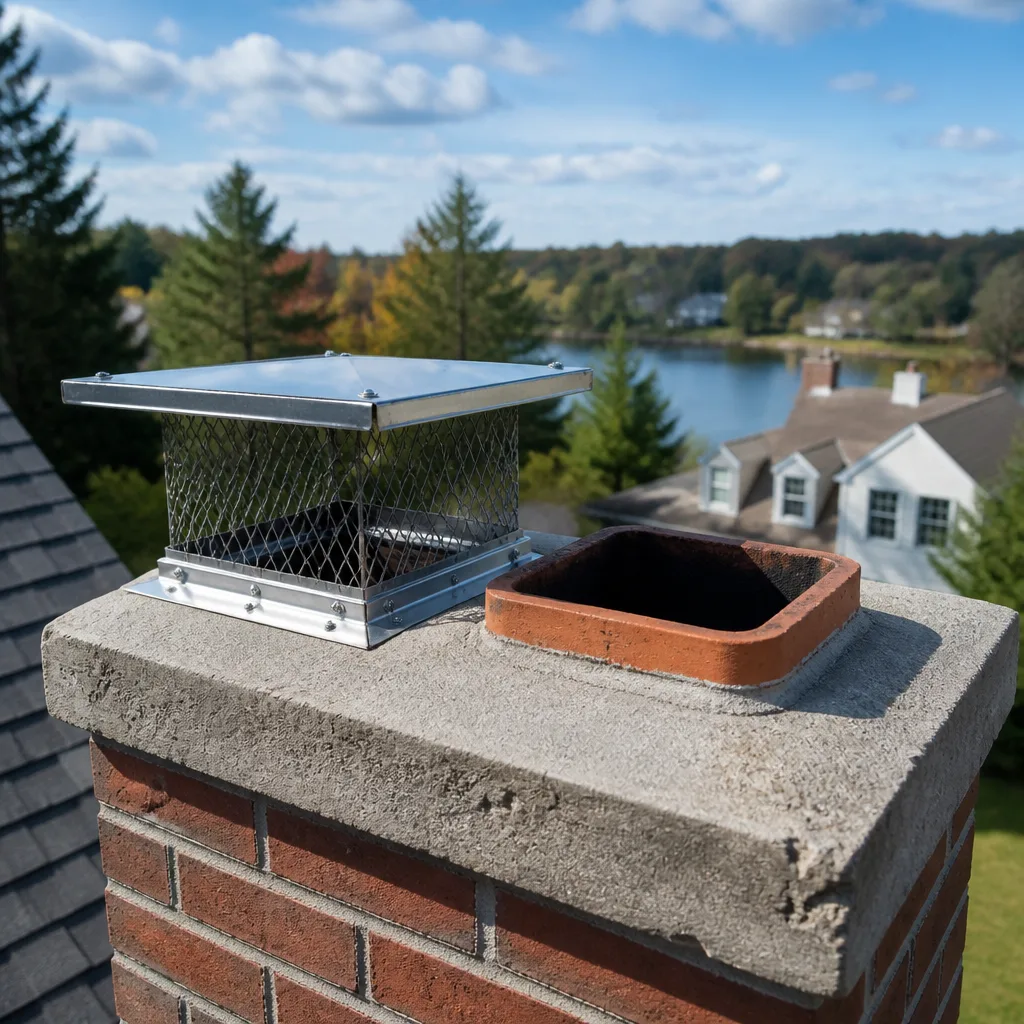
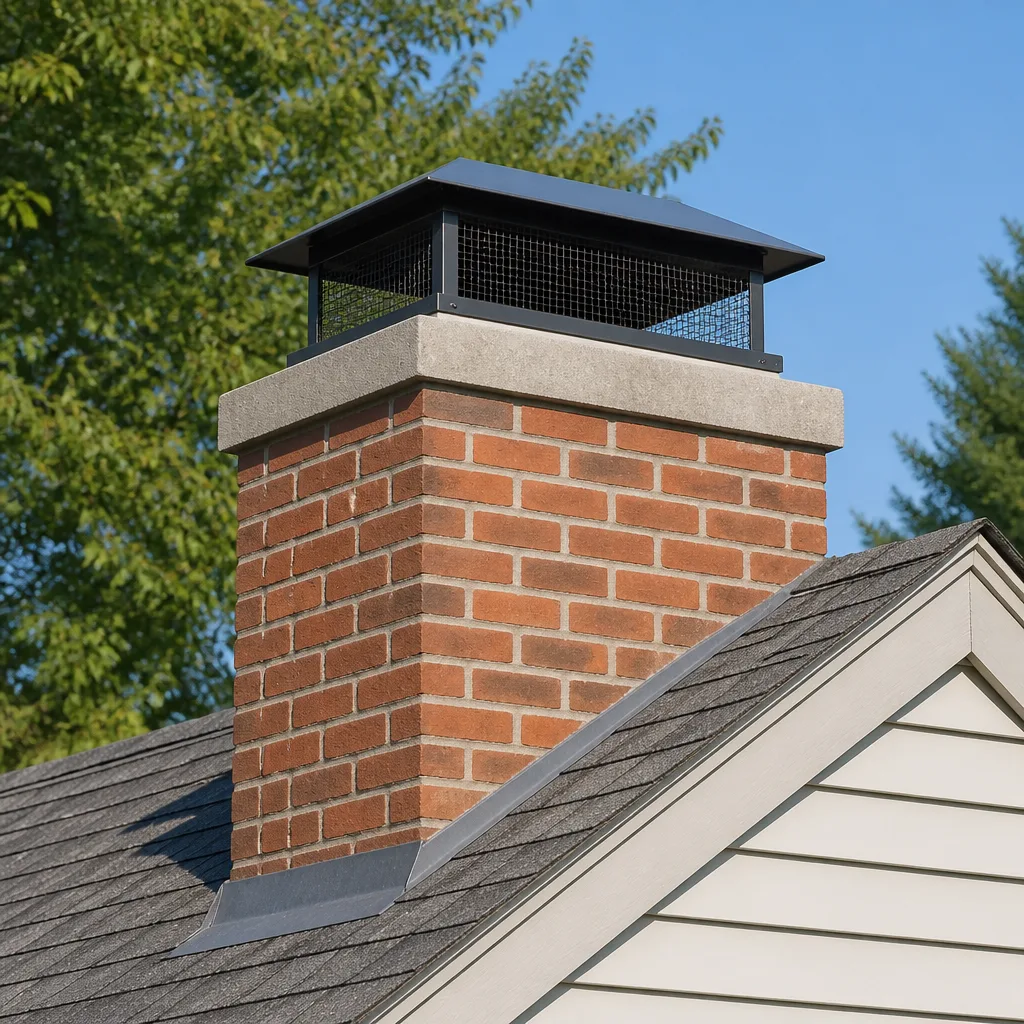
- Caps & crowns
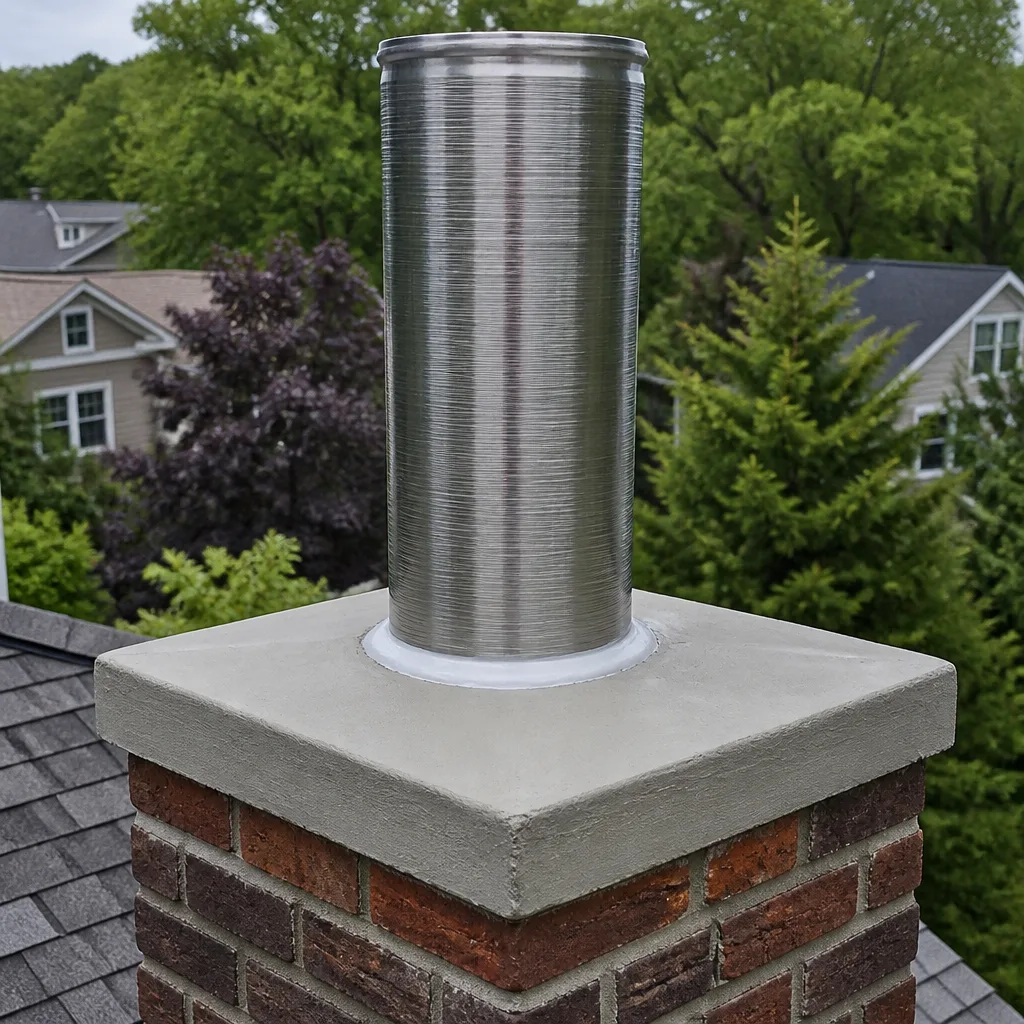
- Flue relining
- Masonry repair
- Gas fireplace service
Table of Contents
- Why Placentia’s Climate Rewrites the Standard Chimney Calendar
- Fall (September – November): Post-Summer Inspection and Wind Debris
- Winter (December – February): Active Burn Season Protocol
- Spring (March – May): Cleaning and Liner Camera Inspection
- Summer (June – August): UV, Heat, and Preventive Crown Sealing
- How Placentia’s Specific Climate Adjusts the Maintenance Template
- Common Mistakes to Avoid
- When to Call a Professional
Why Placentia’s Climate Rewrites the Standard Chimney Calendar
The standard chimney maintenance template was built somewhere with hard winters and a single dramatic cold season. It says: sweep in fall, forget it until next year. Placentia doesn’t work that way. The city sits in the northern Orange County flatlands where low humidity holds for most of the year, the UV index stays high well into autumn, and the rainy season arrives as concentrated storm events rather than months of steady drizzle. That combination puts different pressures on a chimney system at different times than a homeowner from a colder region would ever expect.
Low humidity is generally good news for masonry, but it means the biggest threat to a crown isn’t freeze damage. It’s thermal cycling and UV exposure. Summer afternoons push a tile or stucco crown through daily expansion and contraction, and the sun degrades any sealant not rated for continuous ultraviolet exposure. Meanwhile, the two or three storm systems in a wet year arrive with intensity, so a hairline crown crack that sat quietly all summer suddenly channels water into the flue.
Santa Ana wind events add a third pressure point. These dry, gusting winds carry debris, palm fronds, and grit onto chimney caps and into spark arrestors, and they can loosen cap hardware over repeated events. A cap that was functional in June may be partially blocked by November.
Fireplace use in Placentia is scattered across the cooler months rather than confined to a strict winter, which means the burn season can start early and end late. In our experience, that makes a fixed annual appointment less reliable than a calendar tied to what the weather is actually doing. For broad service detail across the city, our Chimney Sweep Placentia page covers the full range.
Fall (September – November): Post-Summer Inspection and Wind Debris
Fall’s job is to inspect what summer and the first Santa Ana events have done. By the end of September, the crown has been through months of heat expansion, the cap has caught a season of wind-blown debris, and any sealant that wasn’t UV-rated is showing its age. This is the inspection window that most homeowners skip entirely because they’re waiting for a “pre-winter sweep” that doesn’t actually address the structural wear.
What a fall inspection should check
- Cap condition and debris load. Spark arrestor mesh clogs with palm fiber, leaves, and grit during Santa Ana wind events. A partially blocked cap changes draft and can send smoke back into the room on the first cool evening.
- Crown surface integrity. Look for hairline cracks, spalling edges, and separation where the crown meets the flue. These are the entry points water uses in the first storm of the year.
- Mortar joints at the chimney top. Repeated thermal cycles widen joints near the cap, where heat exposure is highest.
- Crown flashing and the stucco surround. Any gap between the crown edge and the stucco finish is a water path.
- Draft test. A cold-start test before the first burn tells you whether the flue is drafting cleanly or restricted by debris.
Autumn is also the ideal moment for cap and crown maintenance because the work happens before the rainy season, not during it. If you find debris on the cap in fall, it’s a repair, not an emergency. If you find it in January after three storms, it’s water damage. That timing difference is why we treat fall as the diagnostic season rather than the cleaning season.
Some of the cap and debris issues found in fall lead cleanly into weatherproofing work. Copperfield and Olympia Chimney cap systems are what we routinely install for long-term wind and water protection. When an inspection turns up a structural issue rather than a cleaning need, that work belongs under chimney repair rather than a standard sweep.
Winter (December – February): Active Burn Season Protocol
Winter in Placentia means the fireplace is actually running, and the priority shifts from inspection to monitoring. The flue is producing creosote, the cap is handling live smoke, and any weakness in the system shows up under load. What you monitor during the burn season is different from what you check during the off-season.
How often cleaning is warranted during active burning
The industry guidance is broadly: sweep when the creosote layer in the flue reaches about an eighth of an inch. In practice, that translates to burn frequency and wood quality, not a fixed calendar. A rough rule of thumb:
- Fireplace used most evenings in a mild winter: roughly once a year, though inspection each fall catches the buildup before it becomes a problem.
- Fireplace used a few times a week: a sweep every one to two years, checked each season.
- Occasional decorative fires in a cooler month: inspection-driven rather than schedule-driven; a sweep when the inspection shows it’s needed.
- Gas fireplace: no creosote, but the flue and vent still need inspection for obstruction and venting integrity.
Wood type matters as much as frequency. Seasoned hardwood burns hotter and cleaner, producing less creosote. Unseasoned or resinous wood cools the flue gases and leaves more deposits on the liner walls. That means a homeowner burning good hardwood several times a week and a homeowner burning damp wood on the same schedule will reach the sweep point at different times.
What to watch during burn season
- Smoke coming back into the room. A sign of reduced draft, often from a partially blocked cap or a buildup at the flue top.
- Slower lighting and a flatter fire. Reduced draft is often a debris or creosote signal.
- New smells or soot streaks near the firebox. Could point to a liner joint or gasket issue.
- Visible creosote glaze at the damper or smoke chamber. Glazed creosote burns hot and is the reason for a sweep, not something to ignore.
Safety is the reason to act here. Creosote is the fuel for chimney fires, and carbon monoxide can back up into a home if the flue is obstructed while the fireplace is in use. If draft feels wrong or you see soot where you didn’t before, stop using the fireplace and have the flue inspected. Gas lines, flue interiors, and blocked caps are not components to troubleshoot yourself.
If the fireplace floor, damper, or firebox shows wear that affects safe use, that work belongs on the fireplace repair side of the calendar.
Spring (March – May): Cleaning and Liner Camera Inspection
Spring is the best window of the year for two things most homeowners never connect: the post-season cleaning, and the liner camera inspection. Not autumn. Why? Because once the burn season closes, the flue has a full winter of deposits on its walls and the liner has been heat-cycled for months. That’s when a camera run tells you the most. And it’s before the moisture season, so any issue found is repaired while the crown and flashing are dry.
Why spring is the ideal cleaning window
- Deposits are at their annual peak. A full burn season has finished, so the sweep removes the whole year’s creosote in one pass rather than half of it.
- Cameras see more. A freshly swept flue gives a clean read of the liner surface: cracks, gaps, spalled joints, and glaze deep in the flue that a fall walk-around can miss.
- Dry weather allows structural repair. If the crown, cap, or chimney top needs work, spring gives weeks of dry weather before the fall storms.
- No time pressure. Every other homeowner is thinking about the fireplace in fall and into holidays. Spring appointments are quieter and there’s no scramble.
The liner camera inspection is the diagnostic moment of the year. What we find in spring decides the summer repair list:
- A clean liner. No action needed beyond the sweep and the routine fall check.
- Surface deterioration but sound structure. HeatShield resurfacing can restore a deteriorating flue without the cost of full liner replacement. It’s a restoration system for a structurally intact flue, not a cure for a compromised one, and a camera run tells you which category you’re in.
- Cracked or failed liner, or wrong liner for the fuel type. DuraFlex flexible liner systems are what we install for retrofits and replacements. That’s a spring-to-summer repair, not a fall emergency.
- Obstructed or incorrectly pitched flue. A repair that should happen before the next burn season, which is why spring is the right window to find it.
For the standard annual service, our chimney sweep covers the cleaning, and every job includes a camera inspection of the flue with a photo report you can see yourself. That matters: it means nothing is recommended without evidence you can look at, and we can explain which repairs can safely wait until summer or the following season. We explain what we find before we quote what it costs.
Summer (June – August): UV, Heat, and Preventive Crown Sealing
Summer is the season most homeowners admire their chimney from the curb and never think about what the sun is doing to it. The crown, which is the concrete or stucco cap at the very top of the masonry, absorbs continuous UV exposure and cycles through daily heat expansion. That’s what makes summer the ideal season for preventive crown sealing: the surface is dry, the sealant cures fully, and the work is done well ahead of the first fall storm.
What summer does to a crown and stucco surround
- UV degrades topcoats. Sealants and paints that aren’t UV-stable chalk and crack over a summer, and once the surface breaks down, water begins to penetrate.
- Thermal expansion at the crown-to-flue joint. The crown and flue expand at slightly different rates. Over the summer, that joint can widen, and it’s the top water entry point in the system.
- Stucco surround wear. Hairline cracks in the stucco finish are cosmetic until they line up with the crown edge, and then they route water behind the finish.
- Cap surface. Metal caps and their fasteners see rust and loosening after repeated thermal cycling and wind events.
Why preventive crown sealing fits summer
- Dry conditions. Sealants bond properly on dry masonry, and summer delivers the most reliable dry stretches.
- Full cure time. A sealed crown has weeks to cure before the first storm of the rainy season.
- Accessible inspection. The weather allows thorough probing and repair, not a rushed fall trip.
- Correct sequencing. Sealing happens after the camera inspection and any resurfacing or liner work, so a crowned and sealed system is aligned with a liner that has already been addressed.
The cap and crown work is where our material choices show up. Gelco crown materials, Olympia Chimney caps, and Famco masonry-grade products are what we work with because they’re rated for continuous sun and thermal cycling, not just a mild climate.
How Placentia’s Specific Climate Adjusts the Maintenance Template
The standard annual chimney maintenance template assumes a colder, wetter, snowier climate. Placentia’s local characteristics push the calendar in specific ways. None of these replaces a professional inspection, but they change when the work should happen.
- Low humidity, high UV. Crowns and stucco surrounds here weather primarily through UV and thermal cycling, not freeze damage. That shifts crown sealing from a fall repair (the colder-climate habit) to a summer preventive task.
- Santa Ana winds. The fall debris load on caps and spark arrestors is heavier here than the cold-climate template anticipates. Fall is for cap clearing and inspection, not just a pre-winter sweep.
- Occasional El Niño rain years. When a wet year arrives, rain comes concentrated in storm events. That makes the state of the crown, flashing, and cap more consequential than it would be in a drizzly climate, and it means any crack found in spring should be sealed before the first storm, not after it.
- Longer burn season than the template assumes. A mild climate can put fireplaces in use across a wider stretch of the year, which raises the annual creosote load and makes inspection-driven scheduling more reliable than a fixed month.
- Stucco-heavy housing. The crown and stucco surround should be examined together; a sealed stucco finish with a failing crown edge does not stop water.
The practical effect is that the Placentia homeowner’s calendar should read: fall inspection, winter monitoring, spring sweep and camera inspection, summer crown and cap work. Every one of those steps is a chimney-specific task. That’s why we work with professional trade materials (HeatShield, DuraFlex, Gelco, Olympia Chimney, Famco, and Copperfield) rather than whatever a general contractor happens to have on hand. The products inside a chimney system are as important as the labor, and each of the four seasons has a material specification that fits.
Common Mistakes to Avoid
- Waiting until October. Every homeowner with a fireplace thinks about it in fall, and the two-week sweet spot before the holidays fills up fast. The structural issues they find in October are the ones a spring or summer check would have caught with time to repair.
- Assuming “mild climate” means “low maintenance.” Placentia’s low humidity doesn’t remove the need for a sweeping schedule; it changes the threat from frost to UV and thermal cycling, which is less visible and easier to ignore.
- Skipping the camera inspection. A visual walk-around of the roof and firebox won’t reveal a cracked liner or a glaze layer deep in the flue. If a recommendation comes without camera evidence you can see, ask to see the camera run before agreeing to any liner or masonry work.
- Cleaning off wind debris but ignoring the cap fasteners. Cap mesh catches on Santa Ana events, and the fasteners loosen with repeated events. Clearing the debris without checking the mount lets the cap ride loose into the rainy season.
- Sealing a crown in the rainy season. Sealant needs dry masonry and a cure window. Crown sealing done in the wet months is the wrong order of operations; that’s why summer is the right season and fall is the check-up.
- Burning unseasoned wood to save effort. Cooler flue gases deposit more creosote, which moves the next sweep point forward. The savings on wood don’t offset the extra cleaning.
- Assuming a gas fireplace needs no service. Gas means no creosote, but it doesn’t mean the vent is obstruction-free or the pilot assembly and firebox are sound. The inspection still belongs on the seasonal calendar.
- Booking the cheapest bid without confirming the material. A cap or crown is only as good as the product under it. Any quote that doesn’t name a rated trade material for a crown, cap, or liner should be questioned before signing.
When to Call a Professional
Call a chimney professional when the fall inspection turns up a debris-blocked cap, a cracked crown, or separated flashing; when the burn season shows draft loss, smoke blow-back, or soot where there wasn’t before; when the flue lining is aged or the fuel type has changed; or when the fireplace damper, firebox, or surround shows wear. A camera inspection is warranted whenever the liner’s condition is unknown, and definitely before you accept any recommendation for a full liner replacement. And call before assuming repair is even necessary: plenty of findings can safely wait until the next season, and a good inspection will tell you which those are.
Chimney Sweep Placentia offers free estimates in Placentia. Call (844) 625-6823. We answer 24/7. Fast dispatch from 7am to 7pm, Sunday through Friday. Our technicians have up to 10 years of experience, and every estimate is set per job in writing.
See the difference
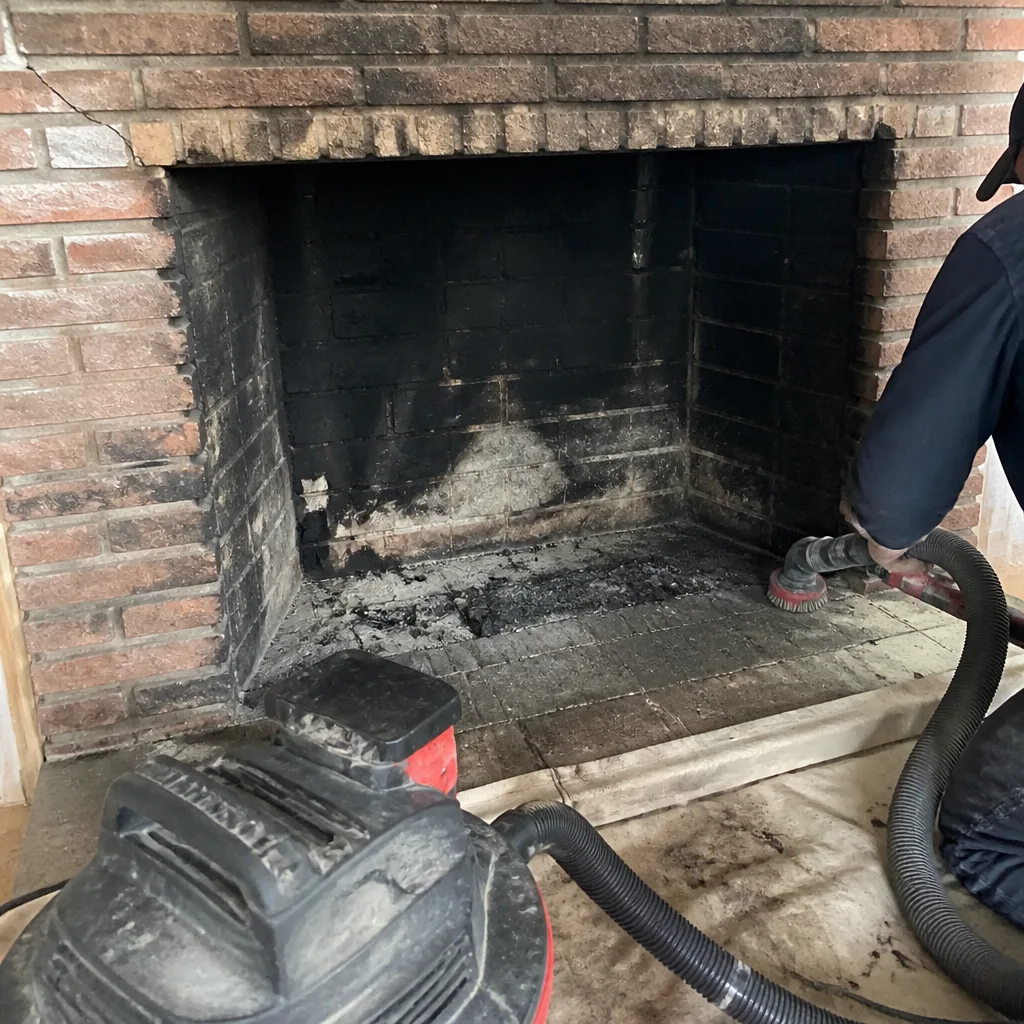 Before
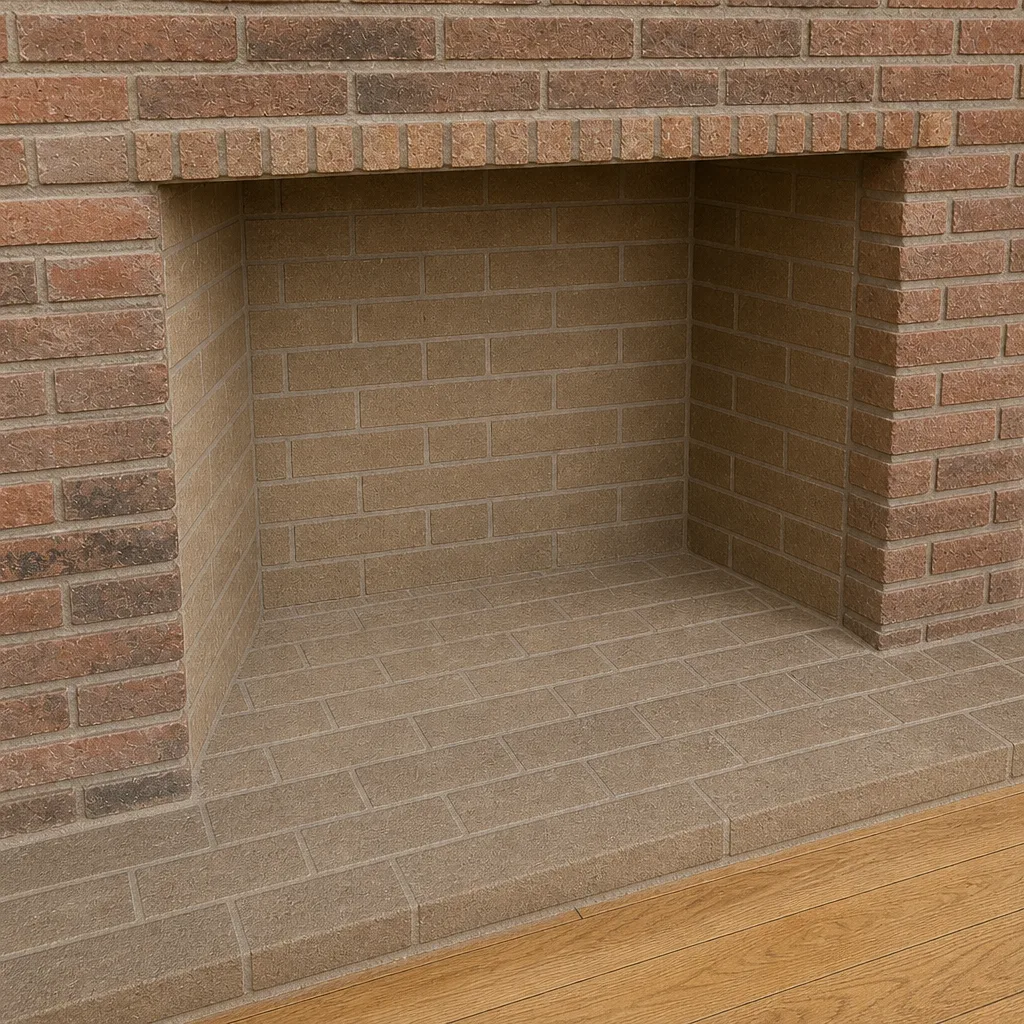 After
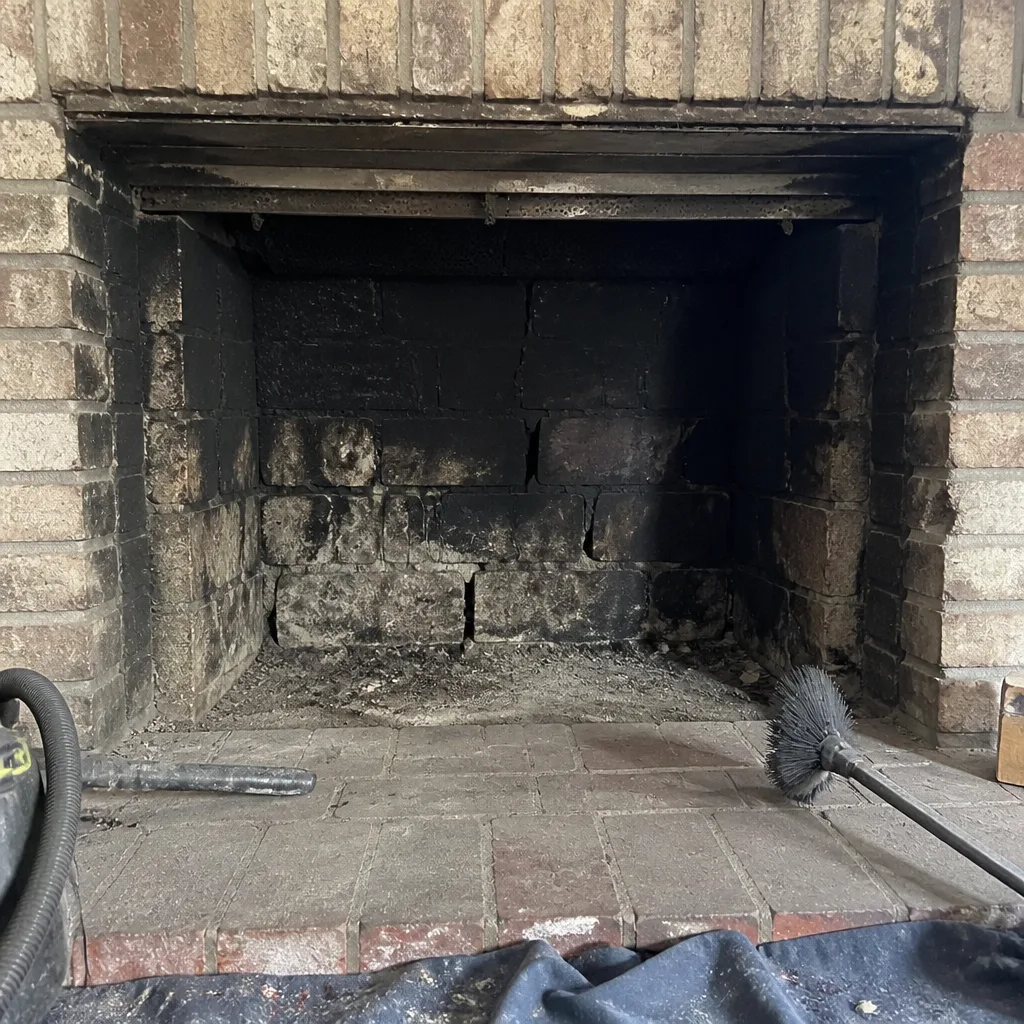 Before
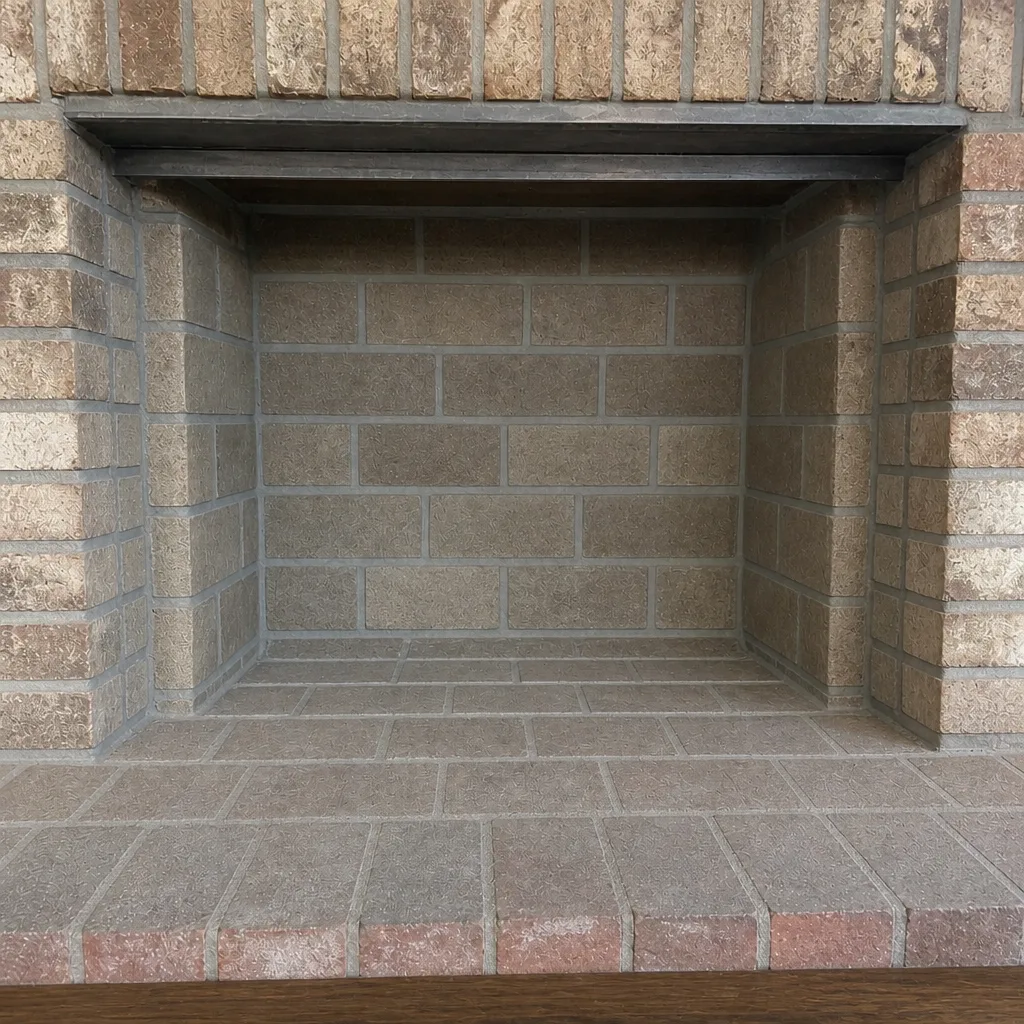 After
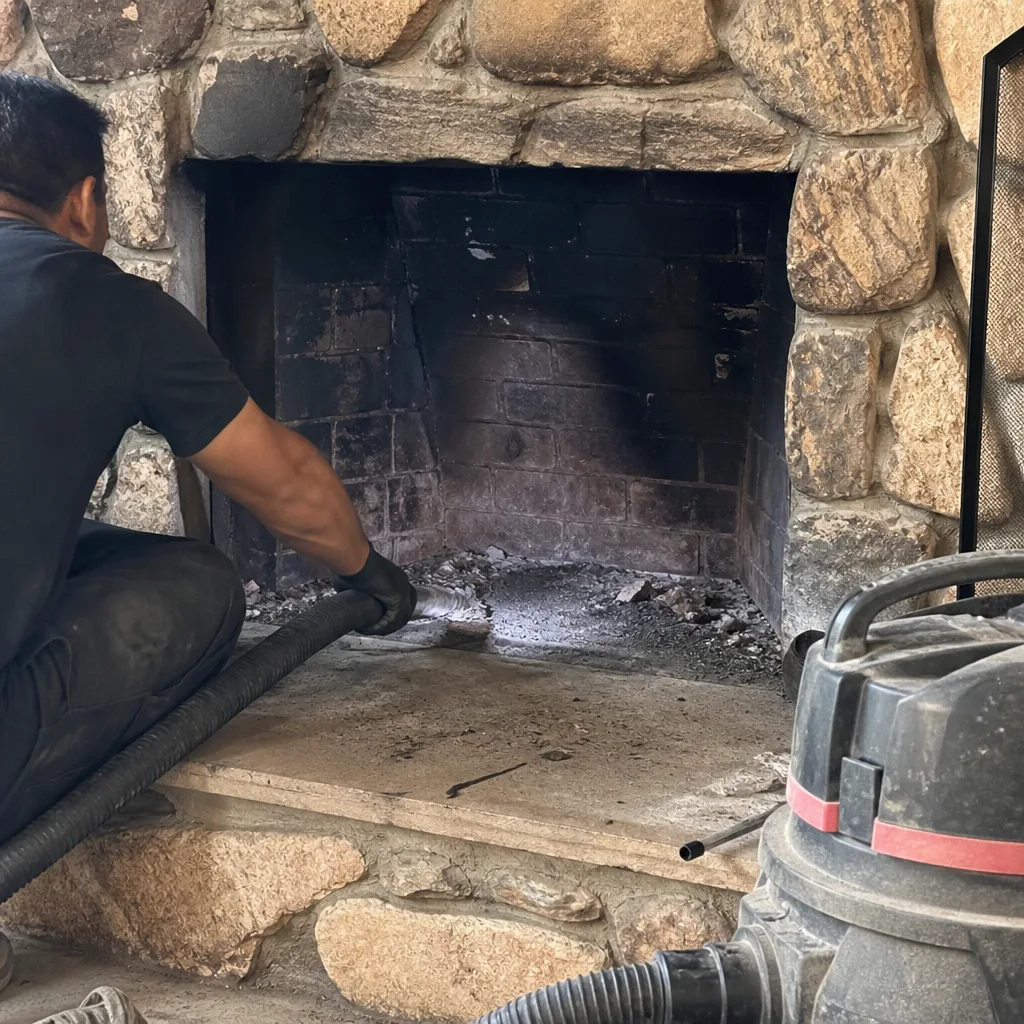 Before
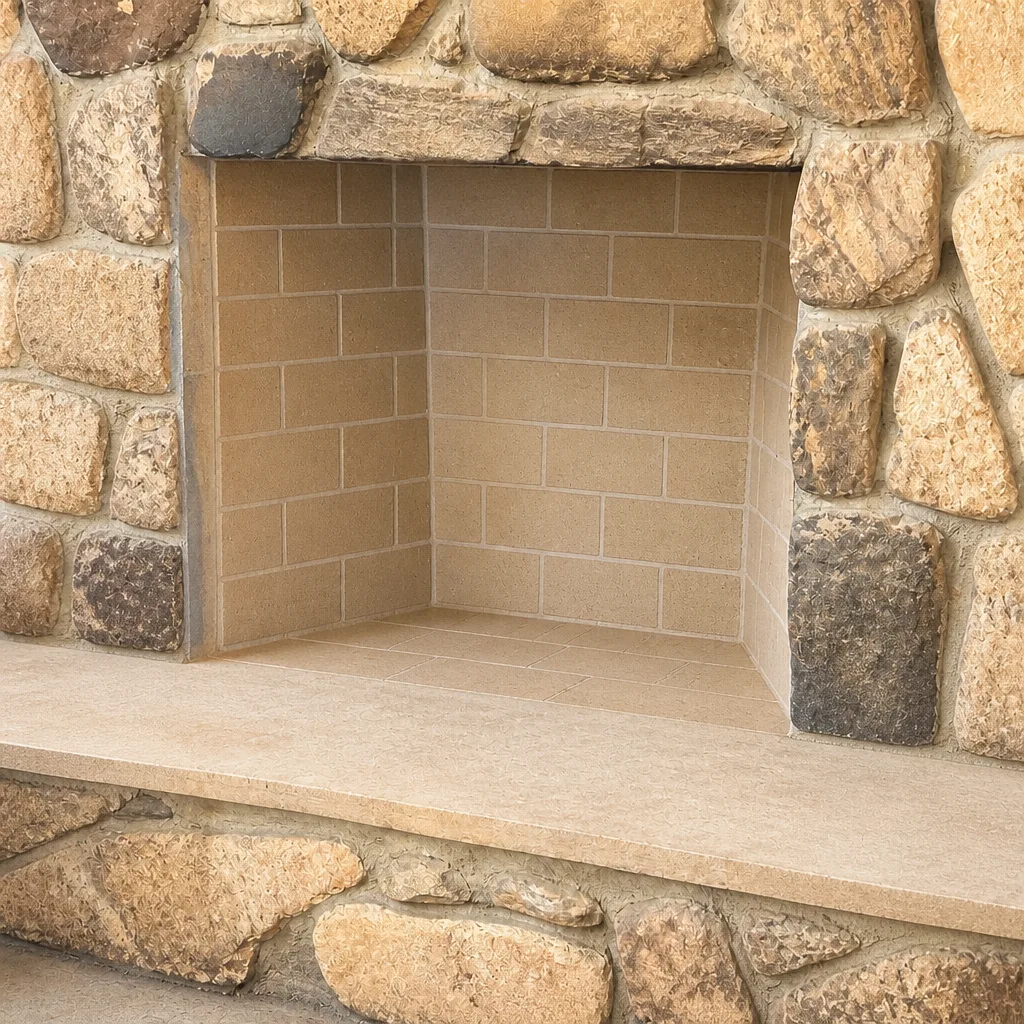 After
Frequently Asked Questions
A typical chimney sweep and inspection in Placentia runs in the range most Southern California homeowners see for a standard service, with the exact price set per job by a written estimate. Prices depend on the flue’s condition, access, and whether the appointment includes a camera inspection. Call (844) 625-6823 for an exact quote; estimates are free.
Most Placentia chimneys that see regular winter use should be swept about once a year and inspected each fall. Lightly used fireplaces can go two years between sweeps with an annual inspection deciding the timing, while anything burning unseasoned or resinous wood needs it sooner. Call (844) 625-6823 for an inspection if you’re unsure where your chimney stands.
Not always. If a flue is structurally sound but the interior surface has deteriorated, HeatShield resurfacing can restore it without the cost of full liner replacement. A full DuraFlex liner is the right call when the liner is cracked, improperly sized for the fuel type, or missing altogether. A camera inspection tells you which category your flue is in, and you see the evidence before any recommendation is made. Call (844) 625-6823 for an exact quote.
Creosote builds on the flue walls unchecked, raising the risk of a chimney fire, and any crack in the crown or cap lets the rainy season drive water into the masonry. The damage compounds quietly. Call (844) 625-6823 for a sweep and inspection before the wear turns into repair work.
Spring gives you the full winter’s creosote in one sweep, clean flue walls for the camera inspection, and a dry-weather window for any crown or cap repair before the fall storms. Fall sweeps miss half the annual deposit load and land right when everyone else is calling. Call (844) 625-6823 to book a spring appointment.
Yes. Gas fireplaces produce no creosote, but the flue and vent still need an annual obstruction check, and the firebox, damper, and pilot assembly should be inspected for safe operation. A blocked vent on a gas fireplace is a carbon monoxide concern, not a cosmetic one. Call (844) 625-6823 for an inspection and free estimate.
The Bottom Line
Placentia’s mild climate doesn’t reduce the need for chimney maintenance. It redistributes it. Fall is the diagnostic season, when Santa Ana winds and summer heat have already done their work to the cap and crown. Winter is monitoring, with the sweep point tied to burn frequency and wood type. Spring is the cleaning and liner camera inspection window, before moisture season and before the fall scramble. Summer is preventive crown and cap work, when UV exposure is the main threat and the cure window is at its best. Spread the work across those four seasons and the chimney stays ahead of the weather instead of catching up to it. Call (844) 625-6823. We answer 24/7. Fast dispatch from 7am to 7pm, Sunday through Friday.
Written by the team at Chimney Sweep Placentia.