
Last updated November 25, 2026
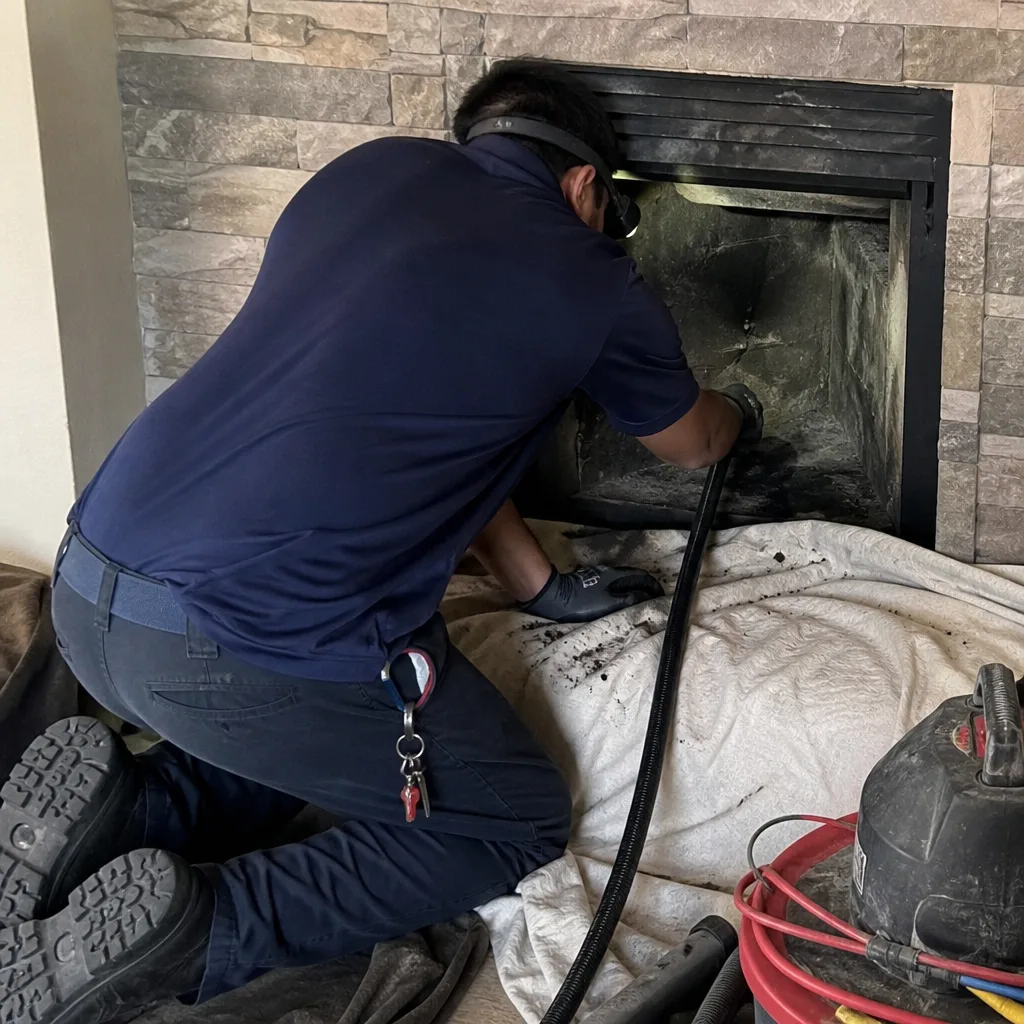
 Sweep & inspection
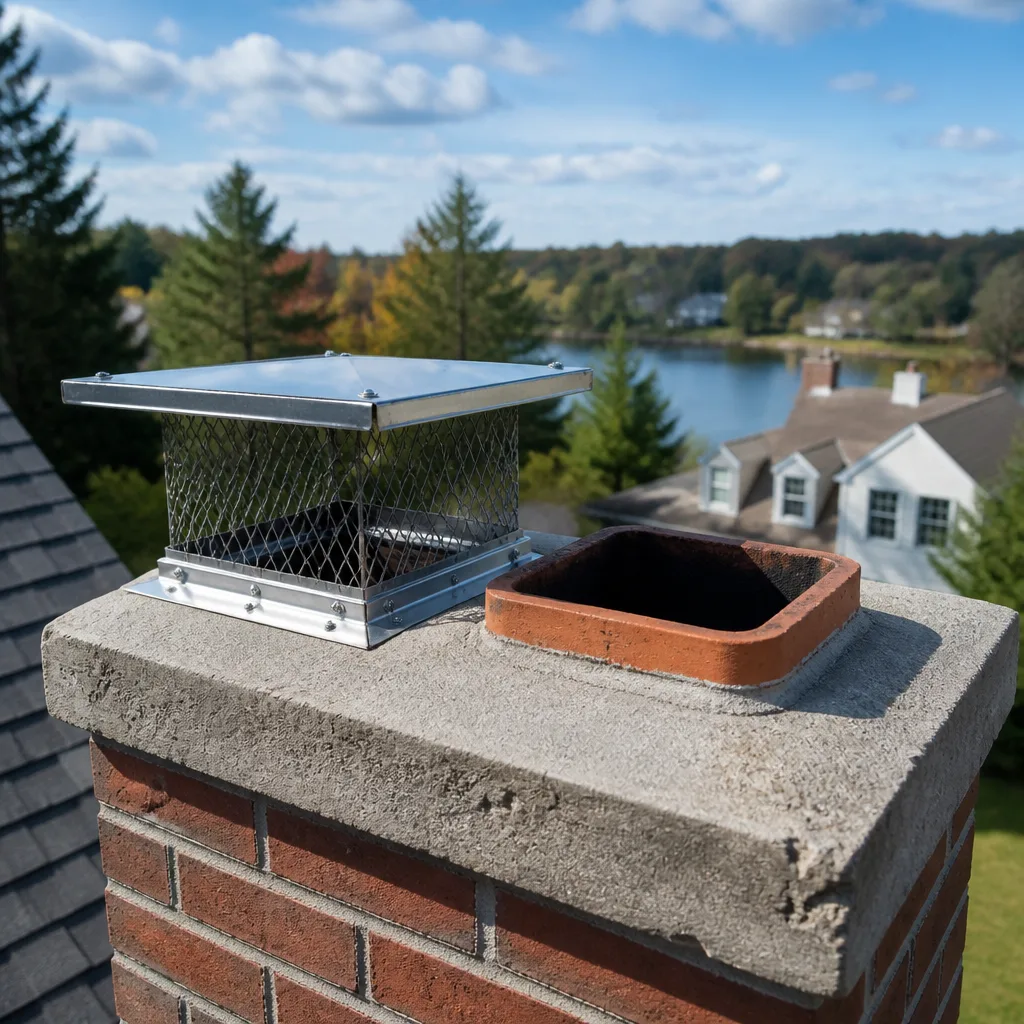
 Caps & crowns
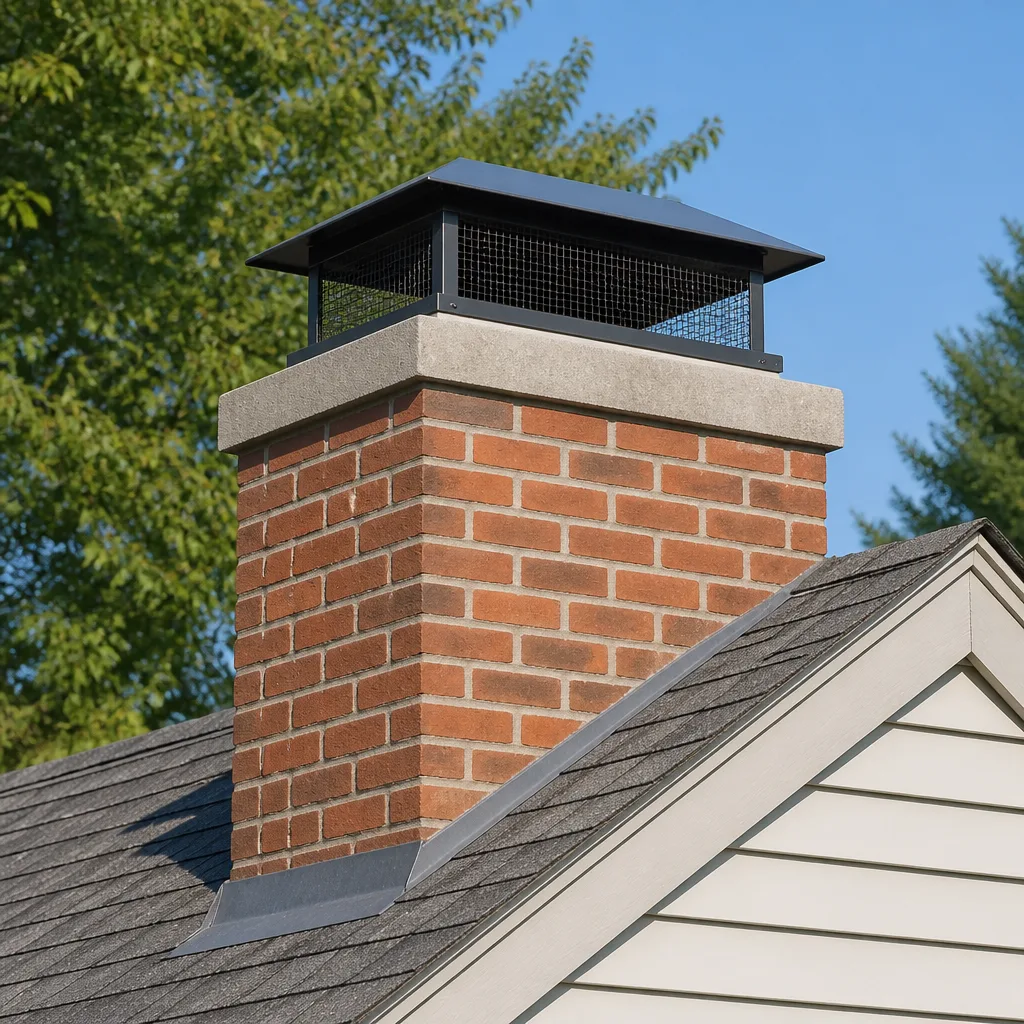
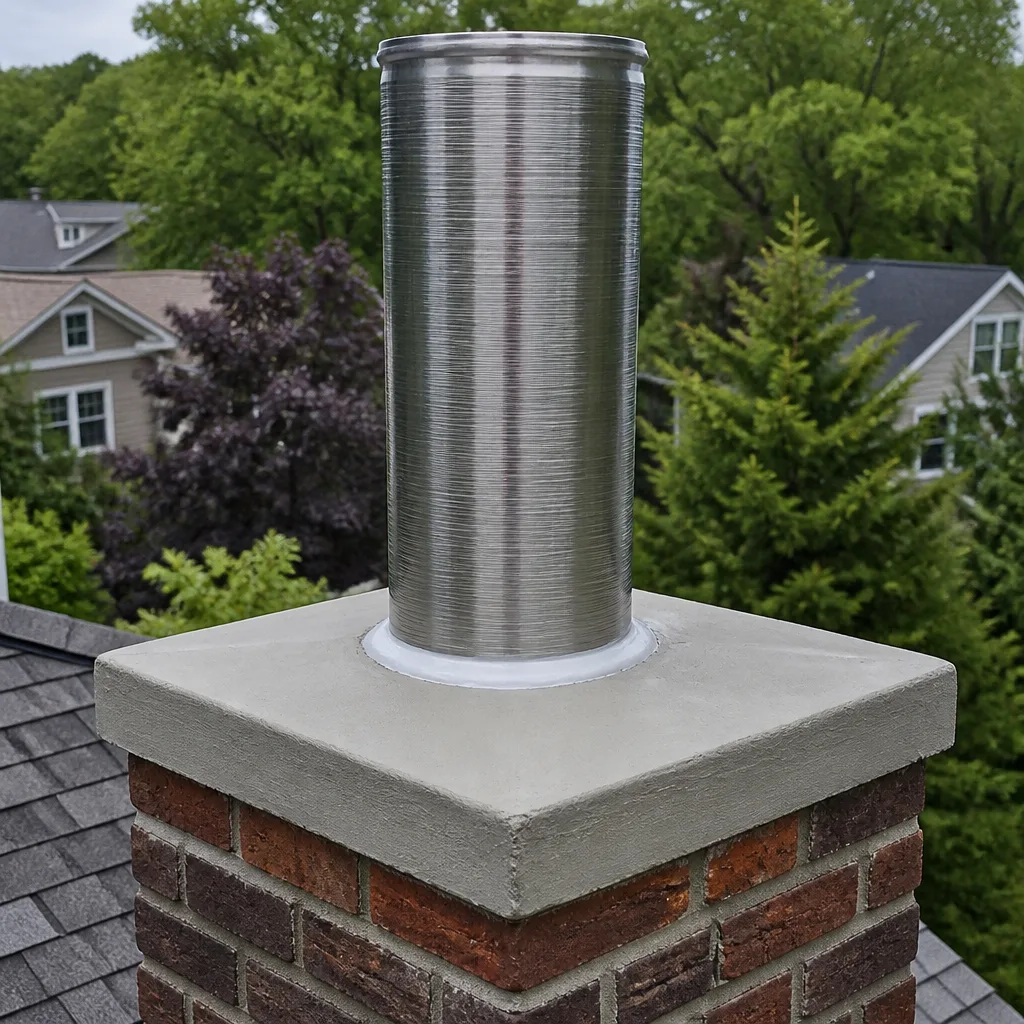 Flue relining
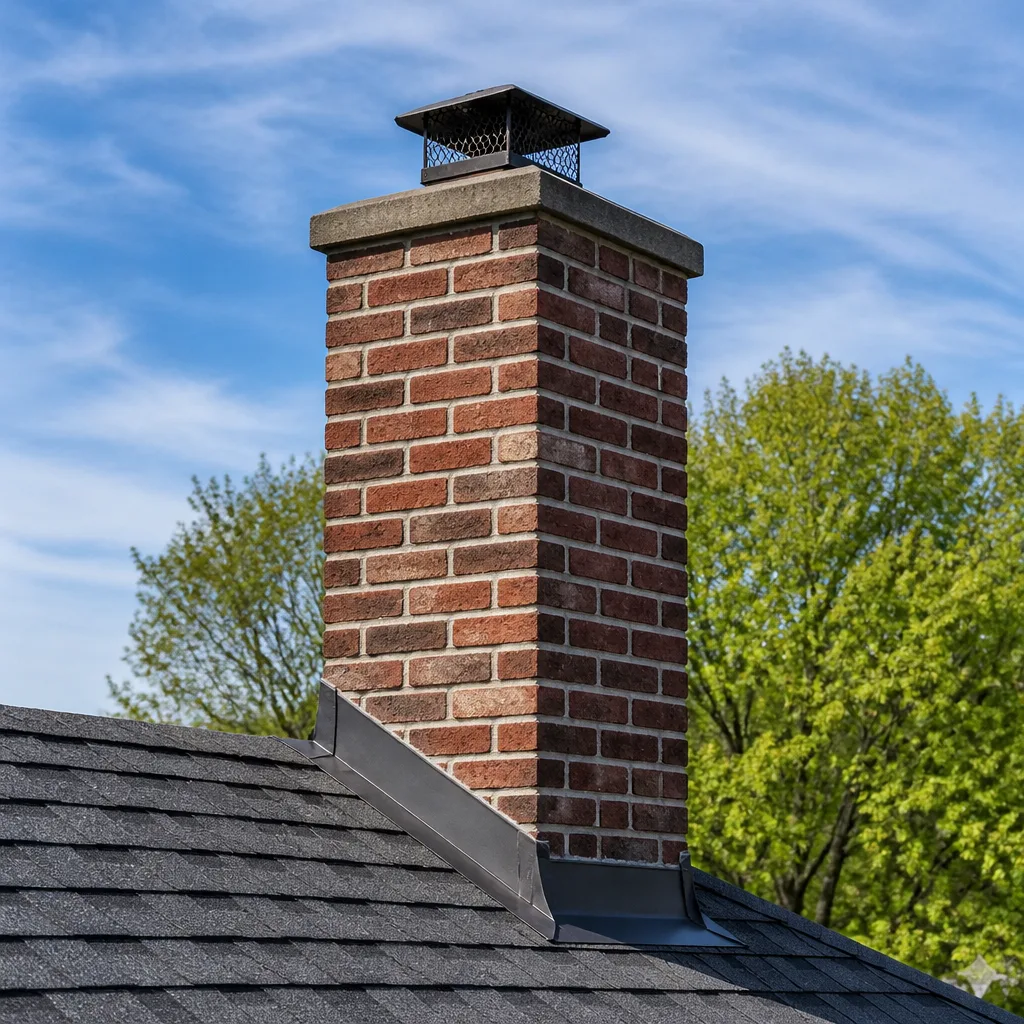 Masonry repair
 Gas fireplace service
Level 1 sweep and inspection to the NFPA 211 annual standard - flue, crown, cap, and flashing checked and photographed
Chimney sweep logs do not sweep chimneys. They loosen some creosote - which then falls where a brush and vacuum still have to collect it.
How to Hire a Chimney Cleaning Contractor in Placentia: A Step-by-Step Guide
Most homeowners hire a chimney sweep the way they hire a carpet cleaner: find a low price, book a slot, done. That approach works fine for carpets. It falls apart for chimneys. The piece of the system you can’t see is the piece that matters, and the technician standing on your roof is the only person who can tell you what’s actually going on inside the flue. The single most revealing question you can ask before booking is this: “What do you do if you find a cracked liner during cleaning?” A surface-only sweep treats that as a separate job and hands you off to another company. A full-system specialist walks you through the repair path right there. This guide gives Placentia homeowners a technical framework for telling the two apart before anyone sets foot on the roof.
Quick Answer
Hire a chimney contractor who performs cleaning, inspection, and repair under one roof, provides written documentation after every visit, uses a camera to inspect the flue, and can explain exactly what a cracked liner or damaged crown would mean for your system. In Placentia, that means asking about California licensing, verifying workers’ compensation coverage, and insisting on a written report with photos before you pay. The cheapest sweep and the safest sweep are rarely the same call.
Styles & brands we work with
- Sweep & inspection
- Caps & crowns
- Flue relining
- Masonry repair
- Gas fireplace service
Table of Contents
- What Separates a Full-System Specialist From a Surface-Only Sweep
- CSIA Certification vs. California C-61 Licensing: What Each One Actually Authorizes
- Five Questions to Ask Before Booking a Chimney Contractor
- Understanding Chimney Cleaning Pricing in Placentia
- Why Camera Inspection Should Be Non-Negotiable
- How to Verify Insurance for Property Damage and Worker Liability
- What a Legitimate Post-Service Report Should Contain
- Placentia’s Climate, Housing Stock, and What It Means for Your Chimney
What Separates a Full-System Specialist From a Surface-Only Sweep
A surface-only sweep cleans the flue and leaves. A full-system specialist cleans the flue, inspects the entire system with a camera, documents what they find, and can perform the repair without handing you to a second contractor. That’s the dividing line. It sounds simple, but the difference in outcome is significant.
Here’s why it matters. A chimney is not a single object. It’s a stack of connected parts: the firebox, the damper, the smoke chamber, the flue liner, the crown, the cap, and the masonry shell around all of it. Problems in one area affect the others. A cracked crown lets water into the masonry, which degrades the mortar, which eventually compromises the liner. A damaged liner allows heat and creosote to contact the surrounding structure. If the person cleaning your chimney only handles the flue, no one is looking at the crown, and no one can repair it.
The practical consequence shows up the moment something is found. When a surface-only sweep spots a cracked liner during cleaning, the response is usually some version of “that’s a different job, you’ll need to call a liner company.” You’ve now got two contractors, two estimates, and no one accountable for the whole system. A specialist handles it in one place, with one set of eyes on the problem.
We work across five service categories because the chimney doesn’t respect our internal org chart: chimney sweep, inspection, fireplace repair, chimney repair, and cap and crown installation. A Placentia homeowner with a spalling crown and a rusted damper shouldn’t need three phone numbers. One call covers it. That single-source model is what lets us explain what we find before we quote what it costs, with the whole picture in view.
Ask any contractor you’re considering how they handle a repair discovered mid-clean. If the answer splits the job, you’re talking to a sweep. If the answer connects the dots, you’re talking to a specialist.
CSIA Certification vs. California C-61 Licensing: What Each One Actually Authorizes
These two credentials get used interchangeably in marketing copy, and they shouldn’t be. They authorize different things. Confusing them is one of the fastest ways to hire the wrong person.
CSIA certification is a professional credential issued by the Chimney Safety Institute of America. It certifies that an individual technician has passed an exam on chimney and venting system inspection, cleaning, and maintenance, and it requires ongoing education to maintain. It is not a state license. It does not legally authorize a contractor to perform structural repair, liner installation, or masonry work. It tells you the technician knows how a chimney works and how to clean and evaluate it safely.
C-61 Limited Specialty licensing is a category under the California Contractors State License Board. It covers a defined specialty trade rather than a broad general building classification. Different contractors hold different specialties. What a C-61 license signals is that the contractor is registered with the state and subject to CSLB oversight for a specific scope of work, which matters a great deal if something goes wrong on your property.
What this means for hiring in Placentia:
- Cleaning and inspection should be handled by a CSIA-certified technician who can read the system and document it properly.
- Structural repair, liner work, and masonry should be performed by a contractor holding the appropriate California license for that scope.
- Any contractor working on your property should be able to give you their license number and CSLB registration status without hesitating.
You can verify any California contractor’s license status through the CSLB directly. Ask for the number, look it up, and confirm the license is active and covers the work being quoted. If a company can’t or won’t provide it, that’s your answer. You’re not being difficult by asking. You’re being a responsible homeowner, and a serious contractor expects the question.
A chimney is load-bearing, fire-containing infrastructure attached to your house. The person who climbs on your roof and works inside the flue should be credentialed for what they’re actually doing. Check both the certification and the license, not just whichever one appears on the truck.
Five Questions to Ask Before Booking a Chimney Contractor
The questions you ask before booking tell a contractor what kind of client you are and tell you what kind of contractor you’re dealing with. These five separate full-system specialists from generalist handymen better than any review score.
- “What happens if you find a cracked liner during cleaning?” A specialist describes the repair path: what a camera will show, what the repair options are, and what documentation you’ll receive. A sweep who says it’s not their department has just told you everything.
- “Will you use a camera to inspect the flue, and will I see the footage?” A chimney camera run from the top down shows the liner interior, any gaps, deterioration, or creosote glazing. If the contractor cleans without inspecting visually inside the flue, they can’t tell you whether the liner is intact.
- “What exactly does your written report include?” The right answer mentions findings, photos, and a clear description of any issue found with a recommendation. “We’ll let you know if anything looks off” is not a report.
- “Who performs any repair work, and are they licensed in California for it?” If the answer is a subcontractor or “our guy is certified,” ask specifically about the license for structural scope. Cleaning technicians and repair contractors are not always the same credential.
- “Can you show me proof of workers’ compensation insurance and general liability?” Both matter. Liability covers damage to your property. Workers’ comp covers the person on your roof. Ask for the certificate, not a verbal yes.
Ask these before a price is quoted. A specialist answers them comfortably and often adds detail you didn’t ask for. A generalist stumbles. Either response is useful information, and it costs you nothing but a phone call.
There’s a fifth area worth raising explicitly: material specification. Ask what brands they use for liner work and flue resurfacing. We work with HeatShield for structural flue resurfacing, Gelco and DuraFlex for liner systems, Olympia Chimney and Famco for related components. When a contractor can name specific materials and explain why one suits your situation over another, you’re talking to someone who does the work, not someone who schedules it.
Understanding Chimney Cleaning Pricing in Placentia
A standard chimney sweep and inspection in Placentia typically runs in a range that reflects the labor, the inspection, and the documentation. What matters far more than the number itself is what the number includes. Cheapest isn’t the objective. Complete is.
Here’s how pricing usually breaks down:
| Service | What It Typically Includes |
|---|---|
| Standard sweep | Flue cleaning, basic visual inspection, written findings |
| Sweep with camera inspection | Everything above plus video documentation of the flue interior |
| Formal inspection (Level 2) | Camera inspection, written report, structural assessment of crown, cap, and liner |
| Flue resurfacing | HeatShield application to restore a damaged flue interior without full liner replacement |
| Liner installation | DuraFlex flexible liner system installation, sized to the appliance and flue |
| Crown and cap work | Repair or replacement of the crown and cap, the two most common water-intrusion points |
Prices vary widely by chimney condition, number of flues, and access. That’s why an on-site written estimate exists and why a low quote from the phone is worth nothing. The estimate is what sets the final price, not the number quoted before anyone has seen the roof.
Watch for unusually low sweep prices. A quote that seems too low to cover labor, equipment, inspection, and insurance almost always omits something. What gets omitted matters: the camera inspection. The documented report. Sometimes the flue actually being cleaned versus just brushed. A contractor competing on price alone has to cut somewhere, and the inspection is usually the first thing to go, because the homeowner can’t see it happening.
The estimate should be free, and it should be in writing, and you should be able to ask exactly what it covers. Anything less and you’re not comparing quotes, you’re comparing guesses. Call (844) 625-6823 for a free estimate; we walk through what’s included line by line.
Why Camera Inspection Should Be Non-Negotiable
You cannot safely evaluate a flue from the fireplace opening. The interior of an eight-inch or twelve-inch flue column, measured in sections, is not visible to the naked eye past the first few feet. A camera inspection is the only way to see what’s actually inside. This is the argument that matters most.
What a camera reveals:
- Liner integrity. Cracks, gaps, spalling, or misaligned sections that could allow heat or combustion products into the surrounding masonry.
- Creosote condition. Glazed, hardened creosote (Stage 3) behaves very differently from soot or light flake, and cleaning approach changes accordingly.
- Obstructions. Debris, animal nests, or structural collapse inside the flue.
- Previous repairs. Signs that a prior contractor did work that’s now failing, which happens and matters.
- Smoke chamber condition. The area above the damper where turbulence and settling cause problems that a flue-only cleaning never touches.
When we find a structural issue, we show you the footage. Not because we owe it to you, but because it’s the only way for a homeowner to evaluate a recommendation they can’t otherwise see. “Your liner is cracked and needs replacing” is a claim. A video showing the crack is evidence. Every recommendation should come with the photo or video that supports it, and if it doesn’t, you’re entitled to ask why.
We can also tell you honestly when a repair can wait. Not every cracked crown or hairline mortar gap is urgent. Some are watch-and-monitor items. Some pose a real safety concern with wood-burning appliances and should be addressed before the next burn season. The distinction matters, and the inspection is how it gets made. A contractor who recommends everything is as unreliable as one who recommends nothing. Insist on the camera, insist on the footage, and make the decision on what you can see.
How to Verify Insurance for Property Damage and Worker Liability
Two separate insurance coverages matter when a contractor works on your property, and they cover different things. Asking for one and not the other leaves you exposed.
General liability insurance covers damage to your home or property caused by the contractor’s work. If a dropped tool cracks the crown, a ladder damages a gutter, or a repair causes a leak, this is the coverage that responds. Ask for a certificate of insurance and confirm the coverage limits are current.
Workers’ compensation insurance covers the technician in the event of injury on the job. This matters more than most homeowners realize. Chimney work happens on a roof, which is one of the higher-risk locations for an injury. If a technician is injured on your property and the contractor doesn’t carry workers’ comp, the situation can become your problem. In California, the rules around this are specific, and the homeowner can be exposed when a contractor is uninsured. Verify it, don’t assume it.
How to verify both:
- Ask for the certificate of insurance for general liability and workers’ comp before scheduling.
- If it’s a large certificate and you’re not sure what you’re looking at, ask the contractor to walk you through the relevant coverage lines.
- For worker coverage, ask explicitly whether the technicians on your roof are covered by the company’s workers’ comp policy, not just by liability insurance.
- Any contractor who hesitates, deflects, or says “we’re covered” without producing a document is telling you something.
This isn’t unreasonable to ask. A properly insured contractor produces the certificate without friction, because they carry the coverage and they want you to know it. Treat resistance as information.
What a Legitimate Post-Service Report Should Contain
There’s a simple rule: any contractor who leaves your house without written documentation of what they found and what they did is a liability risk to you. This isn’t about formality. It’s about the fact that you’re going to make maintenance and safety decisions based on what’s in your chimney, and you need a record to make them from.
A proper post-service report should contain:
- Date and address of the service.
- System components inspected: which flues, firebox, damper, smoke chamber, crown, cap.
- Findings for each, in plain language, with the technician’s observations about condition.
- Photographic or video evidence of anything found, especially deficiencies.
- Recommendations, with a clear distinction between urgent and monitor-only.
- Repair options and estimate for anything recommended, so you can compare and decide.
Every recommendation should trace back to something you can see in the report. A photo of a cracked crown, footage of a deteriorated liner. The report says “here’s what we found,” not “here’s what we think you need.” If you can’t find the evidence for a recommendation in the document, ask for it. A contractor who can’t supply it is asking you to spend money on faith, and that’s not how it should work.
Keep your reports. Over a few years they build a maintenance record for your chimney, and that record is genuinely useful when you’re deciding whether a repair is needed or when structural work becomes necessary. It also gives you a baseline for evaluating a different contractor’s recommendations later, if you ever switch.
Placentia’s Climate, Housing Stock, and What It Means for Your Chimney
Placentia sits in Orange County, in a mild Mediterranean climate with warm, dry summers and mild winters. Fireplace use here is more seasonal than in colder parts of the country, and it’s more about evenings and the occasional cool stretch than about heating a home through a hard winter. But the climate matters to the chimney, and it shapes what common problems are.
The dominant issue in this region is not freeze damage or heavy snow load. It’s water and long dry spells. In a dry summer, the masonry, mortar, and crown can dry out and develop micro-cracks, then expand slightly when winter rains return. The crown, the concrete cap at the very top of the chimney, is one of the most common points of water intrusion in an Orange County chimney, because it takes sun exposure year-round and is the first surface to fail. A hairline crack in the crown or a separated crown-to-flue joint lets water into the masonry below, where it quietly does more damage than a visible stain on the fireplace wall would suggest.
The cap, the metal or masonry cover over the flue opening at the top, plays a similar role. A missing or deteriorated cap lets rain, birds, and debris into the flue. A functional cap also prevents downdrafts. In our experience across Placentia and the surrounding Orange County neighborhoods, poorly maintained caps and crowns account for a disproportionate share of the water-related damage we find during inspections. That’s why we treat cap and crown work as core to the system and not an optional add-on. Protecting the top of the chimney is how you protect everything inside it.
The upshot for a Placentia homeowner is this: even if you only use your fireplace a few weeks a year, the crown and cap are working against the weather year-round. Periodic inspection of the top of the chimney is part of maintaining the system, not a luxury. Checking in before burn season, rather than in the middle of it, gives you time to address anything found without pressure. If you heat with wood, keeping the flue clean also matters for creosote. If you use gas, the inspection still matters for venting and for the condition of the flue even though there’s little to no creosote.
Red Flags in Chimney Contractor Pricing
Price is one of the clearest signals you’ll get before a contractor shows up. Not because high is good and low is bad, but because pricing structure reveals what a contractor is organized to do.
Unusually low quotes tend to omit:
- A camera inspection (the most common omission, since the homeowner can’t verify it happened)
- A written report
- Inspection of the crown and cap from the top, not just the flue
- Proper documentation of what condition the flue is in before cleaning vs. after
A quote that can’t plausibly cover labor, insurance, equipment, and documentation is a quote that has cut something. A contractor who prices on inspection and repair finds their work through what the inspection reveals, so they don’t need to cut corners to compete on a sweep sticker price. A contractor competing purely on sweep price needs to keep that number as low as possible, and the inspection gets sacrificed first because you can’t see what didn’t happen.
Other flags: a quote that arrives before anyone has looked at the roof, a contractor who won’t put the estimate in writing, and an estimate that grows by a large factor once work begins without a documented finding. Any of these are reasons to ask for the report and the evidence before proceeding. Call (844) 625-6823 if you need a second opinion; estimates are free.
Common Mistakes to Avoid
- Booking on price alone. The cheapest sweep and the safest sweep are rarely the same call, and the gap is almost always the inspection that got dropped to hit a number.
- Accepting a cleaning without a camera inspection. You cannot evaluate a flue from the fireplace opening. If the contractor doesn’t run a camera, they can’t tell you what’s inside your liner.
- Not verifying insurance. A certificate for general liability doesn’t cover the worker on your roof. Ask for both liability and workers’ comp, and ask for the documents.
- Paying without a written report. Any contractor who leaves without documentation of findings and recommendations has left you with no record and no way to evaluate the recommendation they want you to buy.
- Splitting the work across multiple contractors. A sweep from one company and a repair from another means no one is accountable for the full system, and problems in one area get missed because no one is looking at the whole chimney.
- Confusing CSIA certification with state licensing. One certifies a technician’s knowledge; the other is a California licensing classification. Neither substitutes for the other when the work is structural.
- Ignoring the crown and cap. These are the most common points of water intrusion, and they don’t fix themselves. A cleaning is not an inspection of the top of the chimney unless someone actually looks at it.
See the difference
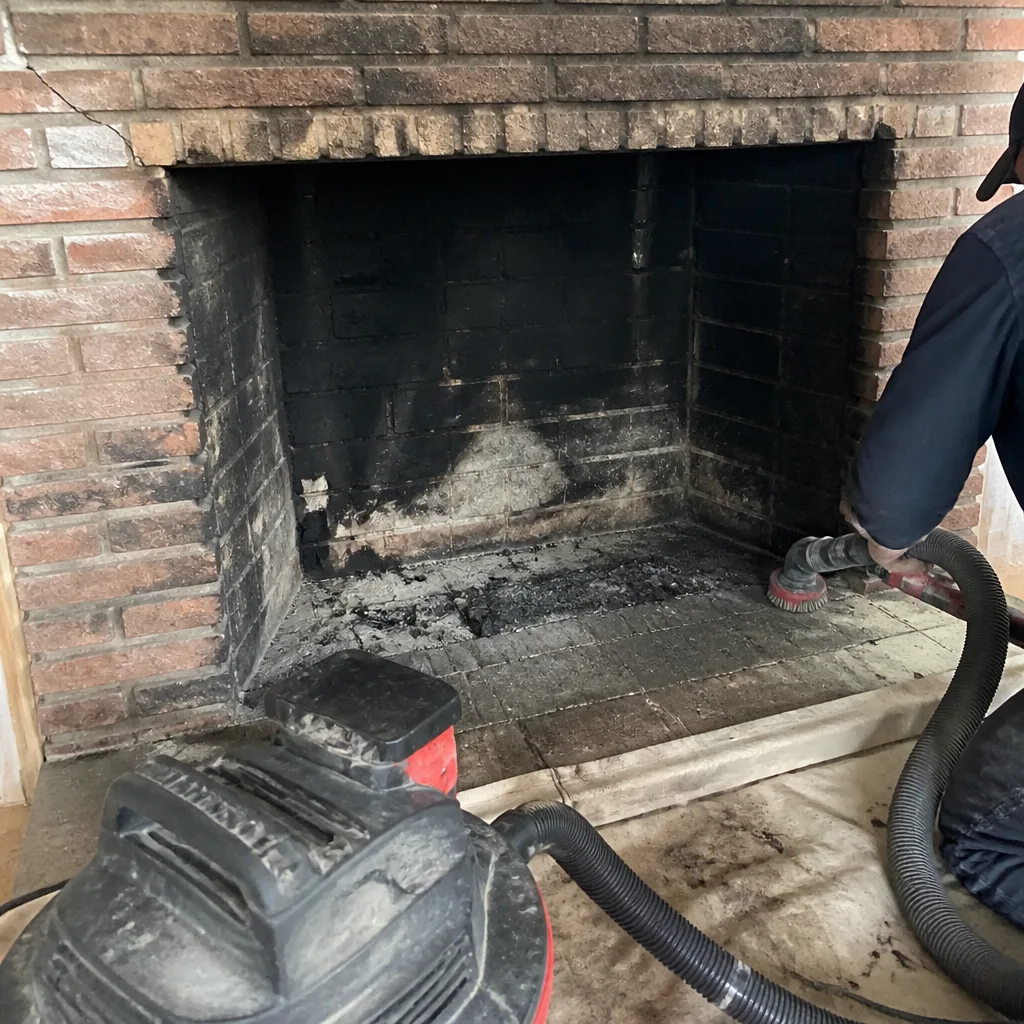 Before
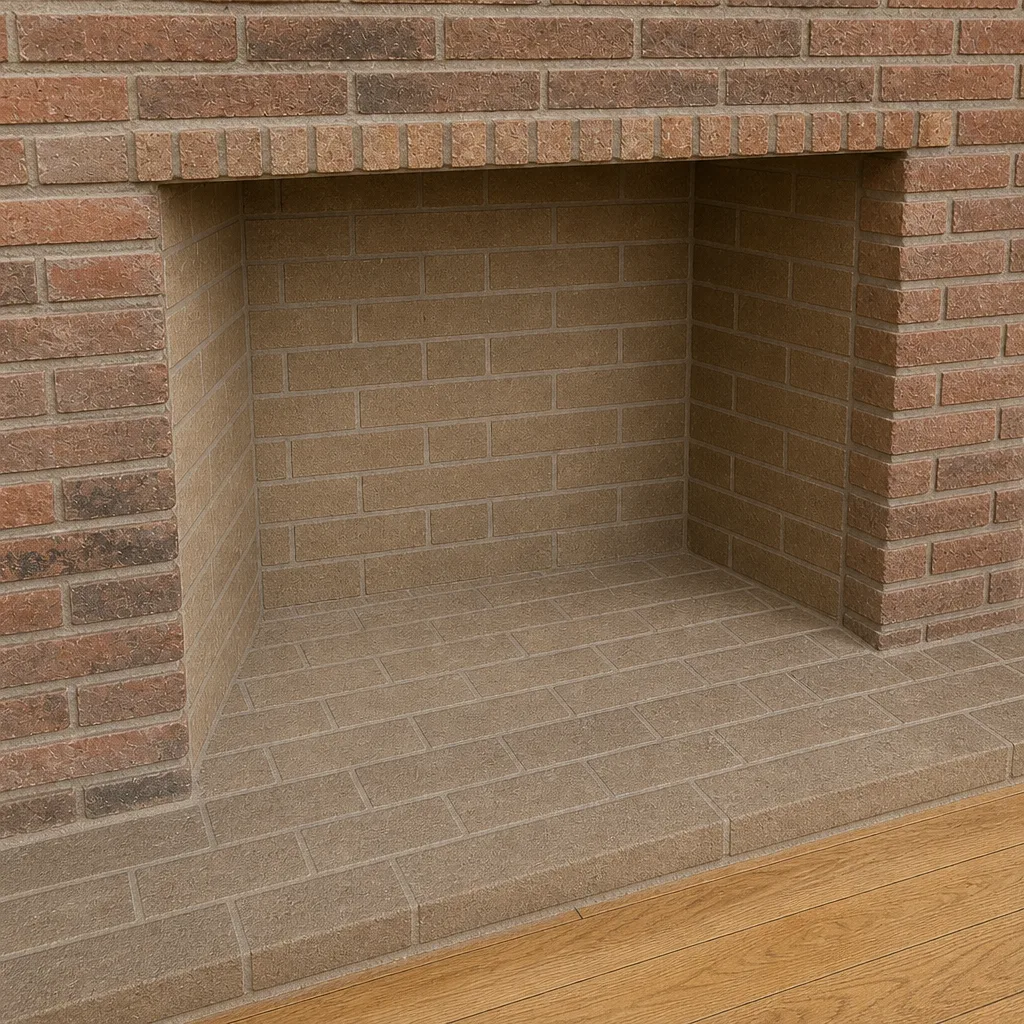 After
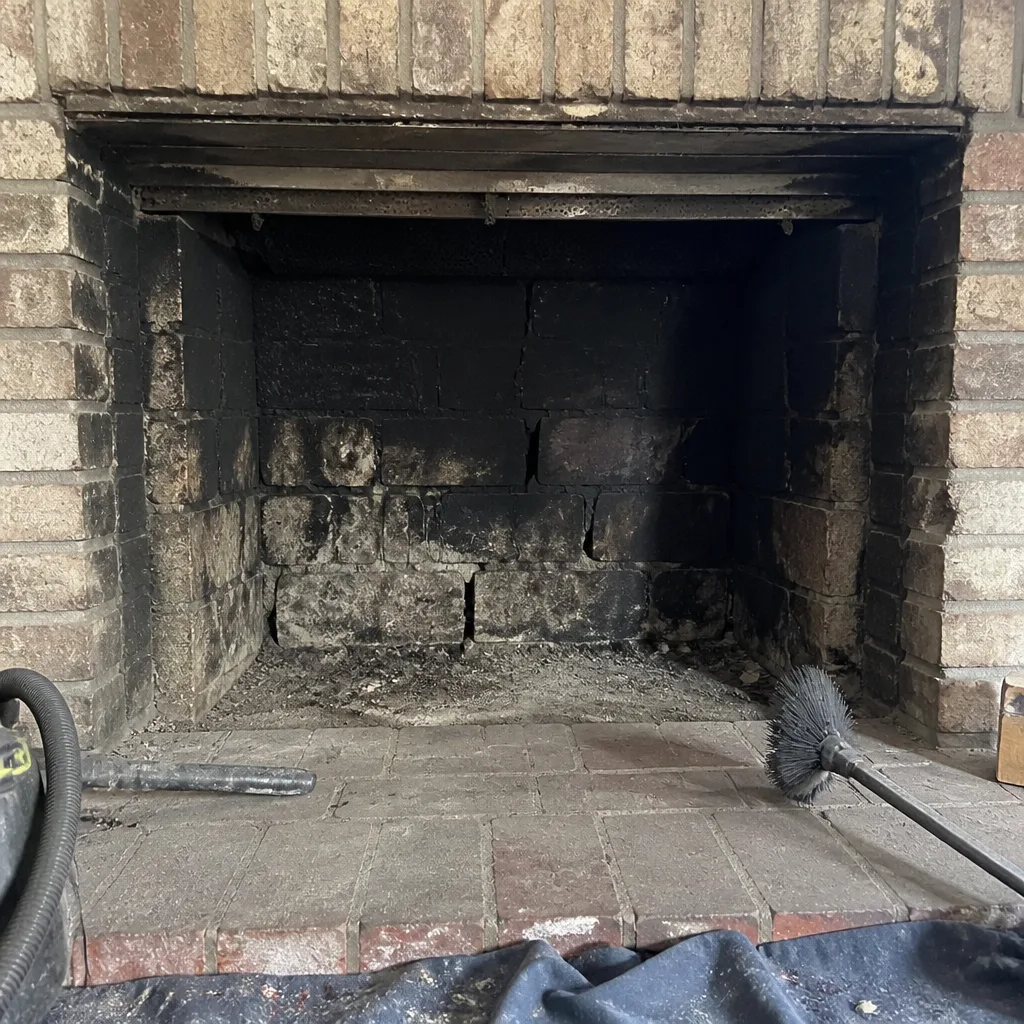 Before
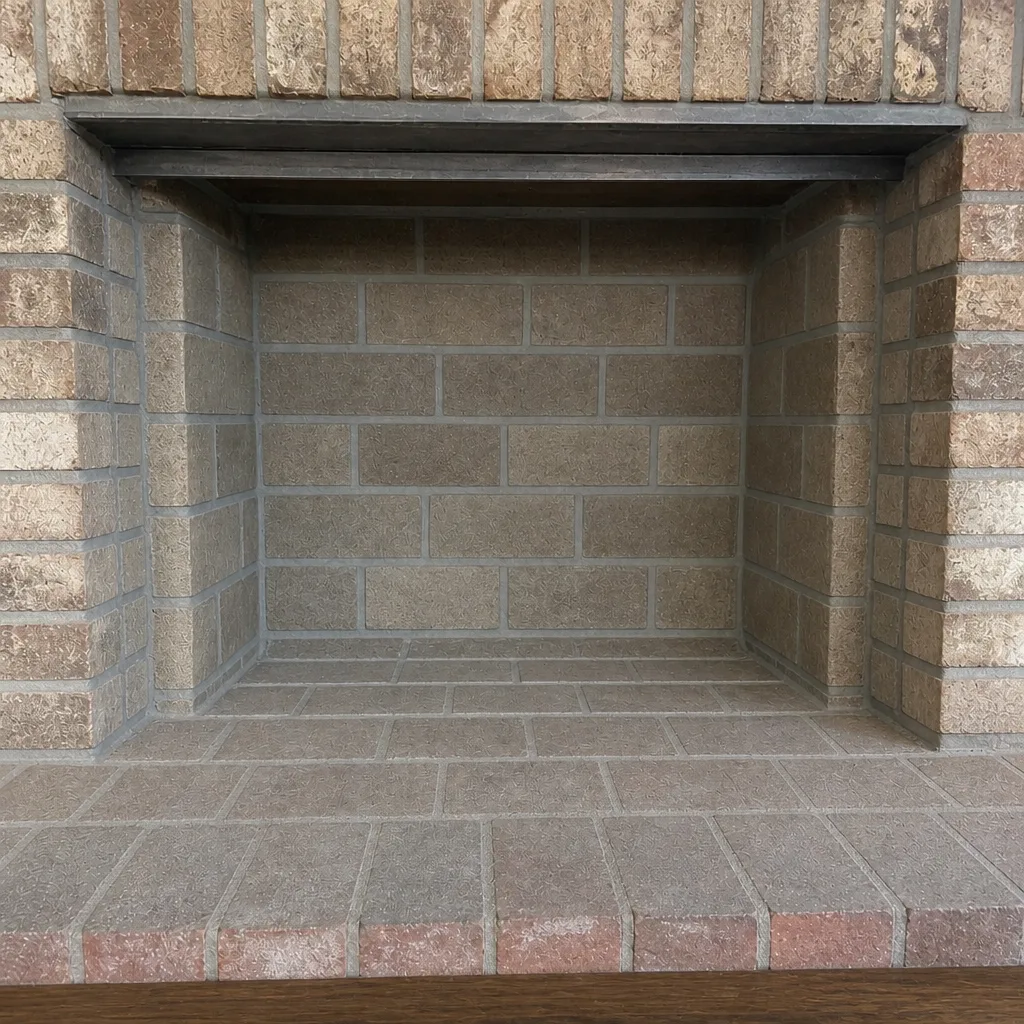 After
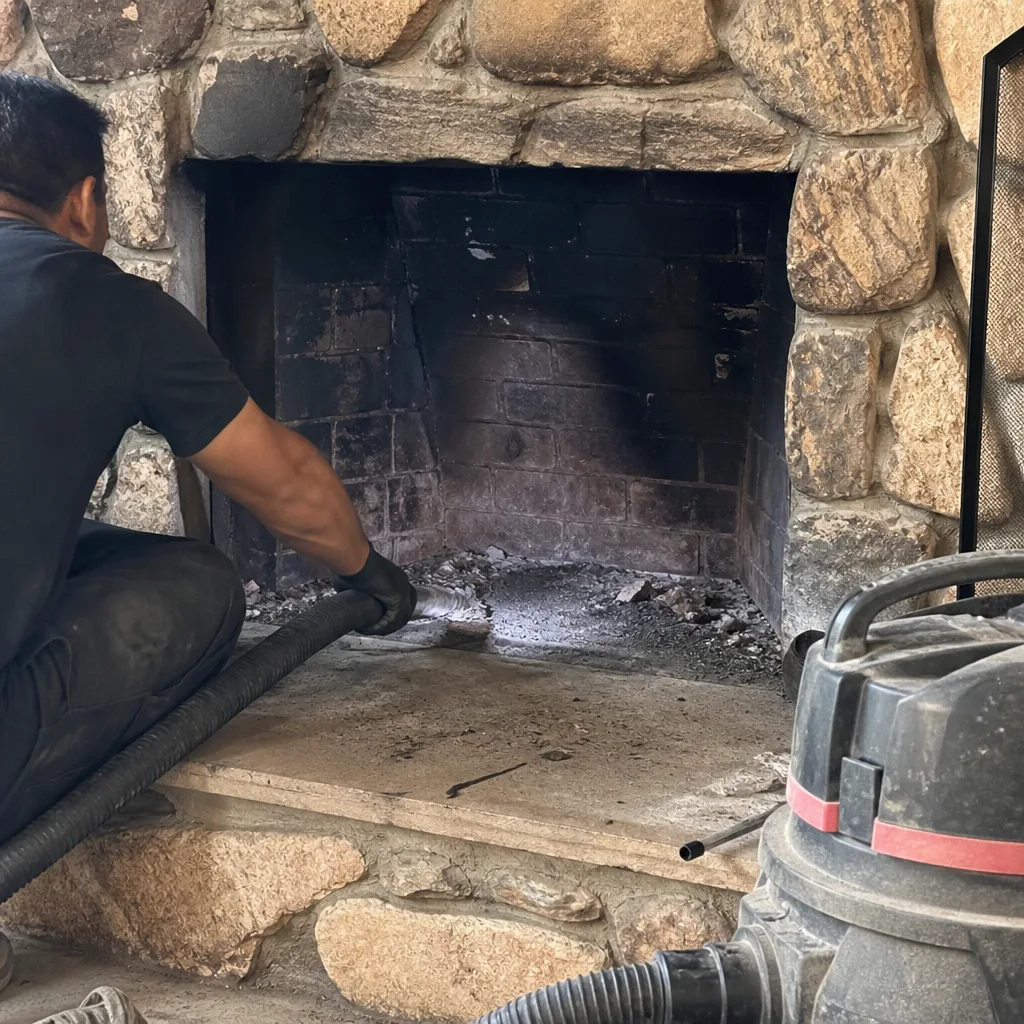 Before
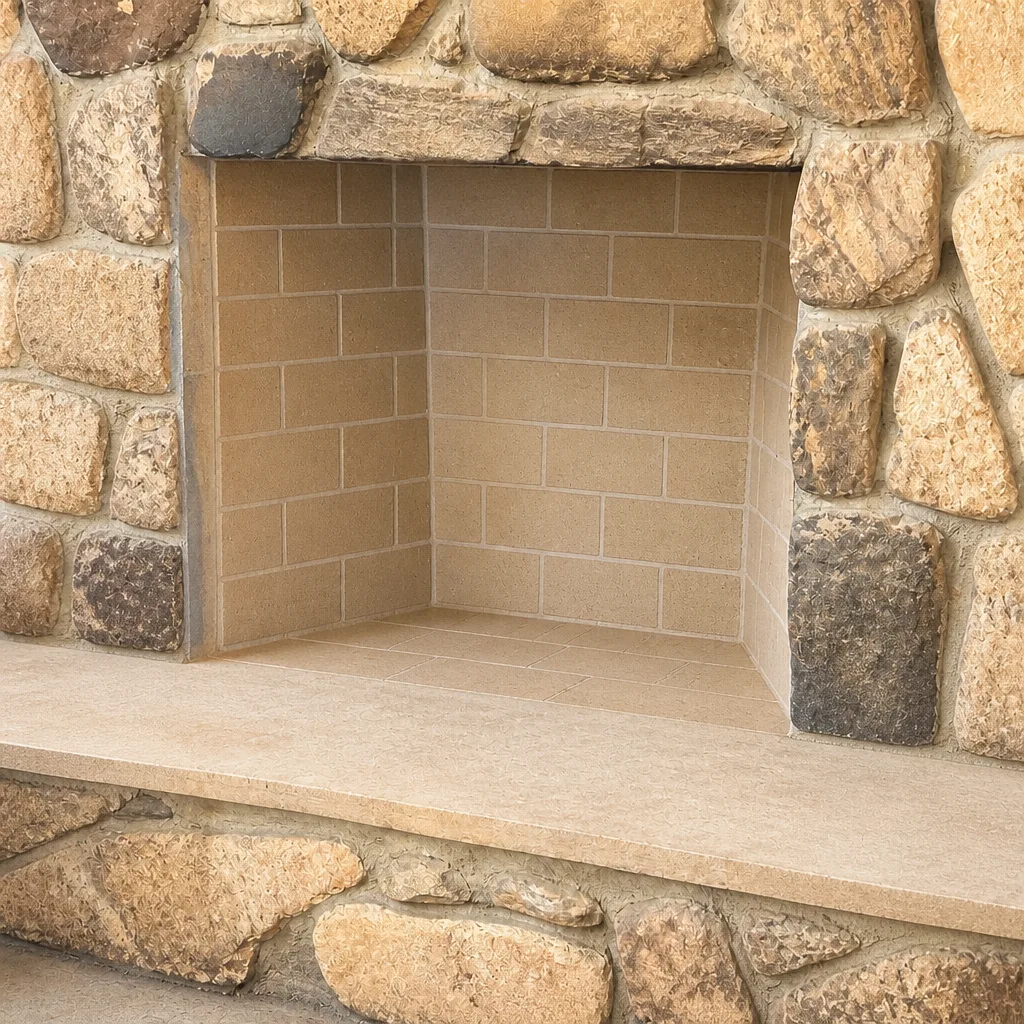 After
When to Call a Professional
Some chimney conditions are genuinely urgent, and some can wait. Knowing the difference keeps you from panicking over a hairline and from ignoring a real hazard. Call a professional right away if you see or smell the following: a strong smoky odor inside the house when the fireplace isn’t in use, visible creosote deposits building up in the firebox, a damper that won’t fully open or close, water staining or efflorescence on the masonry around the chimney, crumbling mortar or a visible gap around the crown, or a cap that’s visibly detached or missing. If you burn wood and can’t remember when the flue was last cleaned, that’s a call worth making. If a repair was recommended to you and you want a second set of eyes and evidence before committing, that’s also a call worth making. Chimney Sweep Placentia offers free estimates in Placentia: call (844) 625-6823. We answer 24/7, with fast dispatch from 7am to 7pm.
Frequently Asked Questions
Both, depending on the work. Cleaning and inspection are best handled by a CSIA-certified technician, but structural repair and liner installation should be performed by a contractor holding the appropriate California license for that scope. Ask for the certification on the technician and the license number for the repair contractor, and verify the license through the CSLB. The two credentials don’t replace each other. Call (844) 625-6823 if you’d like to talk through what your specific job requires.
The clearest red flag is a quote delivered before anyone has been to the house, and a quote that’s unusually low without a camera inspection or written report. A real sweep and inspection involves labor, equipment, insurance, and documentation, so a price that can’t plausibly cover all of it has cut something, usually the inspection. Ask exactly what’s included before you book. Call (844) 625-6823 for a free estimate with everything listed clearly.
Ask for a certificate of general liability insurance and a certificate of workers’ compensation insurance, and ask explicitly whether the technician who’ll be on your roof is covered by the workers’ comp policy. General liability covers damage to your home; workers’ comp covers the worker. A properly insured contractor produces both without hesitation. If the contractor hesitates or can’t supply the documents, that’s your answer. Call (844) 625-6823 to ask about coverage before booking.
A proper report includes the date and address, which system components were inspected, plain-language findings with photographic or video evidence of anything wrong, and recommendations that distinguish urgent from monitor-only items, with estimates for any recommended work. Every recommendation should trace to something visible in the report. If you can’t find the evidence, ask for it. Call (844) 625-6823 to talk through what your report should cover.
They can, but you shouldn’t accept it. Any recommendation for structural work, liner replacement, or flue resurfacing should come with photo or video documentation of what’s actually wrong, because you can’t see inside the flue yourself. If a contractor recommends a repair you can’t verify, ask for the footage. Some work genuinely can wait, and some can’t; the evidence is how you tell the difference. Call (844) 625-6823 for a free estimate and photo documentation of anything found.
It can be, though it’s not always wrong. The problem is accountability and complete visibility: the sweep sees only the flue, the repair contractor sees only their piece, and no one has full eyes on the crown, cap, liner, firebox, and smoke chamber together. A specialist that handles all of it resolves the issue in one place with one estimate and one point of contact. For a chimney with more than one issue, that’s a meaningful difference. Call (844) 625-6823 to discuss a full-system evaluation.
The Bottom Line
Hiring a chimney contractor in Placentia isn’t about finding the lowest sweep price. It’s about telling a full-system specialist from a surface-only sweep before you book, and the questions in this guide do exactly that. Ask what happens if they find a cracked liner. Ask about camera inspection, written documentation, California licensing, and proof of both liability and workers’ comp insurance. Verify the license through the CSLB. Insist on a report with evidence behind every recommendation. Understand that in Placentia’s dry, mild climate, the crown and cap are working against the weather year-round, and they deserve as much attention as the flue. A full-system specialist answers these questions without hesitation. A generalist stumbles. Either answer tells you what to do next. For a free estimate, call (844) 625-6823. We answer 24/7, with fast dispatch from 7am to 7pm.
Written by the team at Chimney Sweep Placentia.