
Last updated November 25, 2026
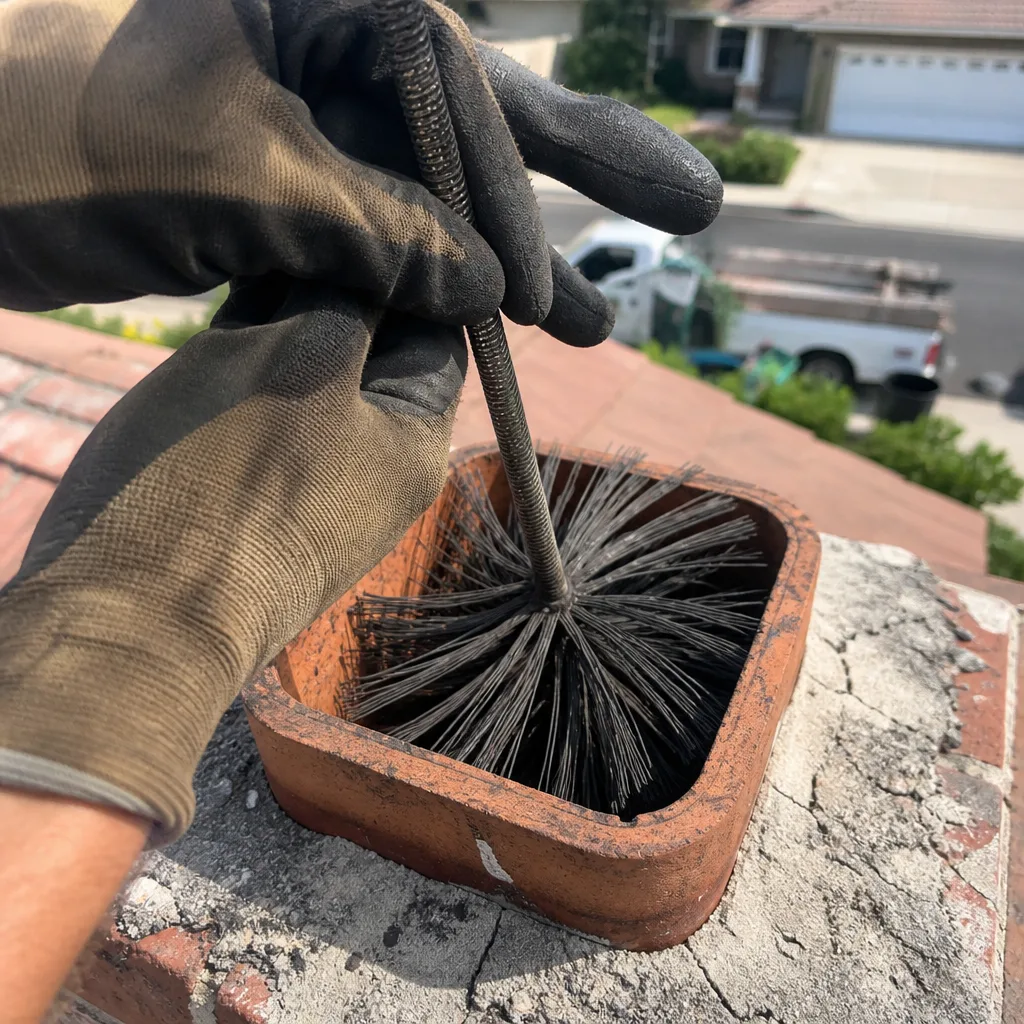
 Sweep & inspection
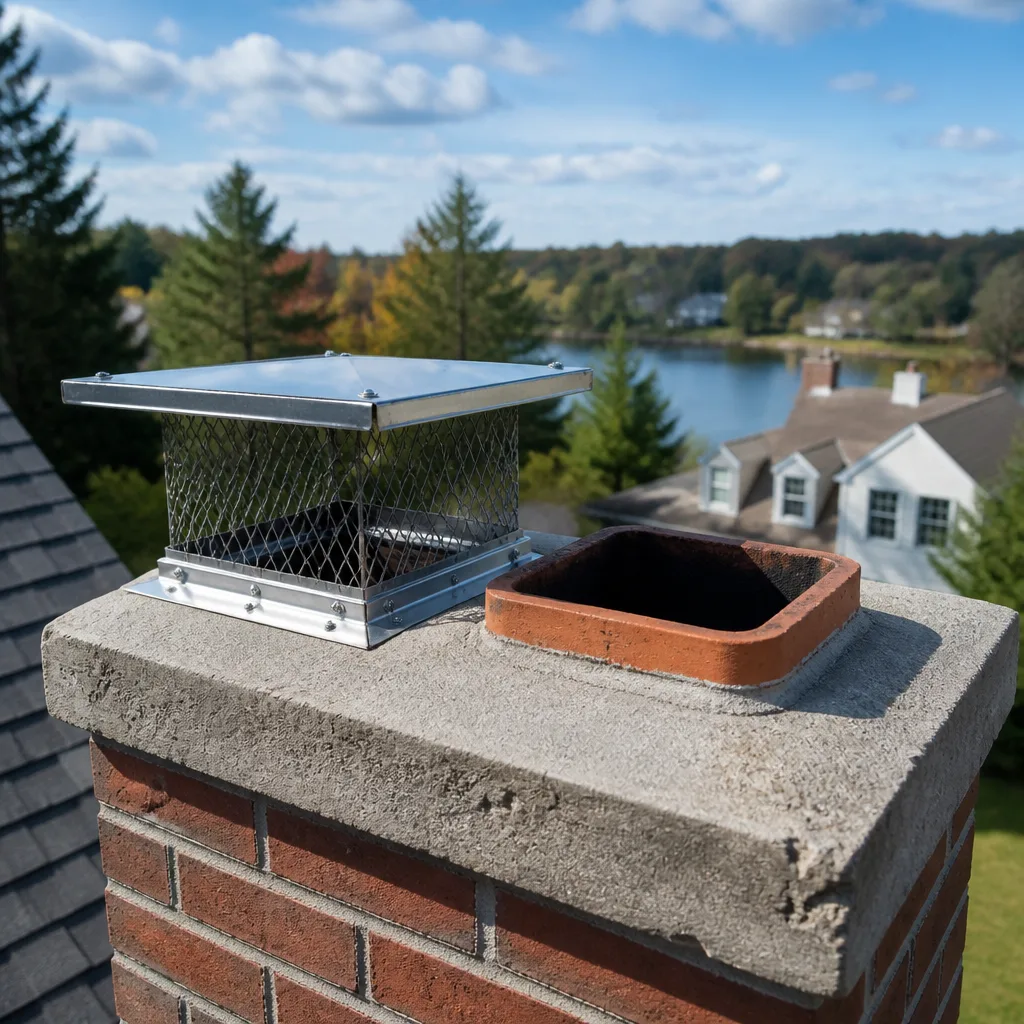
 Caps & crowns
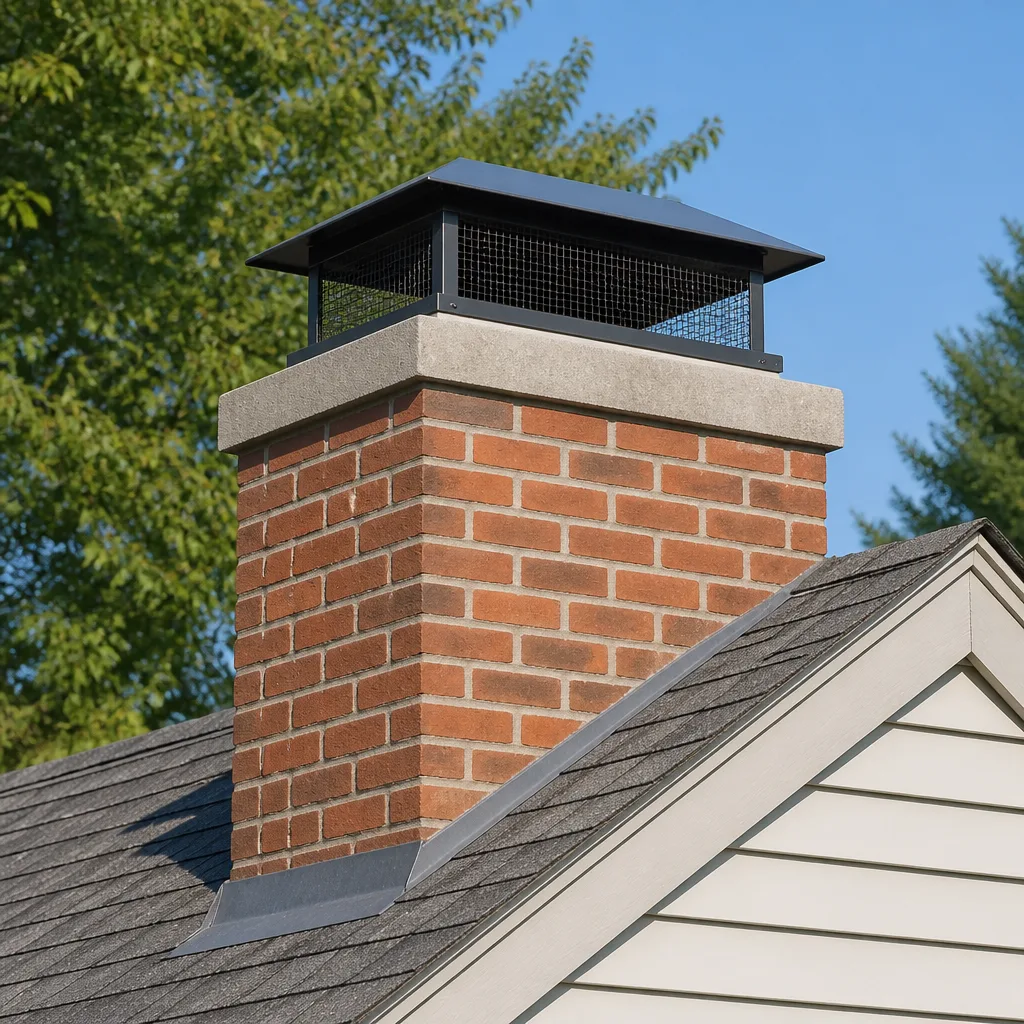
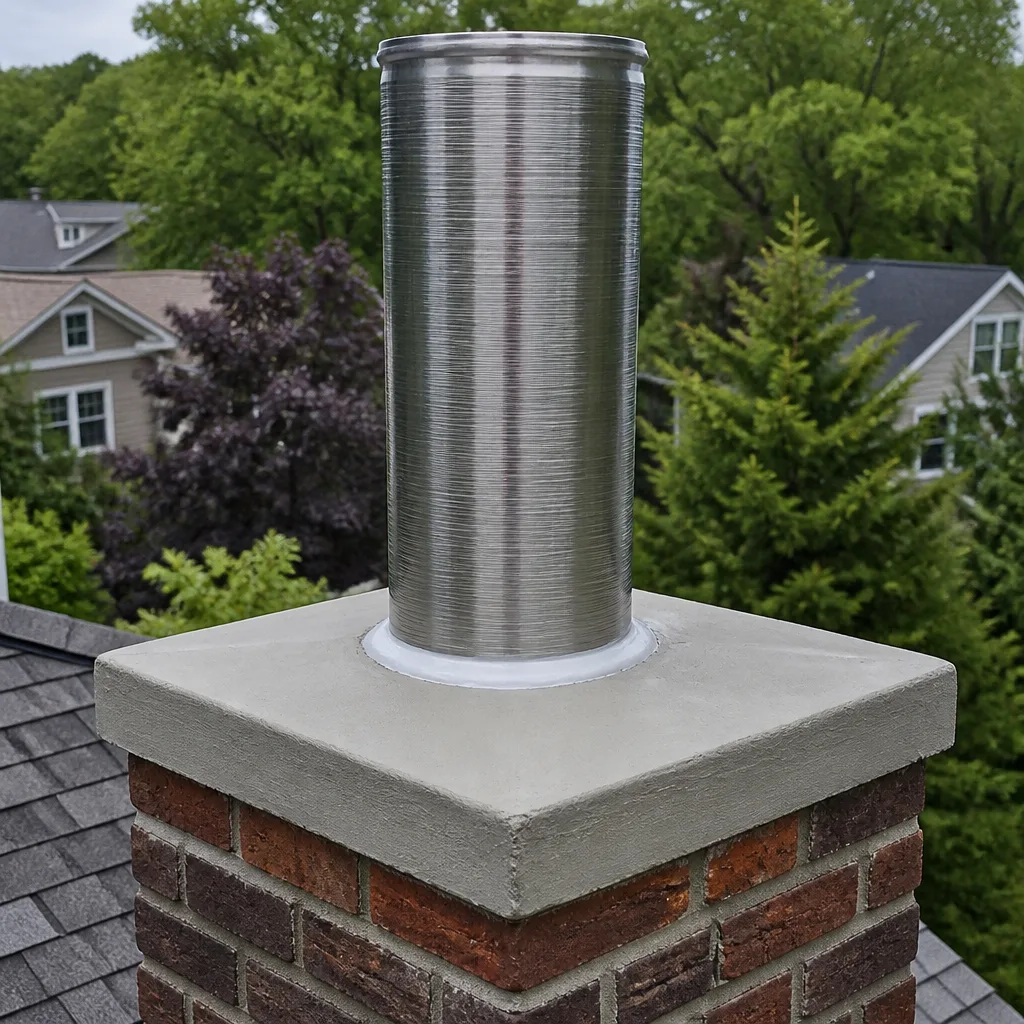 Flue relining
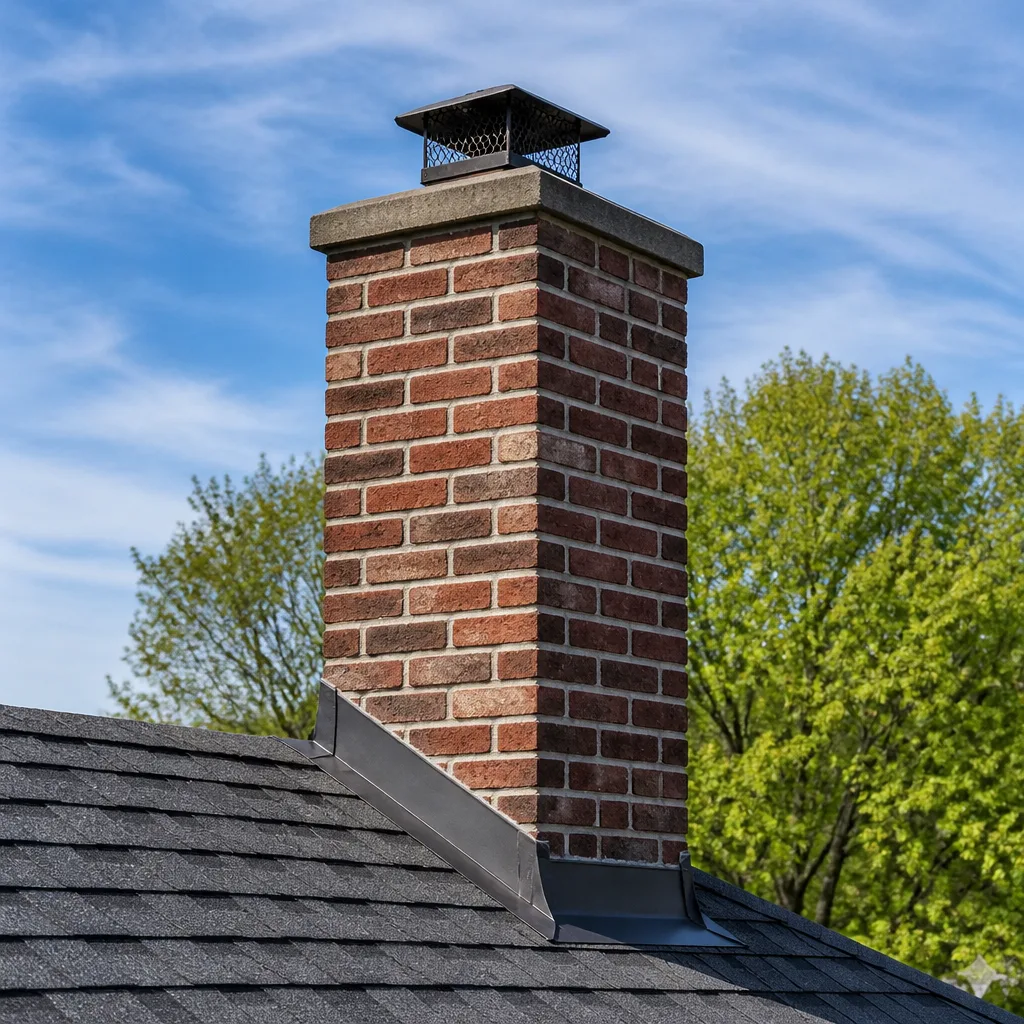 Masonry repair
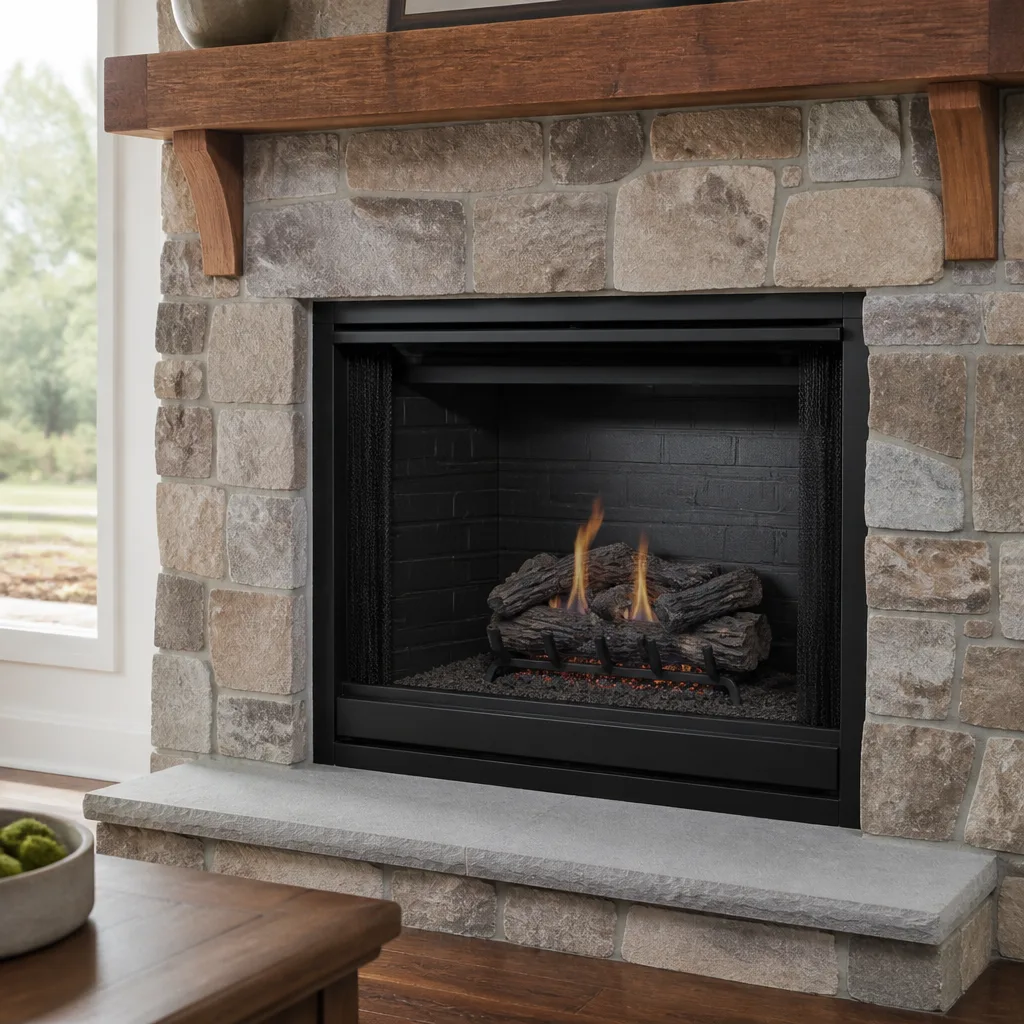 Gas fireplace service
Level 1 sweep and inspection to the NFPA 211 annual standard - flue, crown, cap, and flashing checked and photographed
Chimney sweep logs do not sweep chimneys. They loosen some creosote - which then falls where a brush and vacuum still have to collect it.
The Complete Guide to Chimney Cleaning in Placentia
Most Placentia homeowners burn fewer than fifteen fires a year. That sounds like the safe end of fireplace ownership, and it’s the reason so many chimneys here go years without a sweep. The opposite is true. Low-frequency burning, especially when fires are small, smoldering, or burned with green wood, produces incomplete combustion more often than a household that lights a hot fire several times a week. Incomplete combustion lays down denser, stickier creosote, and in a cool flue that deposits can glaze into a hard shell that a brush won’t touch. This guide walks through what a real chimney cleaning in Placentia covers, how to read the inspection findings, and the local housing details that change the scope of the job.
Quick Answer
Chimney cleaning in Placentia is a full-system service, not just a flue brushing. A proper cleaning covers the firebox, smoke chamber, flue liner, damper, and cap, paired with a Level 1 or Level 2 inspection under NFPA 211 standards. Because Placentia’s mild climate produces low-burn, high-concentration creosote, we recommend an annual inspection-and-sweep for any household that burns wood regularly, plus a cap and crown check to catch water intrusion before it reaches the masonry.
Styles & brands we work with
- Sweep & inspection
- Caps & crowns
- Flue relining
- Masonry repair
- Gas fireplace service
Table of Contents
- Why Placentia Chimneys Need a Different Approach
- The Anatomy of a Full-System Chimney Cleaning
- Level 1, 2, and 3 Inspections: Which Does Your Placentia Home Need?
- How to Read a Post-Cleaning Report
- Placentia-Specific Variables: Tile Roofs, Tract Masonry, Stucco Crowns
- Understanding Creosote Stages and Why Low-Use Fires Are Riskier
- What Affects the Scope and Cost of a Placentia Chimney Cleaning
- When It’s Time to Call a Chimney Specialist
Why Placentia Chimneys Need a Different Approach
Southern California’s mild climate shapes chimney use in a way that most national guides ignore. Placentia households typically light the fireplace between November and February, and sometimes only for a handful of holiday evenings. That pattern creates two conditions that raise creosote risk: cooler flue temperatures and slower draft. A flue that never fully warms up can’t carry smoke cleanly out of the chimney, so unburned wood gas condenses on the liner walls instead of exiting the stack.
A hot, sustained fire burns off moisture and volatile compounds. A short evening fire often doesn’t. The smoke leaving a cooling flue is dense and full of creosote precursors, and those precursors settle on the flue walls where they bake into a hard, glazed deposit with each subsequent fire. In a cold-climate home burning daily through a long winter, the flue stays warm and the deposit tends to be lighter and more brushable. In Placentia, the opposite happens.
What this means in practice:
- An annual inspection is more important here than the common “sweep every other year” advice you’ll find online.
- Short fires with unseasoned wood accelerate glazed creosote.
- Gas fireplaces create their own issues – blocked venting and soot accumulation that a wood-burning sweep won’t catch.
- Older tract homes often have undersized or unlined flues that compound draft problems.
Placentia sits in a basin where afternoon airflow and mild winter temperatures keep indoor heating demand low. That’s easy on the utility bill, but it means fireplaces get used in a pattern that’s quietly harder on the flue than a colder region’s daily burn. If you’ve gone two or three seasons without a look inside, the deposit may already be at the glazed stage. A chimney sweep with creosote-conversion capability handles that in a way a brush alone cannot.
The Anatomy of a Full-System Chimney Cleaning
A chimney is a system, and cleaning only part of it leaves the safety benefit incomplete. We see this often: a homeowner calls for a sweep, the flue gets brushed, but the smoke chamber above the damper is untouched. The smoke chamber is the tapered transition between the firebox and the flue, and it’s where creosote accumulates most heavily because smoke slows and cools there. Leave it, and you’ve cleaned the visible part while skipping the part most likely to ignite.
Here’s what a full-system cleaning covers, in the order we typically work:
- Firebox. Scrape and vacuum soot, ash, and creosote from the firebox walls, floor, and damper assembly. Check for cracked firebrick and deteriorated mortar joints.
- Damper. Confirm the damper opens fully, seals when closed, and isn’t rusted or jammed. A damper stuck open is a direct heat loss path; stuck closed is a carbon monoxide risk.
- Smoke chamber. This is the crucial step. We use specialized tools to reach the sloped walls and remove the buildup that a straight flue brush misses.
- Flue liner. Brush the full length of the liner with the correct diameter and stiffness for the flue type. If glazed creosote is present, we assess whether HeatShield resurfacing or a DuraFlex liner is the right solution.
- Chimney cap and crown. Check the cap screens for rust and debris, and inspect the crown for cracks that let water into the masonry.
Skip any one of these and the others lose their value. A clean flue behind a cracked crown draws water into the exact space you just cleaned. A clean firebox above a jammed damper creates a hazard you can’t see. That’s the reason we treat a full-system cleaning as the baseline, not an upgrade. If you also notice smoke rolling into the room or a fireplace that won’t draw, that’s a fireplace repair conversation, not just a sweep.
Level 1, 2, and 3 Inspections: Which Does Your Placentia Home Need?
The National Fire Protection Association’s NFPA 211 standard defines three inspection levels, and knowing which applies to your situation keeps you from paying for a scope you don’t need or skipping one you do. Here’s how each works in a Placentia home:
- Level 1 – routine annual check. Visual inspection of the readily accessible parts of the chimney and venting, with the fireplace and damper accessed. This is the standard yearly inspection for a home with no changes, no performance complaints, and one fuel type in consistent use.
- Level 2 – the “something has changed” inspection. Includes everything in Level 1 plus access to the attic, crawlspace, and any concealed portions of the flue. Required when you’ve changed fuel type, replaced the appliance, changed the flue’s shape or size, had a chimney fire, or bought a home. It’s also triggered by an earthquake, a nearby structural event, or a persistent performance issue.
- Level 3 – diagnostic inspection. Reserved for cases where a Level 2 reveals a problem that can only be confirmed by opening up concealed construction. This can mean removing part of a wall or the crown to see what’s actually happening inside the chimney.
In Placentia, Level 2 comes up more than you’d expect, mostly because of home sales and fuel conversions. When a gas log set gets swapped for a wood-burning insert, or vice versa, the venting requirements change and a Level 2 inspection is the only way to confirm the flue is correctly sized. The same applies after any chimney fire, however small, because heat stress can crack a clay liner in a way that’s invisible from the firebox.
We recommend starting with a Level 1 or Level 2, depending on your history, and going from there. Nothing is recommended without documentation you can see – photos of the flue interior, the crack, or the creosote stage. If you want a formal inspection before making a decision, our Chimney Sweep Placentia inspection is the diagnostic starting point for every repair recommendation we make.
How to Read a Post-Cleaning Report
A cleaning without documentation is a cleaning you have to take on faith. In our experience, the report is where the real value lives – it tells you what your chimney looked like, what was found, and what (if anything) needs attention before the next season. Here’s what a proper report should include, and what to ask for if it doesn’t:
- Photos of the flue interior. Before and after shots, taken with a camera scope. You should be able to see what the technician saw – not just read a description.
- The three-stage creosote assessment. The report should state whether the deposit was Stage 1 (sooty, easily brushed), Stage 2 (flaky, harder), or Stage 3 (glazed). If Stage 2 or 3, the report should explain what treatment is appropriate.
- Inspection findings by component. Firebox, damper, smoke chamber, flue, cap, crown – each with a pass, monitor, or repair-needed note.
- Debris collected. A note on the volume of debris removed helps you judge whether the recommended interval matches your burn pattern.
- Photo evidence for any recommended repairs. If a liner replacement or crown repair is suggested, insist on photographs of the exact defect. A recommendation without visible evidence is a red flag.
Demand the report before the technician leaves. A good chimney specialist is happy to hand it over and walk you through it. If you’re being told you need thousands of dollars in masonry or liner work with no photos, ask to see the evidence. That’s a standard we hold ourselves to, and you should hold anyone to it.
We also flag anything that can safely wait. Not every crack in the firebox means an immediate repair; not every early-stage creosote deposit means a liner. A report that sorts findings into “act now,” “monitor,” and “next season” tells you the technician is being straight with you.
Placentia-Specific Variables: Tile Roofs, Tract Masonry, Stucco Crowns
Placentia’s housing stock shapes what a cleaning look like in specific, practical ways. The city grew up around mid-century and later tract developments, and its rooflines lean heavily toward Spanish tile or tile-look roofing. That combination affects cleaning scope in ways a generic guide won’t mention.
Spanish tile rooflines. Tile is fragile. A technician working near the chimney has to walk carefully to avoid cracking tiles, and some roofs require protective planks to distribute weight. That’s not just a courtesy – cracked tiles create leak paths that show up months later during the rainy season. Access takes longer, and a job that’s slow on the front end saves you a roofing repair on the back end.
Older tract-home masonry. The masonry in older Placentia homes was built to codes that have since been revised, and clay flue tiles were often laid with mortar joints that degrade over time. Hairline cracks in a clay liner are common after decades of heating and cooling, and they’re the reason we recommend a camera-scoped Level 2 inspection before any major work. A crack that looks harmless from the firebox can be a carbon monoxide pathway from above.
Stucco crown deterioration. The crown at the top of the chimney is often finished in stucco, and stucco cracks with sun exposure and thermal cycling. A cracked crown lets rainwater into the masonry and the flue itself. In Placentia’s climate, this is one of the quiet, slow-moving problems we see most – the crack is small, the stain is faint, and by the time the interior wall shows damage, the repair is larger. Cap and crown work is part of the five core services we offer, which means we can address a deteriorated crown during the same visit as a sweep rather than sending you to a separate contractor. For deeper structural issues, our chimney repair scope covers the crown, the flue, and the surrounding masonry; that work benefits from professional materials like Gelco or Copperfield crowns rather than a generic mortar patch.
Understanding Creosote Stages and Why Low-Use Fires Are Riskier
Creosote is the tar-like residue left when wood smoke cools before it exits the chimney. It forms in three recognizable stages, and knowing them lets you understand what the technician is looking at:
- Stage 1 – soot. A thin, dry black powder. Easily brushed away and rarely a fire risk on its own. Common after regular, hot fires.
- Stage 2 – flaky crust. A black or dark-brown crust embedded on the flue walls. Brushable with effort, but a sign the flue isn’t drafting well.
- Stage 3 – glazed creosote. A hard, shiny, tar-like shell. It looks like varnish and it will not come off with a standard brush. Stage 3 creosote is the most flammable deposit and the hardest to remove.
Here’s the part most guides get wrong: the risk isn’t driven by the number of fires, it’s driven by the conditions of each fire. A household that burns twenty short, cool, smoky fires accumulates glazed creosote faster than a household burning fifty clean, hot fires with seasoned wood. In Placentia’s mild climate, short fires are the norm, which makes the concentration of combustibles a more serious concern than the frequency.
The three practices that drive the condition:
- Wood moisture. Burning unseasoned wood adds water vapor that cools the smoke and accelerates condensation.
- Fire temperature. A quick, small fire never heats the flue to the point where it evacuates the gases cleanly.
- Air supply. A fire starved of air smolders, and smoldering is the worst-case scenario for creosote.
When we find Stage 3 glazed creosote, brushing alone won’t solve it. We use HeatShield, an EPA-recognized resurfacing system, to restore the flue interior and eliminate the glazed deposit rather than defaulting to full liner replacement. In cases where the liner is structurally compromised – cracked, misaligned, or missing – a DuraFlex flexible liner is often the correct fix, and we’ll tell you which solution your chimney actually needs.
What Affects the Scope and Cost of a Placentia Chimney Cleaning
The cost of a chimney cleaning in Placentia depends on the scope, not on a flat national rate. Here’s what drives the price:
- Level of inspection. A Level 1 visual check is the lightest scope. A Level 2 with camera access to the attic and crawlspace takes longer and covers more.
- Creosote stage. Stage 1 and 2 deposits are part of routine cleaning. Stage 3 opens the door to a resurfacing or liner assessment.
- Access and roof type. Tile roofs, steep pitches, and tight clearances add time; stucco crowns or damaged caps may add a repair element.
- Additional components. Damper repair, cap replacement, or crown sealing are quoted separately if needed.
- Gas vs. wood. A gas fireplace cleaning is a different scope than wood-burning, and the inspection looks for different problems.
Because the price depends on your specific chimney, we don’t quote over the phone without seeing it. The estimate is free, the price is set per job by the written estimate, and you’ll know what the work covers before anyone starts. Ask for the scope in writing, with the inspection level named explicitly. That protects you and it tells you exactly what’s being done.
For a comparable baseline in the region, a routine sweep with a Level 1 inspection is the most common scope we quote in Placentia; the written estimate after a visual assessment sets the final price. Call (844) 625-6823 and we’ll book the assessment. Estimates are free.
When It’s Time to Call a Chimney Specialist
Some chimney issues are obvious: a smoky fireplace, a visible crack in the firebox, debris falling into the firebox when the damper is closed. Others are quiet. A glazed creosote shell, a hairline crack in a clay liner, a stucco crown that’s starting to separate from the masonry – none of these announce themselves until they’re serious. Call a specialist if any of the following applies:
- You’ve burned through a full season without a sweep, or you can’t remember the last one.
- You smell smoke inside the house when the fireplace isn’t running, or you notice a strong smoky odor on warm days.
- The fire is hard to light, burns unevenly, or smokes into the room.
- You see staining on the ceiling or the firebox walls after a rain.
- You’ve had a chimney fire at any point, even a small one.
- You’re buying or selling a home in Placentia and need a Level 2 inspection.
Ignoring these signs never makes them smaller. A carbon monoxide detector is a good backstop, but it’s not an inspection.
Chimney Sweep Placentia offers free estimates in Placentia – call (844) 625-6823. We answer 24/7. Fast dispatch from 7am to 7pm, Sunday through Friday. Our technicians have up to 10 years of experience, and every recommendation comes with photo documentation you can see.
See the difference
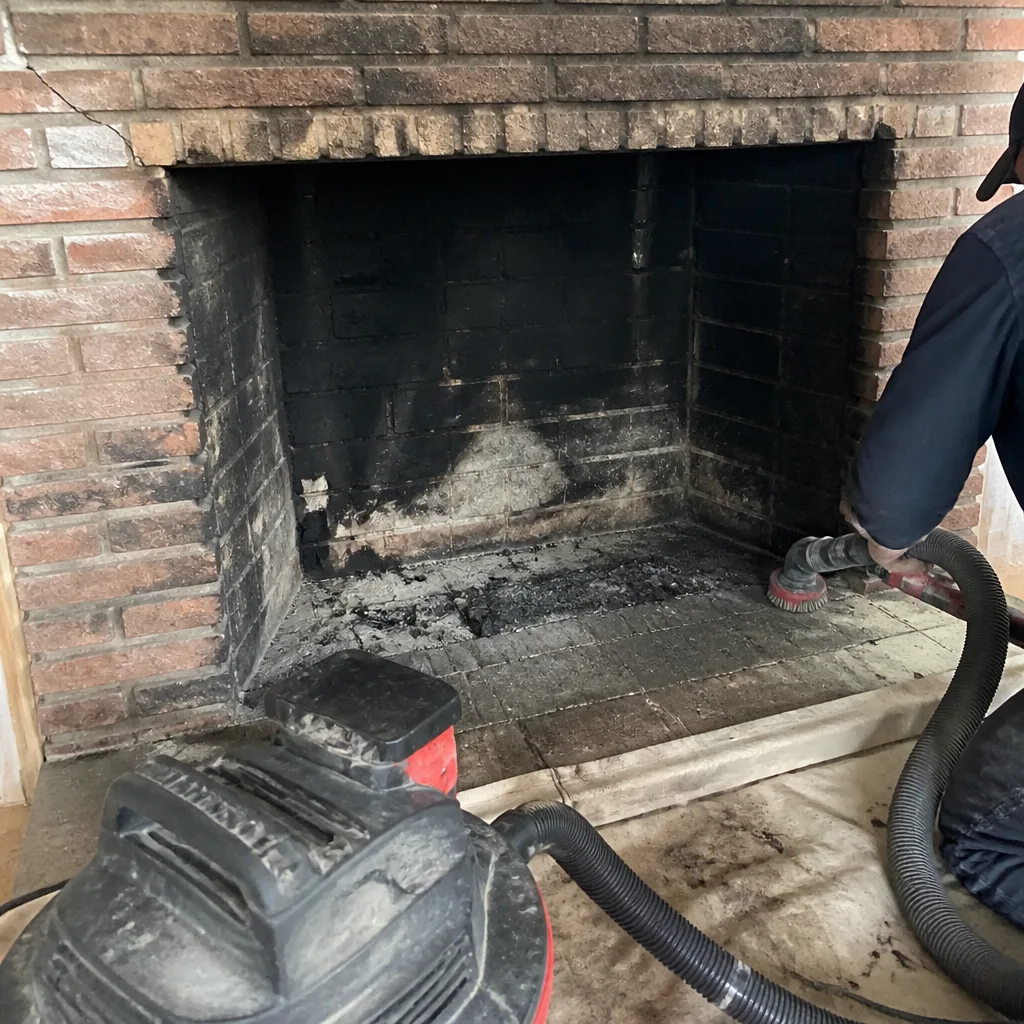 Before
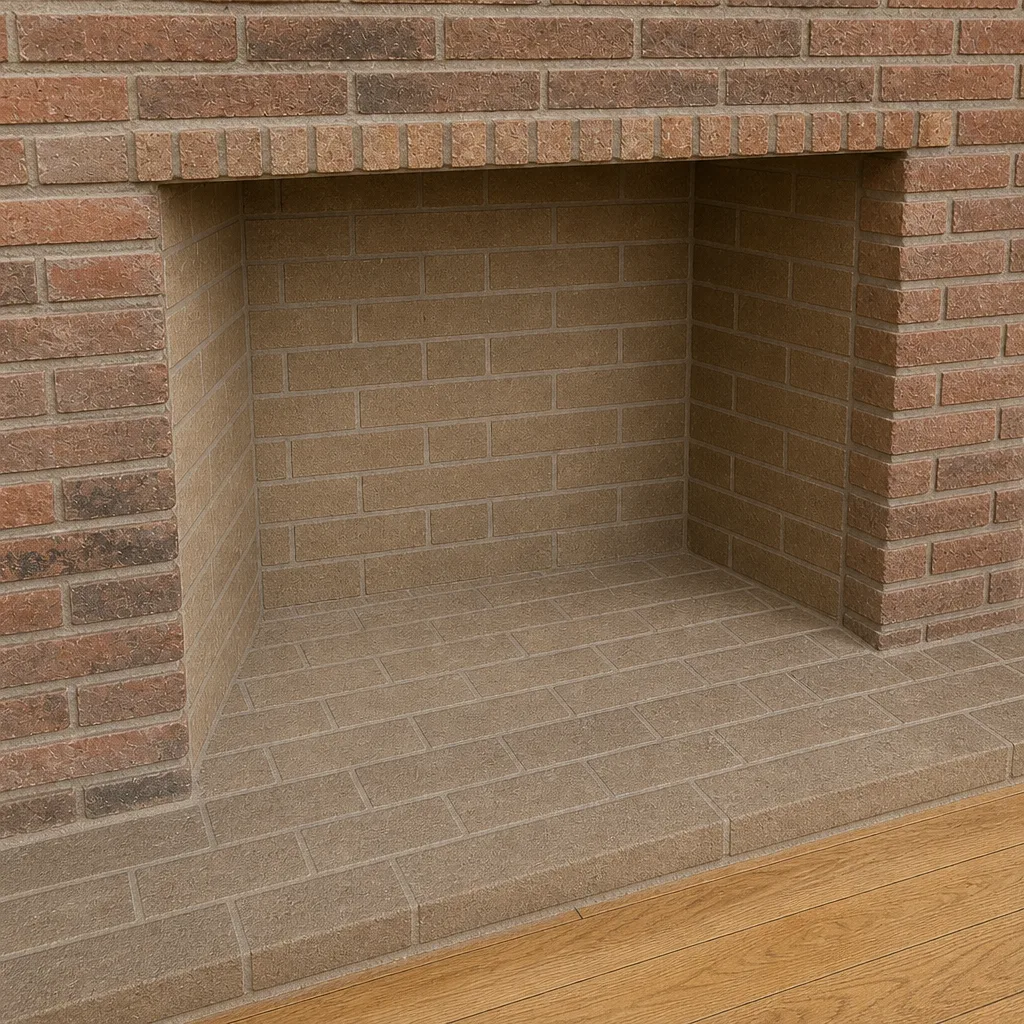 After
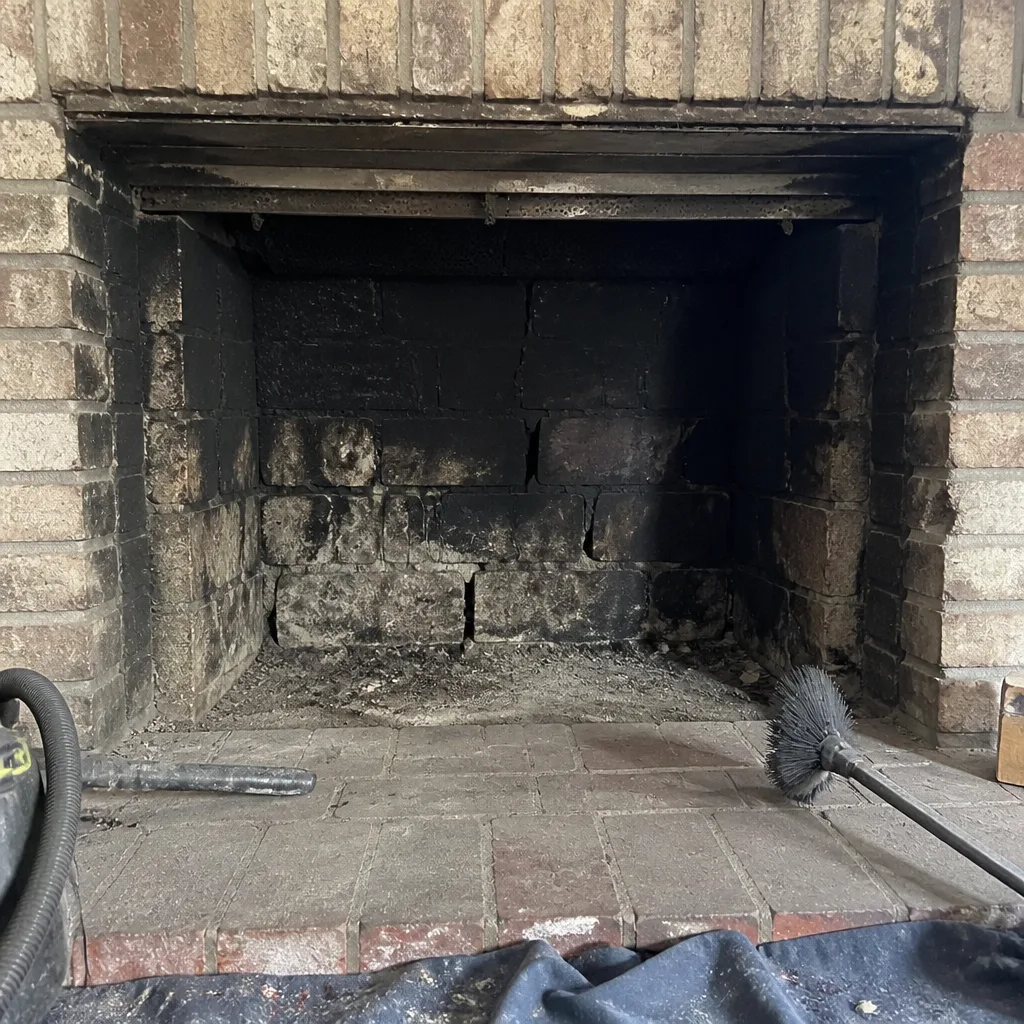 Before
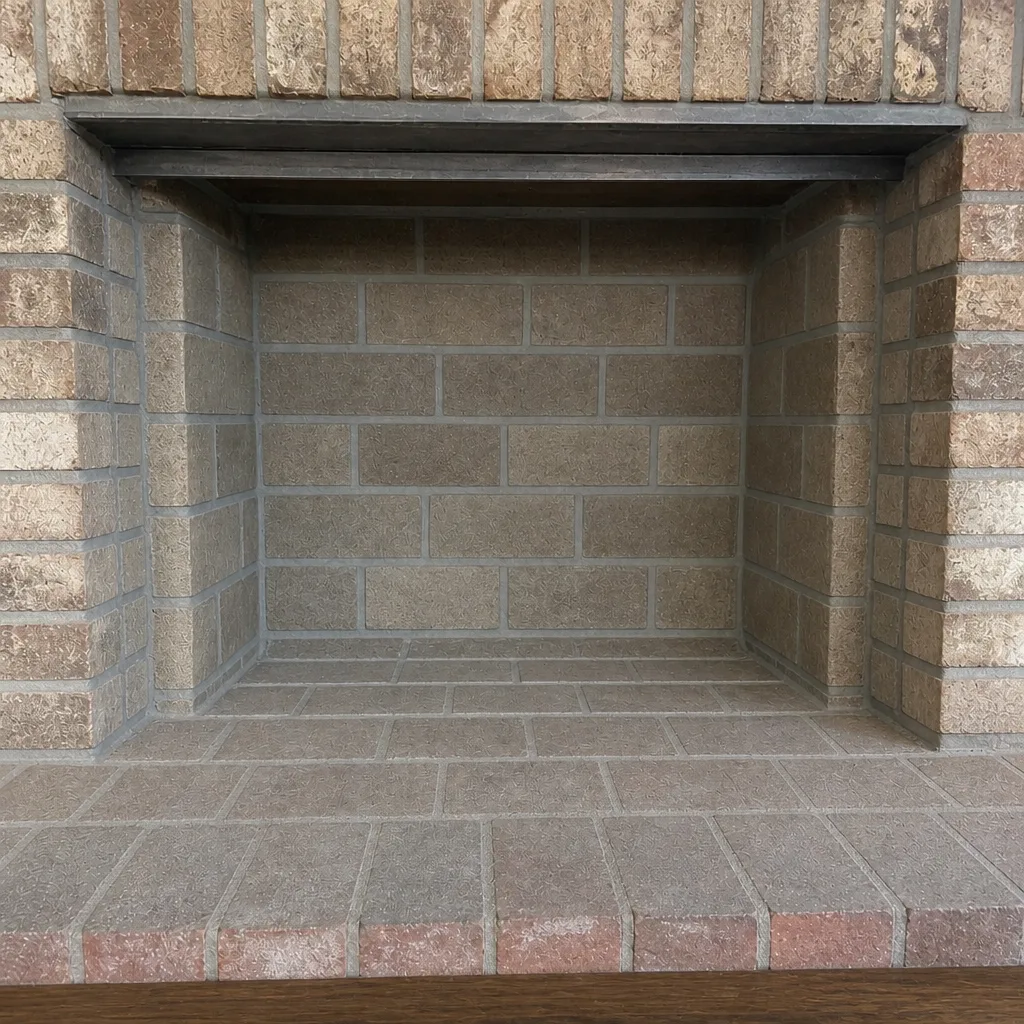 After
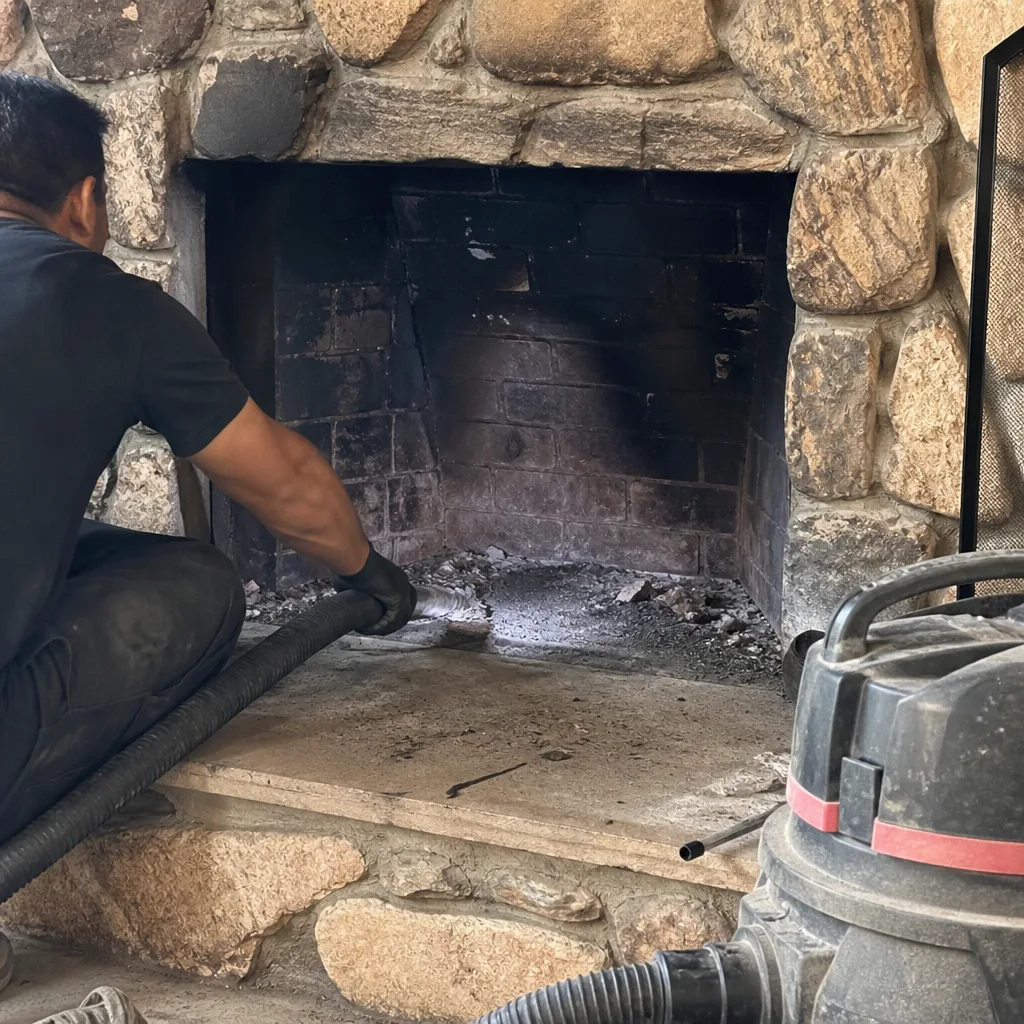 Before
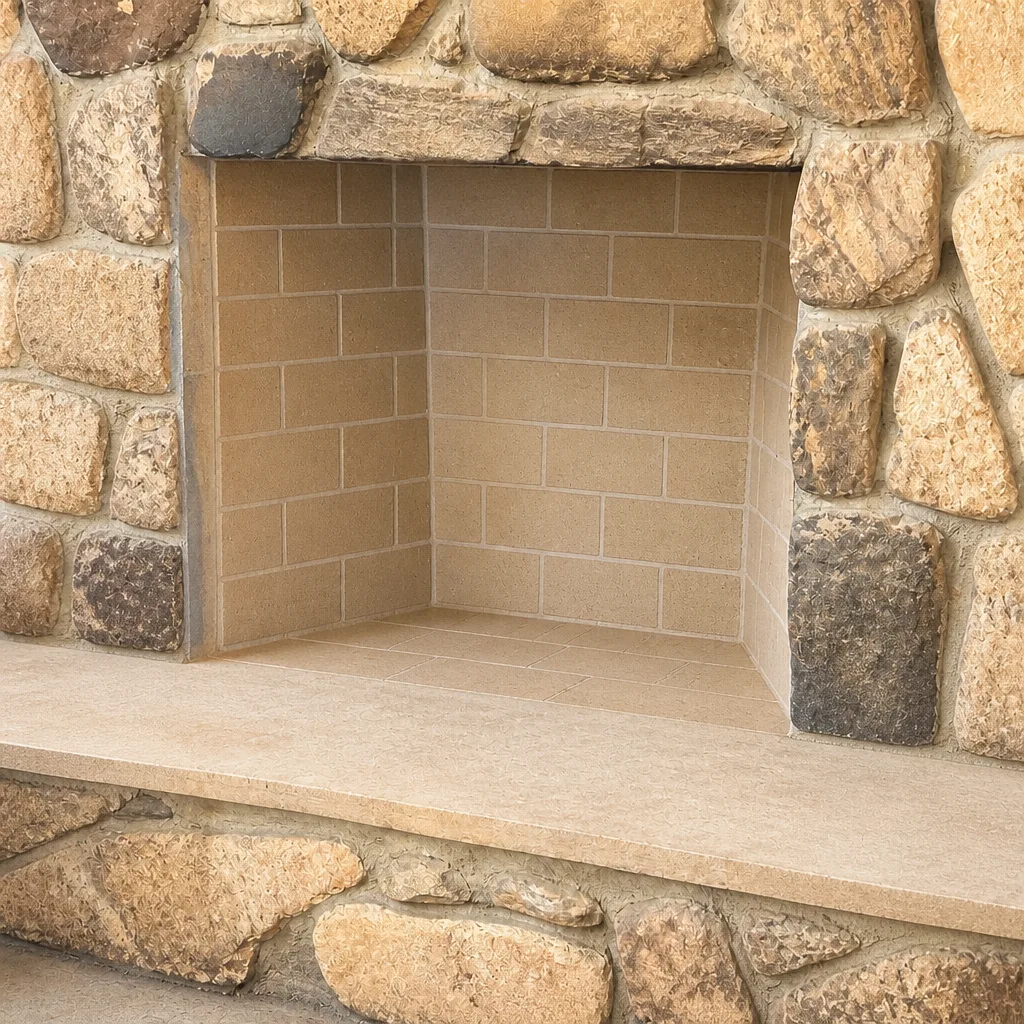 After
Common Mistakes to Avoid
- Assuming low use means no sweep. Placentia’s mild winters create exactly the burn pattern that produces glazed creosote fastest. Fewer fires doesn’t mean less risk – it can mean more.
- Skipping the smoke chamber. A flue brush that stops at the damper has cleaned a fraction of the actual deposit. The smoke chamber above it is where most of the flammable material collects.
- Ignoring the crown until the interior shows damage. A stucco crown cracks with sun and thermal cycling. By the time the stain reaches the ceiling, the repair is larger and costlier.
- Hiring a generalist for structural chimney work. A handyman can sweep a flue; a cracked liner, a HeatShield resurfacing, or a DuraFlex liner install requires trade-specific knowledge and materials.
- Accepting a repair recommendation without photos. Any technician who can’t show you the crack, the creosote, or the water damage hasn’t given you proof. Ask for the images.
- Burning unseasoned or “free” wood. Wet wood produces more smoke, more creosote, and less heat. Seasoned wood burns cleaner and keeps the flue hotter.
- Walking the tile roof yourself. Placentia’s Spanish tile roofs crack underfoot. A broken tile means a leak; a proper sweep calls for protective plank access from a trained technician.
Frequently Asked Questions
Once a year for any household that burns wood regularly, and more often if you notice smoke smell, poor draft, or you’re burning unseasoned wood. Because Placentia’s mild climate produces a low-burn, high-concentration creosote pattern, an annual inspection is the safer baseline than the common “every other year” advice. If it’s been more than two seasons, call (844) 625-6823 to book an assessment.
Prices depend on scope: the inspection level, the creosote stage, the roof type and access, and any repairs found. A routine sweep with a Level 1 inspection is usually the lowest scope; a Level 2 with camera access and a larger deposit takes longer and costs more. We don’t quote over the phone without seeing the chimney, but the estimate is free and the written estimate sets the final price. Call (844) 625-6823 for an exact quote.
Not always. A cracked or misaligned clay liner or a flue with Stage 3 glazed creosote may be restorable with HeatShield resurfacing instead of a full liner replacement. A liner is recommended only when the flue is structurally compromised in a way resurfacing can’t correct. Ask to see the photos before you decide.
Level 1 is the routine annual visual check. Level 2 adds access to the attic, crawlspace, and concealed portions of the flue, and it’s required after a chimney fire, a fuel conversion, a home sale, or a change in appliance. Most Placentia homes buying or converting a fireplace need the Level 2.
Deposits build, draft worsens, and glazed creosote can ignite. A blocked or cracked flue also becomes a carbon monoxide pathway into the home. Neither problem announces itself early. Call (844) 625-6823 if you can’t remember your last sweep.
Yes. A gas fireplace has its own cleaning and inspection scope – soot, blocked venting, and component wear rather than creosote. We assess both gas and wood-burning systems as part of our inspection work.
The Bottom Line
Chimney cleaning in Placentia is a system-level service, and the mild climate that makes fireplaces easy to own is the same one that quietly produces glazed creosote. A full cleaning covers the firebox, damper, smoke chamber, flue liner, and cap, backed by a Level 1 or Level 2 inspection and a written report with photographs. Watch the crown and the roof access, ask for evidence before any repair, and treat annual inspection as the rule rather than the exception. When the report says a repair is needed, we’ll show you why and tell you when it can wait. One call covers it: inspection, sweep, repair, and crown – no handoff, no guesswork.
Call (844) 625-6823 for a free estimate. We answer 24/7. Fast dispatch from 7am to 7pm, Sunday through Friday. We work with professional trade materials – DuraFlex, HeatShield, Olympia Chimney, Gelco, Famco, and Copperfield – because the products inside your chimney matter as much as the labor.
Written by the team at Chimney Sweep Placentia.