
Last updated November 25, 2026
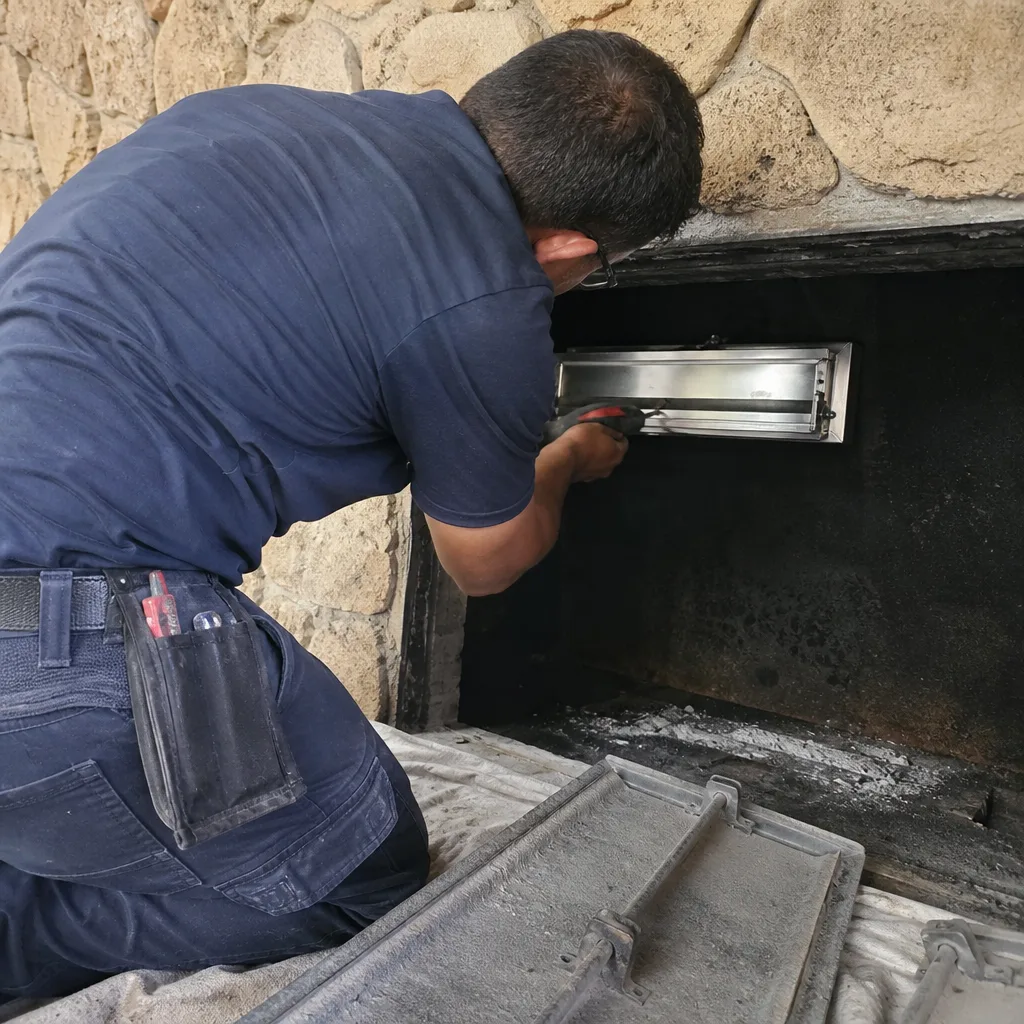
 Sweep & inspection
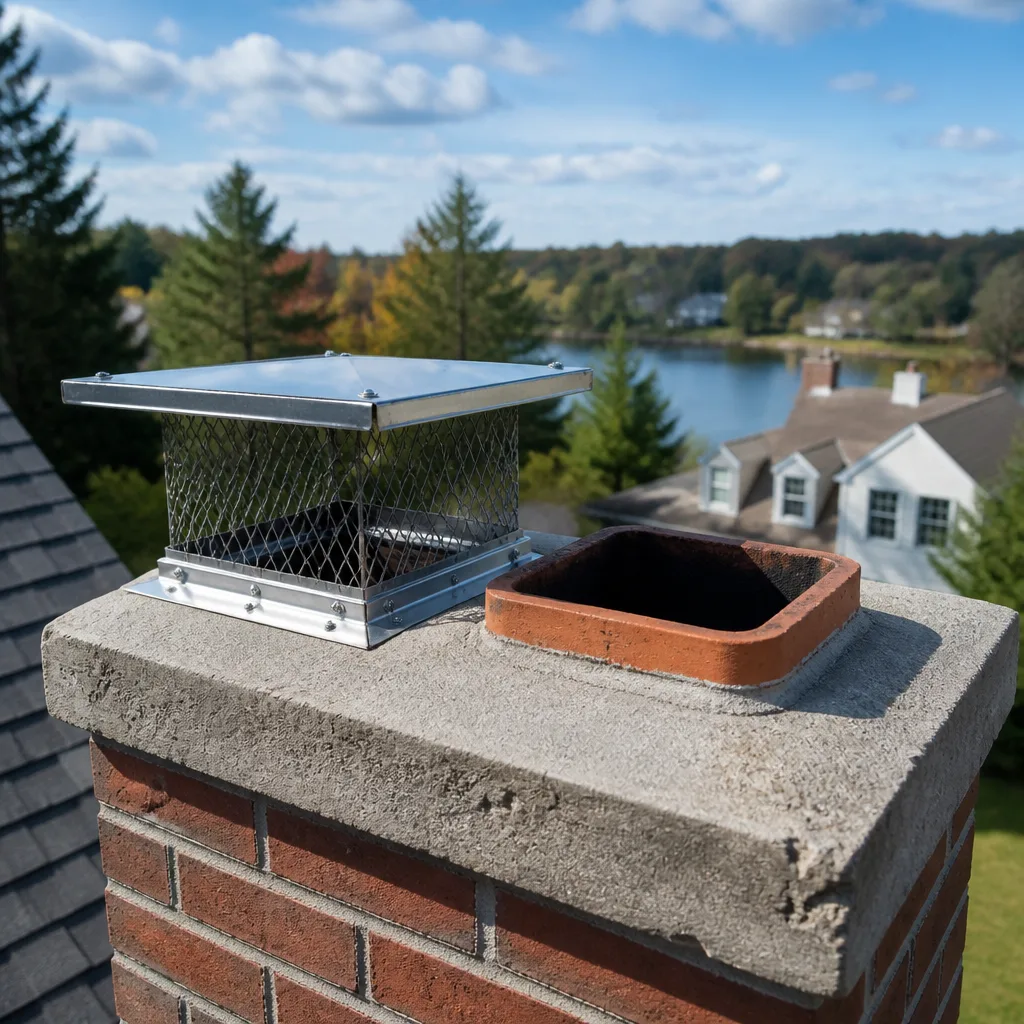
 Caps & crowns
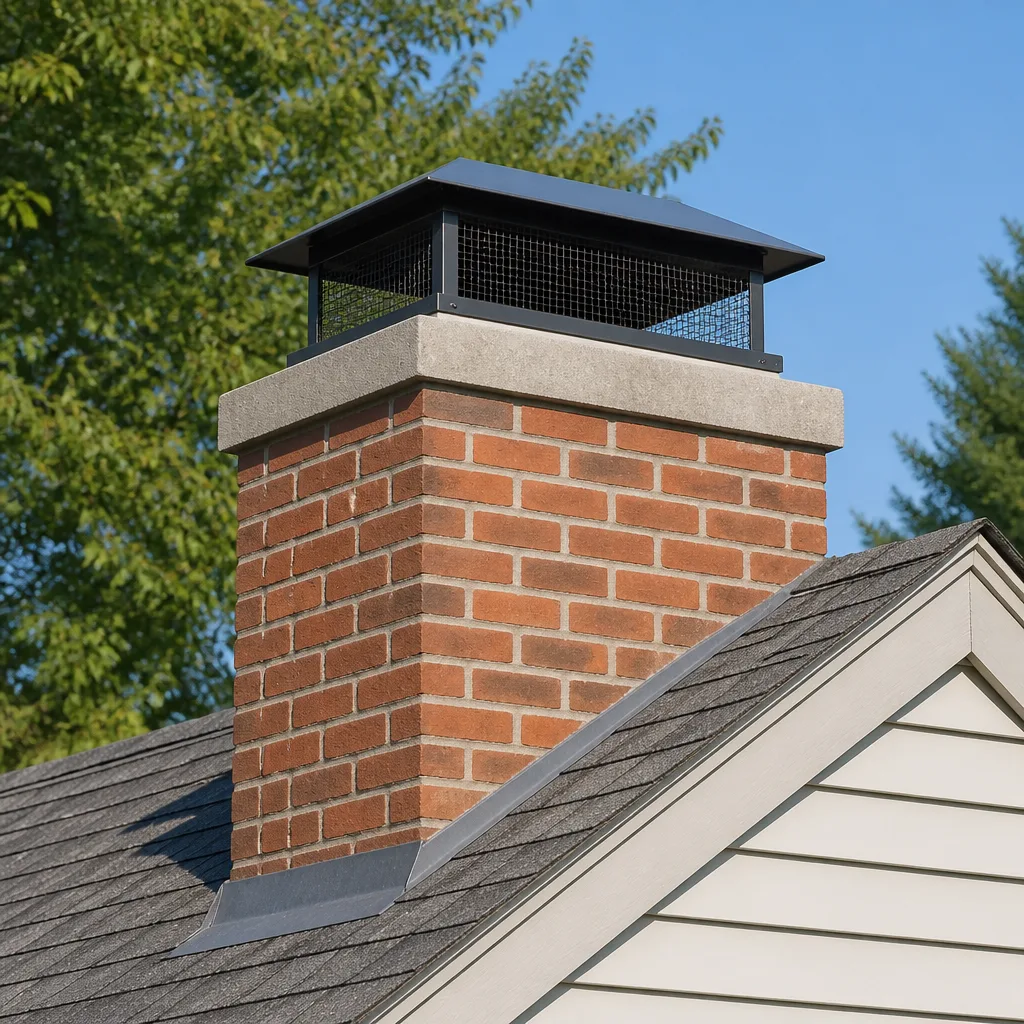
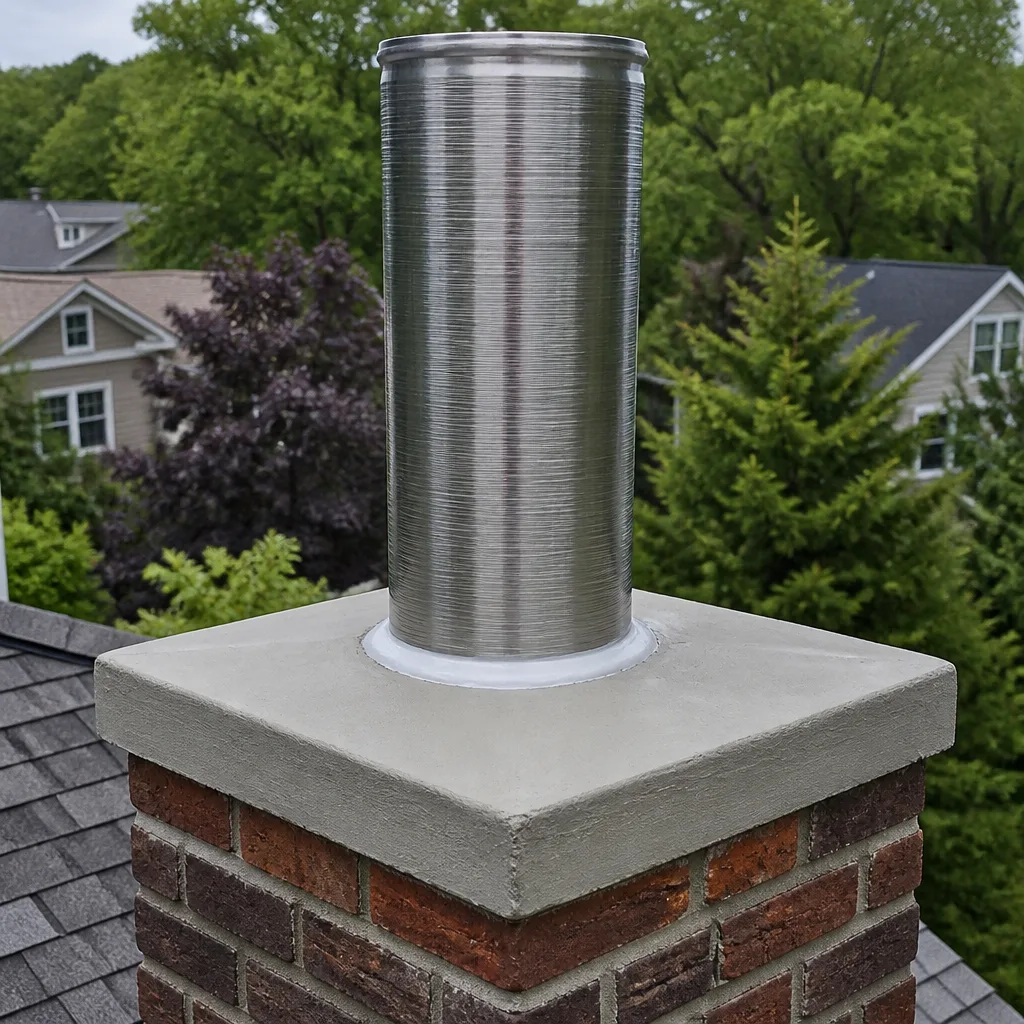 Flue relining
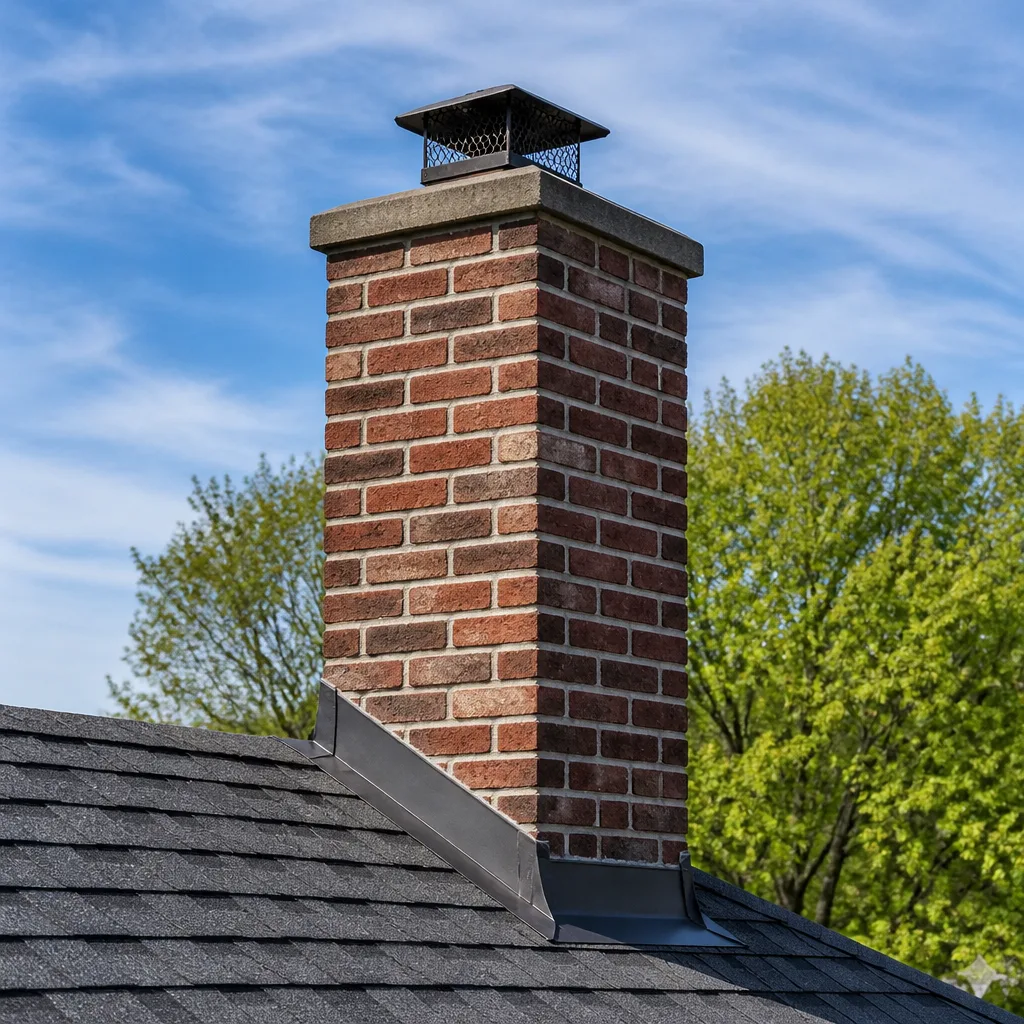 Masonry repair
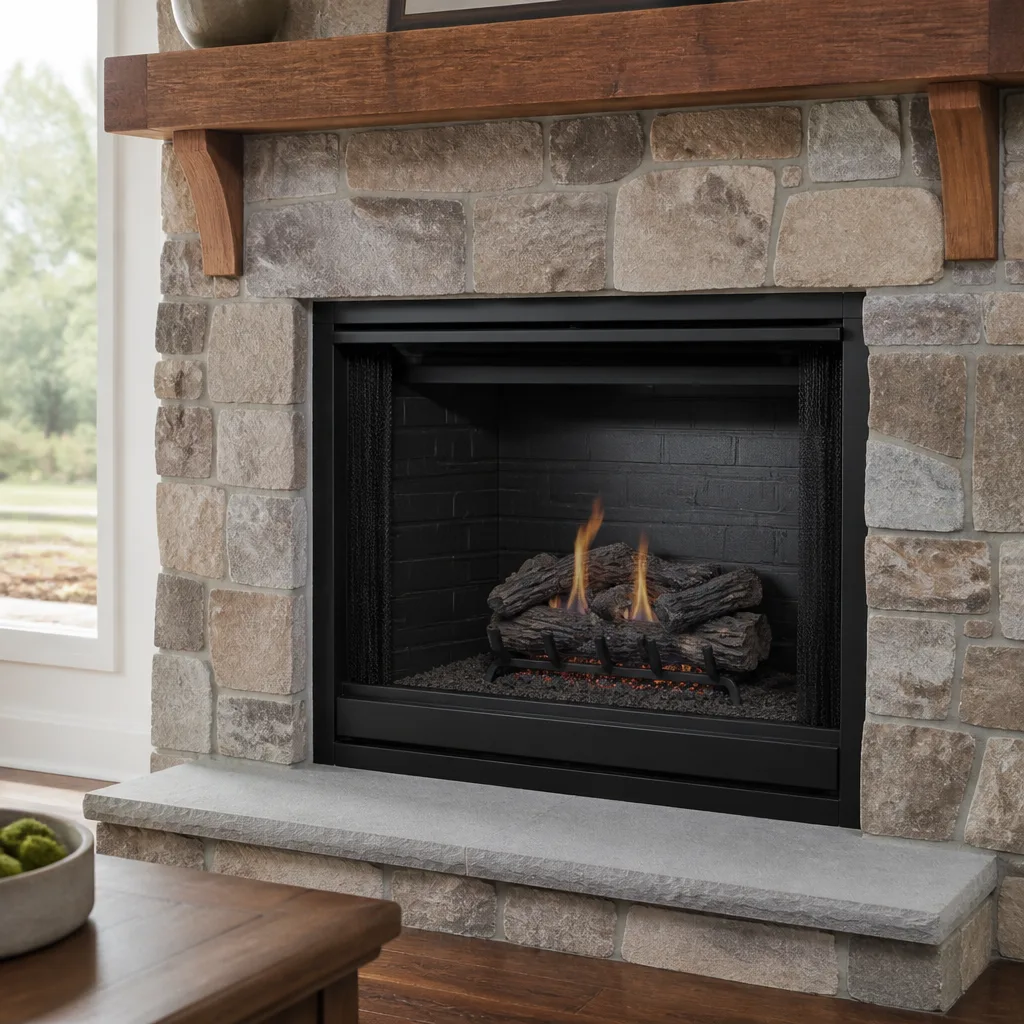 Gas fireplace service
Level 1 sweep and inspection to the NFPA 211 annual standard - flue, crown, cap, and flashing checked and photographed
Chimney sweep logs do not sweep chimneys. They loosen some creosote - which then falls where a brush and vacuum still have to collect it.
Chimney Cleaning Permits, Codes & Inspections in Placentia, CA: What You Need to Know
Most homeowner calls about chimney work start the same way: “Do I actually need a permit for this?” The honest, counterintuitive answer is that a routine cleaning almost never requires one, but nearly every structural repair does, and the line between the two is where homeowners get into trouble. A sweep that reveals a cracked liner turns a $200 cleaning into a permitted relining project, whether or not the contractor tells you so. This guide draws that line precisely for Placentia homeowners. You’ll learn which services trigger permits, how California building code and local jurisdiction rules apply, how NFPA 211 fits in, and what unpermitted work can mean for your insurance and your title.
Quick Answer
Routine chimney cleaning in Placentia does not require a permit, but any work that changes the structure or lining of the chimney (liner replacement, firebox rebuild, or gas insert installation) does require a building permit through the City of Placentia. NFPA 211 is the inspection standard most insurers and real estate transactions reference, and closing that permit properly matters as much as pulling it.
Styles & brands we work with
- Sweep & inspection
- Caps & crowns
- Flue relining
- Masonry repair
- Gas fireplace service
Table of Contents
- Cleaning vs. Repair: Where the Permit Line Is Drawn in Placentia
- Which Chimney Services Require a Permit in Placentia?
- NFPA 211 and California Residential Code: The Inspection Standard That Shows Up at Escrow
- What Unpermitted Chimney Work Means for Your Insurance and Title
- How to Verify a Contractor’s Permit in Placentia
- The Three Inspection Levels and When You Actually Need Each
- A Plausible Timeline: How a Permitted Repair Usually Goes
- Why Placentia’s Housing Stock Makes This Matter
Cleaning vs. Repair: Where the Permit Line Is Drawn in Placentia
A chimney sweep can clean your flue without a permit. That’s true almost everywhere, and Placentia is no exception. The distinction hinges on whether the work changes the chimney system’s structure, its lining, or its venting capacity. Cleaning removes creosote and soot from a system that stays structurally the same. Permits, on the other hand, govern changes to the built system that regulators want recorded.
Under the California Building Code, alterations, repairs, and replacements to a chimney’s structural components require a permit from the local building department. In Placentia, that means the City of Placentia’s building department issuing a permit before work begins. The threshold isn’t the difficulty of the job or the cost of the materials. It’s whether the work touches the structural or venting integrity of the chimney system.
Where this gets homeowner-relevant is the moment of discovery. A routine chimney sweep is how most people find out their liner has cracked. That discovery doesn’t trigger a permit on its own, but the relining that follows does. A technician at your home is required both to clean and to inspect the flue. What the inspection reveals determines whether you’re still in “clean” territory or stepping over into “permitted repair” territory.
Here in Placentia, the case we see most often is a fireplace that’s worked fine for years, until an inspection shows the flue tiles have spalled or the mortar joints have failed. That’s not a cleaning problem. It’s a permitted repair. Knowing the difference ahead of time protects you from two bad outcomes: paying for a repair that should have been permitted but wasn’t, or being sold a permit-requiring repair you didn’t actually need.
Which Chimney Services Require a Permit in Placentia?
Not every service we perform requires a permit. Here’s the honest breakdown of what triggers a permit in Placentia and what doesn’t.
Requires a permit:
- Liner replacement or relining. A flue liner is a structural component of the chimney system under California code. Replacing it, whether with a DuraFlex flexible liner or a cast-in-place HeatShield application, is permitted work.
- Firebox rebuild or firebox replacement. Rebuilding the firebox involves masonry construction or structural work that’s covered by permit requirements. This is true whether the firebox is brick or prefabricated.
- Gas insert installation or wood insert installation. Inserts change the venting configuration of the chimney system, and they generally require a permit plus inspection after installation.
- Crown replacement. When a crown replacement involves rebuilding the masonry crown foundation, the work falls into structural repair territory and typically requires a permit. A crown coating or reseal may be permitted or handled as maintenance depending on scope, so confirm with the building department.
- Structural chimney repair. Repointing that goes beyond cosmetic, rebuilding a chimney above the roofline, or addressing a leaning chimney are all structural repairs that need a permit.
Does not require a permit:
- Routine chimney sweeping.
- Level 1 chimney inspection.
- Chimney cap installation (as a maintenance item, a properly fitted cap does not require a permit in most cases; the crown does).
- Minor fireplace repair such as damper adjustment or a firebox face refresh.
If you’re unsure which category your project falls into, call the City of Placentia building department directly. Ask specifically whether “chimney liner replacement” or “firebox rebuild” triggers a permit for a single-family residential property. That answer governs. Nobody doing the work can override it.
NFPA 211 and California Residential Code: The Inspection Standard That Shows Up at Escrow
NFPA 211, the Standard for Chimneys, Fireplaces, Vents, and Solid Fuel-Burning Appliances, is the inspection standard most professionals use. California’s residential code references it during home sales and insurance evaluations. If you’ve ever wondered why a realtor or insurance adjuster asks for a “chimney inspection report,” NFPA 211 is what they mean.
The standard defines what a compliant chimney needs: sound flue lining, adequate clearance from combustibles, a proper cap, and a structurally intact crown. It also defines the three inspection levels that professionals perform. Those levels matter because they determine whether a repair recommendation is defensible in an insurance claim or a real estate transaction.
During a Placentia home sale, buyers often request a Level 2 inspection as part of the contingency period. A Level 2 inspection includes a video scan of the flue interior, checking for cracks, gaps, and obstructions a visual inspection from the firebox can’t see. If the Level 2 reveals a deteriorated liner, that finding usually gets negotiated as a repair credit. The seller’s options are limited: either perform the repair with a permit and close it, or discount the price to let the buyer handle it.
This is where we see the biggest disconnect. A homeowner who’s been told “your chimney looks fine” by a sweep that only performed a Level 1 inspection may not have a problem at the time. But a buyer’s Level 2 can reveal issues the Level 1 didn’t reach. That’s not the sweep being wrong: it’s that the two inspections answer different questions. When a chimney inspection report is going to be used in a transaction, level matters.
What Unpermitted Chimney Work Means for Your Insurance and Title
Unpermitted chimney work can create problems that surface years later, at the worst possible times: during a claim, or during a sale.
Insurance implications: Most homeowner policies require that any structural modifications to a home be done with proper permits and inspections. If a fire or carbon monoxide event traces back to a liner that was replaced without a permit, the insurer can argue the work wasn’t compliant and challenge or deny the claim. This isn’t automatic, and not every policy is written the same way, so read your policy language carefully. But the risk is real. Additionally, an insurer reviewing a chimney claim may require documentation of the most recent permitted repair and inspection.
Title and escrow implications: Unpermitted work discovered during a home inspection in Placentia typically results in one of three outcomes. The buyer may request the work be permitted retroactively (which requires the current owner to pull a permit and pass inspection), the transaction may be renegotiated, or the sale may fall through. This ties directly into what “disclosure” means in California real estate: sellers are required to disclose known unpermitted work.
A permit retroactively pulled after the fact is called an “after-the-fact permit” or “as-built permit.” These are obtainable, but they require opening walls or exposing the work for inspection, which is often more expensive than getting the permit in the first place. The cleaner path is to require permits up front, before work begins, and to ask for the final inspection documentation when the project closes.
How to Verify a Contractor’s Permit in Placentia
Asking for permit documentation is a reasonable thing to do. In fact, it’s the single most effective step a homeowner can take to protect themselves. Here’s the sequence that matters.
- Ask for the permit number before work begins. The contractor should be able to provide the City of Placentia permit number for your address. If they can’t, the work may not have been permitted.
- Verify the permit with the city directly. Call the Placentia building department and give them the permit number. Ask whether the permit is open and whether the scope matches the work you’re having done. A permit pulled for a water heater is not a permit for a chimney liner replacement.
- Ask who is the permit “applicant of record.” Ideally, the permit is pulled under the contractor’s name, not yours. This matters because if the contractor fails to complete the work or the work fails inspection, the permit holder bears the responsibility.
- After work is complete, request the final inspection sign-off. A permit that’s never closed is worse than no permit at all, because the city still considers the work “open.” Ask the contractor for a copy of the inspection record showing final approval.
- Keep the closing documentation with your home records. When you sell, this documentation is exactly what a buyer’s inspector and your insurance company will want to see.
If a contractor hesitates to pull a permit or pressures you to skip it “because it’s not needed for this type of work,” treat that as a signal to ask more questions. There may be a legitimate reason (e.g., scope creep made the work smaller than originally planned), but the reason should be verifiable with the city, not just with the contractor. Choosing a contractor with a track record of permitted work is one of the factors covered in our guide to finding a qualified chimney repair professional.
The Three Inspection Levels and When You Actually Need Each
NFPA 211 defines three levels of inspection. The right level depends on what’s happening with the chimney and why you need the inspection performed.
Level 1 inspection: A visual inspection of readily accessible portions of the chimney system, performed during routine service. Every chimney sweep should include a Level 1 inspection as part of a routine visit. It’s the baseline check for creosote accumulation, visible damage, and obvious obstructions.
Level 2 inspection: A more thorough inspection performed with a video camera and other tools, checking all accessible portions of the chimney system including the flue interior. Level 2 is required when there’s a change in the system’s operating conditions (like a new appliance), a transfer of property, or an event that could have caused damage (chimney fire, earthquake). This is the inspection used in home sales and insurance evaluations.
Level 3 inspection: An extended inspection that requires access to concealed areas, sometimes involving removing portions of the chimney structure. Level 3 is warranted when a Level 2 inspection identifies a serious hazard or when a hidden problem is suspected. It’s the deepest and most invasive level.
For most Placentia homeowners, Level 1 happens during routine cleaning and Level 2 happens at escrow or after a chimney fire. Level 3 is rare but occasionally needed. If you’re not sure which level you need, the specific event driving the inspection usually provides the answer. A home sale or a recent chimney fire: Level 2. Concern about a sound from the flue you can’t explain: ask; a camera inspection usually settles the question without exposing the structure. When a Level 2 inspection reveals problems inside the fireplace itself, the repairs often fall into our fireplace repair scope.
A Plausible Timeline: How a Permitted Repair Usually Goes
Homeowners often want to know how long a permitted chimney repair takes from start to finish. Here’s the general sequence, with the caveats that Placentia building department scheduling and individual project complexity will affect timing.
- Inspection and diagnosis. A Level 1 or Level 2 inspection identifies what needs to be repaired. Most repairs start with a diagnostic visit.
- Written estimate and scope. You receive a written scope of work that specifies whether a permit will be pulled, who will pull it, and what the scope covers. A written estimate sets the final price.
- Permit application and issuance. The contractor applies to the City of Placentia for the permit. The city reviews and issues. This step varies in length depending on the project type and the city’s review schedule.
- Work performed. After the permit is issued, the repair work is scheduled and performed. Coverage varies by scope: a liner replacement and a full firebox rebuild are different timelines.
- Inspection. The city building inspector visits the property to verify the work matches the permit scope and meets the code requirements. Additional inspections may be required for multi-stage work.
- Final sign-off and documentation. The city closes the permit, and you receive documentation. Keep this with your home records.
Where this can go sideways: if the permit application is filed after the work is completed, the process typically involves opening walls or exposing the work for inspection. That’s almost always more expensive than pulling the permit first. As a general rule: pull first, work second.
Why Placentia’s Housing Stock Makes This Matter
Placentia has a mix of housing ages, and older homes in areas like the neighborhoods near the Placentia Civic Center and along the older residential blocks tend to have masonry chimneys built under older code provisions. When those chimneys need a liner replacement, the work isn’t just “swap the liner.” It often means meeting current code requirements for clearances and structural soundness that didn’t exist when the chimney was originally built.
That’s where a repair that meets current California code differs from a repair that meets the code in force when the house was built. Homeowners who assume “my chimney already worked, so the repair should be easy” sometimes get surprised when the scope of the repair has to widen to meet current requirements. That’s not the contractor upselling: it’s the current code requiring what the older chimney didn’t need.
The climate here also plays a role in what gets found during inspection. Placentia’s long dry season followed by wet winters means chimney exteriors and crowns take seasonal moisture cycling, and the tops of many older chimneys show the wear that comes with it. Water intrusion at the crown and cap is the most common call we get about chimney maintenance in Placentia beyond routine cleaning. When that intrusion has reached the flue interior, that’s when the permit question comes out. Wear on the crown is a structure issue. Wear on the flue is a lining issue. Both matter for how the repair is scoped and permitted.
Our technicians have up to 10 years of experience working in Placentia and nearby Orange County neighborhoods like Atwood and the areas around Tri-City Park. Our job is to explain what we find before we quote what it costs, and to tell you plainly when a repair needs a permit and when it doesn’t. We work with professional trade materials like DuraFlex flexible liners and HeatShield cast-in-place resurfacing because the products inside your chimney matter as much as the labor, and because the material affects how the repair meets code during inspection.
Common Mistakes to Avoid
- Assuming “no permit needed” applies to everything. It applies to cleaning. It does not apply to liner replacement, firebox rebuild, or insert installation. Ask the specific question: “Does this exact repair need a permit in Placentia?”
- Letting a contractor talk you out of a permit. A legitimate reason to skip a permit may exist. But if the reason can’t be verified with the City of Placentia building department, treat it as a red flag rather than reassurance.
- Treating a permit as “just paperwork.” A permit plus inspection is the verification step. Skipping it means the work isn’t verified by a third party, which matters if you ever claim insurance or sell the home.
- Forgetting to get the final inspection closed. An open permit is not a completed permit. Ask for the closing documentation and keep it with your home records.
- Pulling the permit under your own name when a contractor is doing the work. This shifts the verification burden to you, and if the work isn’t completed to the inspector’s satisfaction, you’re holding the permit and the responsibility.
- Skipping the Level 2 inspection before a home sale. A Level 1 inspection on a home sale won’t satisfy a buyer’s inspector or insurer if they ask for a Level 2. Better to have the right level done before escrow begins.
- Assuming an unpermitted repair will never be found. Placentia’s permit records are visible to buyers’ inspectors, insurers, and the city. The repair may not be a problem until the day it becomes one, and that day tends to be expensive.
See the difference
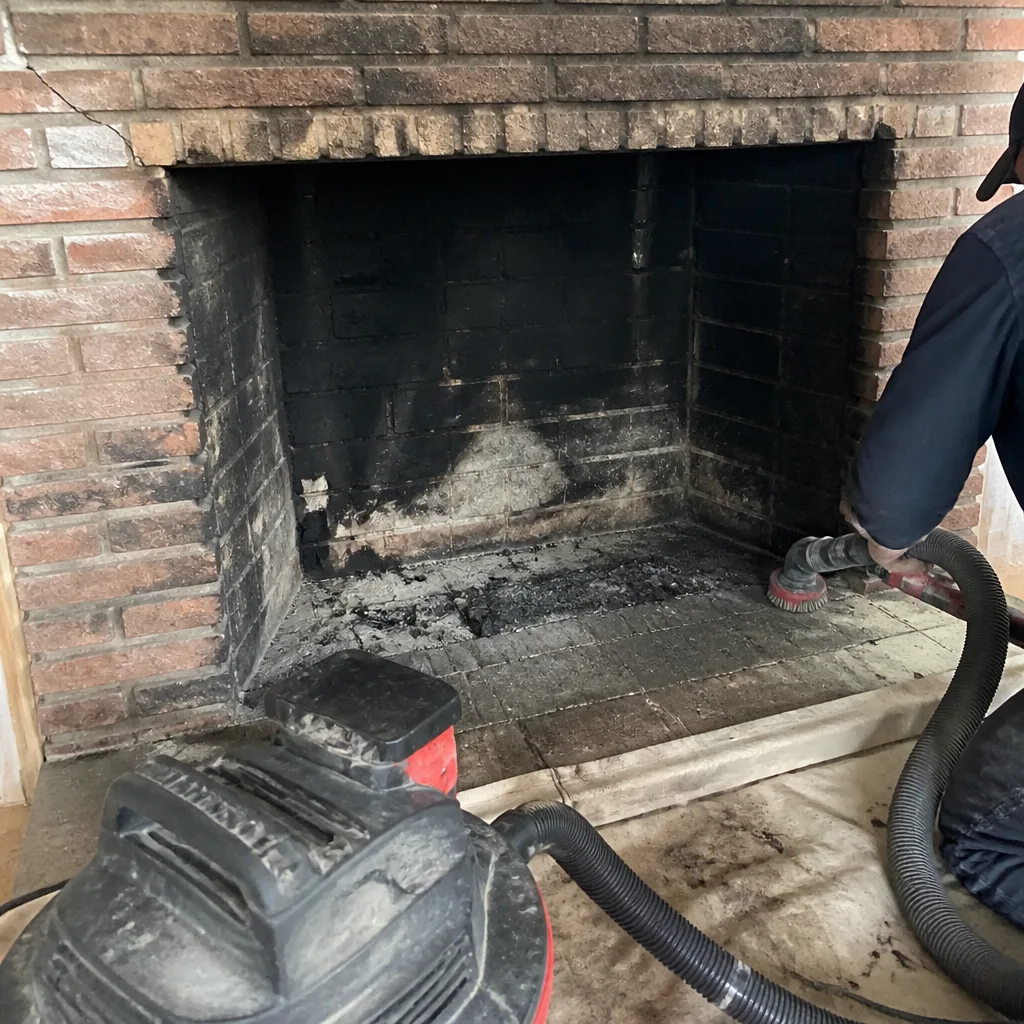 Before
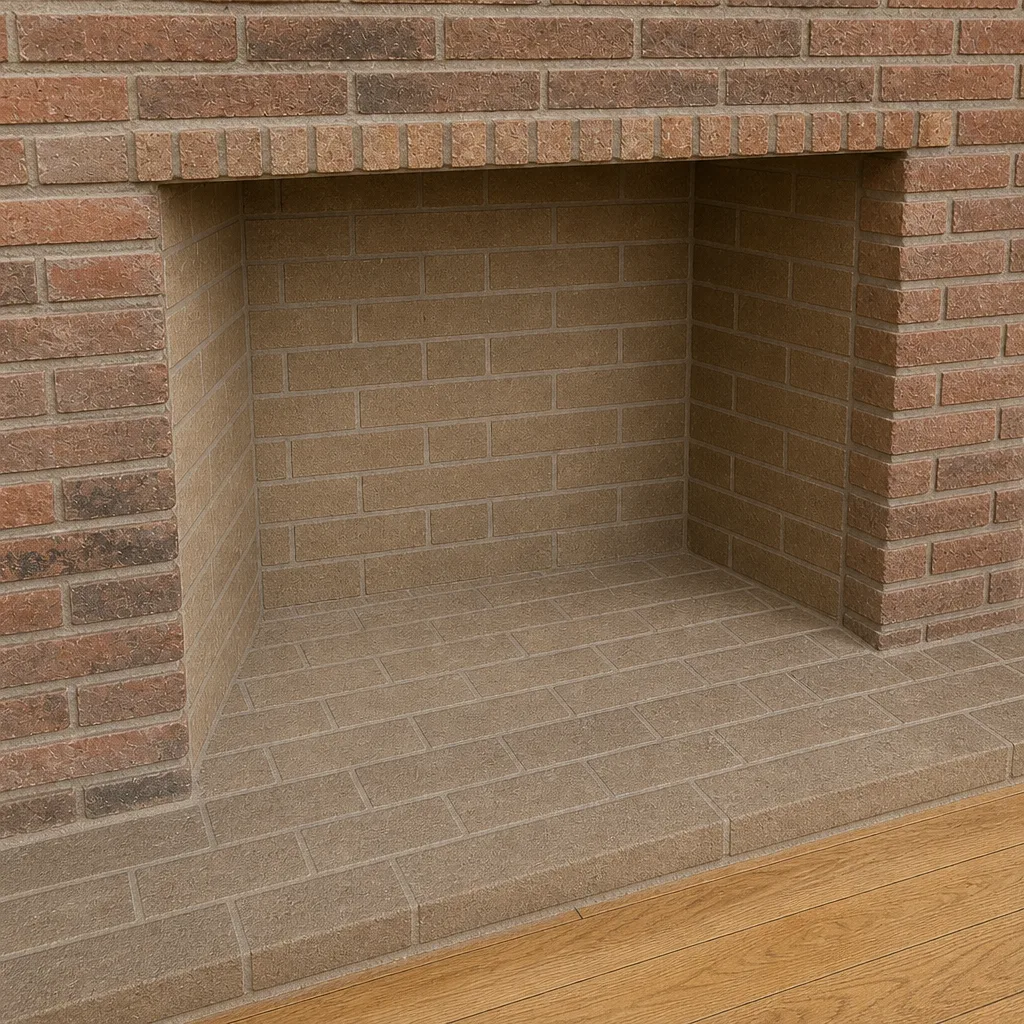 After
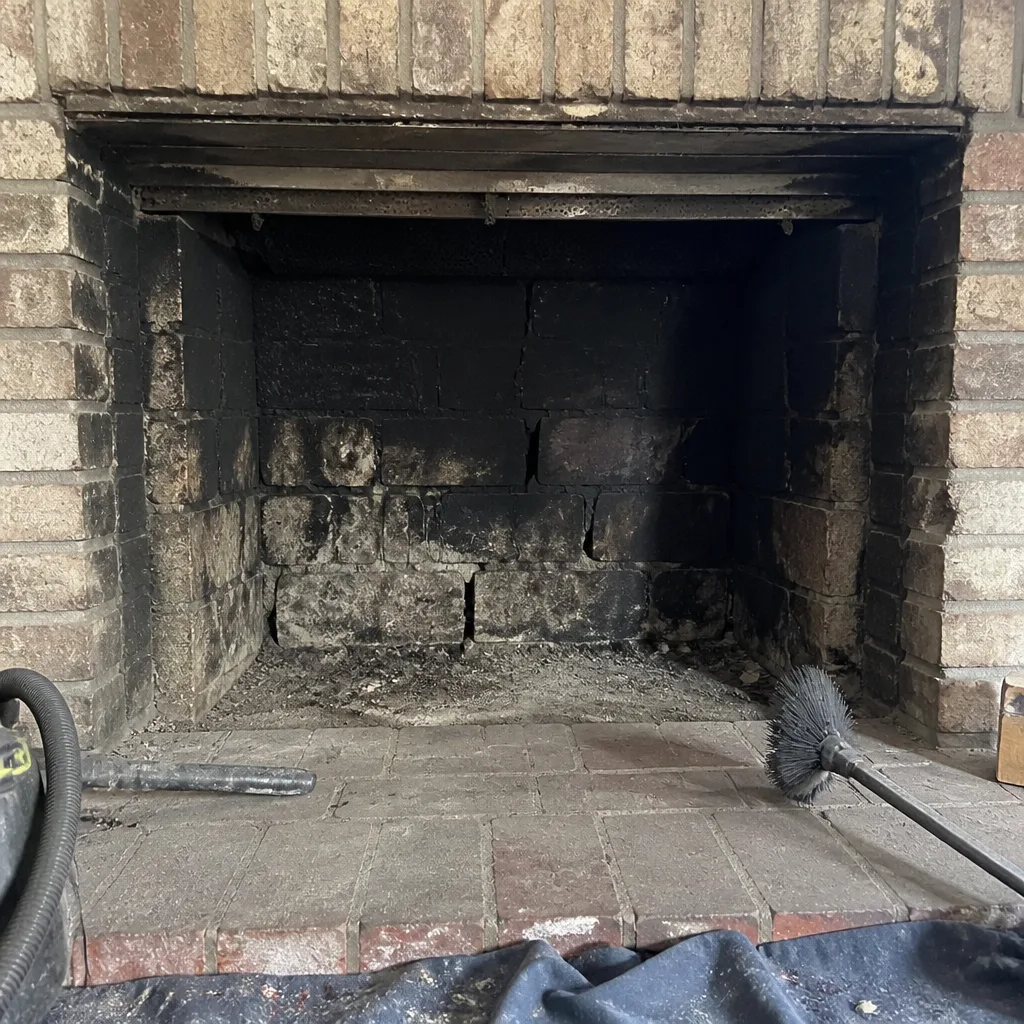 Before
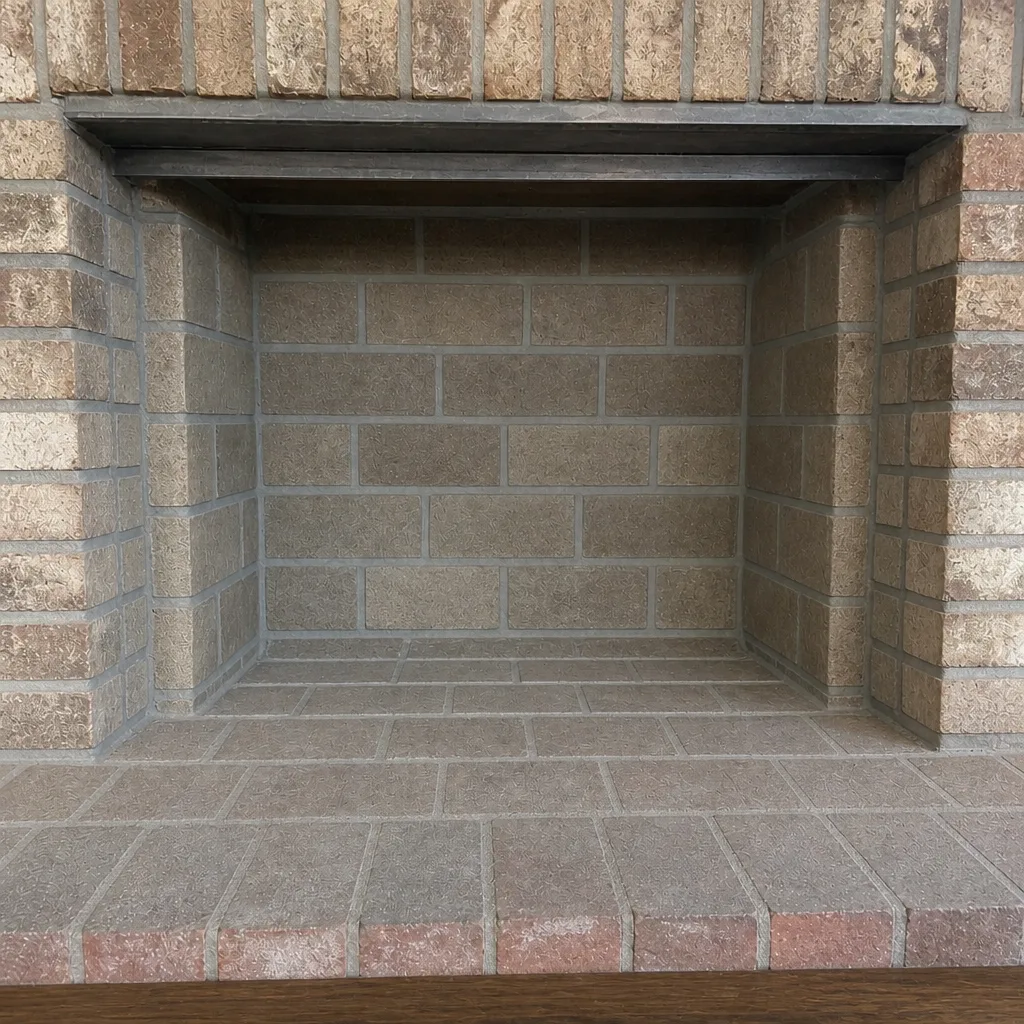 After
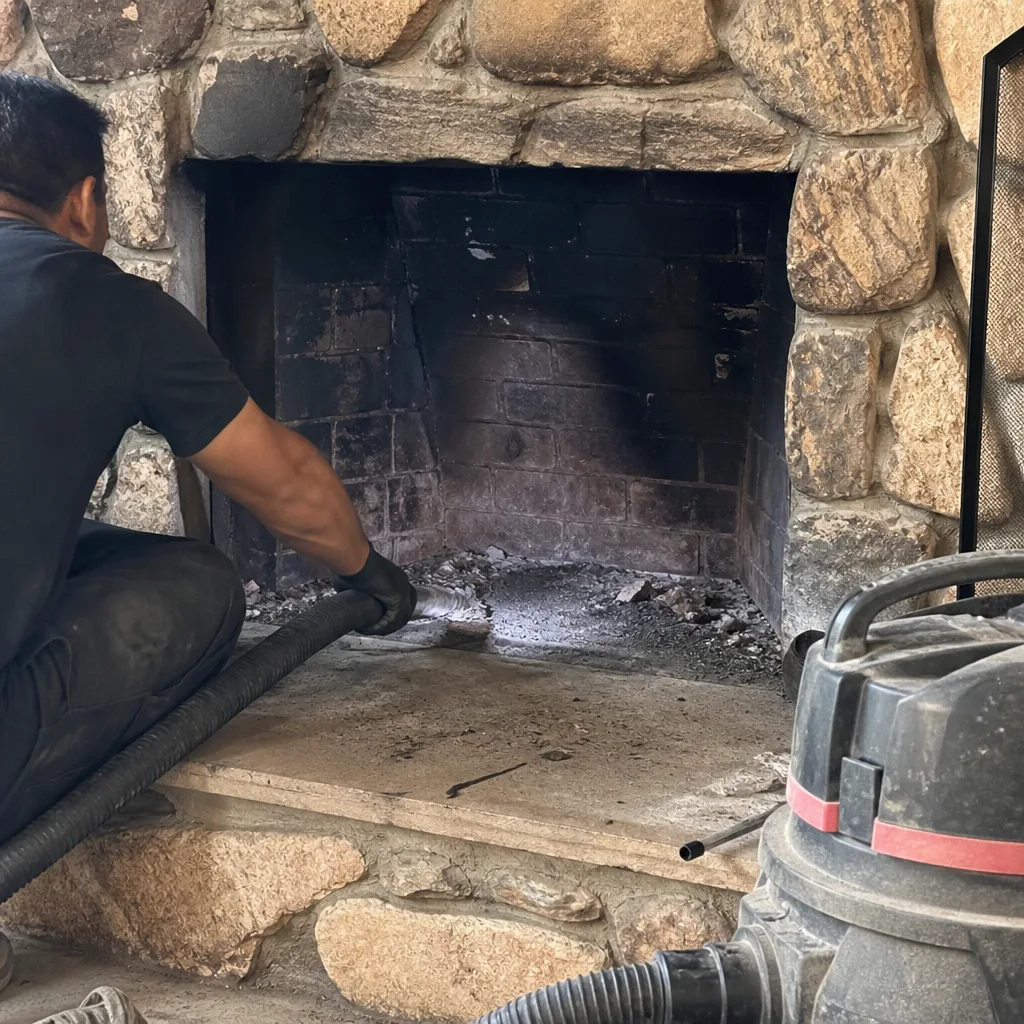 Before
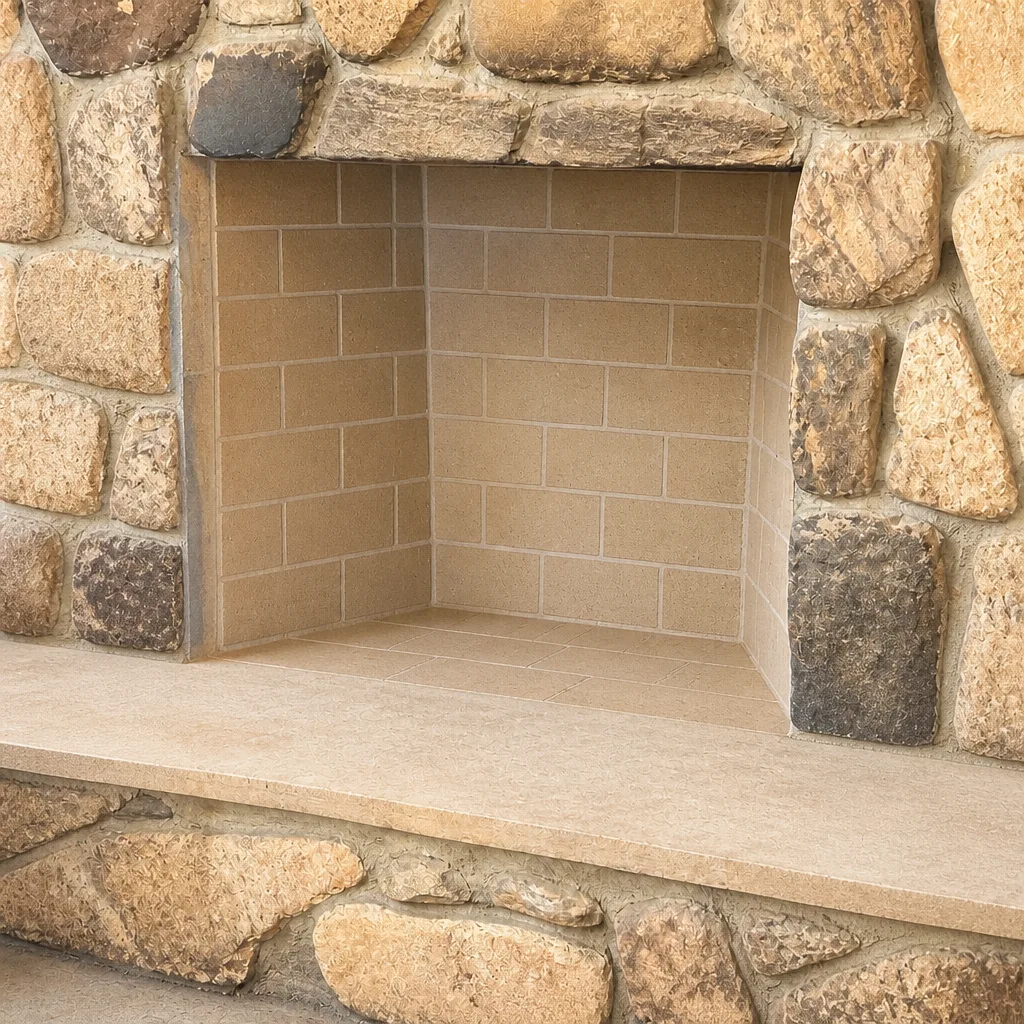 After
When to Call a Professional
Call a professional when you’re not sure whether your project crosses the permit line, when an inspection has revealed damage, or when a home sale is on the horizon and you need a Level 2 inspection. Call when you’ve got a contractor telling you a permit isn’t needed but you’re not sure why. Call after a chimney fire, a house sale, or before winter, so the inspection happens when the weather is mild and the schedule is open. Chimney Sweep Placentia offers free estimates in Placentia. Call (844) 625-6823 to schedule. We answer 24/7. Fast dispatch from 7am to 7pm, Sunday through Friday. Our technicians have up to 10 years of experience, and our written estimates set the final price on every repair.
Frequently Asked Questions
No. Routine chimney cleaning does not require a permit in Placentia. Cleaning removes creosote from the existing flue without altering its structure. If the sweep reveals damage that requires a liner replacement or other structural repair, that repair portion does require a permit from the City of Placentia. Call (844) 625-6823 for an exact quote on a cleaning, and we’ll explain what the inspection finds.
A cleaning removes soot and creosote. An inspection evaluates the chimney system’s condition, including the flue interior, and identifies whether any repairs are needed. Every cleaning should include at least a Level 1 inspection. A Level 2 inspection is required for home sales, insurance claims, and after chimney fires. Our inspections include a camera scan where warranted, so you can see what we see.
Liner replacement, firebox rebuild or replacement, gas or wood insert installation, crown replacement that involves rebuilding the masonry foundation, and structural chimney repair all require a permit. Cleaning, Level 1 inspection, cap installation as a maintenance item, and minor fireplace repair typically do not. When in doubt, confirm with the City of Placentia building department for your specific address and scope of work. Call us at (844) 625-6823 and we’ll walk you through what your project type typically involves.
If a fire or carbon monoxide incident traces back to unpermitted work, an insurance company may challenge or deny coverage since the work wasn’t inspected and permitted. During a home sale, unpermitted work typically surfaces in the buyer’s inspection and can result in renegotiation or failed escrow. A permit is essentially a third-party verification step; skipping it means there’s no verification record. Call (844) 625-6823 for a free estimate on permitted work.
Ask the contractor for the permit number before work begins, then call the City of Placentia building department and verify it’s open and covers the scope of work. After work is complete, request the final inspection sign-off documentation. Never accept a verbal “we’ll handle the permit” without a permit number you can verify. This is standard protection, not an unreasonable ask.
It can. California requires sellers to disclose known unpermitted work during a sale. If unpermitted chimney work is discovered during a home inspection, buyers may request renegotiation, retroactive permitting, or walk away, all of which affect the transaction. The cleanest way to avoid this is having all structural work permitted and inspected with documentation kept with your home records. If you’re unsure about your current chimney’s status, call (844) 625-6823 for a free estimate and inspection.
The Bottom Line
Cleaning your chimney doesn’t require a permit. Almost anything that changes the structure, lining, or venting of the chimney does. That’s the line, and it’s clean: cleaning vs. structural repair. In Placentia, structural repairs require a permit from the City of Placentia, and the final inspection sign-off matters as much as the permit itself. NFPA 211 defines the inspection levels your insurer and a home buyer will reference, and Level 2 is what governs escrow and after a chimney fire. Unpermitted work can create insurance gaps and escrow problems years later, and retroactive permitting is usually more expensive than getting it right the first time. If you’re not sure which side of the line your project falls on, or if you want a chimney inspection that tells you plainly, call us. Call (844) 625-6823 to schedule a free estimate. We answer 24/7. Fast dispatch from 7am to 7pm, Sunday through Friday.
Written by the team at Chimney Sweep Placentia.