
Last updated November 25, 2026
 Sweep & inspection
 Caps & crowns
 Flue relining
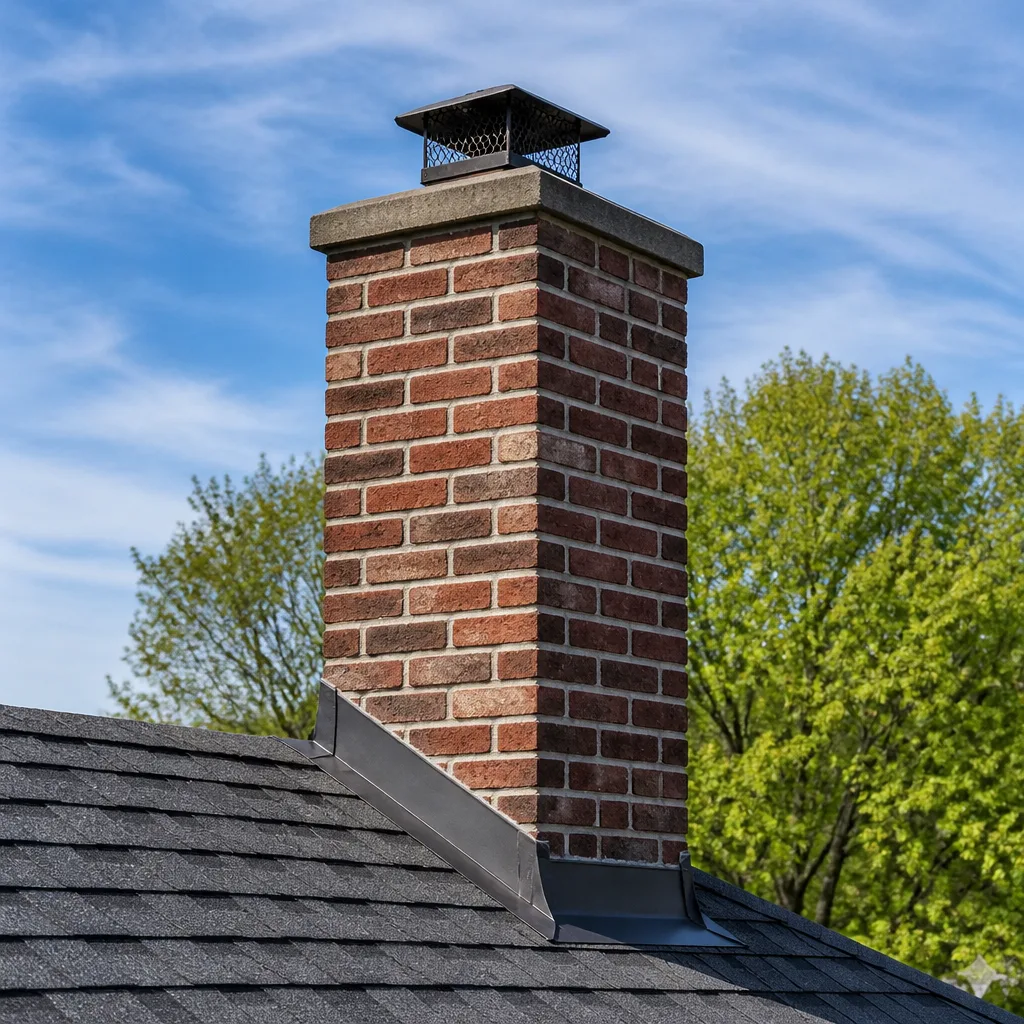 Masonry repair
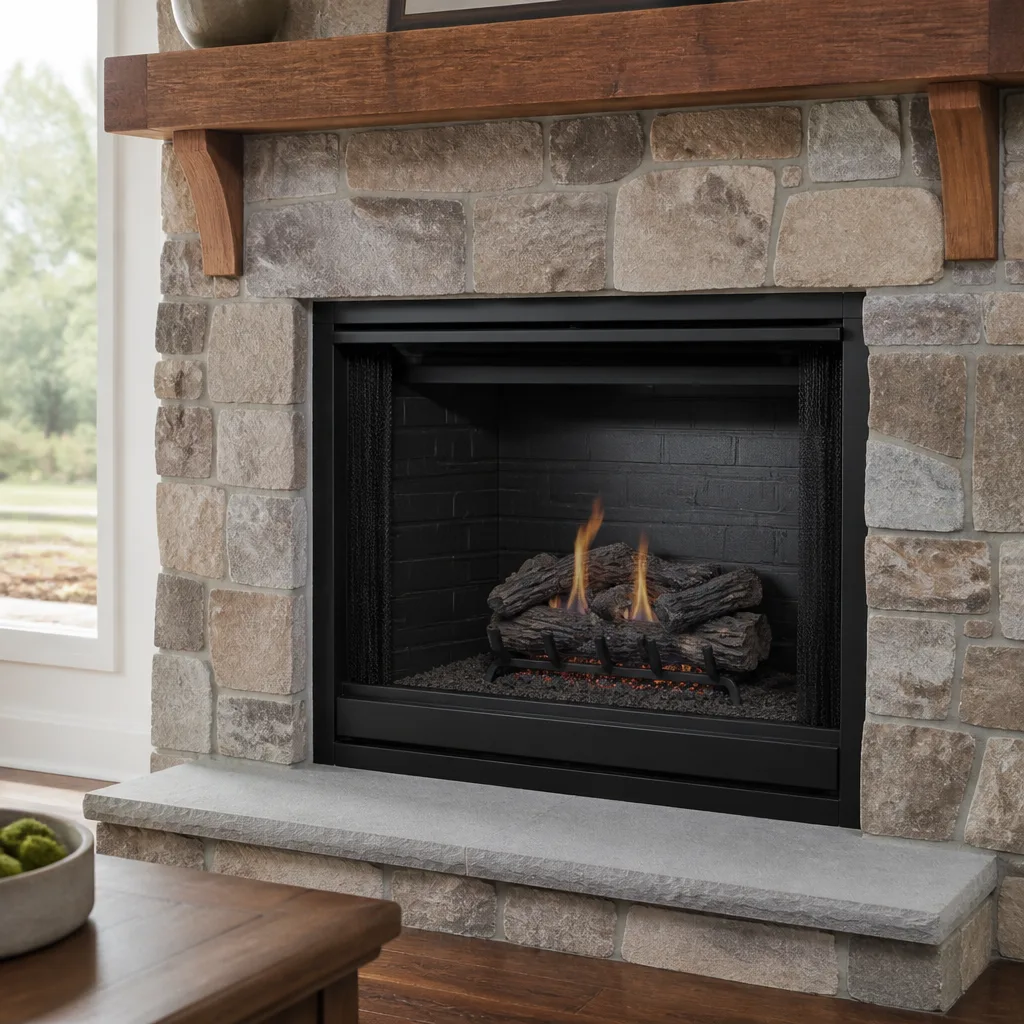 Gas fireplace service
Level 1 sweep and inspection to the NFPA 211 annual standard - flue, crown, cap, and flashing checked and photographed
Chimney sweep logs do not sweep chimneys. They loosen some creosote - which then falls where a brush and vacuum still have to collect it.
Chimney Sweep Maintenance Checklist for Placentia Homeowners
The part of your chimney that will cost you the most money is the part you never see. Most homeowners in Placentia think about the firebox and the soot, or the smoke that rolls up the flue on a cool evening. But the failures that actually hurt are quiet ones. A hairline crack in the crown spreads through Placentia’s dry summer heat, a mortar joint loosens, the liner starts to spall, and water finds its way in long before anything shows on your ceiling. By the time it does, the work to fix it is far bigger than it needed to be.
This guide is organized by component and consequence, not by vague seasonal reminders. You’ll learn what to check, what to leave to a technician on the roof, how often each part actually needs attention based on how much you burn rather than the calendar, and how to document all of it so your maintenance history holds up for insurance and resale. If you’d rather have a specialist walk the whole system with you, that’s what we do in Placentia and the surrounding north Orange County neighborhoods.
Quick Answer
A chimney maintenance checklist for a Placentia homeowner should cover seven components: cap, crown, flashing, liner, smoke chamber, damper, and firebox. Inspect the cap, crown, and firebox yourself from the ground and from inside, then have a technician check the liner, smoke chamber, and flashing on the roof with a camera. Sweep based on how much you burn, not once a year out of habit, and keep a written record of every inspection so you can prove the system was maintained.
Styles & brands we work with
- Sweep & inspection
- Caps & crowns
- Flue relining
- Masonry repair
- Gas fireplace service
Table of Contents
- Why the Silent Failures Matter More Than Soot
- The Component-by-Component Checklist
- What You Can Check Safely From Ground Level
- What Requires a Technician on the Roof
- The Right Maintenance Interval for Each Component
- How to Document Chimney Condition Year Over Year
- Placentia-Specific Notes: Heat, Wind, and Settling
- Common Mistakes to Avoid
Why the Silent Failures Matter More Than Soot
Soot is honest. It tells you the chimney is working and that it’s time to clean it. The problems that cause real damage don’t announce themselves that way. A cracked crown looks fine from the driveway until the crack widens enough to let water past. A spalling liner looks solid until a flue tile flakes loose and blocks part of the passage. A corroded damper still opens and closes, just not fully, and you never notice the difference until smoke starts backing into the room.
In our experience across Placentia, these are the three failures that cost homeowners the most, and all three fail quietly:
- The crown. This is the concrete or mortar cap on top of the chimney that sheds water away from the flue. Placentia’s dry heat cycles the material through expansion and contraction all summer, and a hairline crack is easy to ignore. It shouldn’t be. That crack is the entry point for water that reaches the framing below.
- The liner. The flue liner carries combustion gases up and out. When it spalls or cracks, gases can reach the surrounding structure and the clearance between the liner and the framing is compromised. You won’t see it without a camera.
- The damper. The metal door above the firebox that seals the flue when you’re not burning. Corrosion and warping make it sit unevenly, which means heat loss when you’re not using the fireplace and a poor seal against downdrafts.
A clean flue is a safe flue, but a structurally sound flue is what keeps it that way. That’s the difference between a sweep and a real maintenance plan, and it’s why this checklist is built around components rather than around soot.
The Component-by-Component Checklist
Work through each of these seven components in order, top to bottom. Each one has a specific failure indicator, and each needs a different level of attention depending on how much you burn.
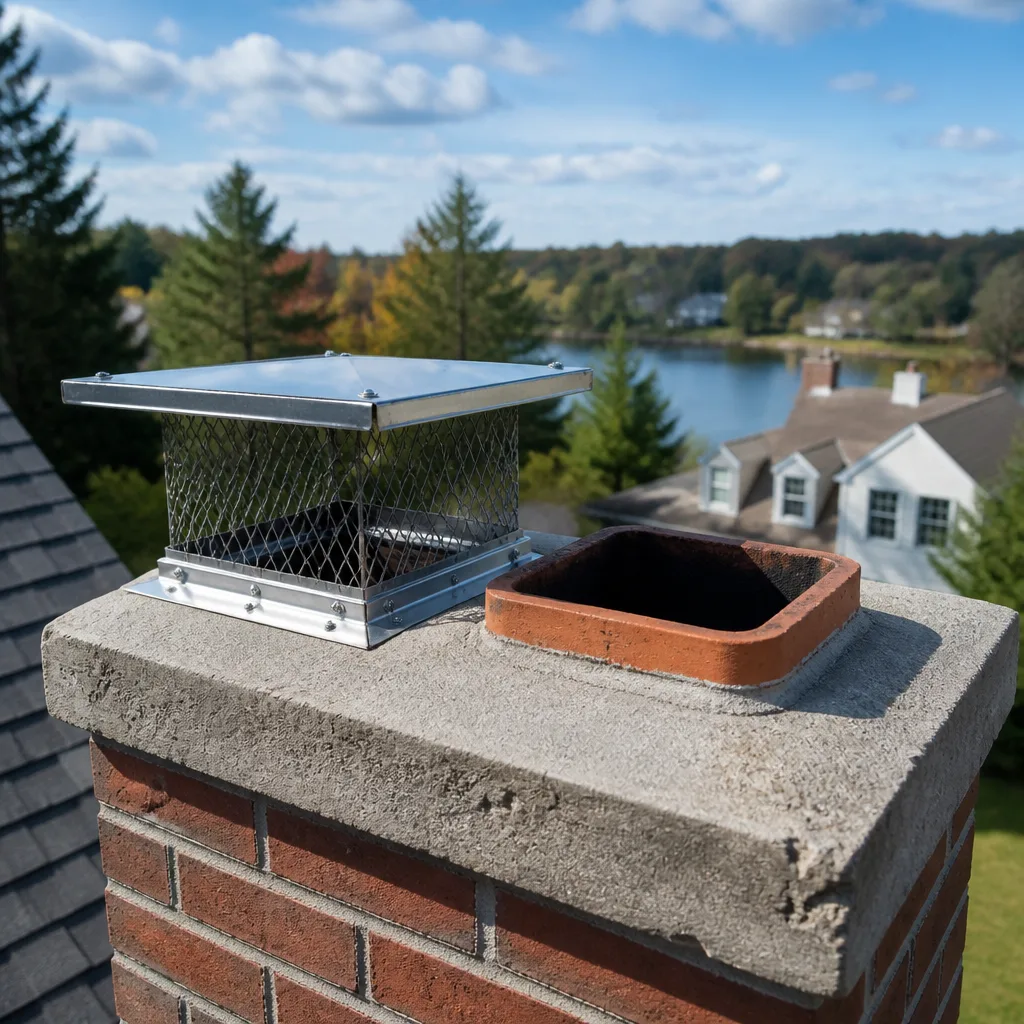
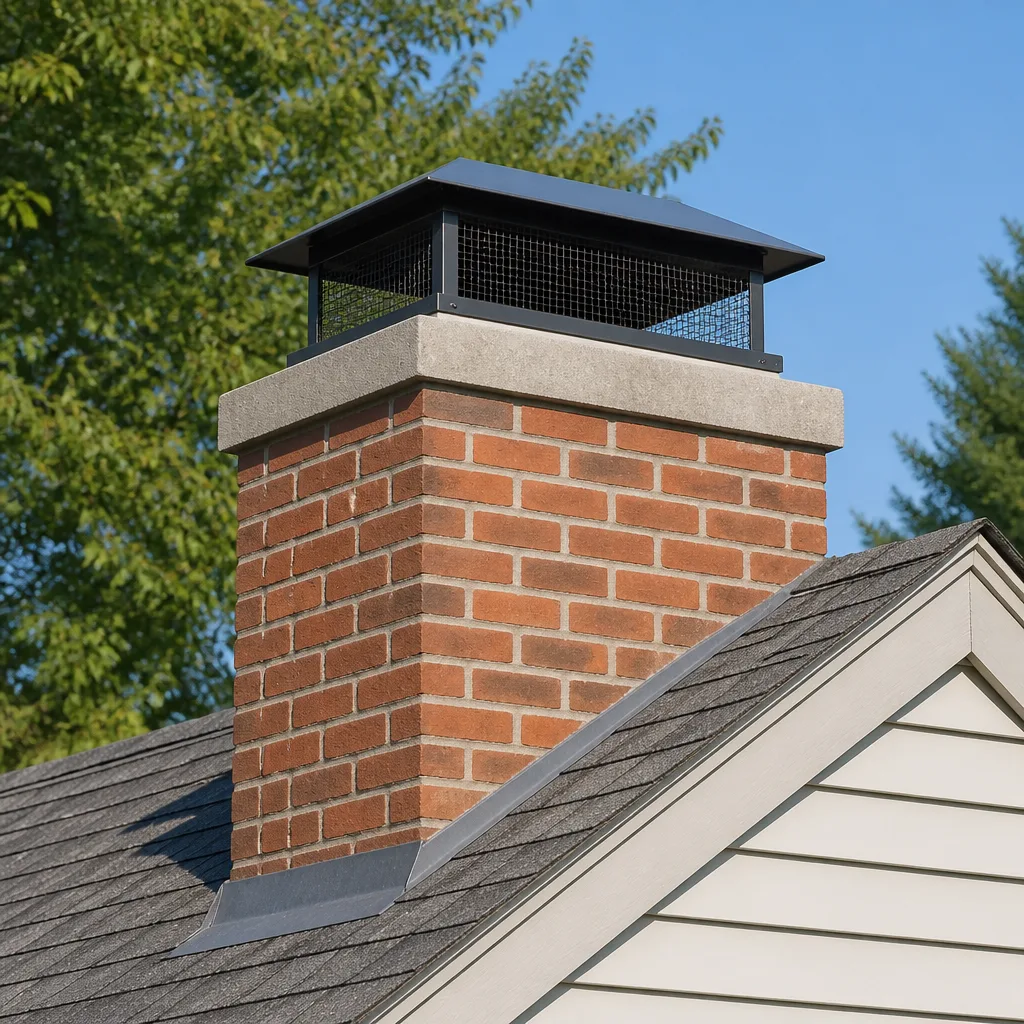
- Cap. The cap covers the flue opening to keep rain, birds, and debris out. Look for a missing or bent cap, a loose screen, or a cap that has been pushed off its mountings. A damaged cap on a Placentia chimney is a direct path for water and windblown debris straight down the flue.
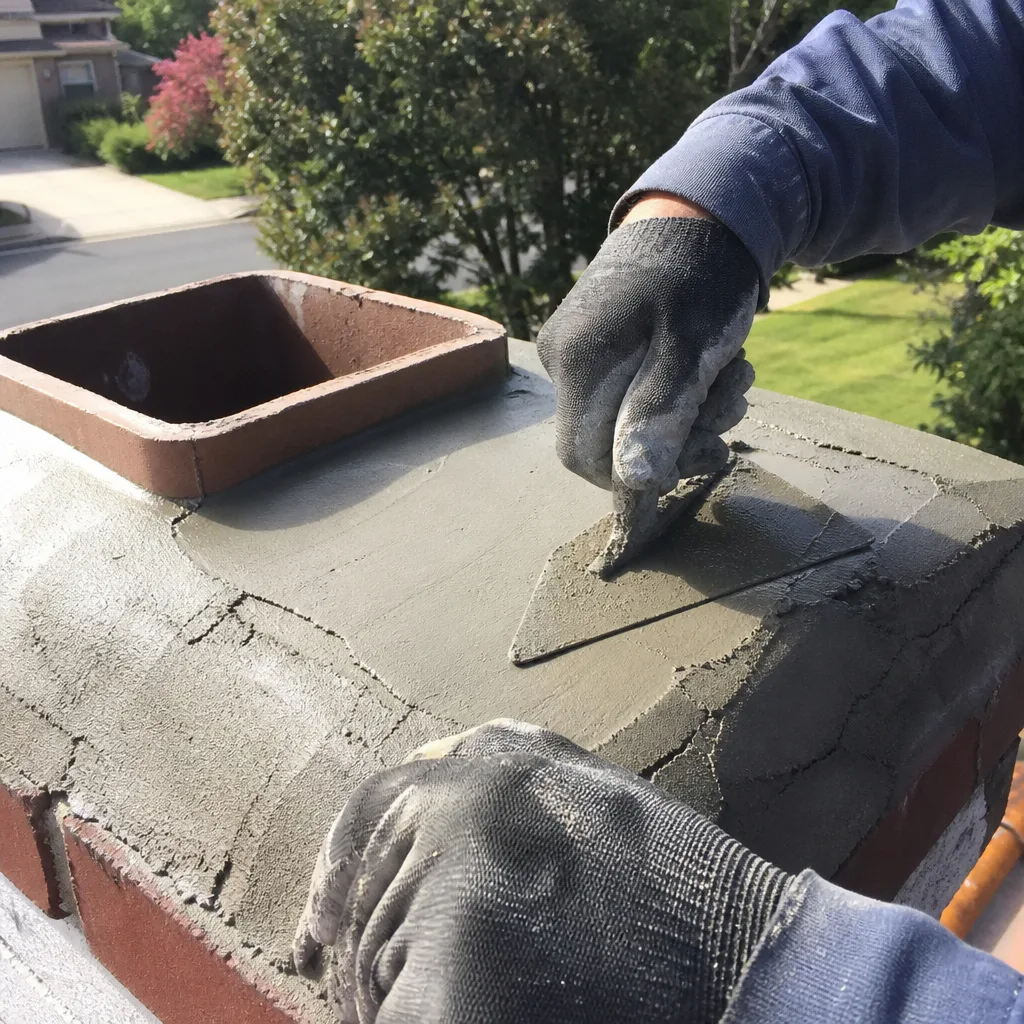
- Crown. The protective top surface that slopes away from the flue. Watch for cracks wider than a hairline, crumbling mortar at the edge, or a crown that no longer sheds water because it has settled flat or developed a low spot. This is the single most important component to catch early. Surface cracking can often be resurfaced with HeatShield rather than torn out and rebuilt.
- Flashing. The metal that seals the joint where the chimney passes through the roof. Look for lifting edges, rust, missing caulk lines, or gaps where the flashing meets the shingles. This is where most roof leaks around a chimney originate, and it’s a roofing-adjacent detail that a general sweep often ignores.
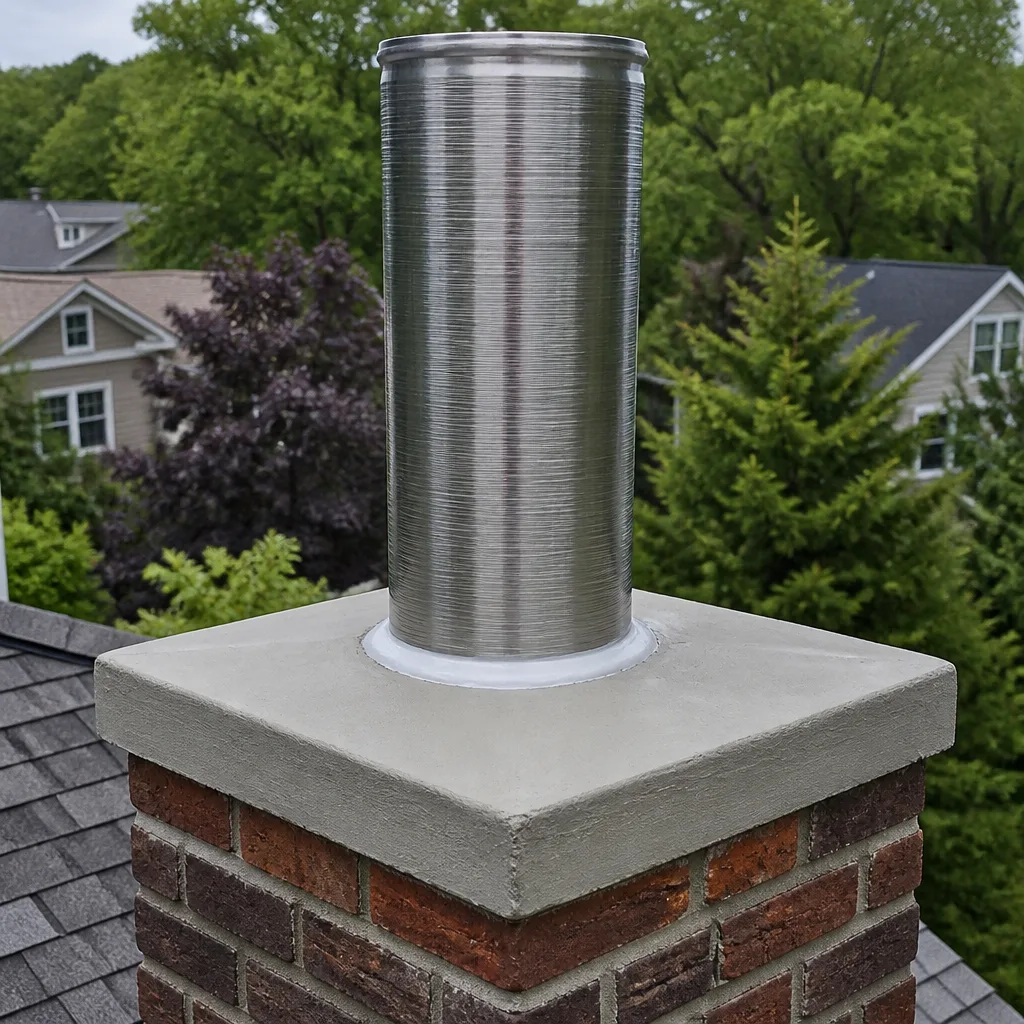
- Liner. The flue lining that carries gases upward. Watch for cracked or spalled tiles, gaps between sections, or a liner that has shifted. This is camera territory. A deteriorating flue interior can sometimes be restored with HeatShield resurfacing instead of a full liner replacement, and a DuraFlex flexible liner covers the retrofit case where resurfacing isn’t enough.
- Smoke chamber. The sloped area above the damper that funnels smoke into the flue. Watch for heavy creosote buildup, crumbling parging on the sloped walls, or a chamber that has lost its smooth surface and catches smoke. This component affects how well your fireplace draws.
- Damper. The metal door that seals the flue when the fireplace is idle. Watch for rust, a damper that sticks open, a frame that has warped, or a seal that doesn’t close flat. A poorly sealing damper lets conditioned air escape all year.
- Firebox. The brick or refractory interior where the fire actually burns. Watch for cracked or missing mortar joints, loose bricks, crumbling refractory panels, or white staining that hints at moisture. The firebox is the easiest of the seven to inspect from inside the room with a good flashlight.
One call covers inspection, sweep, repair, cap, and crown work with us, so there’s no handoff between contractors. That matters most for the components that connect, like the flashing to the crown and the smoke chamber to the liner.
What You Can Check Safely From Ground Level
You don’t need to climb anything to catch a surprising amount of trouble. These checks are safe from the ground, from a window, or from inside the room, and they take about fifteen minutes once or twice a year.
- Stand back and look at the top of the chimney with binoculars or a zoomed phone photo. You’re looking for a cap that sits level, a crown that slopes visibly toward the edges, and no obvious chunks missing from the top course of brick.
- Check the ceiling and walls around the chimney inside the house for water stains, bubbling paint, or a ring that wasn’t there last season. This is the last warning before a leak becomes a repair.
- Open the damper and look up with a flashlight. You can see the first section of the flue and the damper frame. Look for rust, a damper that doesn’t sit flat, and any obvious gap or crack near the top of the firebox.
- Inspect the firebox interior for cracked mortar joints, loose bricks, and crumbling refractory material. Run your hand lightly along the mortar lines; if it crumbles, note it.
- Look at the ground around the chimney base outside for staining, efflorescence, or a wet patch that stays wet after dry weather. That’s a hint of moisture tracking down from above.
What you can’t do safely is get on the roof, open up the flue with a camera, or judge whether a liner has spalled internally. Those need a trained eye and the right tool, and that’s the next section.
What Requires a Technician on the Roof
Some of the checklist simply can’t be done from the ground, and trying to do it yourself is where homeowners get hurt or miss the real problem. Here’s what belongs in a professional inspection:
- Roof-level crown and cap assessment. A close look at the crown’s slope, the cap’s mounting, and the top course of brick. Cracks that look small from the driveway are obvious up close.
- Flashing inspection at the roof joint. Lifting and probing the flashing, checking the caulk lines, and looking for rust and gaps that only show at an angle from the roof.
- Camera inspection of the liner and smoke chamber. A camera run through the flue shows spalling tiles, gaps, and creosote buildup the eye can’t reach. This is the diagnostic foundation for any repair recommendation, and it’s why we photograph what we find.
- Measuring clearances and checking the firestop. Confirming the liner and chimney have the clearances the installation requires, especially in older homes where the original construction may not match current standards.
- Assessing the damper and smoke shelf from above and below. Judging whether the damper seals, whether the smoke shelf is intact, and whether the smoke chamber parging needs attention.
We work with professional trade materials, including DuraFlex and HeatShield, because the products inside your chimney matter as much as the labor. Camera evidence comes with a photo report, so you see exactly what the technician sees before any work is quoted. We explain what we find before we quote what it costs, and we say plainly when a repair can safely wait another season.
The Right Maintenance Interval for Each Component
The “sweep once a year” rule is a reasonable habit, but it isn’t the right rule for every component in every home. The honest interval depends on how much you burn, what you burn, and how the component wears in Placentia’s climate. Here’s how we think about it:
- Sweep (flue cleaning): Tie it to burn volume rather than the calendar. A household that burns a cord or more a season needs a sweep more often than one that lights a fire a few times in winter. A gas fireplace produces different deposits than wood and needs its own check. When in doubt, a camera inspection tells you whether the buildup is at the point where cleaning is due.
- Crown and cap: Inspect visually at least once a year, and have the crown looked at closely every couple of years. Placentia’s dry heat and sun are hard on mortar, so a crown that was sound a few summers back can develop surface cracking. Catching it early is the whole point of this checklist.
- Flashing: Check annually along with the crown, and after any significant storm. Flashing is a roofing joint, and roofing joints are the first thing to lift in wind.
- Liner: A camera inspection on a regular schedule, more often in a heavily used wood-burning chimney. Brick and tile flues with heavy use should be scoped more frequently than a lightly used gas insert.
- Smoke chamber and damper: Check with each sweep. The damper is a moving part and wears with use; the smoke chamber accumulates creosote and can lose its smooth parging over time.
- Firebox: Inspect the mortar and refractory each season before your first fire. Firebox repair falls squarely into our fireplace repair work, and it’s the component homeowners can monitor most easily between visits.
If you want the simplest structure: a professional inspection once a year, a sweep based on burn volume, and a close look at the crown, cap, and flashing every couple of years. That keeps you ahead of the silent failures without over-servicing the system.
How to Document Chimney Condition Year Over Year
Most homeowners never think about chimney records until they need them, and by then the history is gone. Keeping a simple file changes that, and it pays off in two places: insurance claims and a home sale.
What to keep in your file:
- Photo reports from every inspection. When we inspect a chimney, the camera inspection and photo report show the condition of the liner, smoke chamber, and roof-level components at that moment. Save each one. A dated photo of a sound liner is worth a lot if a question comes up later.
- Written estimates and invoices. These document what work was done, when, and what materials were used. If a HeatShield resurfacing or a DuraFlex liner install is on record, the next owner or adjuster can see the system was maintained.
- Your own ground-level notes. A dated phone photo of the crown and cap each season builds a timeline you can hand to an inspector, a buyer, or your insurer.
- A simple log. A page with the date, what was checked, what was found, and what was recommended. Even a few lines a year is enough.
For resale, a documented maintenance history answers the question a buyer’s inspector will ask: has this chimney been looked after? For insurance, dated records of inspection and repair support your position if water damage or a chimney fire is ever in question. Neither is something you can reconstruct after the fact, so the habit is worth building now.
Placentia-Specific Notes: Heat, Wind, and Settling
Placentia’s climate puts specific pressures on a chimney that a generic national checklist won’t mention. Three local factors shape how these components wear:
- Dry summer heat and UV. Long, hot, dry summers are hard on mortar joints and the crown. Mortar that stays dry and sun-baked for months loses flexibility, and the surface of a crown or a mortar joint can chalk and crack over a few seasons. This is why crown and mortar inspection matters more here than in a cooler, wetter climate. UV degradation is slow and easy to miss, which is exactly why it belongs on a yearly checklist.
- Santa Ana winds. When the Santa Ana winds blow through north Orange County, they carry debris. That debris finds its way into caps and screens, and a clogged cap reduces draft and can let wind-driven rain past the screen. Check the cap after a Santa Ana event, and make sure the screen is clear.
- Micro-settling from earthquakes. Placentia sits in seismically active Southern California, and small ground movement over time can shift a masonry chimney slightly. That tiny movement can open a crack at the crown, loosen flashing at the roof joint, or stress the liner. None of it is dramatic, but it’s cumulative, and it’s another reason yearly inspection makes sense here.
If you’re in one of the older neighborhoods around Placentia, the combination of aging masonry and these local pressures is a good reason to be proactive about the crown and flashing specifically. That’s the cap and crown specialization we focus on, because those are the two most common points of water intrusion in a chimney system.
For a full service overview in the city, see our Chimney Sweep Placentia page. If your chimney has visible structural problems, our chimney repair service covers the crown, cap, and liner work in detail.
Common Mistakes to Avoid
- Judging the chimney by how it looks from the driveway. A crown crack or a spalling liner is invisible from that distance. The whole point of a camera inspection is to see what the eye can’t reach from the ground.
- Sweeping on the calendar and ignoring everything else. A clean flue is only one component. If the cap, crown, or flashing is failing, a clean chimney still leaks. Build the checklist around all seven components, not just the sweep.
- Skipping the crown because the crack “looks small.” In Placentia’s dry heat, a hairline crack gets wider over a couple of seasons. Crown sealing caught early is far less invasive than rebuilding a crown after water has reached the framing.
- Letting windblown debris sit in the cap or screen. A clogged cap after a Santa Ana event cuts your draft and can let a downdraft push smoke back into the room. Check it, and clear it.
- Treating a deteriorating liner as an automatic full replacement. Sometimes a flue that has lost its interior surface can be restored with HeatShield resurfacing rather than a full liner. Ask whether resurfacing is an option before assuming the bigger job is the only path.
- Hiring a generalist to touch structural work. Crown, cap, liner, and flashing work need material knowledge beyond basic sweep certification. A handyman without that background can leave you with a cap that isn’t sealed or flashing that isn’t flashed.
- Throwing away the documentation. No photo reports, no invoices, no log. When you go to sell or file a claim, the history you didn’t keep is a history you can’t prove.
See the difference
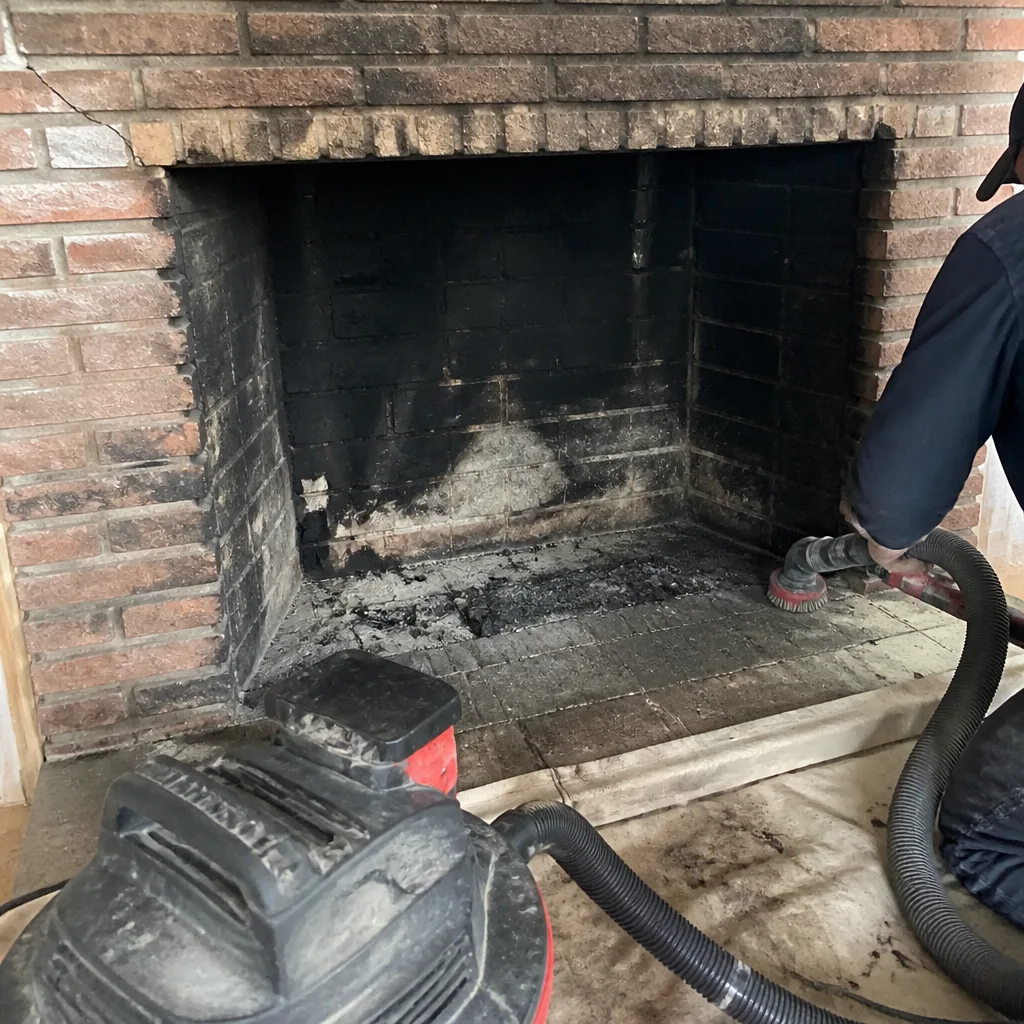 Before
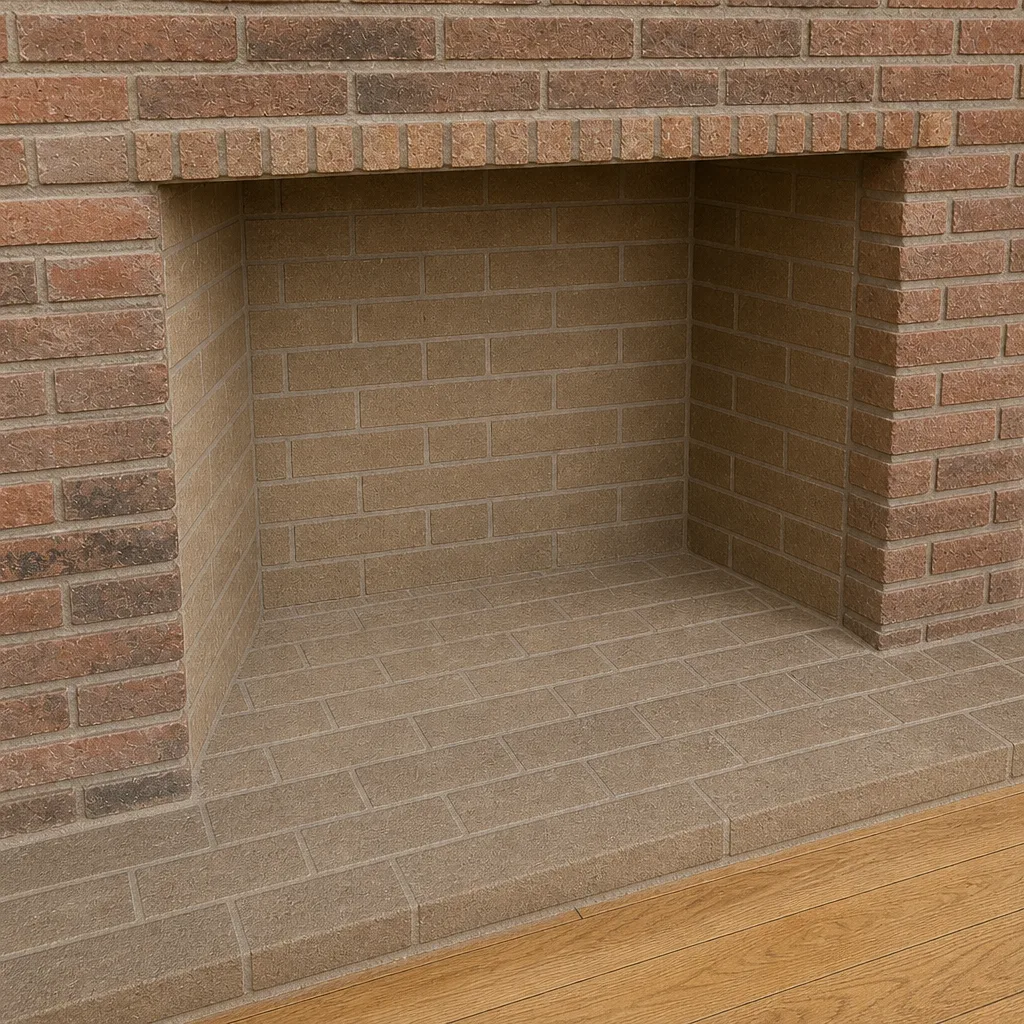 After
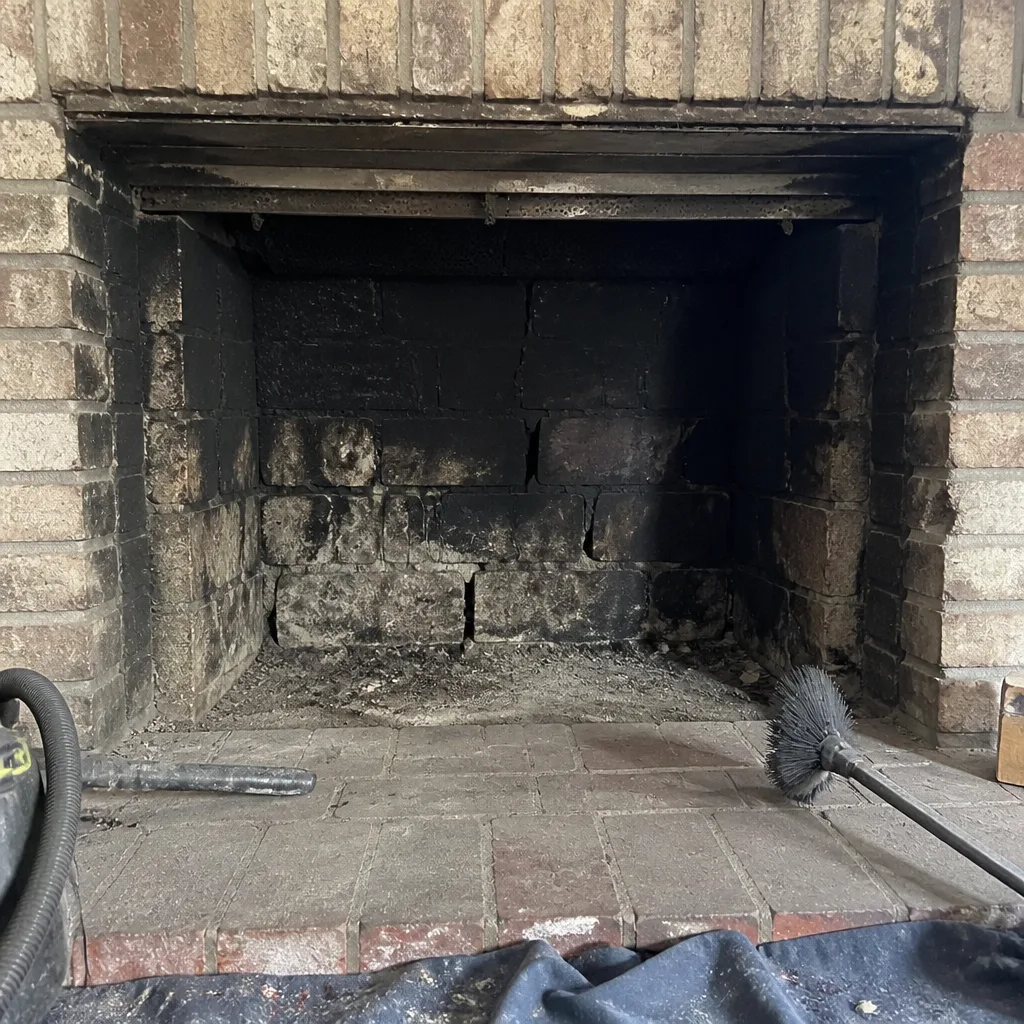 Before
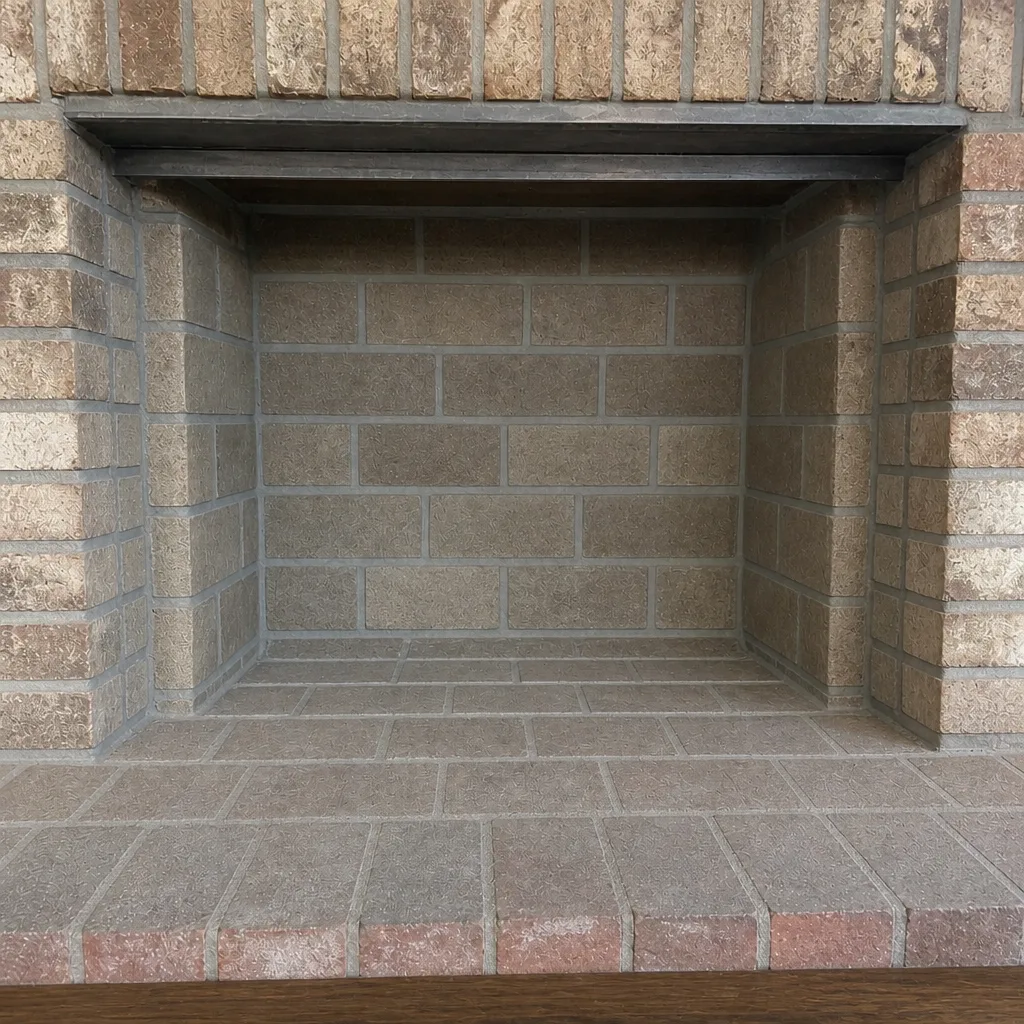 After
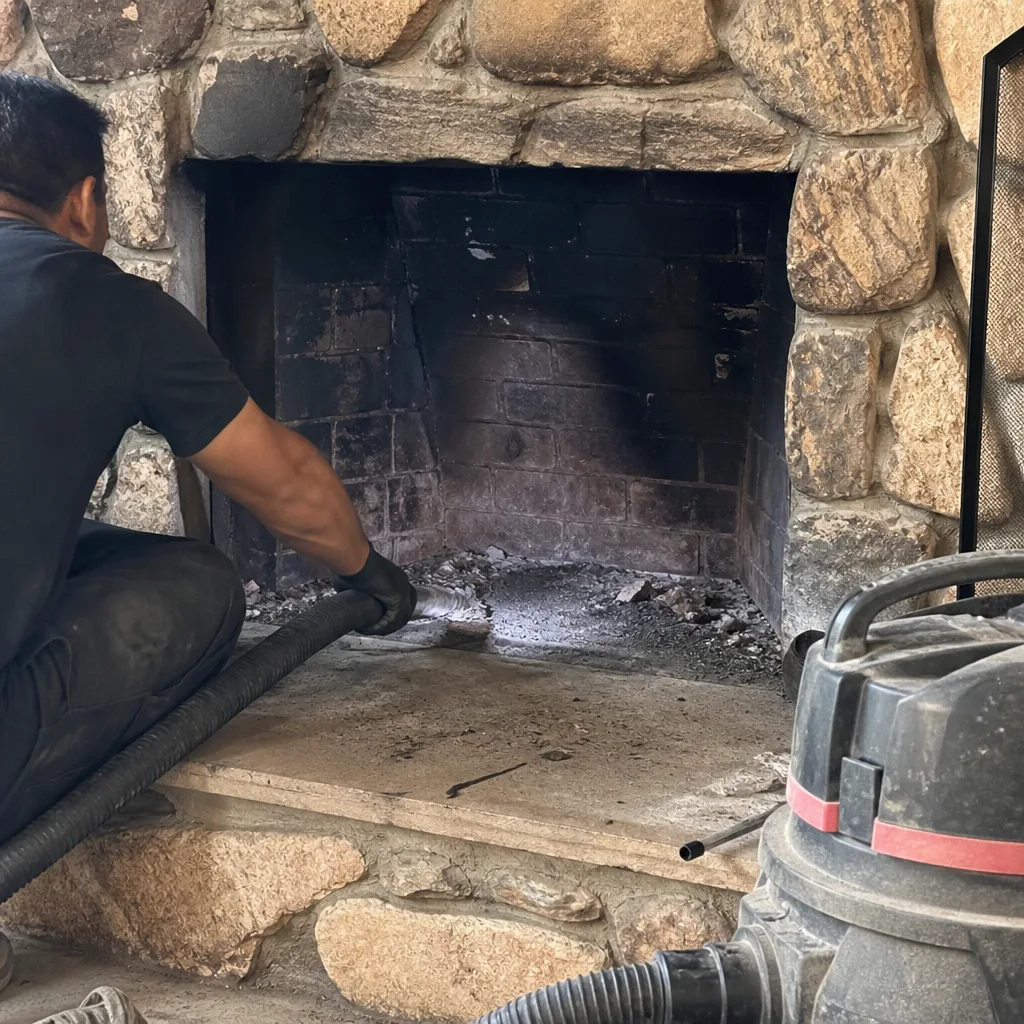 Before
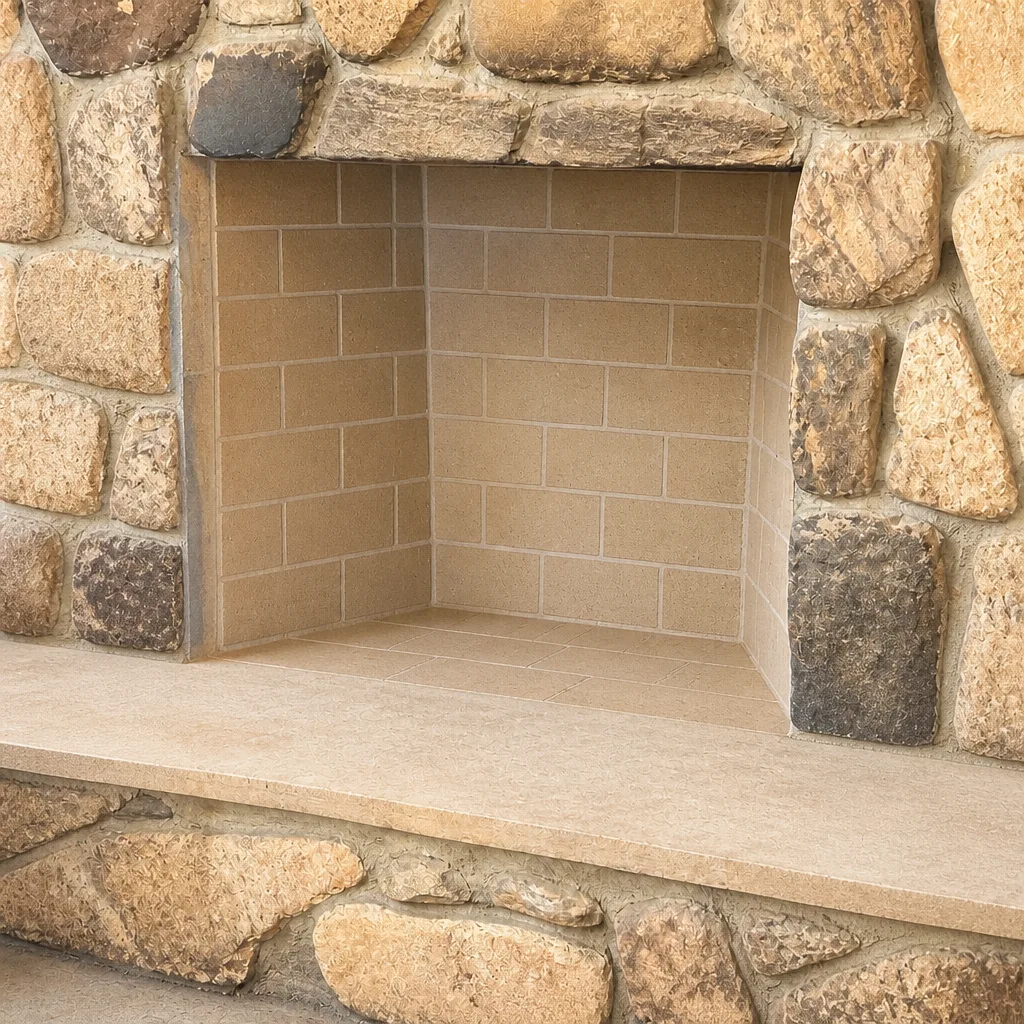 After
When to Call a Professional
Some checklist items are yours to watch, and some should never wait. Call a professional if you see water staining on a ceiling or wall near the chimney, if the mortar at the crown or top course is crumbling or missing, if the damper sticks or won’t seal, if smoke backs into the room when you light a fire, or if you smell a strong creosote odor even when the fireplace is cold. Call if your firebox mortar is cracking or bricks are loose, and call if you can’t remember the last time the liner was camera-inspected.
High-tension and structural components on a chimney are not a do-it-yourself project, and roof-level work is where falls happen. A trained technician with the right tools, and a camera to document what they find, is the safe and accurate path. Chimney Sweep Placentia offers free estimates in Placentia. Call (844) 625-6823 to book one. We answer 24/7. Fast dispatch from 7am to 7pm, Sunday through Friday.
Frequently Asked Questions
Base it on how much you burn, not strictly the calendar. A household that burns regularly through the season needs a sweep more often than one that lights a few fires, and a gas fireplace needs its own check. A yearly inspection plus a camera check tells you exactly when the buildup is at the point where a sweep is due. Call (844) 625-6823 for an exact quote. Estimates are free.
The risks are creosote buildup that can fuel a chimney fire, and structural failures that let water and combustion gases reach places they shouldn’t. The silent failures are the concerning ones: a cracked crown, a spalling liner, or a corroded damper cause damage well before anything is visible in the room. That’s why a yearly inspection with a camera matters for a Placentia home.
Not every liner issue means replacement. A flue that has lost its interior surface can sometimes be restored with HeatShield resurfacing instead of a full liner, and a DuraFlex flexible liner covers the retrofit case where resurfacing isn’t enough. We show you the camera footage so you can see why a given recommendation makes sense, and we say when a repair can wait. Call (844) 625-6823 for a free estimate.
You can and should check the cap, crown, firebox, and damper from the ground and from inside the room. You can’t safely assess the liner or smoke chamber by eye, and roof-level work is where falls and misses happen. A technician with a camera should handle the liner, the flashing, and the roof-level crown inspection. Reach out for a free estimate if your checks turn up anything.
Yes, and they’re hard to recreate after the fact. Dated photo reports from inspections, invoices for liner or crown work, and a simple log of what was checked each year support an insurance claim and answer a buyer’s inspector during resale. Keep them together. It’s the reason we provide camera inspection and a photo report with every visit.
The components are the same, but the wear pattern differs. Wood-burning chimneys produce creosote and need the flue checked for buildup, while gas inserts produce different deposits and still need a liner and smoke chamber check. Both benefit from a yearly inspection and a close look at crown and flashing in Placentia’s heat. Call (844) 625-6823 for an exact quote on your setup. Estimates are free.
The Bottom Line
The checklist that protects a Placentia chimney isn’t built around soot. It’s built around the seven components that fail without drama: cap, crown, flashing, liner, smoke chamber, damper, and firebox. Check what you can safely from the ground, let a technician with a camera handle the liner, smoke chamber, and roof, and tie your sweep interval to how much you burn rather than the calendar. Keep the photo reports and invoices, because the maintenance history you hold on to is the one that protects you at claim time and at resale. A clean flue is a safe flue, but a structurally sound flue is what keeps it that way.
If you’d like a specialist to walk your whole system, from the crown down to the firebox, our chimney sweep covers the sweep and inspection side, and one call handles the rest. Call (844) 625-6823 for a free estimate. We answer 24/7. Fast dispatch from 7am to 7pm, Sunday through Friday. Our technicians have up to 10 years of experience, and we work with professional trade materials including DuraFlex, HeatShield, Gelco, and Olympia Chimney because the products inside your chimney matter as much as the labor.
Written by the team at Chimney Sweep Placentia.