
Last updated November 25, 2026
 Sweep & inspection
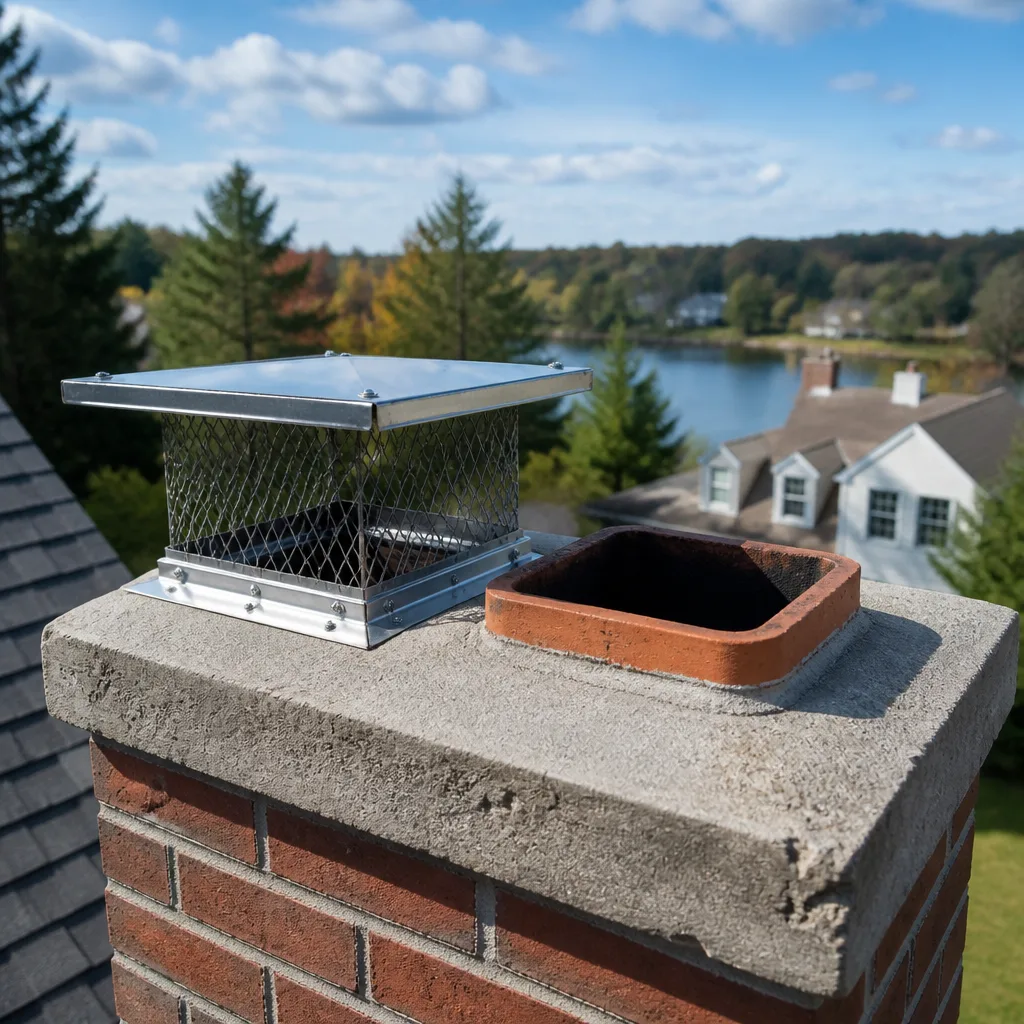
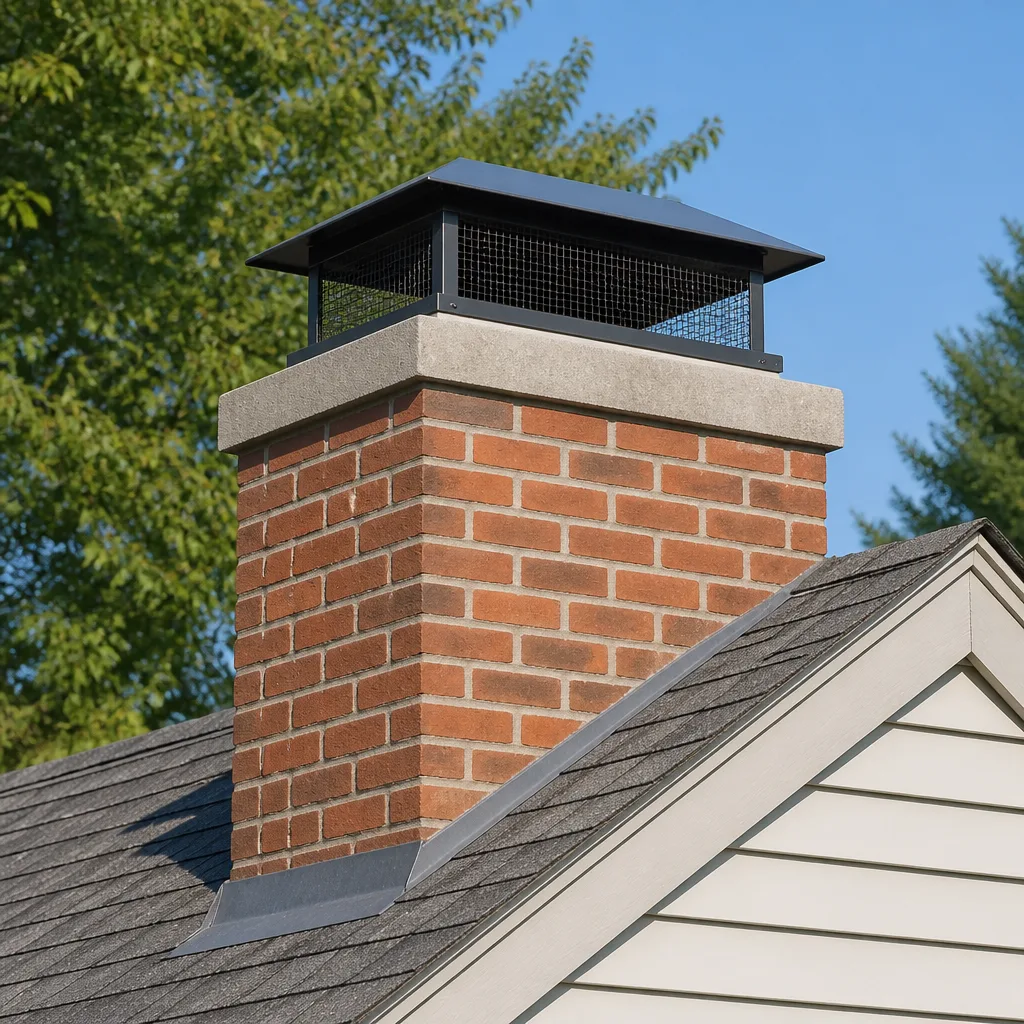 Caps & crowns
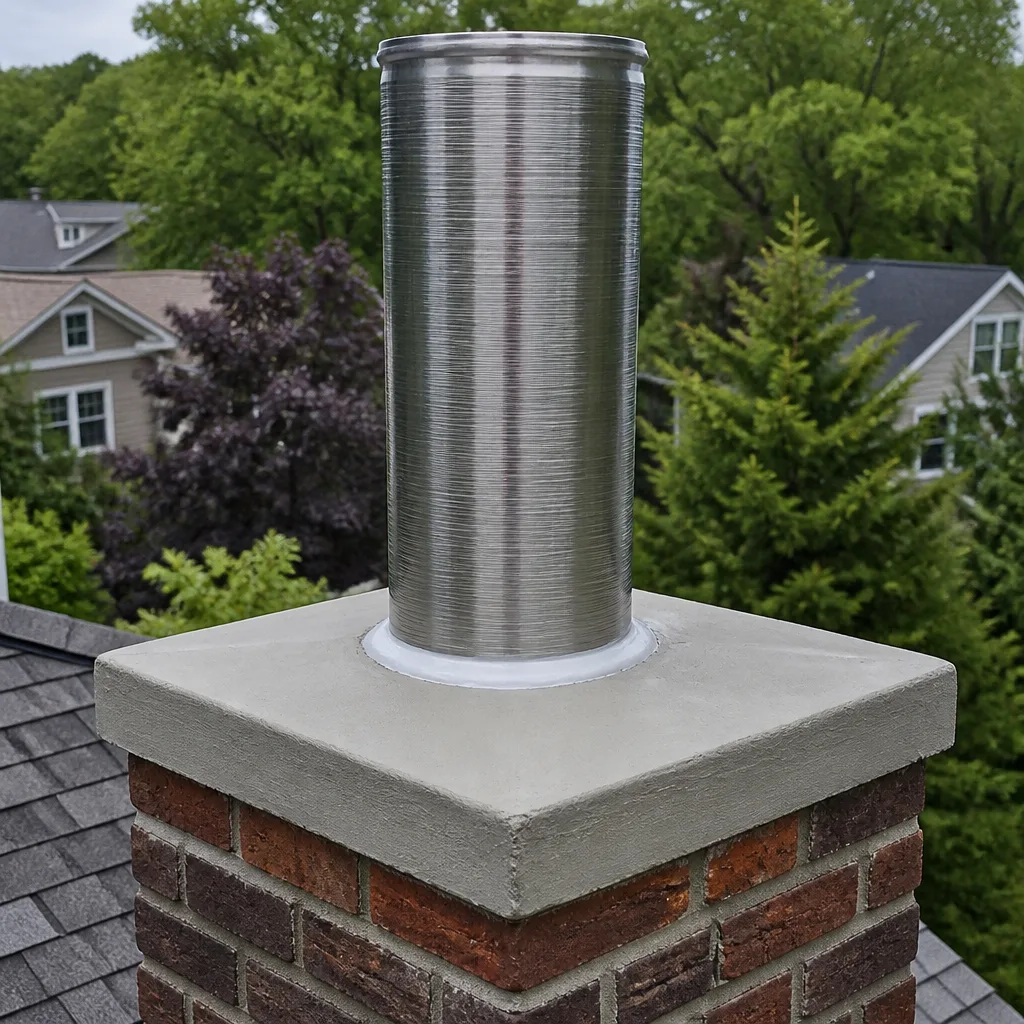 Flue relining
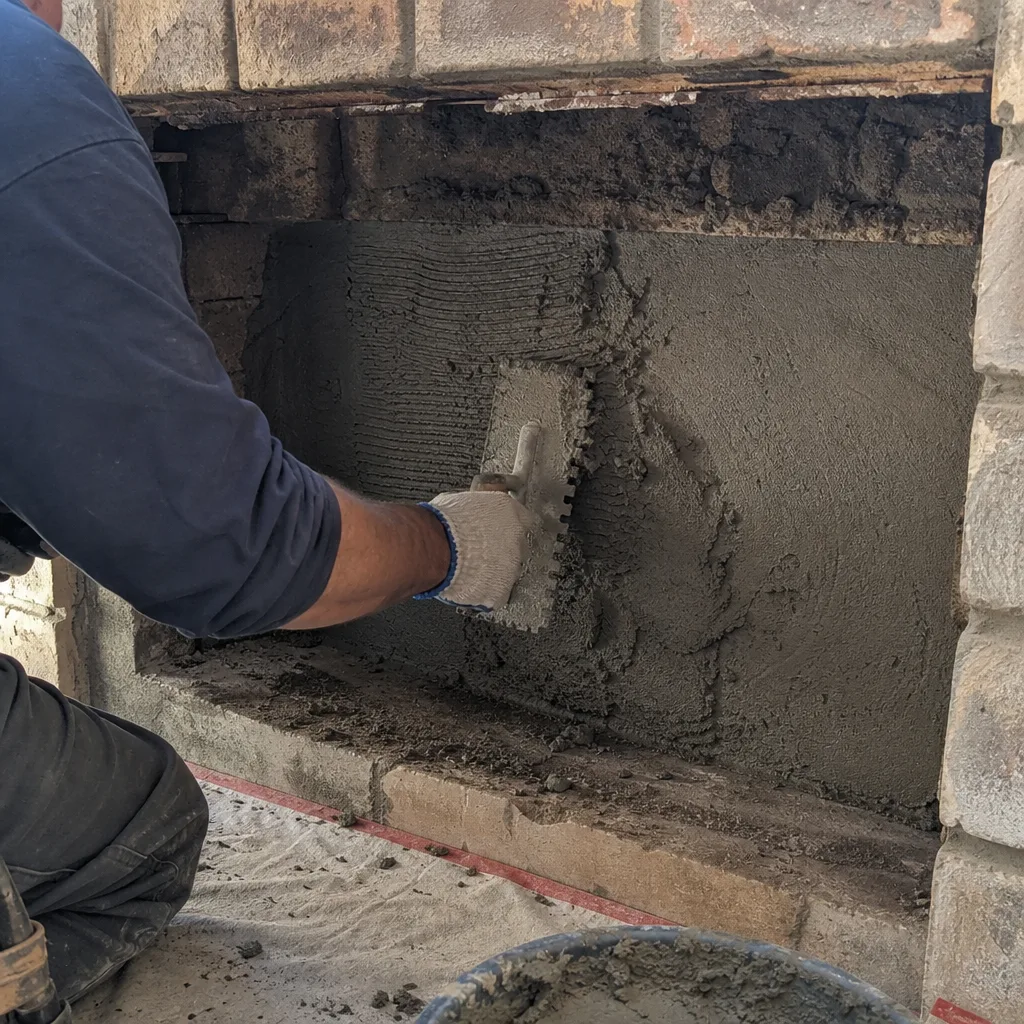
 Masonry repair
 Gas fireplace service
Level 1 sweep and inspection to the NFPA 211 annual standard - flue, crown, cap, and flashing checked and photographed
Chimney sweep logs do not sweep chimneys. They loosen some creosote - which then falls where a brush and vacuum still have to collect it.
Chimney Cleaning Warning Signs: A Placentia Homeowner’s Reference Guide
A white stain running down the outside of your chimney isn’t a cosmetic issue. It’s efflorescence, which means water is actively moving through your masonry and evaporating on the surface. That’s a direct indicator of a liner or crown breach, and it will keep worsening with every rain. Most homeowners in Placentia read that chalky streak as harmless weathering and put off a call until a cleaning reveals something far more serious inside the flue. This guide maps the specific signs you can see, smell and hear to the technical causes behind them, so you know what you’re actually looking at and which problems can wait while others can’t.
Quick Answer
The warning signs that matter most are white efflorescence or rust staining on the exterior, spalling brick, visible crown cracks, smoke rolling back into the room, a persistent smell between fires, creosote drips at the damper, and any change in draft, sound or airflow. Any of these points to water intrusion, a failing liner, glazed creosote, or an obstruction. Smoke rollout, a strong chemical odor after a chimney fire, and visible cracked flue tiles are stop-using-immediately signals. The rest are monitor-and-schedule signs that warrant a professional inspection before the next burning season.
Styles & brands we work with
- Sweep & inspection
- Caps & crowns
- Flue relining
- Masonry repair
- Gas fireplace service
Table of Contents
- Exterior Warning Signs and What They Actually Mean
- The Crown and Cap: Your Two Most Common Water Entry Points
- Interior Warning Signs: Smoke, Odor and Creosote Drips
- Sounds and Airflow Anomalies Mapped to Structural Causes
- Why Your Chimney Smells in Summer Without Recent Fires
- The Triage Framework: Monitor, Schedule or Stop
- Why Placentia Homes Show These Signs Differently
- Common Mistakes to Avoid
Exterior Warning Signs and What They Actually Mean
The outside of your chimney tells you more about its condition than most people realize. Masonry is porous by nature, and when the flue liner, crown or flashing fails, moisture finds its way into the structure. What you see on the surface is the end of that journey, not the beginning. Reading these signs correctly is the difference between a small repair and a full rebuild.
Here’s what each exterior signal actually points to:
- White, chalky efflorescence: Water is traveling through the masonry, dissolving salts, and evaporating on the surface. On a chimney, that almost always means moisture is getting in from the top (crown or cap) or through a failed liner. Efflorescence on a chimney isn’t the harmless cosmetic staining you see on a basement wall.
- Rust staining: Usually oxidized metal from a corroded chase cover, cap, or damper assembly. Rust streaks below the cap tell you the cap has failed and water is now reaching components it was meant to protect.
- Spalling brick: The face of the brick is flaking or popping off. Spalling is what happens when trapped moisture expands and pushes the masonry apart. Once a brick spalls, it has lost structural integrity and needs repointing or replacement, not a coat of sealer.
- Discolored or washed-out mortar joints: Recessed, sandy or crumbling mortar between bricks signals the joints have given up. Water moves freely into those gaps every time it rains.
- Visible cracks in the crown: Even a hairline crack lets water into the top of the chimney, where it works down into the flue and surrounding structure. The crown is designed to shed water, not absorb it.
Homeowners in Placentia often assume that because we don’t get harsh winters, masonry problems will sort themselves out. The opposite is true. Mild weather means moisture cycles in and out of masonry repeatedly, and a small breach that would freeze solid in a cold climate instead keeps evaporating and drawing in more water. If you’re seeing any of these exterior signs, it’s worth booking a formal inspection alongside a routine chimney sweep so the flue interior is checked at the same time.
The Crown and Cap: Your Two Most Common Water Entry Points
If you had to guess where water is getting into a chimney, most people point at the roof flashing. In our experience, the crown and the cap cause more water damage than anything else. Both sit at the very top of the system, both take the full force of sun and rain, and both fail quietly before you notice the water inside.
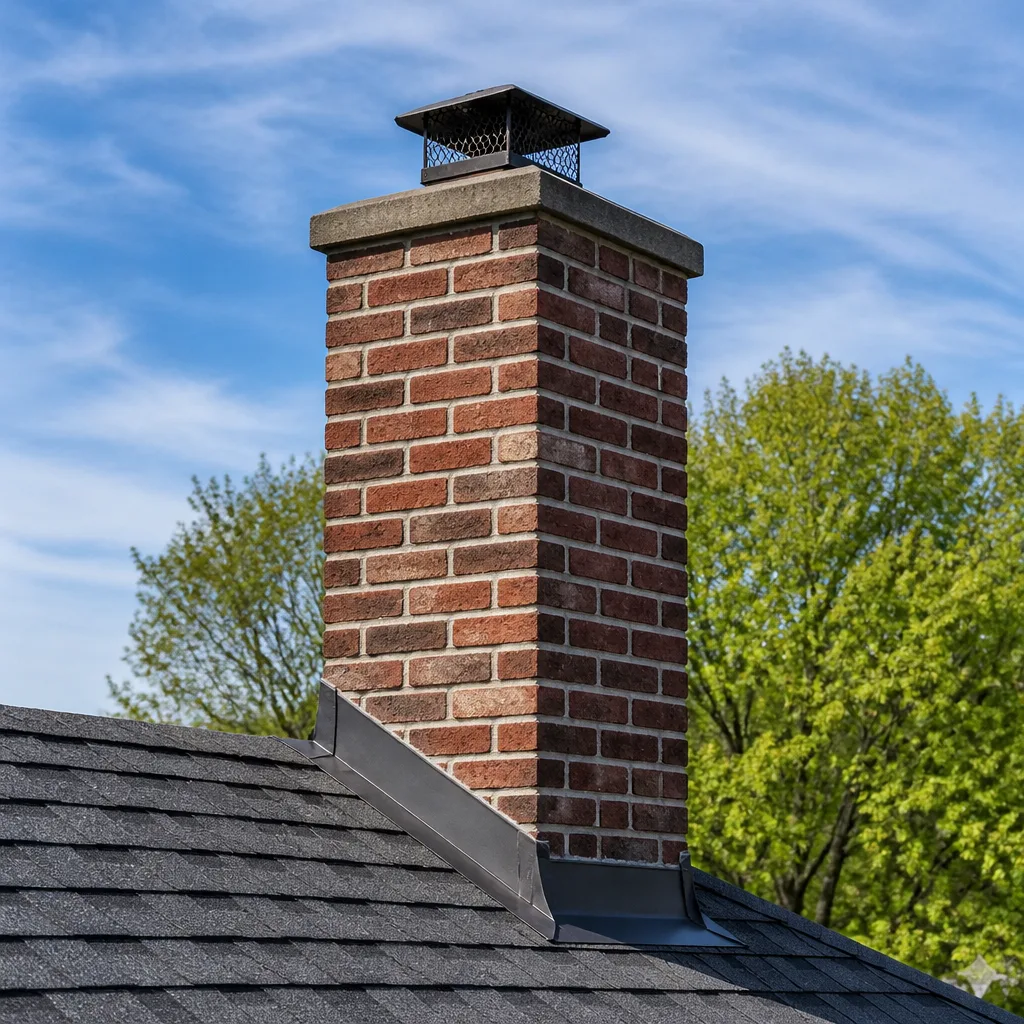
The crown is the concrete or mortar cap over the top of the chimney that sheds water away from the flue. When it cracks, water runs straight into the top of the chimney, soaks the masonry, and often reaches the flue liner. A crown that’s cracked, spalling or pulling away from the flue needs repair or replacement, not a patch. We work with trade materials like Copperfield and Olympia Chimney on crown and cap work because the products at the top of the system are the first line of defense for everything below them.
The chimney cap is the cover that sits above the flue opening. A proper cap keeps out rain, birds, squirrels and debris while allowing smoke and gases to escape. A failed or missing cap lets in all of the above. Rust stains and water inside the firebox are the usual first clues. A cap is one of the least expensive components on the entire chimney and one of the most important.
Here’s how we look at the top of a system:
- Inspect the crown for cracks, separation from the flue and missing material. Any gap allows direct water entry.
- Check the cap for rust, bent mesh, missing fasteners and gaps around the flue. A cap that’s loose in the wind isn’t doing its job.
- Confirm the cap’s mesh size is small enough to block animals but large enough for gases to clear. Wrong-size mesh causes as many problems as none at all.
- Trace moisture down from both points to see if it’s already reached the flue. That’s the difference between a crown repair and a liner conversation.
Placentia gets rain concentrated into a shorter season, which means water intrusion often happens in bursts. A crown crack that stays dry most of the year can still soak your masonry in a single storm. If you’ve noticed any of the exterior signs above, the crown and cap are the first things to rule out, and this is why our chimney repair work starts at the top and works downward.
Interior Warning Signs: Smoke, Odor and Creosote Drips
Inside signs are the ones homeowners can’t ignore because they show up during the fire. Smoke rolling out of the fireplace opening into the room is the most common complaint we hear, and it’s almost never just bad luck with the wood. Smoke rollout means the system isn’t pulling draft the way it should, and that has a physical cause.
What each interior sign tells you:
- Smoke rolling back into the room: An obstruction in the flue, a closed or partly closed damper, a flue that’s too small or too cold to draw, or negative pressure in the house pulling smoke back down. Creosote buildup narrowing the flue is one of the most frequent causes we find.
- Persistent odor between fires: Residual creosote plus moisture in the flue produces a smoky smell that lingers long after the fire is out. If the smell is strong, it usually means there’s more creosote than a normal burn would leave.
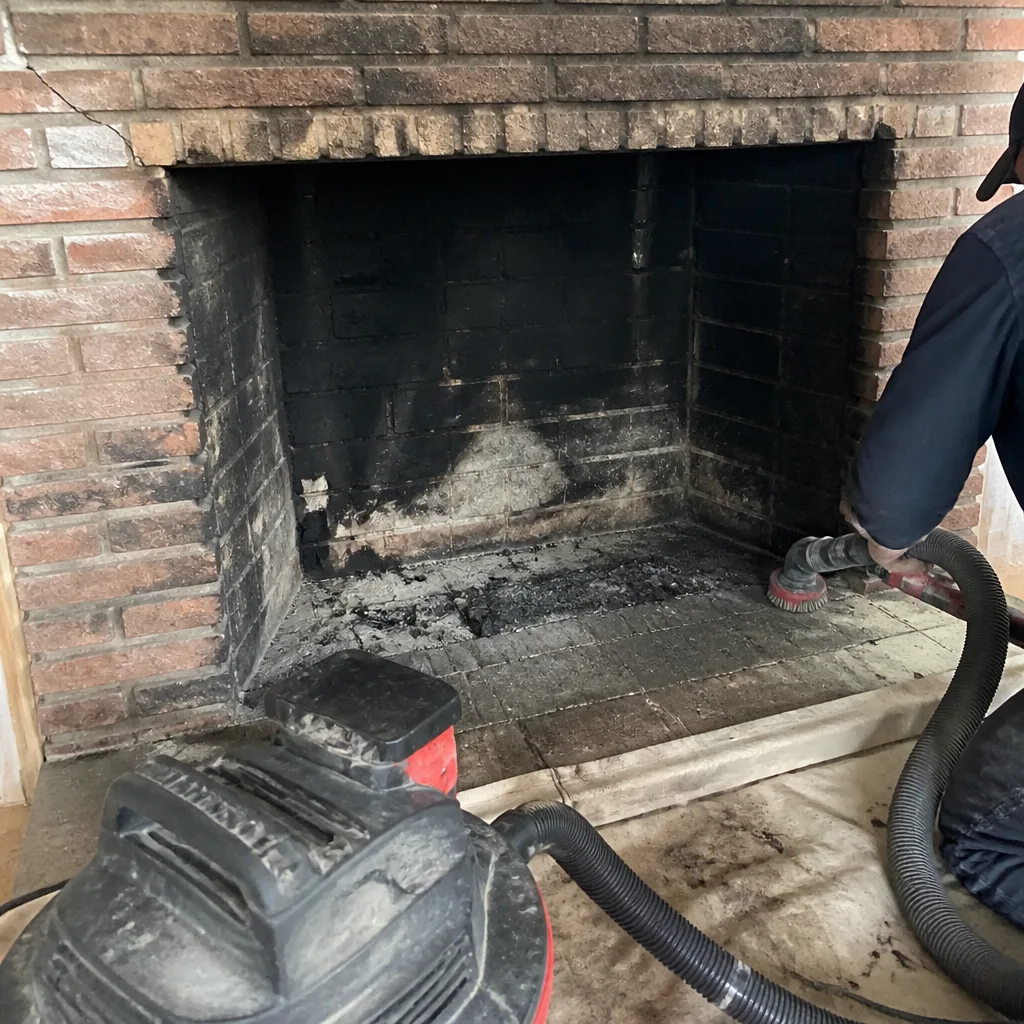
- Creosote drips at the damper: That dark, sticky or crusty substance you find on the damper or firebox walls is creosote, and it’s a serious warning. Glazed creosote is the third-stage, tar-like form that’s hardest to remove and the most flammable.
- Damaged or rusted damper: A damper that won’t open fully, sticks, or has rusted through is a draft controller that’s failed. It restricts airflow and can let smoke back into the room.
- Cracked flue tiles visible from the firebox: A visible crack in the flue is a direct path for heated gases and carbon monoxide into the structure of the house. This is a stop-using sign, not a monitor-and-schedule sign.
We explain what we find before we quote what it costs, and that matters most here. Interior signs are the ones that get homeowners told they need thousands in liner work they can’t verify. A camera inspection with a photo report you can see for yourself is how that conversation should go. If the flue interior shows cracking or deterioration, resurfacing with a HeatShield system can sometimes restore the flue without full liner replacement. DuraFlex liners handle the cases where full replacement is the right answer. We’ll tell you which one your chimney actually needs, based on what the camera shows.
Sounds and Airflow Anomalies Mapped to Structural Causes
Your chimney makes noise, and most homeowners write it off. Some of that noise is normal: the creak of expansion metal cooling down, the soft whistle of wind across the cap. Other noises point to a specific structural problem. Learning to tell the difference saves you a lot of guessing.
- Whistling that’s new: Air rushing through a gap or restriction. Often a failing cap, a loose chase cover, or a flue that’s partly blocked. If the whistle started recently, something changed.
- Downdrafts (cold air pouring down when you open the damper): Negative pressure in the house, a flue that’s shorter than the surrounding roofline, or a leaky chase. Downdrafts push smoke back into the room and are a common complaint in homes with tight modern envelopes.
- Rumbling or popping during a fire: A sound like a low roar or repeated pops can indicate glazed creosote igniting or flue gases not clearing properly. Any unusual fire sound is a reason to stop using the fireplace and get it inspected.
- Scratching, flapping or scurrying: Usually an animal in the flue or on top of a failed cap screen. This is common when a cap is missing or damaged and worth a same-day look before nesting material builds up.
- Weak, lazy draft with normal wood: The fire looks fine but doesn’t pull well. Obstruction, a flue that’s too cold, or a dirty flue narrowing the passage are the usual causes.
Airflow problems are the single most useful clue in your whole system because they show up before the visible damage does. A downdraft that starts this year and wasn’t there last year means the system changed. If your home in Placentia has a gas appliance sharing the same flue as a wood fireplace, a draft problem is also a carbon monoxide concern, and that’s not a sign to wait on. A professional inspection is the right next step, and it should happen before the next fire.
Why Your Chimney Smells in Summer Without Recent Fires
A chimney that smells strongly in summer, when you haven’t burned a fire in months, is telling you something specific. It’s not residual ash. Ash alone doesn’t produce that smell when the flue is dry. If your Placentia home has a smoky or chemical odor coming from the fireplace in July or August, there are two main culprits.
- Glazed creosote absorbing summer humidity. Creosote is hygroscopic, meaning it pulls moisture out of the air. A thick layer of glazed creosote acts like a sponge in the warmer months, and as it absorbs moisture, it releases that strong smoky, sometimes sour smell back into the house. The thicker the creosote layer, the worse the summer smell gets. This is the sign most people miss because there’s no fire to remind them there’s a problem.
- Animal intrusion. Birds, squirrels and raccoons find an uncapped or poorly capped chimney irresistible, and nesting material inside the flue produces a foul smell that gets stronger in warm weather. A missing or damaged cap is almost always the entry point.
Both cases point to the same action: get the flue inspected. Glazed creosote that’s been absorbing moisture all summer is also the most flammable form of creosote, so treating a summer smell as a nuisance rather than a warning sign is exactly backwards. A camera inspection identifies the cause, and a sweep removes the creosote. If the flue itself is damaged, we talk about whether a resurfacing with HeatShield or a full DuraFlex liner is the right fit. The smell is a symptom. The inspection finds the cause. Book it before you light the first fire of the season.
The Triage Framework: Monitor, Schedule or Stop
Not every warning sign demands immediate action, and not every sign is safe to ignore. The triage framework sorts household signals into three categories: things you can monitor for now, things you should schedule an inspection for, and things that mean stop using the fireplace immediately. Getting this wrong in either direction wastes money or risks a hazard.
Monitor (watch for change, no appointment needed yet):
- Light, chalky efflorescence on the exterior that hasn’t changed in years
- A cosmetic crack in the firebox brick (not the flue) with no smoke or draft issues
- Minor soot on the firebox glass after a normal burn
Schedule an inspection (book within a few weeks, before cool weather):
- Any new or worsening exterior staining, spalling, or a visible crown crack
- A persistent between-fires smell, especially in summer
- New whistling, downdrafts, or weak draft
- Creosote drips at the damper or heavy buildup on the firebox walls
- It’s been more than a year since the last sweep, regardless of how much you burned
Stop using the fireplace immediately:
- Smoke rolling into the room that doesn’t resolve when the damper is fully open
- A strong chemical odor or visible damage after a possible chimney fire
- Visible cracks in the flue liner tiles
- Rusted-through or broken flue sections
- A roaring fire that won’t calm down, or a fire that behaves like it’s getting too much air
If you’re in the stop column, put the fire out safely, open the damper fully, and call us. Call (844) 625-6823. We answer 24/7. Fast dispatch from 7am to 7pm, Sunday through Friday. Don’t light another fire until the system has been inspected, and don’t let a sign in the middle column become a sign in the top one because the season got away from you.
Why Placentia Homes Show These Signs Differently
Chimney warning signs in Placentia tend to show up in a particular order because of how homes here are built and how they’re heated. Most homes use the fireplace as a secondary heat source and a focal point, so the system goes through long idle stretches rather than steady daily use. That pattern of occasional fires plus long idle periods produces specific problems.
The long idle stretch is where the summer smell comes from. Creosote that builds up during the burning season sits unused for months in warm, humid air and pulls moisture out of it. By the time the first cool evening arrives, the flue has been quietly accumulating moisture and the smell that seemed like a nuisance in July is now a sign of a flue that needs a sweep before you light the first fire. Scheduling the sweep in the late summer or early fall catches the problem before it becomes a spring project.
Placentia’s roof profiles and steeper lots also matter. A chimney that sits low on the roofline next to a taller neighboring structure is more prone to downdrafts, and a chase cover in the extra sun that side of town gets bakes harder than a shaded one, so rust and cover failures show up earlier on that exposure. Homes with mature trees near the chimney see more animal intrusion when a cap screen fails. If you’re trying to decide whether a sign is worth a call, ask yourself three questions: Is it new? Is it getting worse? Is it tied to a fire? A yes to any of those is your answer. Our fireplace repair work and inspection visits both start with the same camera check, so one appointment answers the question.
Common Mistakes to Avoid
- Treating efflorescence as cosmetic. A white stain on the exterior is moisture moving through your masonry. Painting over it traps the moisture inside and accelerates spalling.
- Assuming a mild climate means masonry is safe. Placentia’s mild, rain-in-bursts pattern keeps masonry moisture cycling instead of freezing. Small breaches keep enlarging rather than plateauing.
- Waiting until the first cold week to schedule a sweep. That’s when everyone else wants one too. Book the inspection before burning season so you’re not the homeowner calling on opening weekend.
- Lighting a fire after seeing a flue crack “just to see.” A visible flue crack is a direct path for carbon monoxide. Don’t test it. Stop using it and get it inspected.
- Assuming a summer smell is just old ash. It’s usually glazed creosote or animal intrusion. Both are found by camera, both get worse if ignored.
- Skipping the inspection because the sweep “looked clean.” A sweep cleans. An inspection diagnoses. You need both, and they’re not the same visit.
- Calling a general handyman for crown or liner work. Those are trade-material jobs. Crown repair, cap installation and liner replacement depend on products like Copperfield, Olympia Chimney and DuraFlex used correctly, and a generalist won’t have the training or the material access.
Our technicians have up to 10 years of experience reading exactly these signs, and we explain what we find before we quote what it costs. We carry a full-system scope on purpose: Chimney Sweep Placentia is where every job starts, and it’s the visit that tells you whether you’re looking at a routine clean or a repair.
See the difference
 Before
 After
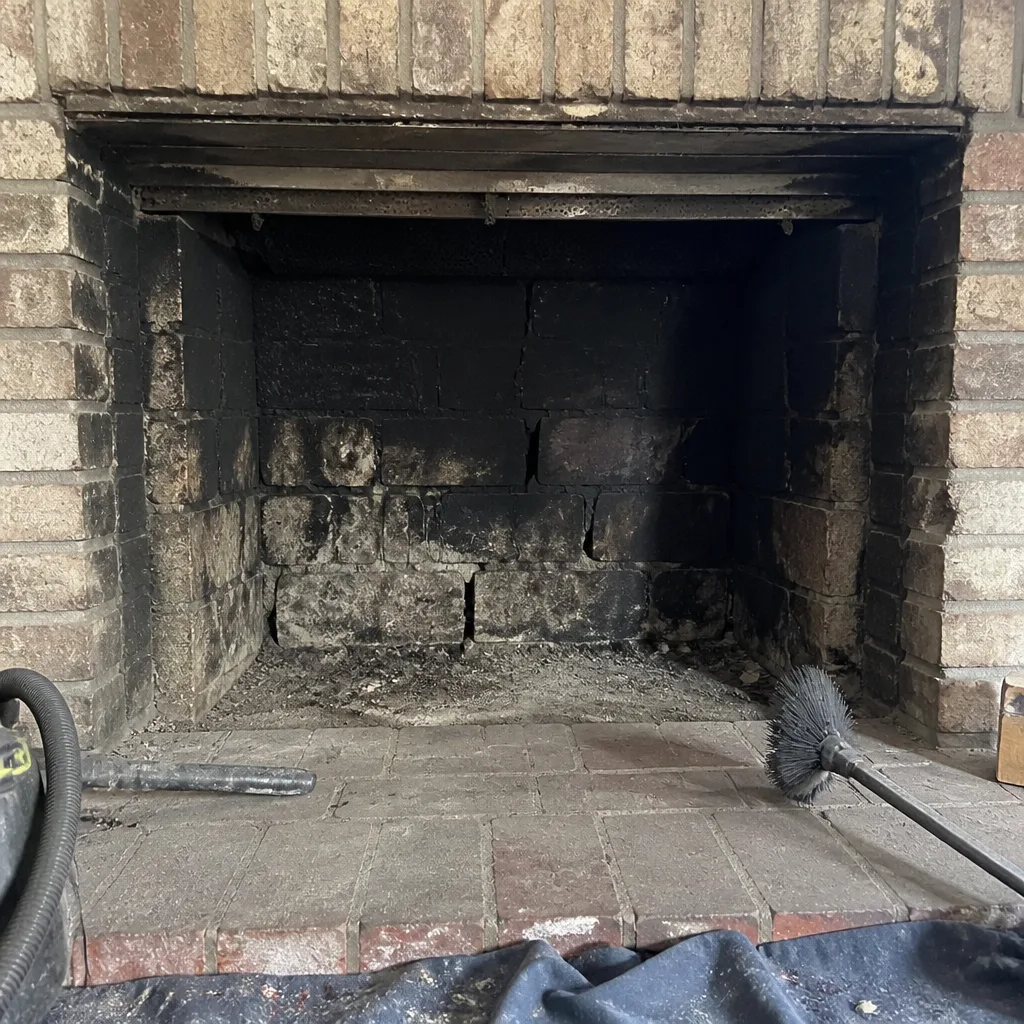 Before
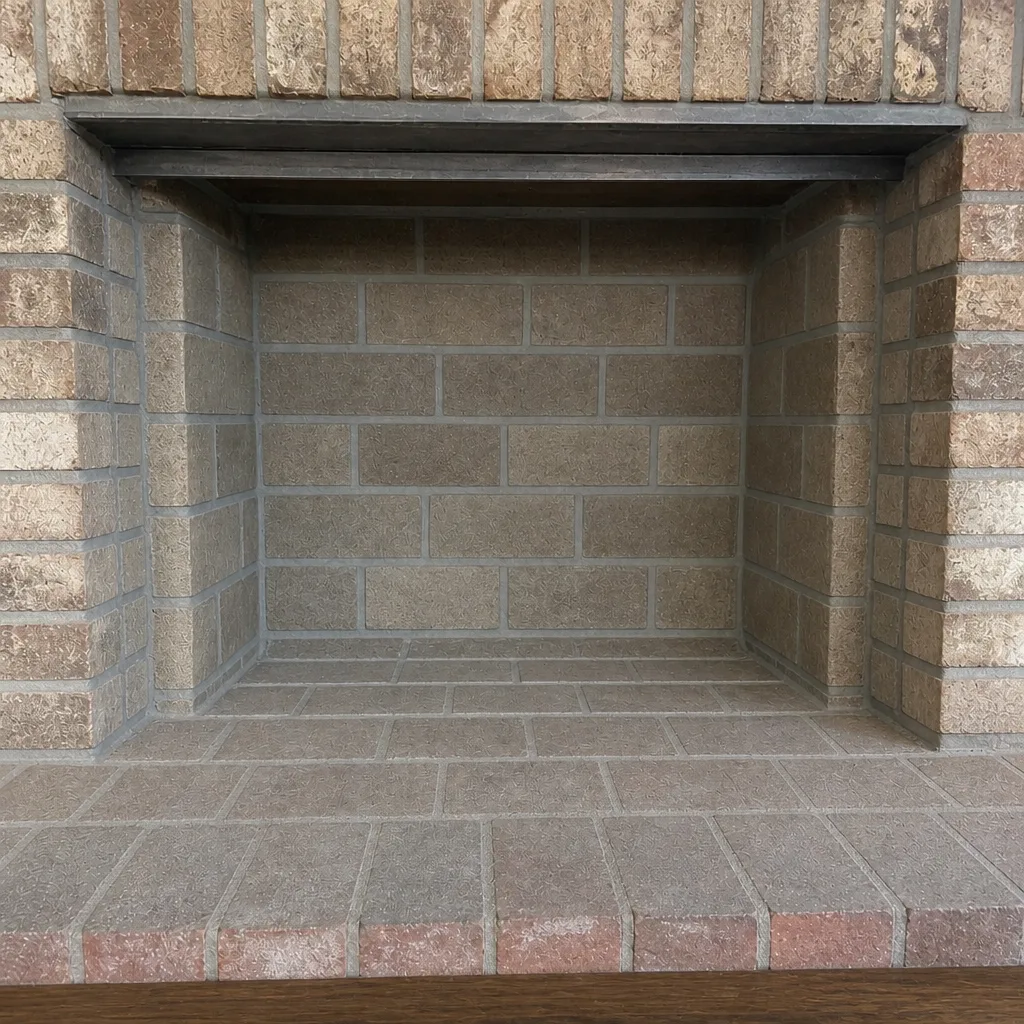 After
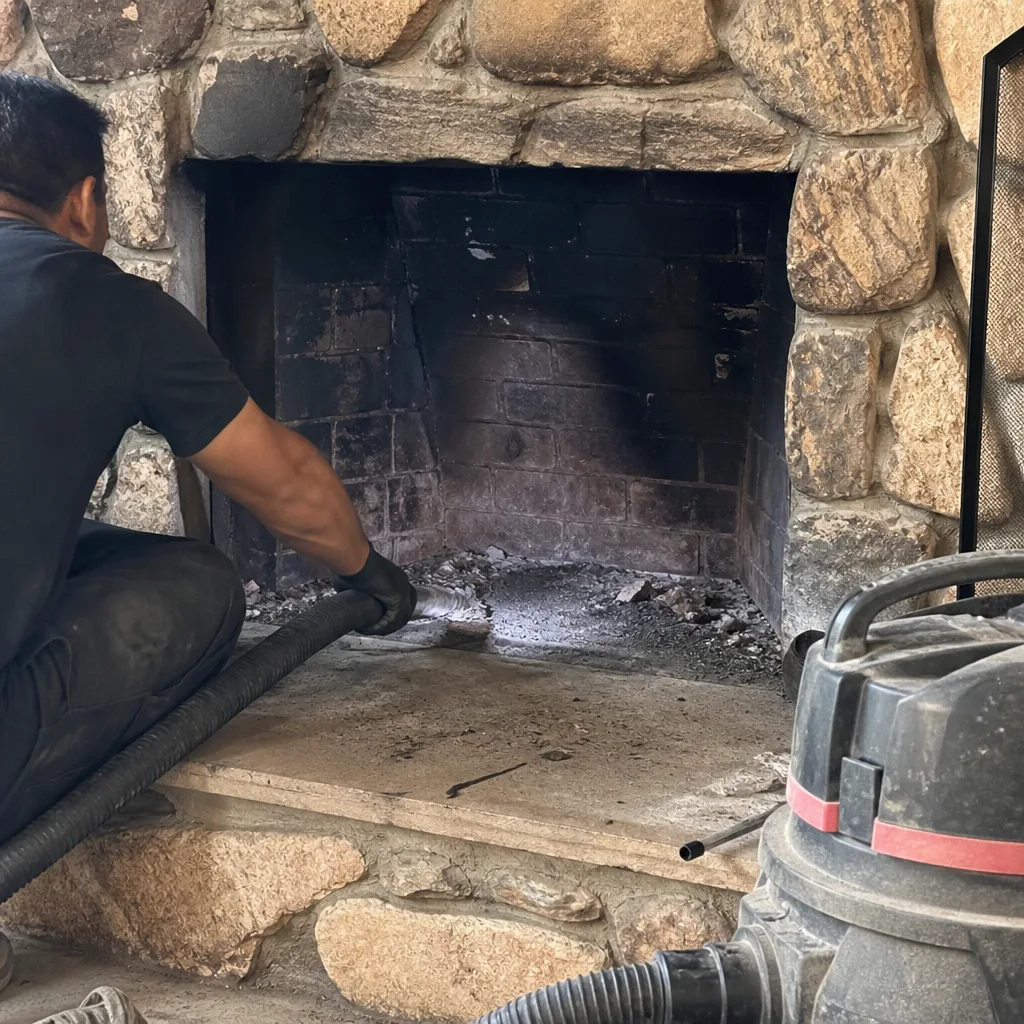 Before
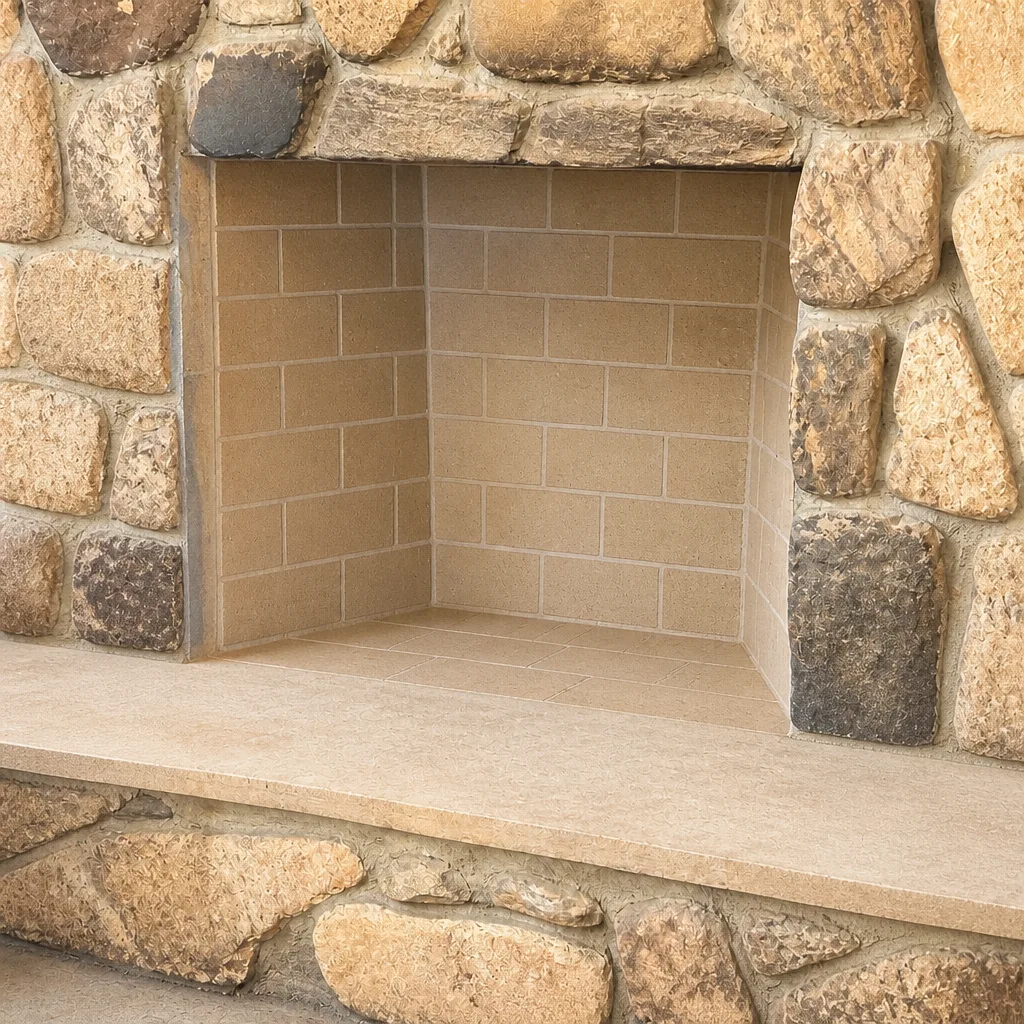 After
When to Call a Professional
Call a professional the moment you see smoke rolling into the room, a new or worsening exterior stain, a visible crack in the flue, a strong chemical smell after a fire, or creosote drips at the damper. Call before the first fire of the season if it’s been more than a year since your last sweep, if your cap is loose or missing, if a summer smell has developed, or if your fire has ever behaved unpredictably. Call if an animal has been in or around the flue. Call if you’re not sure whether what you’re seeing is a problem at all. A picture and a phone conversation is enough for us to tell you whether it warrants an inspection. Chimney Sweep Placentia offers free estimates in Placentia, and the technician who looks at your system is the same one who explains what’s actually going on inside it. Call (844) 625-6823. We answer 24/7. Fast dispatch from 7am to 7pm, Sunday through Friday. Closed Saturday.
Frequently Asked Questions
The most common are exterior efflorescence or rust staining, smoke rolling into the room, a persistent smell between fires, and creosote drips at the damper. In Placentia, the most-missed sign is a summer smell, which usually points to glazed creosote absorbing humidity or an animal in the flue. If you’re seeing any of these, call (844) 625-6823 for an exact quote. Estimates are free.
Yes. White efflorescence on a chimney means water is traveling through the masonry and evaporating on the surface, which usually points to a breach in the liner or crown. It’s not the harmless cosmetic staining you see on concrete. It will get worse with each rain. Get it inspected before you paint over it or treat it. Call (844) 625-6823 to schedule.
Because glazed creosote absorbs humidity and releases that smoky smell back into the house, or because an animal has taken up residence in an uncapped or damaged flue. Ash alone doesn’t produce that smell in a dry flue. Both causes are found by camera inspection, and glazed creosote is the most flammable form, so it’s worth scheduling before the next burning season. Call (844) 625-6823.
Look for cracks or separation in the crown at the top of the chimney, or rust streaks and bent mesh on the cap above the flue. A failed crown lets water directly into the chimney top, and a failed cap lets water and animals in. Both are found in a single inspection visit. Call (844) 625-6823 for an exact quote. Estimates are free.
New whistling, downdrafts that push cold air or smoke back into the room, rumbling or popping during a fire, and scratching from inside the flue. Any of these points to a structural cause, not just normal fireplace noise. A sound that started this year and wasn’t there last year is the strongest signal. Call (844) 625-6823.
You usually need both, and they’re different visits. A sweep cleans the flue. An inspection diagnoses the structure, liner and cap with a camera. Warning signs like efflorescence or summer smell mean the inspection is the part you can’t skip, and the sweep often happens in the same appointment once the camera check is done. Call (844) 625-6823 to book.
The Bottom Line
Chimney problems in Placentia rarely announce themselves with drama. They show up as a white streak on the exterior, a smell in July, a whistle that wasn’t there last year, or smoke that drifts into the room instead of up the flue. The framework is simple: know what each sign points to, sort it into monitor, schedule or stop, and call before the stop signs become something structural. A clean flue is a safe flue, but a structurally sound flue is what keeps it that way long-term. One call covers the inspection, the sweep, the repair if you need one, and the cap and crown that protect the whole system. No handoff, no guesswork.
Call (844) 625-6823. We answer 24/7. Fast dispatch from 7am to 7pm, Sunday through Friday. Closed Saturday. The estimate is free and the price is set per job by a written estimate you can read before anything starts.
Written by the team at Chimney Sweep Placentia.