
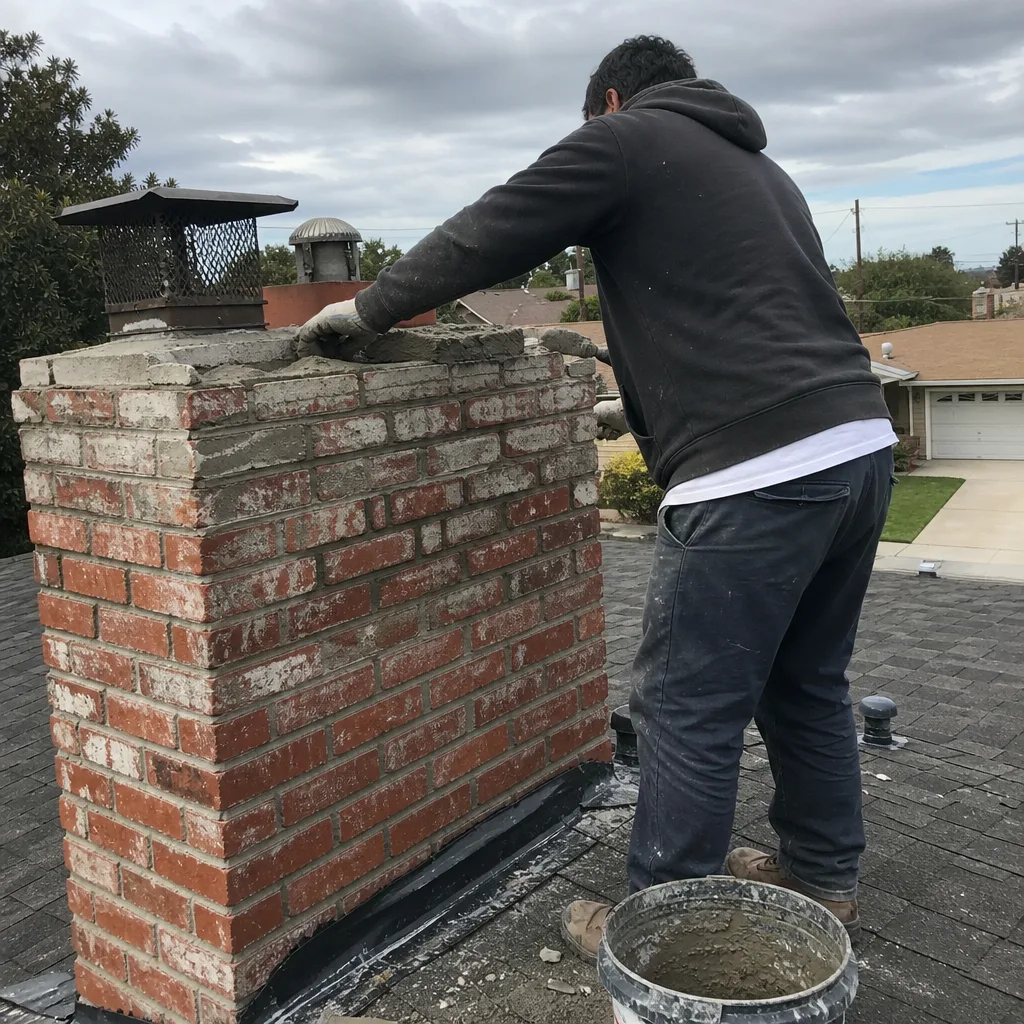
Last updated November 25, 2026
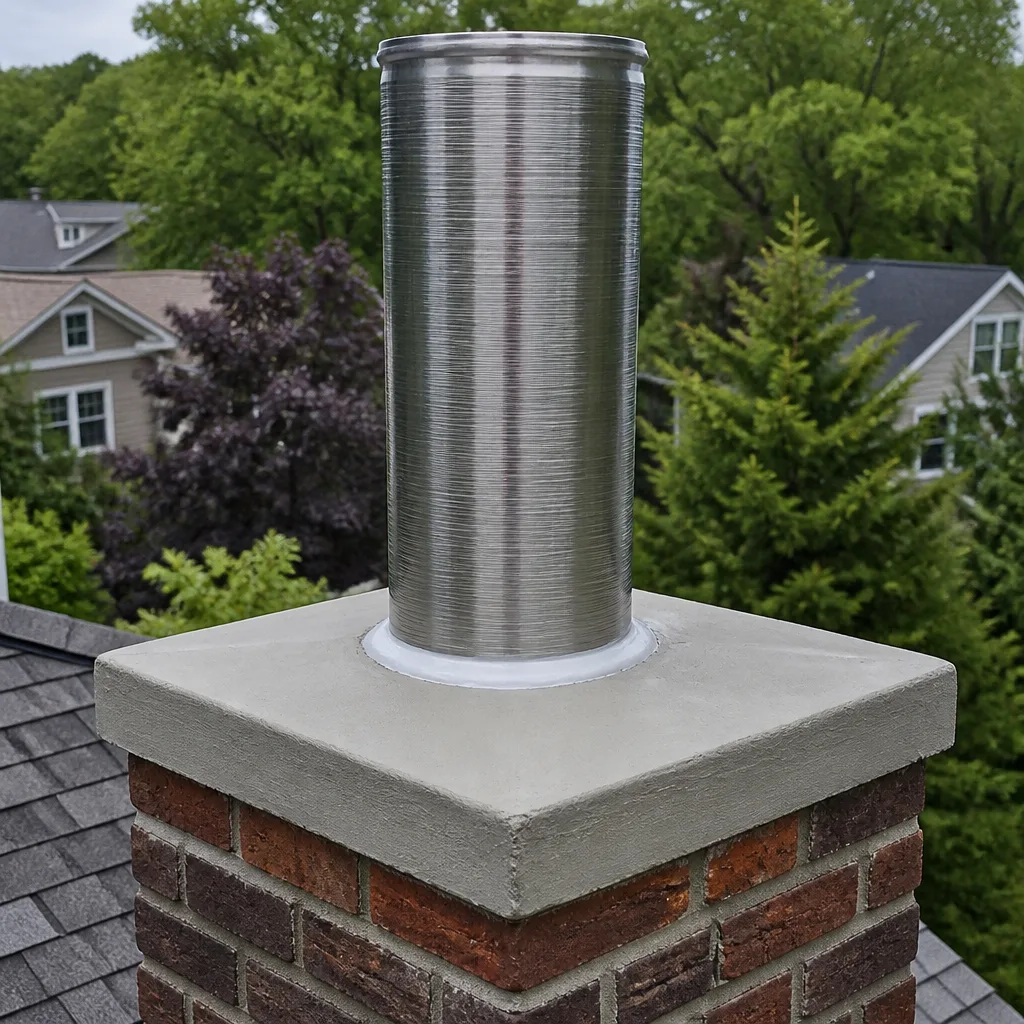
 Sweep & inspection
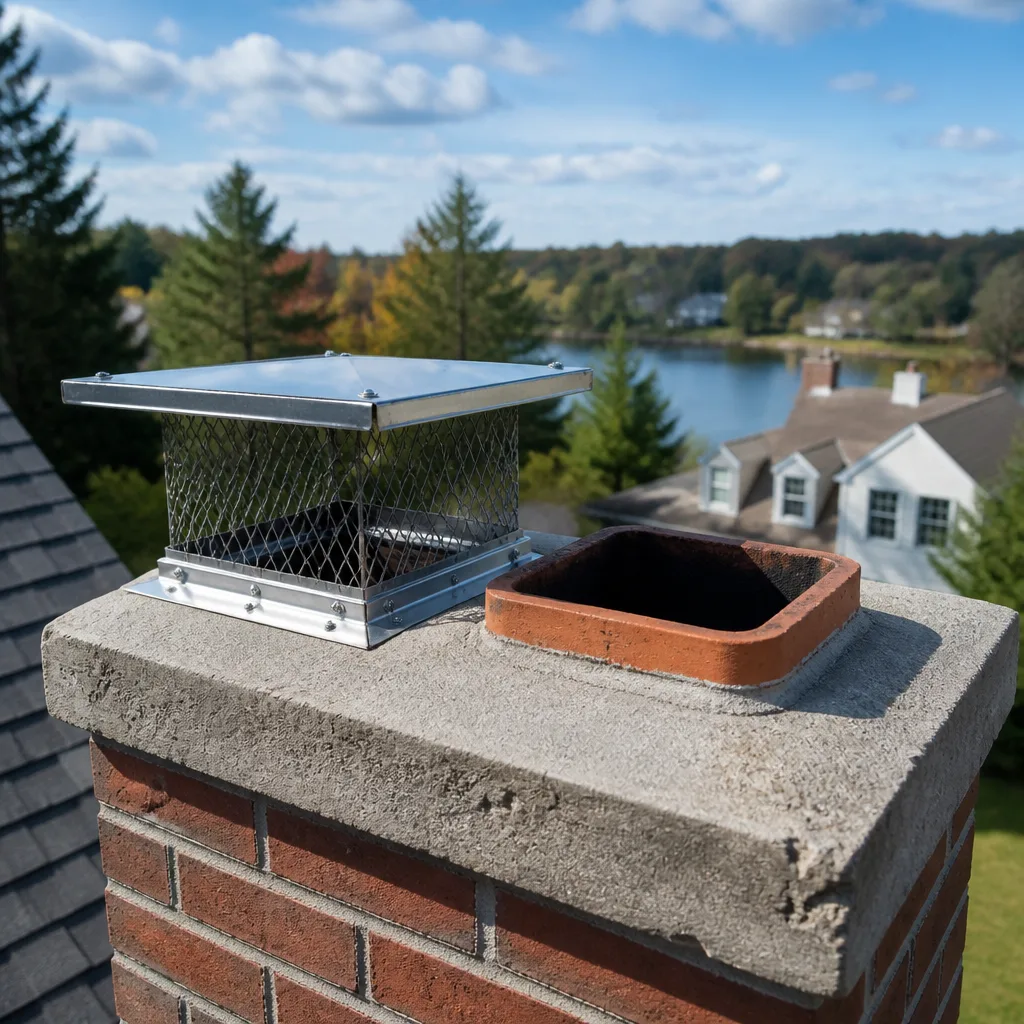
 Caps & crowns
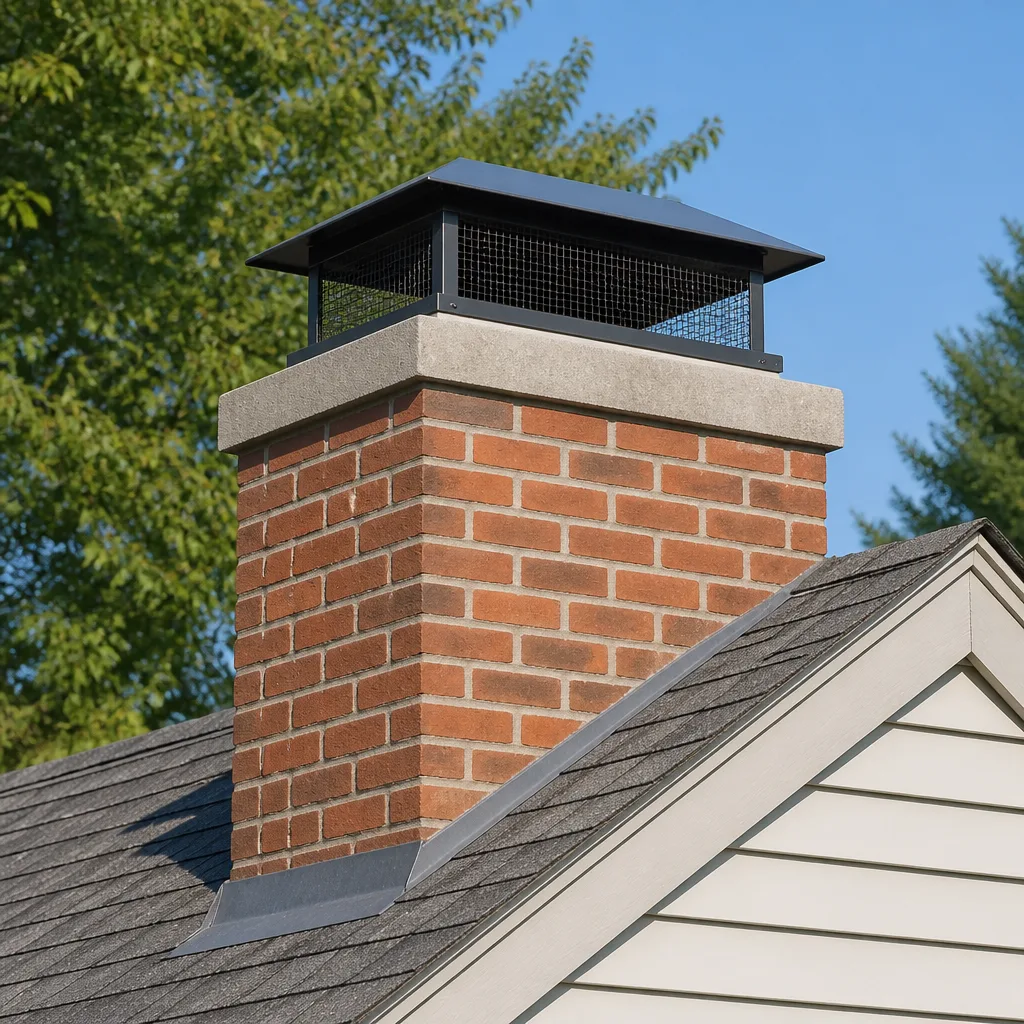
 Flue relining
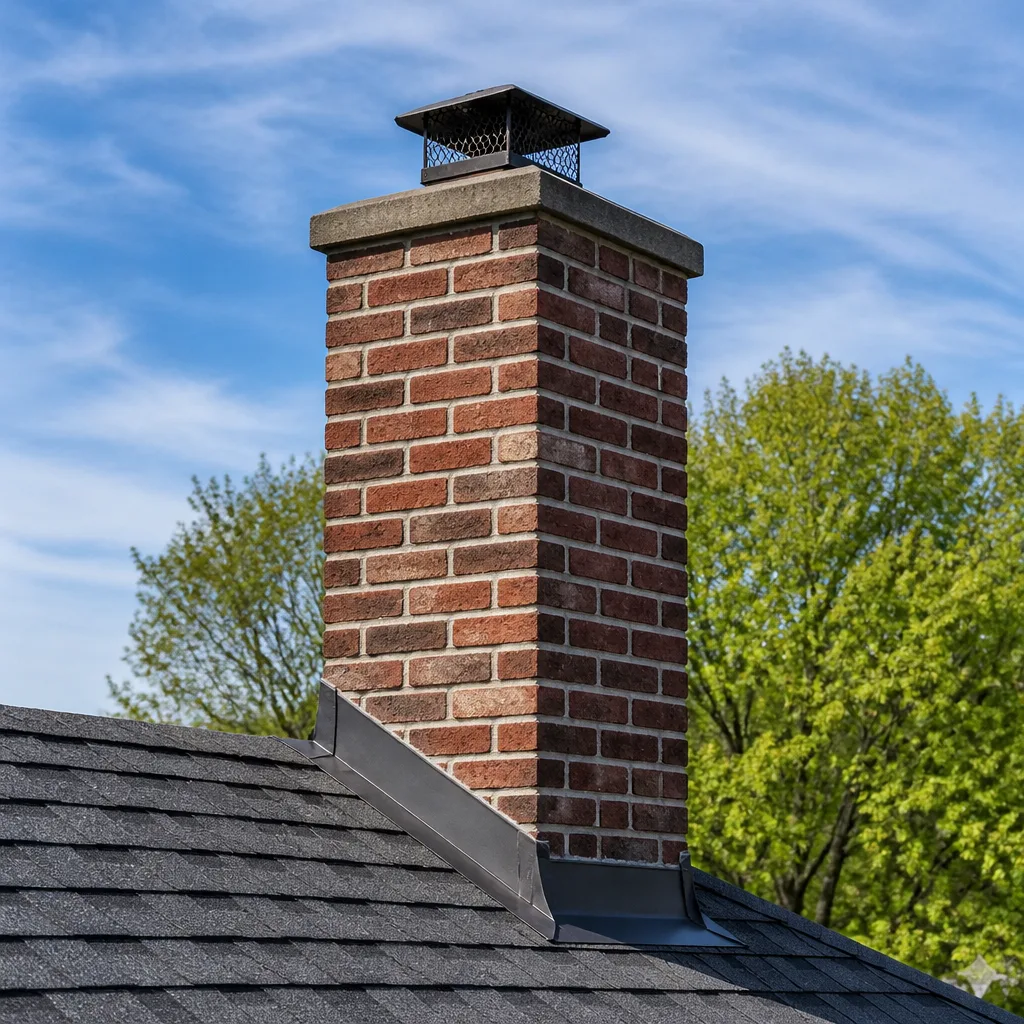 Masonry repair
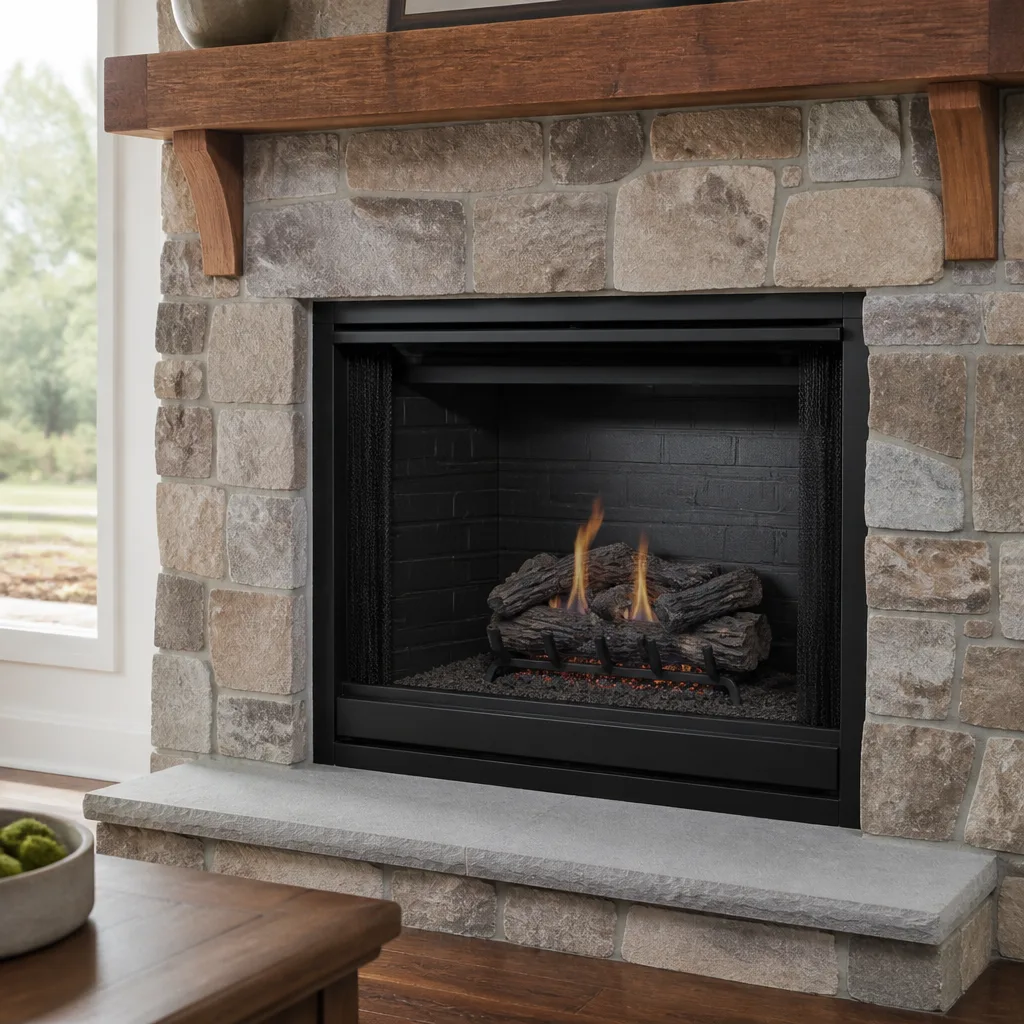 Gas fireplace service
Level 1 sweep and inspection to the NFPA 211 annual standard - flue, crown, cap, and flashing checked and photographed
Chimney sweep logs do not sweep chimneys. They loosen some creosote - which then falls where a brush and vacuum still have to collect it.
DIY vs Professional Chimney Cleaning: The Placentia Homeowner’s Decision Guide
You can buy the same rotary brush system a sweep uses for under $100. What you cannot buy at that price is the rigid inspection camera that shows the hairline crack in a clay tile liner, the one currently venting combustion gases into the chase cavity instead of out the top of the chimney. That gap – between what a brush can remove and what only a camera can reveal – is the whole DIY-versus-professional conversation. In this guide we define exactly what a homeowner can accomplish with rods and a brush, where the technical ceiling sits, and how Placentia homes in particular should think about the decision.
Quick Answer
DIY chimney cleaning is reasonable for light, routine creosote removal in a chimney you already know is sound, using the right brush for your flue type and full protective gear. It is not a substitute for a professional inspection, because cleaning removes deposits while inspection assesses liner integrity, smoke chamber condition, damper seal, flashing, and cap function – five things no brush can evaluate. For most Placentia homeowners burning regularly, a professional sweep with a camera inspection is the safer and ultimately cheaper decision.
Styles & brands we work with
- Sweep & inspection
- Caps & crowns
- Flue relining
- Masonry repair
- Gas fireplace service
Table of Contents
- What DIY Chimney Cleaning Can Actually Accomplish
- The Tools It Takes to Do It Right
- Five Things a Professional Inspection Reveals That Cleaning Cannot
- Placentia Scenarios: When DIY Is Reasonable and When It Creates False Safety
- Liability and Insurance: Why Documentation Matters
- Time, Cost, and Risk: DIY vs Professional Side by Side
- Common Mistakes to Avoid
- When to Call a Professional
What DIY Chimney Cleaning Can Actually Accomplish
Let’s be honest about the ceiling. A homeowner with the right equipment can remove soot and light creosote from the accessible flue of a straight, sound chimney. That is a real task, and doing it competently is not impossible. What you are doing is maintenance on a system you already know is healthy – not evaluating whether it is healthy.
Here is what a homeowner cleaning can legitimately cover:
- Surface soot removal from a flue you have already had professionally inspected and know is sound.
- Light, dry, flaky creosote (the first-stage deposits) in a straight flue with no offsets.
- Firebox and damper-area sweeping, the ash and debris that collects at the bottom.
- Ash removal from the firebox between burns.
- Visual checks of the firebox for obvious cracks or loose brick.
What it does not cover is any chimney with an offset, a smoke chamber, a liner that may be cracked, a cap that may be failing, or creosote that has progressed past the flaky stage into glazed, tar-like deposits. Glazed creosote does not respond to a standard brush at all; it needs chemical treatment and mechanical rotary tools, and it needs a professional to assess how much is there and whether the flue can take the cleaning without further damage.
In our experience across Placentia, the homes where DIY cleaning makes the most sense are the ones where a professional has already told the homeowner the chimney is in good shape and simply needs an annual brush. Homes where the chimney has never been inspected, or has sat unused for years, are exactly the wrong candidates for a first DIY attempt – there is too much unknown.
The Tools It Takes to Do It Right
If you are going to clean your own flue, the tool list is longer than most people expect. Skipping any of it turns a maintenance task into an injury risk or a mess you’ll be cleaning up for weeks.
- The correct brush for your flue type. A wire brush on a stainless liner will scratch and score the metal, creating a corrosion point. A poly brush on a clay tile flue may not be stiff enough to remove the deposit. You need to know what your flue is made of before you buy anything.
- Rods sized to your flue. Flexible rods in the right diameter for your chimney height. Too stiff and you damage the flue; too flexible and you cannot control the brush head.
- A rotary system for anything beyond flaky creosote. This is the part that pushes DIY cost toward the professional price. A basic whip or rotary head plus the drill to drive it is not the under-$100 entry point people see advertised.
- A drop cloth and sealed plastic sheeting. Soot travels. Tape off the firebox opening completely, and understand that a draft can pull fine soot through the house regardless of how careful you are.
- A proper respirator. Not a dust mask. A fitted respirator rated for fine particulates, because creosote soot is exactly the kind of particle you do not want in your lungs.
- Goggles, gloves, and old clothing you can throw away.
- A flashlight and a mirror. For a visual look up the flue and down the smoke chamber, which tells you something but far from everything.
Add up the brush, the rods, the rotary head, the drill, the respirator, and the drop cloths, and the “DIY is cheaper” math starts to close. If you clean once and never again, you have spent nearly what a professional sweep costs and gotten a fraction of the diagnostic value. If you clean annually, the tools pay for themselves eventually – but the inspection gap remains every single year.
Five Things a Professional Inspection Reveals That Cleaning Cannot
This is the heart of the argument. Cleaning is a physical task; inspection is a diagnostic one. A camera inspection, run down the flue and into the smoke chamber with real-time video the homeowner watches, surfaces problems a brush cannot see from the top or from the firebox.
1. Liner Integrity
The flue liner is what protects the wood framing of your house from the heat and gases of a fire. Clay tile liners develop hairline cracks, spalling, and gaps at the joints; stainless liners can separate or corrode at the seams. You cannot see any of this from the top of the chimney or the bottom of the firebox. A camera sees it directly. A cracked liner is the single most common reason a chimney is unsafe to use, and a cleaning cannot find one.
2. Smoke Chamber Coating Condition
The smoke chamber is the tapered space above the damper and below the flue. Older homes often have rough, unparged masonry there, which collects creosote and is very difficult to clean. A professional assesses whether the smoke chamber needs parging – resurfacing with a product like HeatShield – to smooth it and restore a proper surface. A brush cannot evaluate this; it can only knock down what is reachable.
3. Damper Seal
A damper that does not close fully leaks heated air out of the house all year and lets cold air in. The seal is a physical fit issue, and you have to be at the damper to see it. That means lifting the damper assembly or viewing it with a camera from above. Most homeowners cannot tell whether their damper is sealing properly by feel alone.
4. Flashing
Flashing is the metal where the chimney meets the roof. Failed flashing is the most common source of chimney water intrusion, and the damage it causes – rotted framing, stained ceilings – shows up far from the source. You need to be on the roof and know what to look for. A cleaning does not touch flashing, and cleaning will not reveal that it has failed.
5. Cap Function
A chimney cap does two jobs: it keeps rain and animals out, and it controls draft. A cap with a damaged mesh, a loose crown connection, or a gap where it meets the flue is a water entry point and a wildlife entry point. Assessing cap function is a roof-level inspection task. It is also, in our experience, the single most common thing Placentia homeowners are surprised to learn about their own chimney.
If you want the full process laid out step by step, our chimney sweep page covers what a professional visit actually involves from arrival to written report.
Placentia Scenarios: When DIY Is Reasonable and When It Creates False Safety
Context matters more than a generic rule. Placentia homes sit in a mild-winter climate, which changes how often and how aggressively chimneys get used. We do not see the heavy, sustained burn seasons of colder regions; we see homes where a fireplace is used on cool evenings through the winter and occasionally in spring. That pattern produces less creosote per year than a cold-climate home would – but it does not eliminate it, and it does not mean the chimney is healthy. Mild winters actually lull homeowners into skipping inspections because the annual burn volume feels low.
Here is how we would sort the scenarios:
DIY is a reasonable interim measure when:
- The chimney was professionally inspected within the last couple of years and found sound.
- The flue is straight, accessible, and you know its material.
- You are burning dry, seasoned wood and the deposits are light and flaky.
- You are cleaning out of season, not trying to diagnose a problem before a fire.
- You are already booked for a professional inspection and just want to knock down the easy deposits.
DIY creates a false sense of safety when:
- The chimney has never been inspected, or the last inspection is old enough that you cannot remember when it was.
- You have no idea what the flue liner is made of or whether it has cracks.
- There has been a chimney fire, even a small one you put out yourself.
- The chimney has been unused for a season or more and something may have nested in it.
- You smell smoke in the house when the fireplace is not lit, or you notice staining or water at the ceiling near the chimney.
- You cannot see the top of the chimney from the ground and do not know if the cap is intact.
The false-safety problem is the real risk. A homeowner who sweeps their own flue and then uses the fireplace believes the chimney is safe. It may not be. The act of cleaning feels like verification, and it is not. If you have a gas fireplace insert rather than a wood-burner, the picture shifts further – gas units have different venting and different inspection needs, and DIY cleaning of a gas vent is rarely appropriate. Our fireplace repair page covers the gas-side considerations.
Liability and Insurance: Why Documentation Matters
This is the part nobody likes to talk about, and it matters. A chimney fire is one of the leading causes of house fires, and when an insurer investigates a chimney-related claim, one of the first things they look for is a record of professional inspection and maintenance. A documented sweep and inspection creates a paper trail. A homeowner who swept their own flue creates no such trail.
That does not mean a self-maintained chimney is uninsurable – most policies do not require professional cleaning as a condition of coverage. But it does mean that if a fire occurs, the absence of maintenance records can complicate a claim. An insurer is entitled to ask whether the homeowner took reasonable steps to maintain the system. A written inspection report with photos answers that question cleanly. Nothing does not.
There is a second liability layer for anyone selling a home in Placentia. Buyers’ inspectors increasingly flag chimneys, and a seller who can produce a recent professional inspection and sweep report has a straightforward answer. A seller who cannot may face renegotiation or a buyer demanding a chimney inspection before closing – which happens anyway, just with more friction and less time.
We do not tell homeowners that a professional inspection is mandatory by law – it is not, in most residential situations. We do tell them that it is the only version of “the chimney is safe” that can be documented. If you need structural work after inspection, our chimney repair page outlines what that involves and how we approach it.
One more piece of the liability picture: the inspection report itself. A formal inspection produces a written record of the chimney’s condition at a point in time, including any defects found and any work recommended. That document is what a homeowner has to show an insurer, a buyer, or a future service provider about what the chimney looked like and when. A DIY cleaning produces memories. If you want to understand what our formal inspections include, our Chimney Sweep Placentia page describes the process and the report.
Time, Cost, and Risk: DIY vs Professional Side by Side
This is where the honest math gets done. Cost estimates for professional chimney work vary by home, access, and condition; the ranges below are typical for the Placentia area and are estimates only. The written estimate from any provider sets the final price.
| Factor | DIY | Professional |
|---|---|---|
| Tools/equipment cost | Brush, rods, rotary head, respirator, drop cloths – roughly $100 to $300 depending on flue type | Included in the service price |
| Time per cleaning | Two to four hours for a first-timer, plus cleanup | Scheduled appointment, typically an hour or two on site |
| Typical service cost | Tool investment (one-time, reusable) | Roughly $150 to $300 for a standard sweep |
| Inspection included | No | Yes – camera inspection and photo report |
| Written documentation | No | Yes – report on record |
| Risk of missing a liner crack, failed cap, or flashing issue | High | Low – those are the things the inspection looks for |
| Risk of physical injury or property damage from the cleaning itself | Real, especially on the roof or with a rotary tool | Carried by the service |
Read that table honestly. The DIY cost looks lower up front. But the DIY column is missing the inspection, and the inspection is the part that answers the question every homeowner actually wants answered: is my chimney safe to use? If the answer is “I don’t know,” the DIY saving is not a saving.
The other comparison is what happens after the cleaning. A professional sweep who finds a problem can tell you whether it is urgent, whether it can wait, and what the fix involves – and can often resolve it. Sweep, inspection, cap and crown, and structural repair all sit in the same scope, so there is no handoff to a second contractor and no gap in accountability. If you’d like a detailed pricing breakdown, our chimney repair page walks through the repair side, and the sweep page covers routine cost expectations.
One more point about timing. Blocking out a Saturday afternoon to clean your own flue and then discovering you need a repair means the repair happens on a different schedule. Booking the sweep and inspection together compresses the whole task into a single visit, which is exactly the kind of scheduling economy that matters when the fireplace is about to come back into use.
Common Mistakes to Avoid
- Using the wrong brush material for the flue. A wire brush on a stainless liner scratches the metal and creates a corrosion point; a soft brush on heavy clay deposits does nothing. Match the brush to the flue, always.
- Cleaning from the roof as a first-time DIY. Roof work on a two-story Placentia home is a fall risk, and the roof is not a place to learn safe footing. Clean from the bottom, or leave the roof work to a professional.
- Assuming a clean flue means a safe chimney. A clean flue tells you nothing about the liner, the smoke chamber, the damper, the flashing, or the cap. Cleaning and inspection are not the same job.
- Skipping the inspection because the sweep went fine. The sweep is the physical work; the inspection is the diagnostic. A chimney can look immaculate inside and still be unsafe because of a crack the brush never touched.
- Cleaning a chimney that has had a fire without a professional evaluation. A chimney fire, even a small one contained in the flue, can crack tiles and warp metal. Nothing about that is visible from the firebox.
- Ignoring the cap and crown because they are “up there.” Cap and crown failure is the most common water entry point on a chimney. Water damage to the chimney structure and the surrounding framing does not announce itself until it is expensive.
- Not keeping records. Every cleaning and inspection is documentation. Keep the reports, because they are the only evidence you have if an insurer or a buyer asks.
When to Call a Professional
Call a professional when any of these is true: the chimney has never been inspected, an inspection is more than a couple of years old, there has been a chimney fire, the chimney has sat unused, you smell smoke in the house when the fireplace is not lit, you notice water staining or rust near the chimney, or you cannot clearly identify what your flue liner is made of. Also call if you have a gas fireplace insert rather than a wood-burner, or if you simply want the chimney’s condition on record before the next burn season. Chimney Sweep Placentia offers free estimates in Placentia – call (844) 625-6823. We answer 24/7, and fast dispatch from 7am to 7pm covers scheduled visits Sunday through Friday.
When the professional arrives, they should tell you what they find before quoting what it costs, and any recommended work should be backed by camera footage or photos you can see and understand. That is the standard we hold ourselves to. If a recommendation can wait, we say so.
See the difference
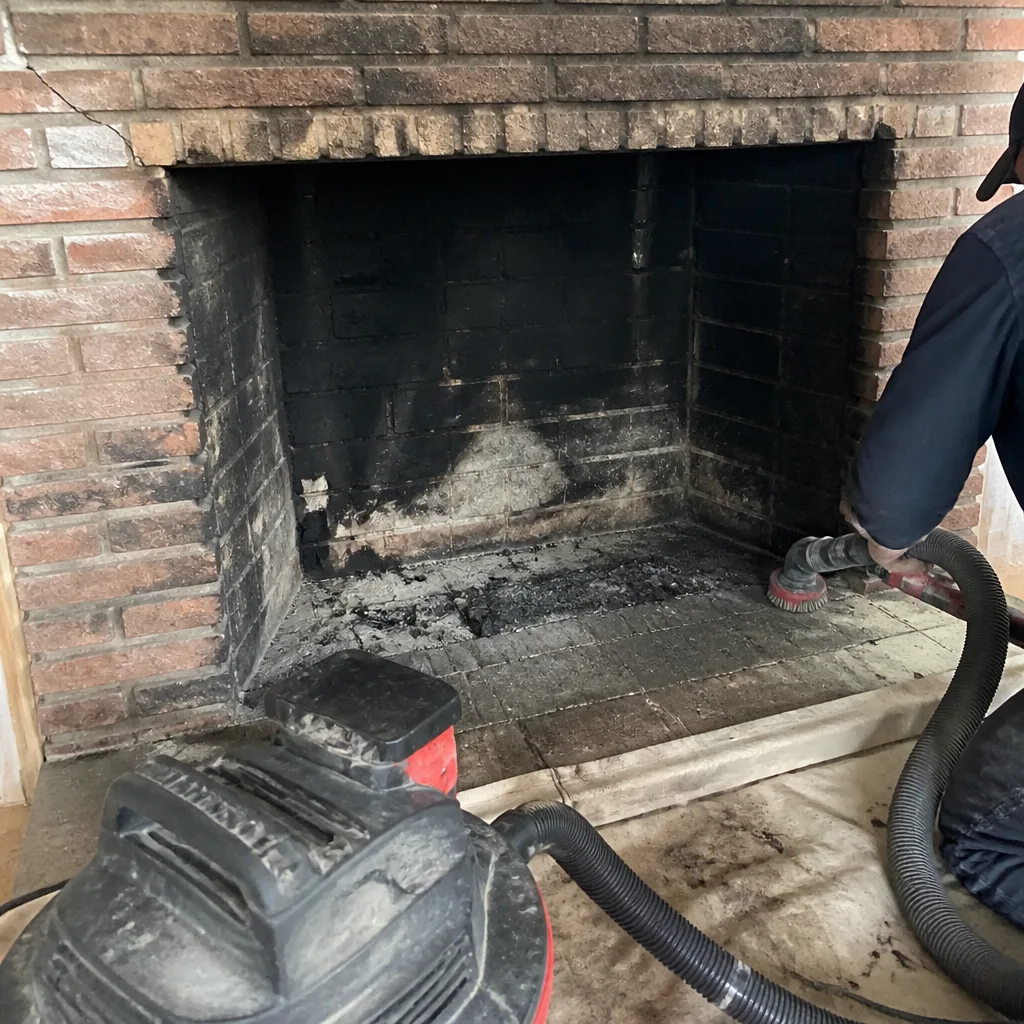 Before
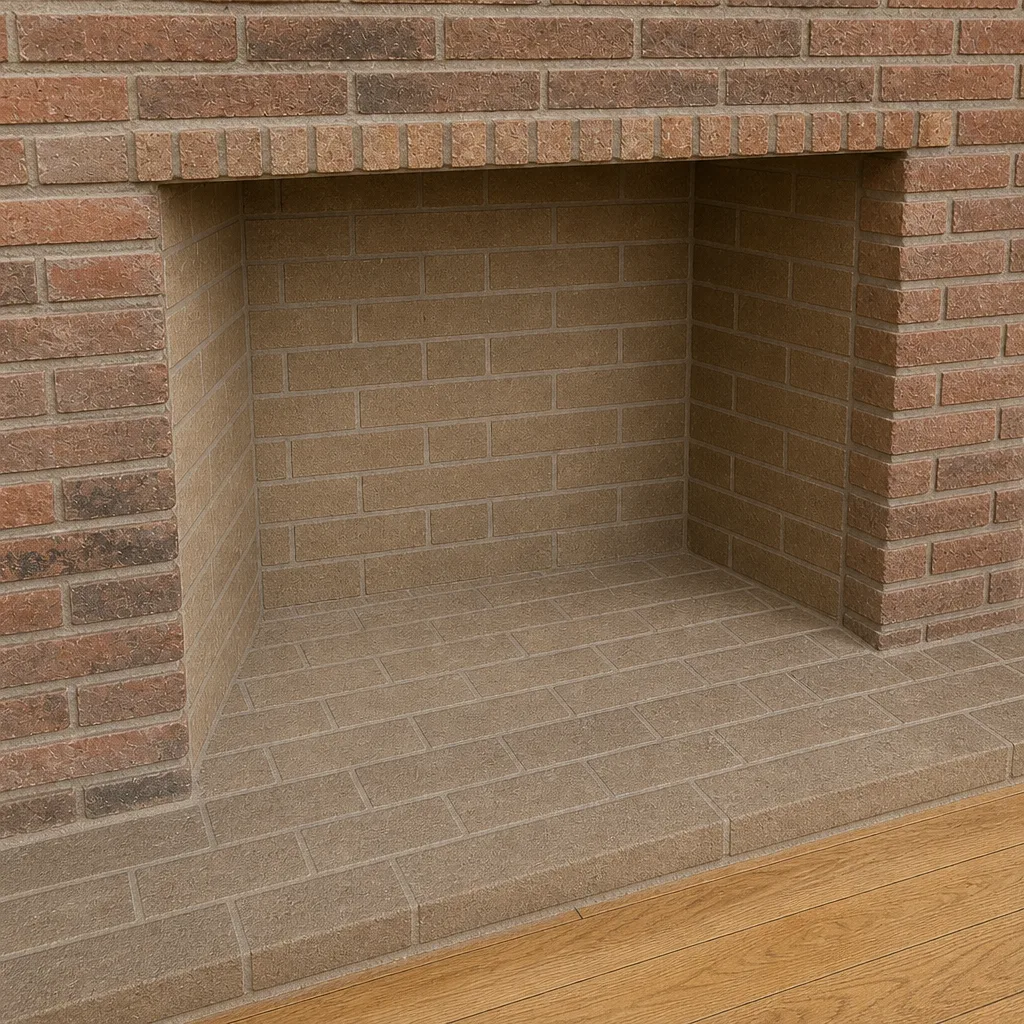 After
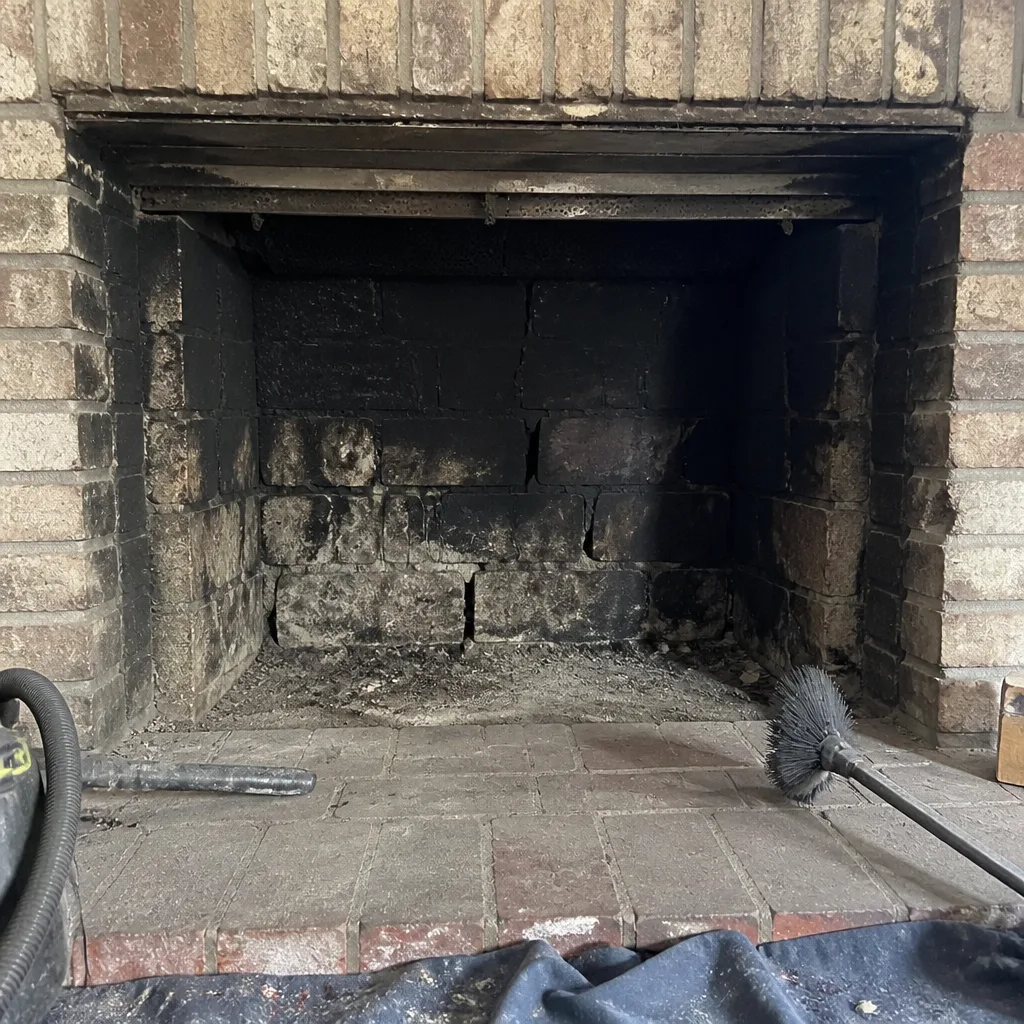 Before
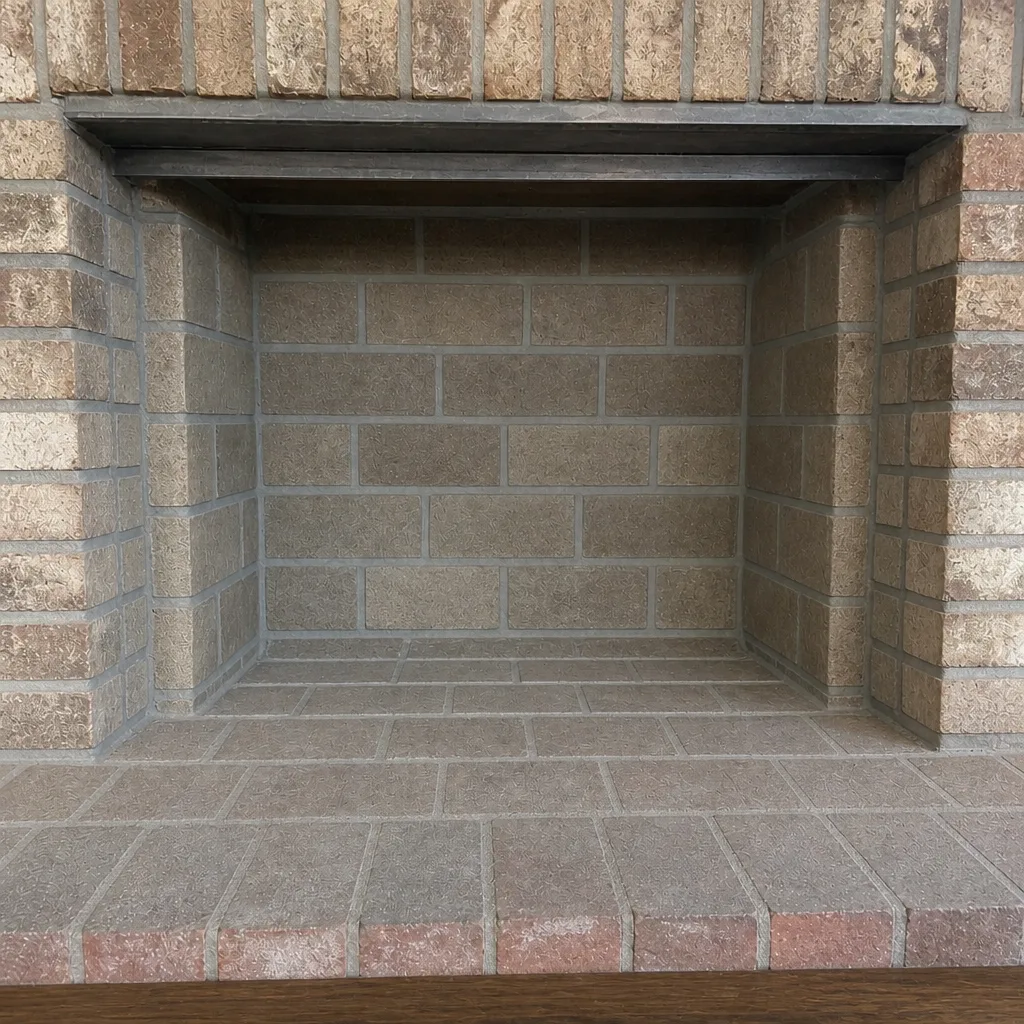 After
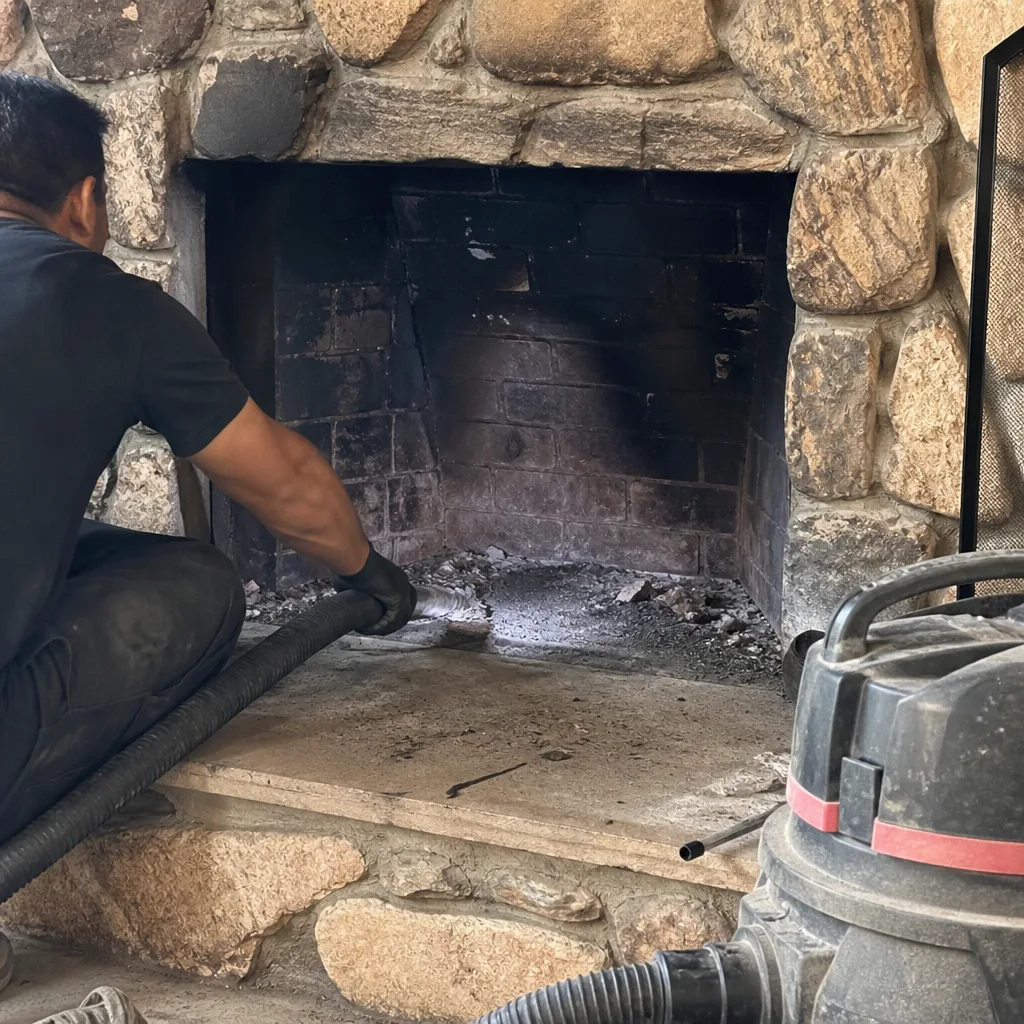 Before
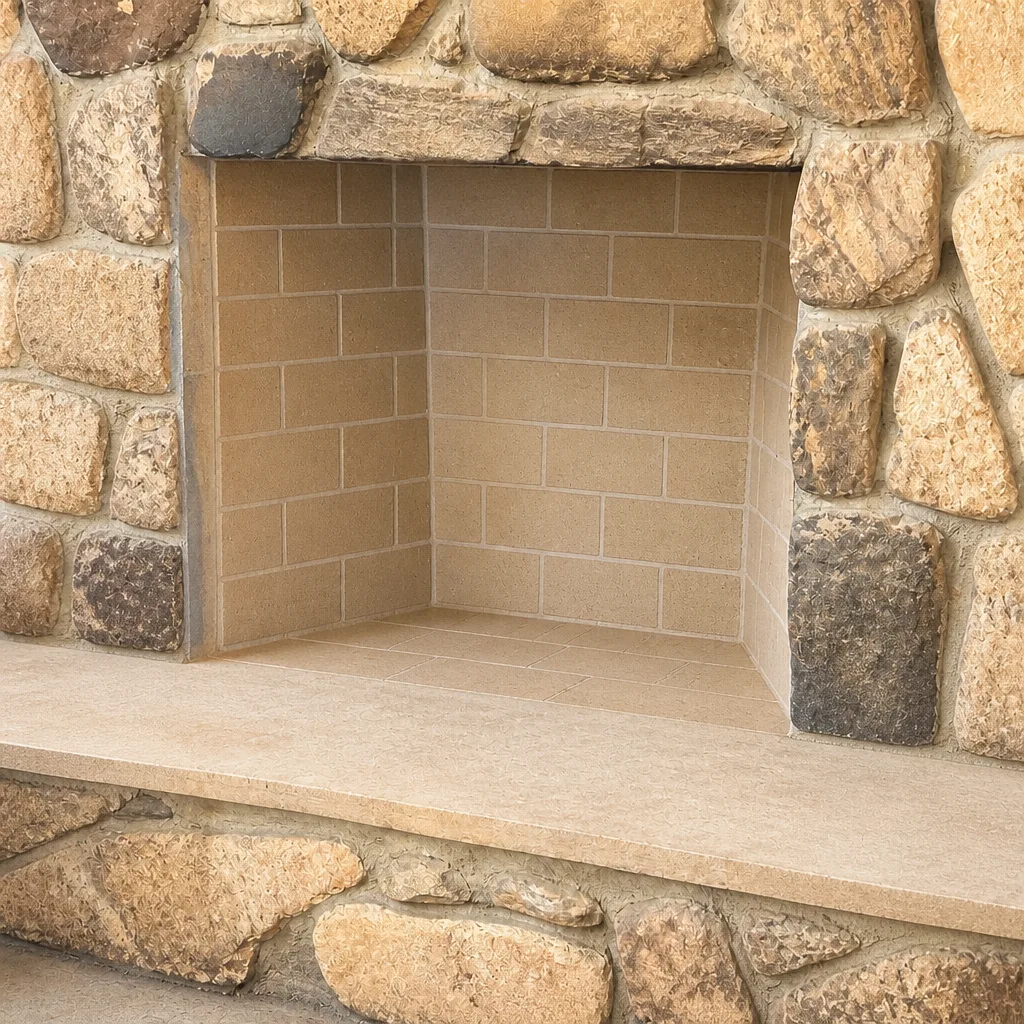 After
Frequently Asked Questions
Yes, if the chimney is sound, the flue is straight, and you have the right brush and rods for your flue material plus proper respiratory protection. What you cannot do with a brush and rods is verify that the chimney is safe to use – that requires a camera inspection.
Most comfortably used wood-burning chimneys should be swept once a year, whether or not the burn volume feels high. Placentia’s mild winters mean less creosote per season than colder regions, but creosote and debris still accumulate, and an annual sweep keeps the flue clear and gives you a yearly inspection touchpoint.
Yes, and this is the core of the DIY decision. Cleaning removes deposits; inspection assesses liner integrity, smoke chamber condition, damper seal, flashing, and cap function. An annual DIY cleaning with no inspection means those five things never get evaluated.
Most homeowner policies do not refuse coverage outright for lack of inspection, but an insurer investigating a claim will ask about maintenance and can complicate the process when no records exist. A documented professional inspection and sweep report is the clearest evidence of reasonable maintenance, which is why the paper trail matters.
A standard professional sweep typically runs roughly $150 to $300 and includes a camera inspection and photo report in most cases; DIY tool costs run roughly $100 to $300 one time with no inspection included. The written estimate sets the final professional price, and estimates are free. Call (844) 625-6823 for an exact quote.
You need a brush matched to your flue material, flexible rods in the right diameter, a rotary head and drill for anything beyond light flaky creosote, a fitted respirator, goggles, gloves, and sealed drop cloths. A flashlight and mirror help for a visual look. Roof access is not recommended for a first-time DIY cleaning.
The findings should be shown to you – photos or video, described plainly – and the options laid out, including what can safely wait. Repair scope can range from cap and crown work to liner service. HeatShield resurfacing can restore a deteriorating flue in some cases without full liner replacement, and a professional who stocks more than one approach can tell you which your chimney actually needs rather than defaulting to the most expensive fix.
The Bottom Line
DIY chimney cleaning works for maintenance on a chimney you already know is sound. It does not answer the question that actually matters – is this chimney safe to use – because the answer requires a camera inspection. The honest decision for a Placentia homeowner is to use DIY only as interim maintenance between professional visits, and to book the sweep and inspection as the real annual event. The tools are cheap; the diagnostic blindness is not. We explain what we find before we quote what it costs, and if the chimney can safely wait, we’ll tell you that too. Estimates are free.
Call (844) 625-6823 for a free estimate. We answer 24/7. Fast dispatch from 7am to 7pm, Sunday through Friday.
Written by the team at Chimney Sweep Placentia.