
Last updated November 25, 2026
 Sweep & inspection
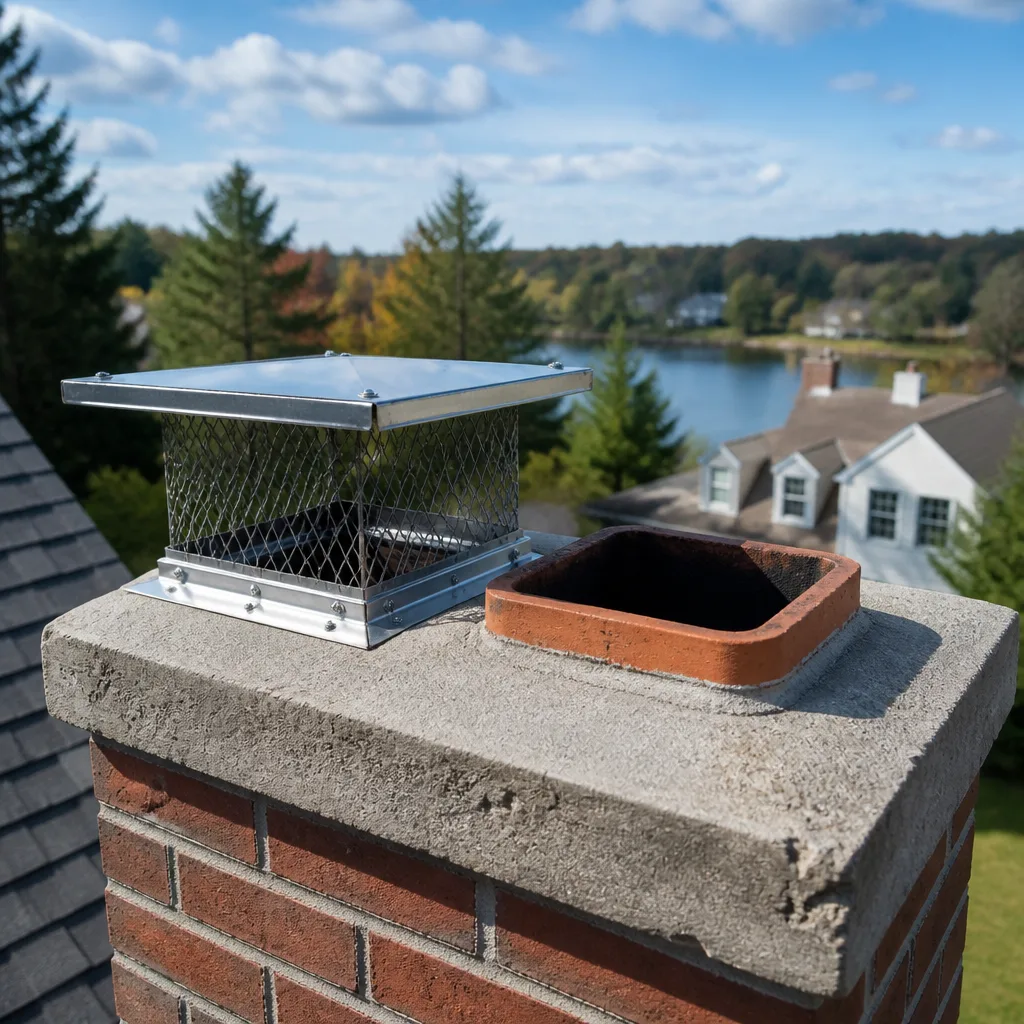
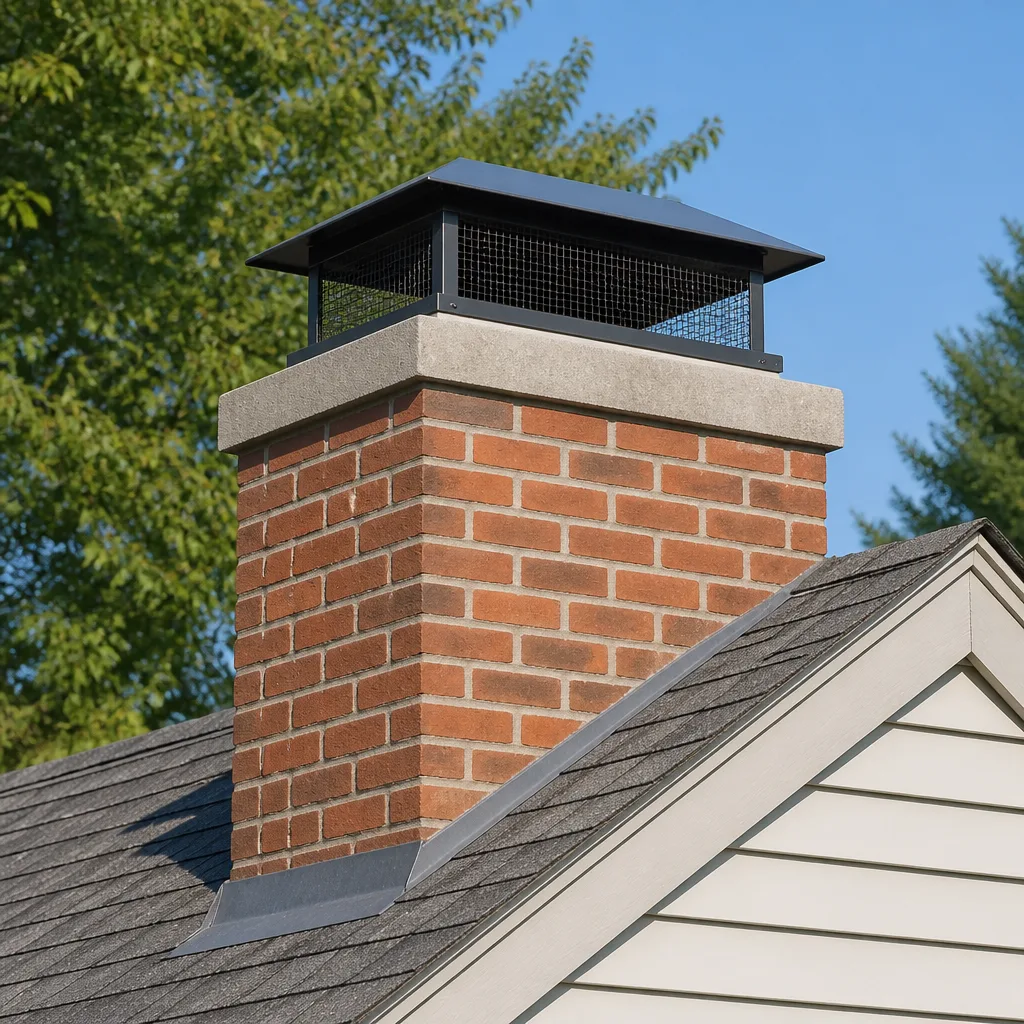 Caps & crowns
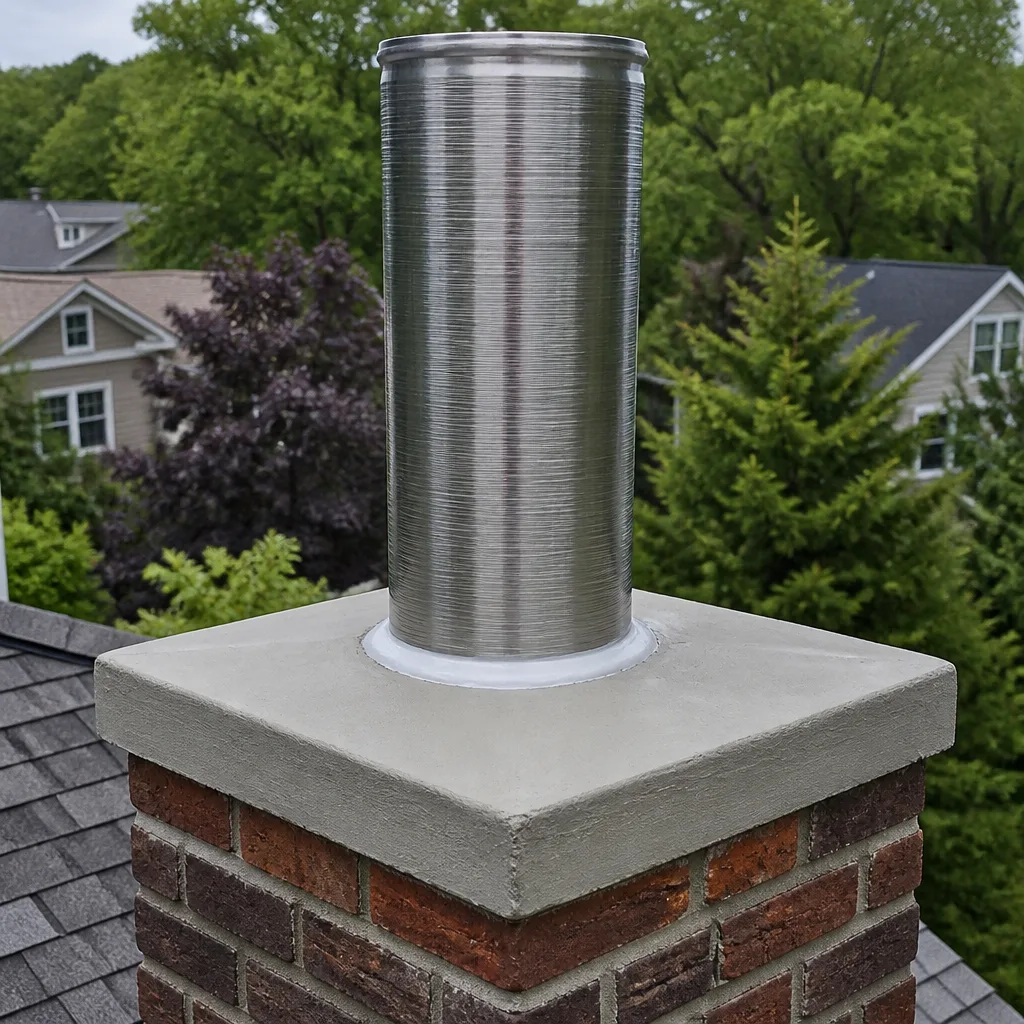 Flue relining
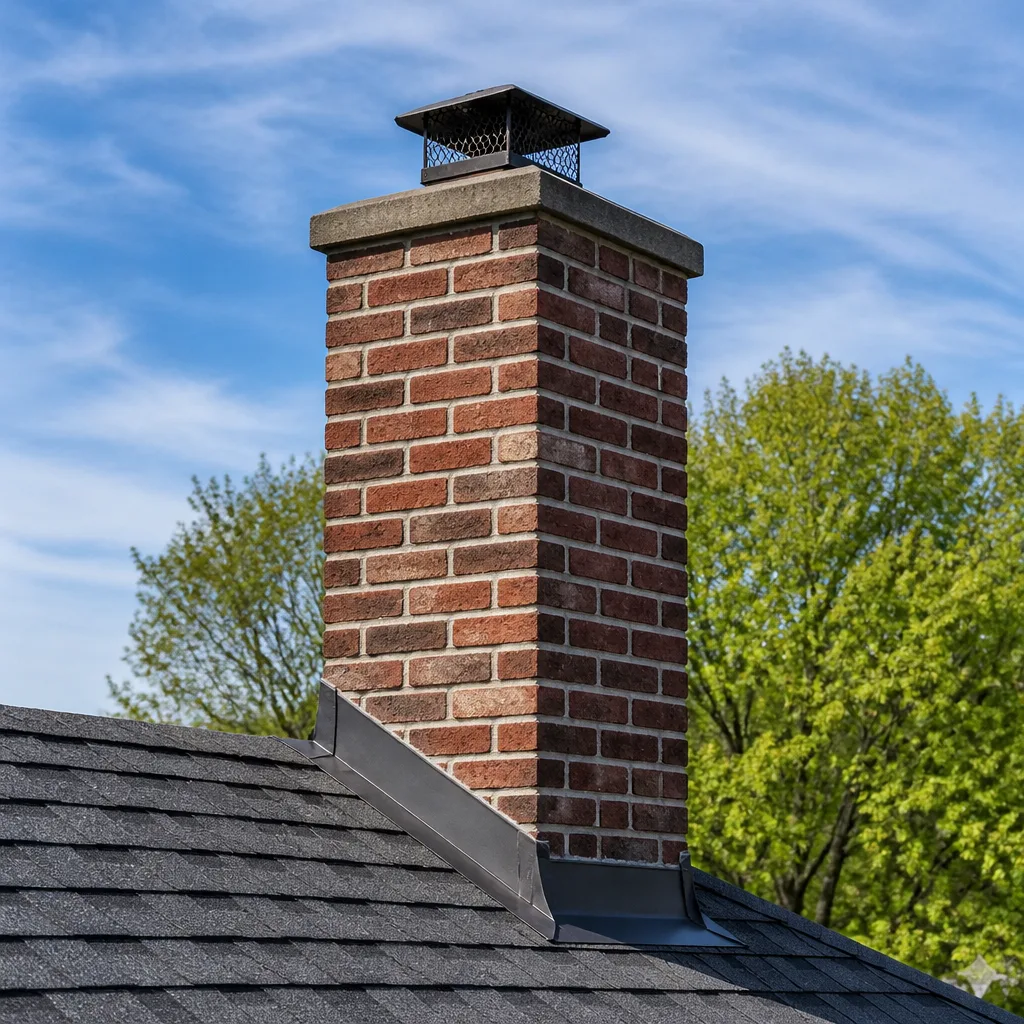 Masonry repair
 Gas fireplace service
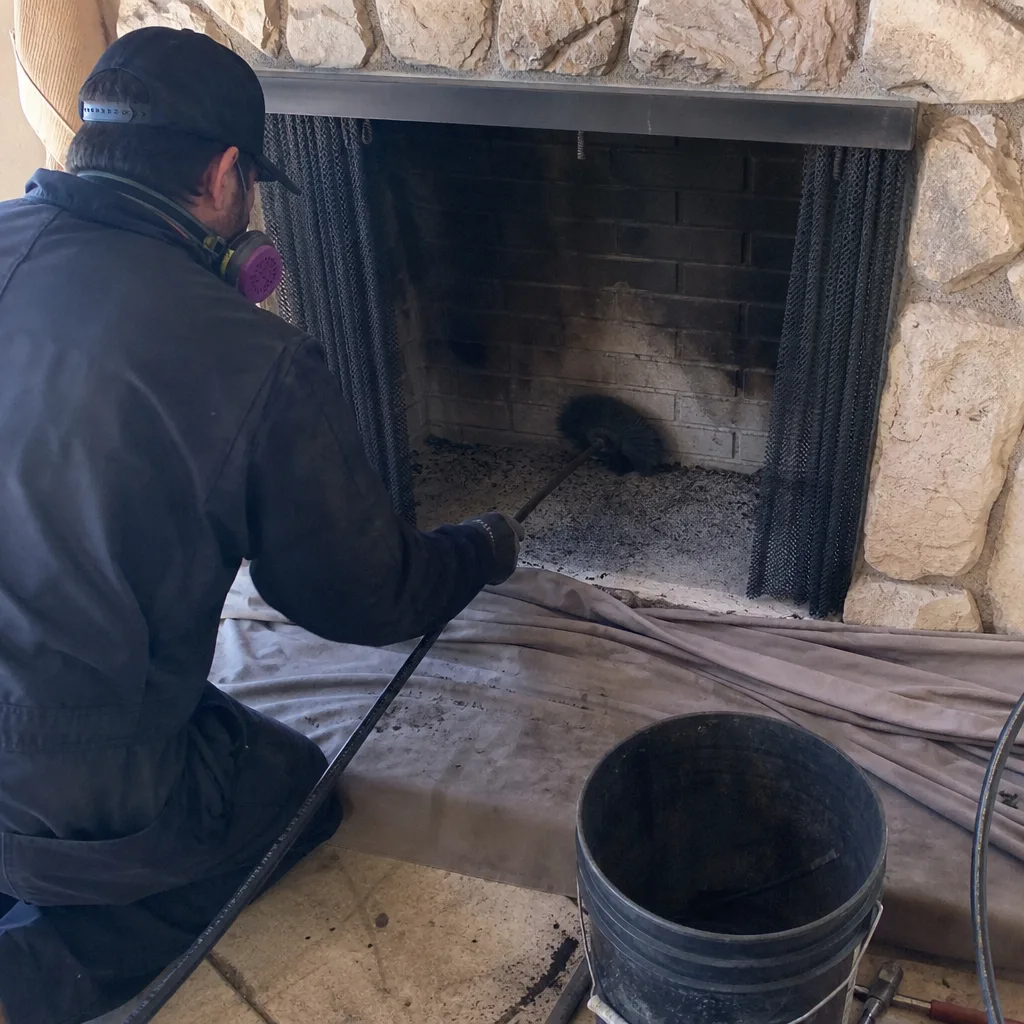
Level 1 sweep and inspection to the NFPA 211 annual standard - flue, crown, cap, and flashing checked and photographed
Chimney sweep logs do not sweep chimneys. They loosen some creosote - which then falls where a brush and vacuum still have to collect it.
Chimney Cleaning Emergency Preparedness Guide for Placentia Homes
A chimney fire in a Placentia home doesn’t always sound like a roaring inferno. Sometimes it’s a low rumbling in the flue and a faint cracking smell that lasts about thirty seconds and seems to put itself out. The fire may be over. The damage to the liner is not. Heat stress from even a brief flue fire can crack clay tile or warp a metal liner in ways you can’t see from the living room, and that’s the part that matters when you light the next fire. This guide covers how to recognize a chimney emergency while it’s happening, how to respond, and, more importantly, the pre-season habits that keep you from ever facing one. Placentia homeowners burn in a mild climate, but mild winters don’t make a flue any less dangerous.
Quick Answer
Most chimney emergencies in Placentia are preventable: they come from creosote buildup, blockages, or a cracked flue that a routine cleaning and inspection would have caught. If you suspect a chimney fire, get everyone out, call 911, and don’t relight until a professional performs a Level 2 inspection. Before each burn season, have the flue cleaned and checked, confirm your cap screens are intact, and make sure working carbon monoxide detectors sit on every level of the home.
Styles & brands we work with
- Sweep & inspection
- Caps & crowns
- Flue relining
- Masonry repair
- Gas fireplace service
Table of Contents
- How Do You Recognize an Active Chimney Fire?
- What Should You Do First in a Chimney Emergency?
- Carbon Monoxide Risk and Your Chimney System
- After a Chimney Fire: The Level 2 Inspection Rule
- Pre-Season Preparedness Before the First Fire
- Blocked Flues: Birds, Debris, and Sudden Smoke
- Documentation: What to Tell the Fire Department and Your Insurer
- Building the Maintenance Habit That Prevents Emergencies
How Do You Recognize an Active Chimney Fire?
A chimney fire is not always visible from the hearth. Many burn hot and fast inside the flue with the firebox looking normal, which is exactly why homeowners miss the early signs. Others are slow and smoldering, producing little flame but plenty of heat against the liner. In our experience, the tell is usually sound or smell rather than sight.
Watch and listen for these signals:
- A low rumbling or roaring sound that seems to come from inside the chimney rather than the firebox, sometimes described as a distant train or a dull hum.
- Popping or cracking noises from the flue while the fire is burning, which can indicate creosote igniting.
- A sharp, hot, or acrid smell in the room, or a smell of burning that doesn’t match the wood you’re using.
- Dense smoke or sparks coming from the top of the chimney, visible from outside.
- Discolored or warped chimney caps, or a heat shimmer above the chimney.
- Pieces of creosote or black flakes falling into the firebox, which suggest the flue lining is shedding.
- Smoke backing into the room when it previously drafted well.
A fire can also be silent. A smoldering creosote fire in a Placentia chimney may produce no sound at all and only reveal itself through a cracked liner found at the next inspection. That’s why a routine chimney sweep matters: it removes the fuel before it can catch. In Placentia’s mild climate, many homeowners burn intermittently from November through February, which can actually allow creosote to accumulate slowly between fires without the hot, clean burns that would keep it in check.
What Should You Do First in a Chimney Emergency?
If you believe a chimney fire is in progress, your priority order is people, property, then the fire itself. Don’t try to fight a chimney fire with water from inside the firebox. A sudden rush of water into a very hot flue can crack the liner or send steam and smoke back into the room.
- Get everyone out of the house. Move to a safe distance and account for every person and pet.
- Call 911. Tell the dispatcher you believe a chimney fire is active and give your address.
- Close the firebox doors or damper only if you can do so safely on your way out. This limits air feeding the fire, but never delay exiting to do it.
- Don’t spray water into the flue. Let the fire department handle suppression; they have the tools and can inspect the structure once the fire is out.
- Don’t relight the fireplace after the fire department leaves, no matter how normal the chimney looks. A damaged liner needs a professional inspection before any reuse.
- Note what you observed – sounds, smells, timing, smoke – for the fire department and your insurance company.
If the fire seems to have gone out on its own within seconds, that’s still an event worth treating as a real fire. The heat may have been brief but intense. A short flue fire can crack a clay tile liner or deform a metal one, and a cracked liner is the pathway that lets carbon monoxide into your home later. A Placentia home that has had even a small flue fire should be inspected before the fireplace is used again.
Carbon Monoxide Risk and Your Chimney System
Carbon monoxide is the quietest chimney hazard. It’s colorless, odorless, and can build up in a home with no visible smoke. In a chimney system, CO infiltration happens when the flue no longer seals properly, or when airflow is blocked so combustion gases can’t escape up and out.
Two failures cause most CO problems in homes we inspect:
- A cracked or deteriorated flue liner. Clay tile cracks under heat stress. Once it cracks, exhaust gases can pass through the liner and into the surrounding chimney structure, then into the home through gaps. That’s where resurfacing with HeatShield or installing a flexible DuraFlex liner comes in, depending on how much liner is left to work with.
- A blocked flue. Bird nests, squirrel nests, leaves, and creosote flakes can narrow or plug the flue. When the flue is blocked, exhaust backs into the room instead of going up. A proper chimney cap with intact screens is the first line of defense.
What detection setup should a Placentia homeowner have? Put working CO alarms on every level of the home and near sleeping areas, and test them before the first fire of the season. A CO alarm isn’t a substitute for a chimney inspection; it’s the last line of defense if something goes wrong. If your alarm sounds while a fire is burning, get everyone outside, call 911, and don’t reenter until the fire department clears the home.
After a Chimney Fire: The Level 2 Inspection Rule
Once the fire department has extinguished a chimney fire, the next step isn’t relighting the fireplace or restaining the mantel. It’s a professional inspection. NFPA 211, the national standard for chimneys, fireplaces, vents, and solid fuel appliances, sets out a Level 2 inspection as the appropriate response after a chimney fire or any event likely to have damaged the system.
A Level 2 inspection goes beyond what you can see from the hearth or through the cleanout door. It includes:
- Access to all areas of the chimney, including the attic, crawlspace, and roof level where accessible.
- Video scanning of the flue interior to check for cracks, gaps, and separation in the liner.
- Assessment of the firebox, damper, smoke chamber, and chimney crown and cap.
- A written report documenting what was found, plus photos the homeowner can see and share with an insurer.
Why it matters: a fire event can leave a liner that looks intact from outside but has developed hairline cracks that open up with heat. Relighting a damaged system risks a second fire or a CO event. The same standard applies if you’ve had a sudden blockage, a chimney fire, an earthquake, or a change of fuel type. A chimney repair recommendation following a fire should always trace back to something you can see in the scan footage, not just a general feeling that the chimney looks old. In our experience, that’s the difference between a repair that answers a real problem and one that doesn’t need to happen yet.
Pre-Season Preparedness Before the First Fire
The best time to prevent a chimney emergency is a few weeks before the first cold night. In Placentia, that usually means late October or early November, before the first fire of the season goes in. A pre-season routine is straightforward and doesn’t cost a fortune if it’s done before a problem grows.
Work through this checklist before the first burn:
- Schedule a cleaning and inspection. A certified technician removes creosote buildup and checks the flue, damper, cap, and crown. This is the single step that prevents most chimney fires and CO events.
- Assess the creosote stage. Ask the technician what stage they found. Stage 1 (light soot) brushes out easily; stage 2 (flaky black crust) needs more attention; stage 3 (glazed, tar-like creosote) is the dangerous one that can fuel a very hot fire. Anything reaching stage 3 calls for a change in burn habits as well as a cleaning.
- Confirm your cap and screen are intact. A cap with intact screens keeps birds, squirrels, and rain out of the flue. If the cap is loose, rusted, or the screen has gaps, have it repaired or replaced before the season.
- Check the damper seal. A damper that doesn’t close fully lets heated room air escape up the chimney, but more importantly it may not be sealing a blockage or a damaged flue. Our technicians check damper operation and seal as part of a routine service.
- Test carbon monoxide alarms. Push the test button on every unit and replace batteries. If you don’t have one on each level, install them.
- Inspect your wood. Seasoned, dry firewood burns cleaner and produces less creosote than wet or green wood. Stacked wood stored against the house also invites pests; keep it off the wall.
- Have the chimney swept if it’s been more than a year since the last cleaning, or if you burn softened or resiny wood frequently. A fireplace repair may also be needed if the firebox or damper has visible damage.
Placentia’s mild winters mean many homeowners burn occasionally and assume their chimney stays clean. In practice, an occasional-burner can accumulate slow creosote between seasons with fewer hot burns to consume it, which is why a yearly cleaning still matters here. A chimney sweep in Placentia scheduled in the fall catches the buildup that formed over the spring and summer before the first fire.
Blocked Flues: Birds, Debris, and Sudden Smoke
A blocked flue is one of the most common non-fire chimney emergencies: a bird nest, squirrel nest, leaves, or a collapsed piece of liner suddenly narrows or plugs the flue. If you light a fire and smoke backs into the room, or if the fire struggles to draw at all, treat it as a possible blockage and stop burning until it’s checked.
Blockages show up in a few characteristic ways:
- Smoke rolling out of the firebox into the room, which is a draft failure that can also be a CO event if it’s severe.
- A weak, lazy fire that won’t draw up the chimney.
- An obvious nest or debris visible from the roof, or soot and nest material falling into the firebox.
- Animal noises in the flue, usually in spring and summer when birds nest. Listen before the first fire of the season.
The prevention is simple: a chimney cap with intact screens over every flue. Caps also shed rain and keep out snow melt and leaves. In Placentia, our technicians check cap screens during a routine service, and we can install or repair a cap if yours is missing or loose. Brands like Olympia Chimney and Gelco make caps that fit common flue sizes, and we choose the right cap based on the flue type and the animal pressure in your area.
Documentation: What to Tell the Fire Department and Your Insurer
After a chimney-related incident, the paper trail matters as much as the repair itself. The cleaning and inspection records you have on file help establish that you maintained the system, which an adjuster will want to see. They also help the fire department understand what was in the flue at the time.
Here’s what to tell the fire department when they arrive:
- What you observed: when you lit the fire, what you heard, smelled, or saw, and roughly how long it lasted.
- What you did: whether you closed the doors or damper, whether you evacuated, and how long it was burning before it stopped.
- What was in the flue: when you last had it cleaned, and any known creosote stage from a recent inspection.
For your insurance adjuster, keep these records:
- Cleaning and inspection invoices with dates and findings.
- Photo and video reports from your Level 2 inspection if one was done after the incident.
- The written estimate for the liner or structural repair, which supports your claim.
- Records of any liner resurfacing using HeatShield or a DuraFlex installation, which show the system was brought up to standard.
The bigger point is that documentation only helps if you have it. That’s the argument for a yearly cleaning and inspection on file, including a written summary of what was found. In our experience, homeowners who can show a recent inspection have a much smoother conversation with an adjuster than those who can’t.
Building the Maintenance Habit That Prevents Emergencies
The most useful thing you can do for chimney emergency preparedness in Placentia is to think of a cleaning and inspection as the real emergency plan. A chimney fire, a CO event, or a sudden blockage almost always has a precursor: creosote that wasn’t swept, a cap that fell off, a liner that cracked last season. A yearly professional service catches that precursor before it becomes a 911 call.
What a maintenance habit looks like:
- Annual cleaning and inspection before the burn season, or whenever your service history shows it’s been more than a year.
- Year-round attention to the cap, screen, and crown, the parts most exposed to weather and pests.
- Monitoring creosote stage and adjusting your burn habits (dry wood, hotter fires) if the technician finds anything at stage 2 or 3.
- Keeping records in one place: invoices, inspection reports, and any repair estimates.
We work with a roster of professional trade brands, from DuraFlex flexible liners to HeatShield flue resurfacing, Olympia Chimney caps, and Gelco components, because the products inside the chimney matter as much as the labor. One call covers sweep, inspection, repair, cap, and crown work, which means a problem found at the cleaning gets addressed before it grows into the reason you’re reading a preparedness guide. A Chimney Sweep Placentia visit before the first fire of the season is the cheapest insurance in the house.
Common Mistakes to Avoid
- Relighting after a small chimney fire. A brief flue fire still can crack a liner. Give it a Level 2 inspection before the next burn.
- Skipping the yearly sweep because you burn “only occasionally.” In Placentia’s mild winters, occasional burns can leave creosote in place between seasons. Buildup doesn’t clean itself.
- Assuming a blocked flue will clear itself. A bird nest or a fallen piece of liner won’t fall out or dissolve. Stop burning and get it checked.
- Fighting a chimney fire with water yourself. Water into a hot flue can crack the liner. Get out, call 911, and let the fire department handle it.
- Ignoring a missing or damaged cap. A cap with a torn screen is an open invitation to birds and rain. Get it repaired before the season.
- Treating a CO alarm as a nuisance. If it sounds while you’re burning, that’s a system-level event. Evacuate and call.
- Not keeping records. A folder of past inspections helps you with the fire department and the insurance adjuster, and it helps the next technician understand your chimney.
See the difference
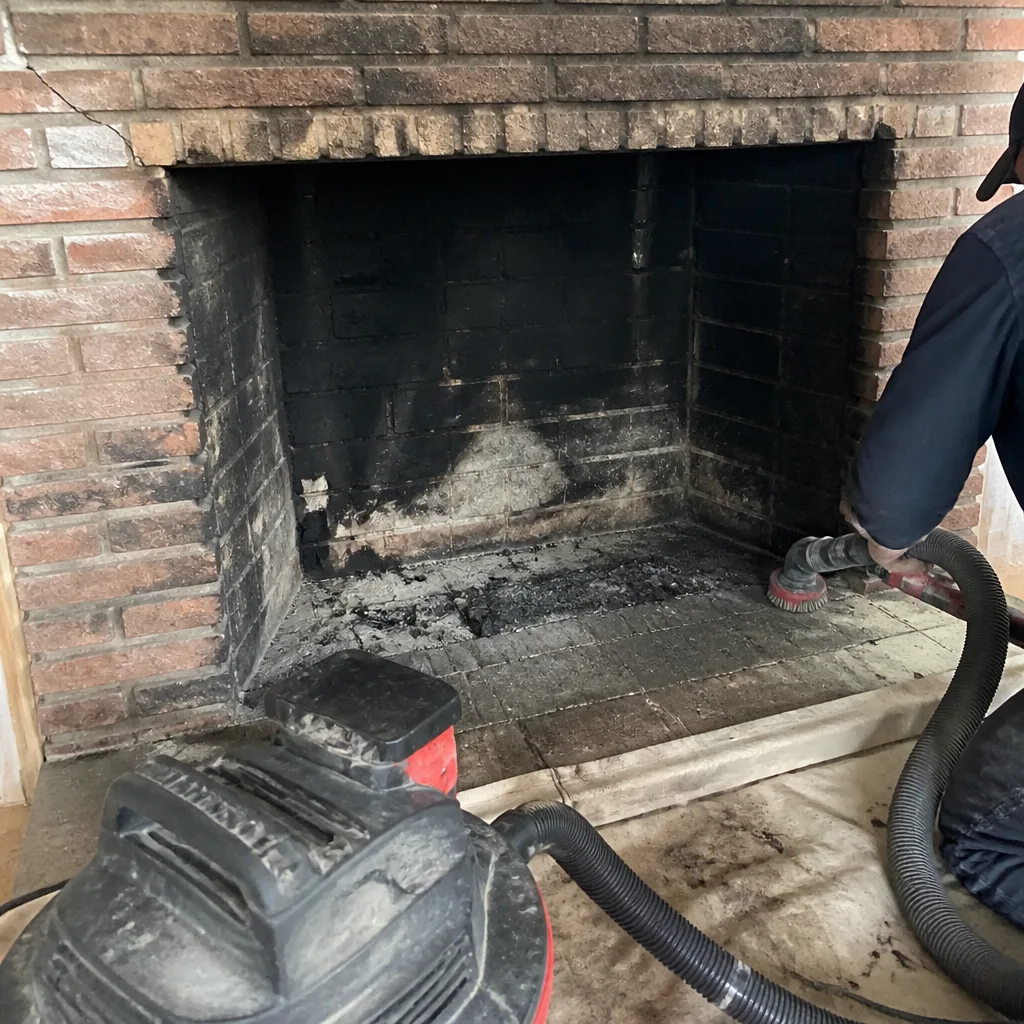 Before
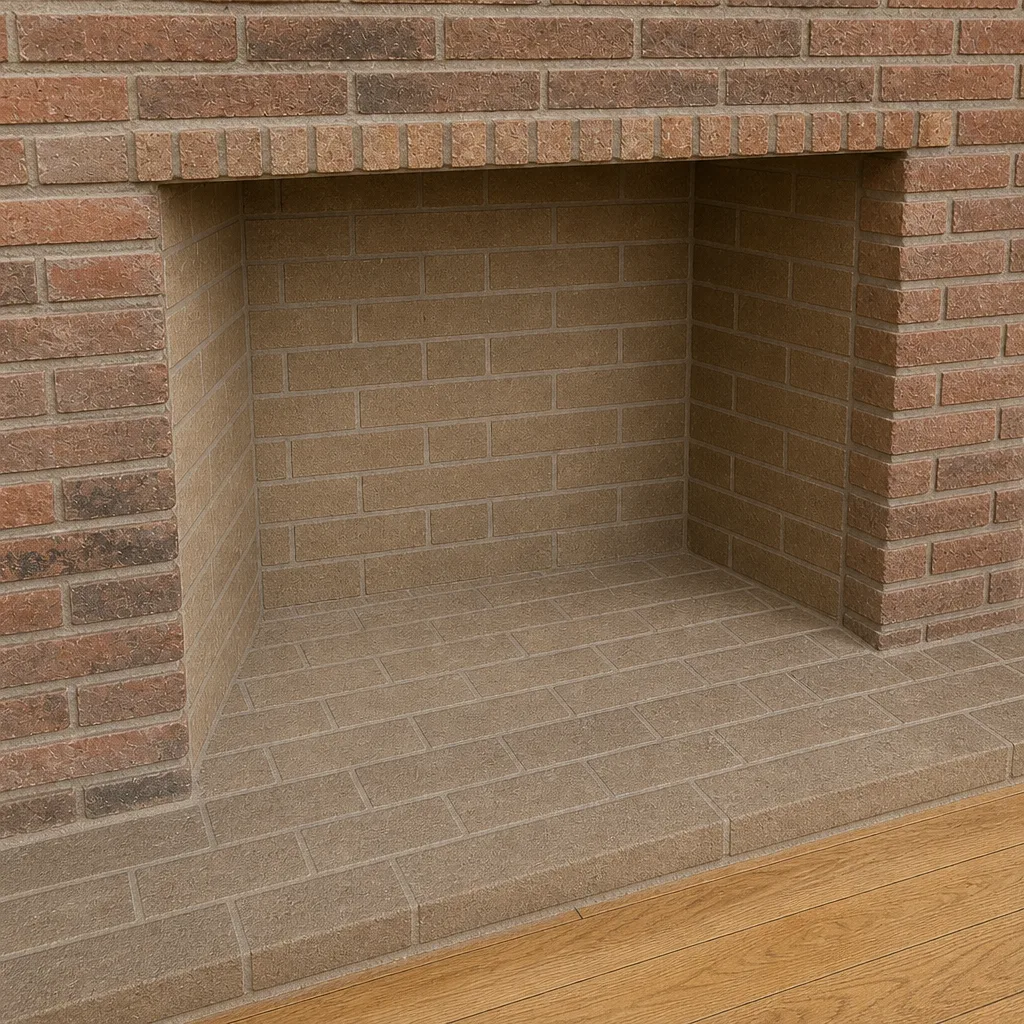 After
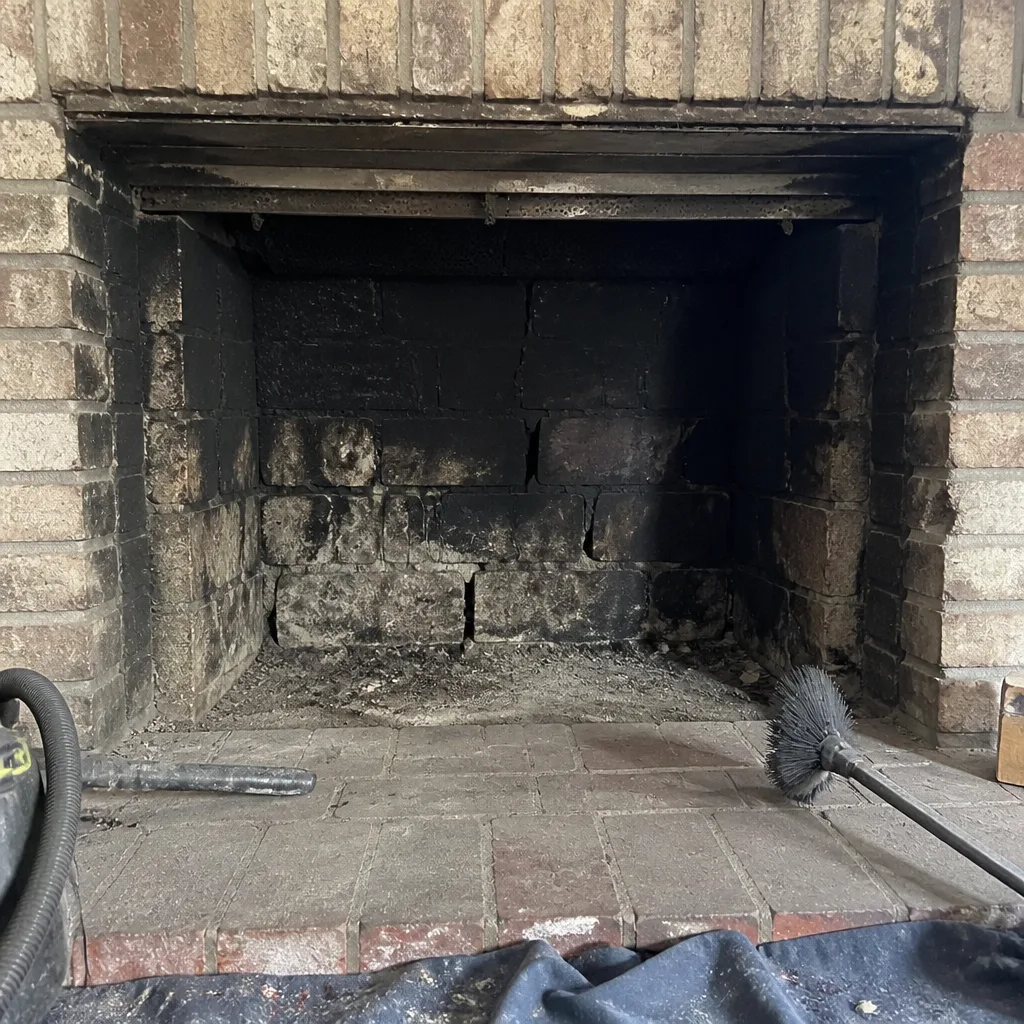 Before
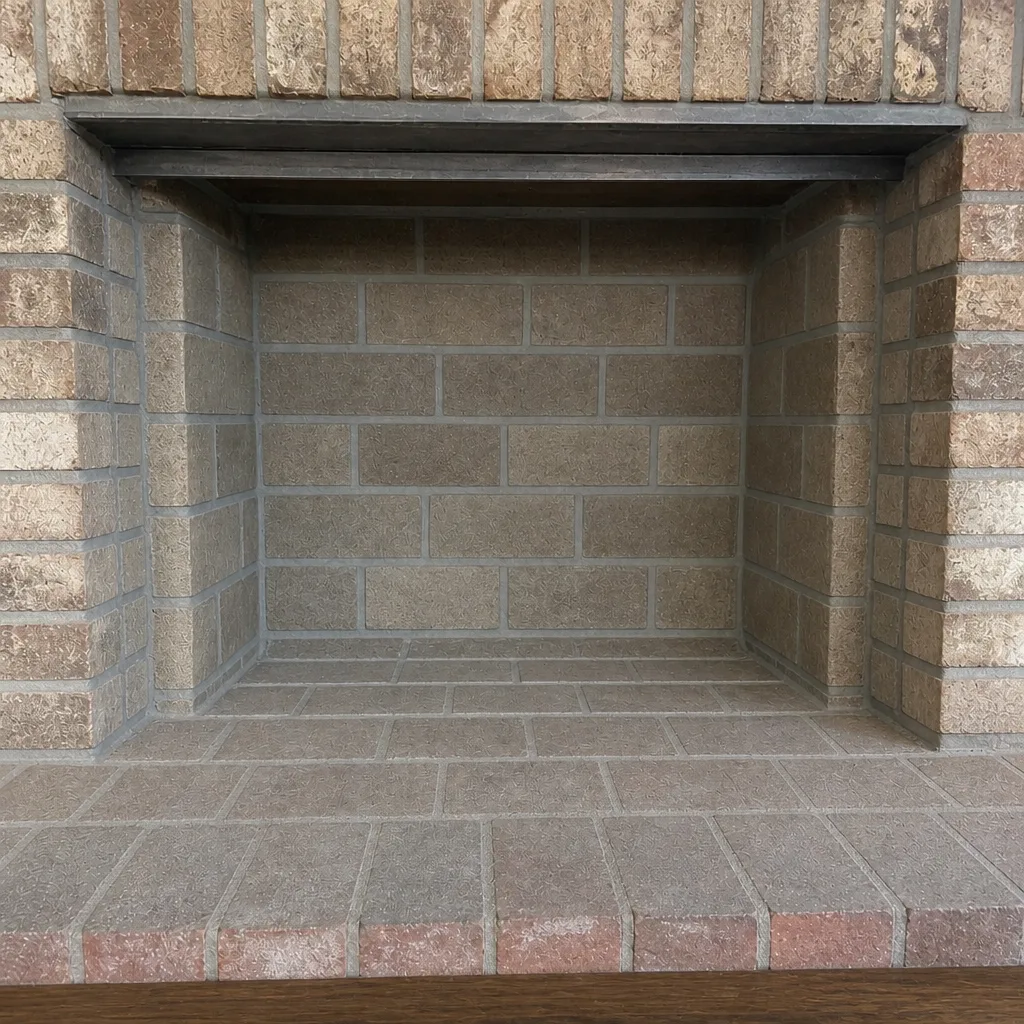 After
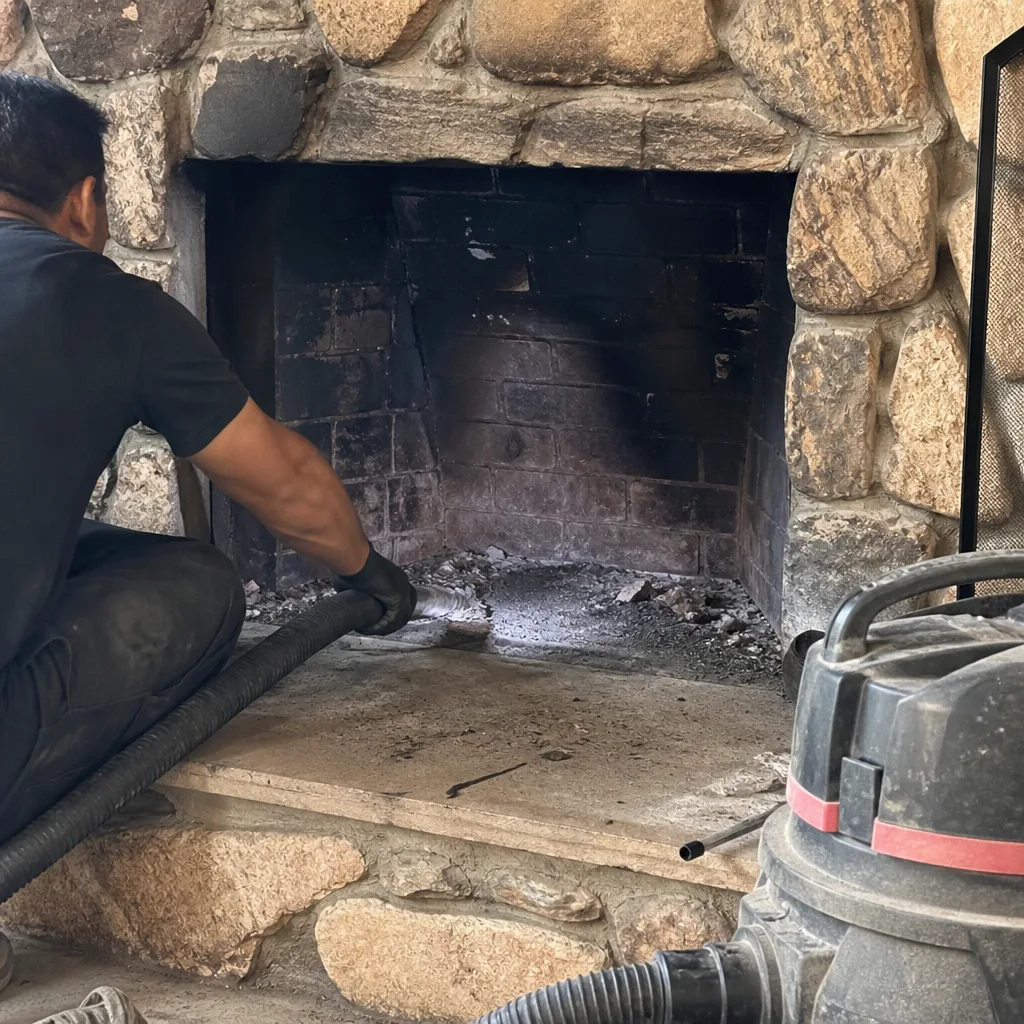 Before
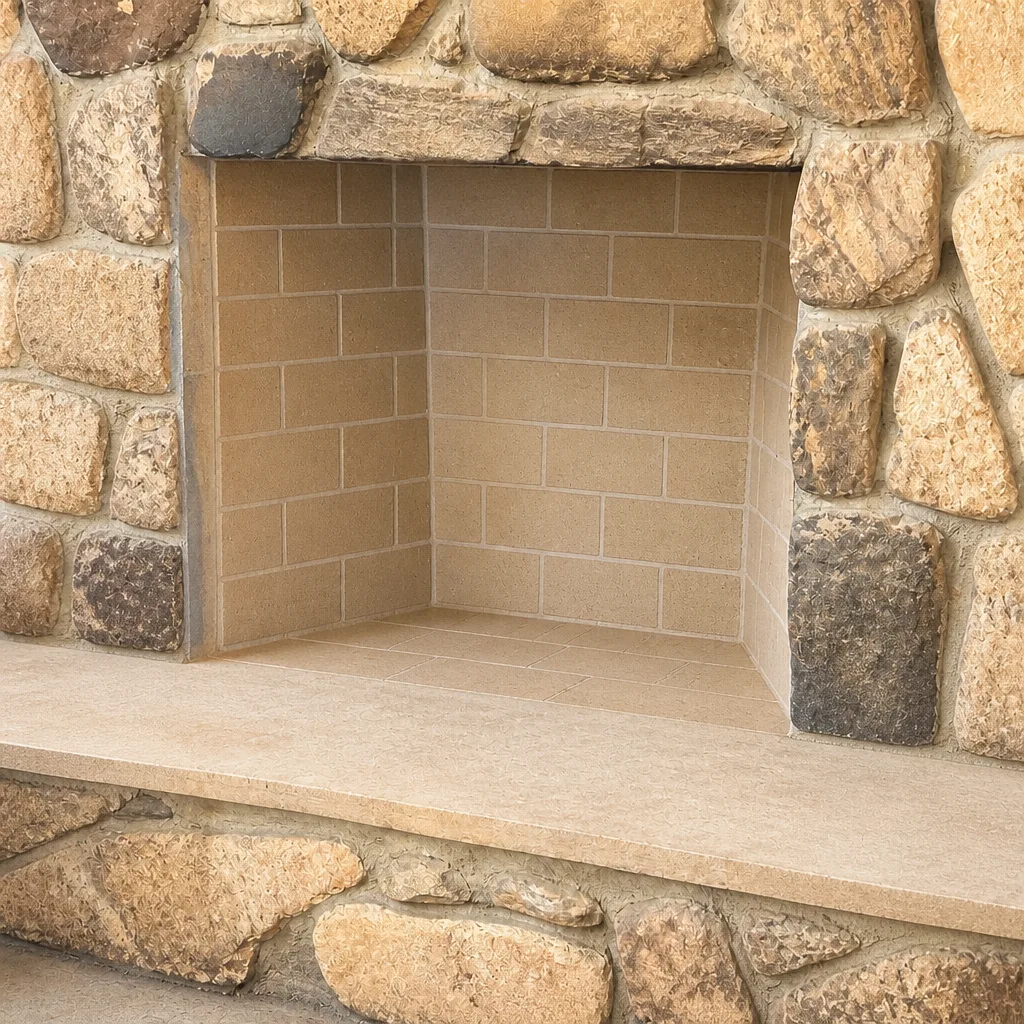 After
When to Call a Professional
Call a professional now if you’ve had any chimney fire, even one that seemed to go out; if smoke backs into the room when you light a fire; if you smell burning when nothing’s in the firebox; if you hear animals in the flue; if your CO alarm goes off near the fireplace; if your cap is missing or the screen is torn; or if it’s been more than a year since the last cleaning. Those are the moments a routine call prevents an emergency. Chimney Sweep Placentia offers free estimates in Placentia – call (844) 625-6823. We answer 24/7. Fast dispatch from 7am to 7pm, Sunday through Friday. The estimate is free and the price is set per job by the written estimate.
Frequently Asked Questions
A routine cleaning and inspection in Placentia usually falls in a range set by the scope of the job, and the written estimate fixes your final price. The cost depends on the number of flues, how much creosote is present, and whether the technician finds a problem that needs repair. Call (844) 625-6823 for an exact quote – estimates are free.
Not always, but you need a Level 2 inspection to know. Sometimes flue resurfacing with HeatShield restores a deteriorating liner without a full replacement, and sometimes a DuraFlex flexible liner is the right answer. The recommendation should trace to what the video scan shows, and you should see that footage yourself. Call (844) 625-6823 for an exact quote – estimates are free.
Once a year for most Placentia homes, and before the first fire of the season if you burn regularly. A sweep scheduled before the season catches creosote, blockages, and cap damage in one visit. Call (844) 625-6823 for an exact quote – estimates are free.
Creosote keeps accumulating, blockages go undetected, and a cracked liner stays unnoticed. The result can be a chimney fire, a CO event, or smoke backing into the room. The fix is far cheaper before something goes wrong. Call (844) 625-6823 for an exact quote – estimates are free.
Stop using the fireplace and don’t try to flush the animal down with a fire or water. Have the flue checked and a proper cap installed once the flue is clear. A cap with intact screens prevents the problem from happening again. Call (844) 625-6823 for an exact quote – estimates are free.
Yes. A smoldering creosote fire can be silent and leave a cracked liner that shows up only at the next inspection. If you suspect anything, treat it as a real fire until a Level 2 inspection says otherwise. Call (844) 625-6823 for an exact quote – estimates are free.
The Bottom Line
Chimney emergencies in Placentia are rarely sudden catastrophes. They’re usually the end of a slow chain: creosote that kept building, a cap that came off, a liner crack nobody looked for. Recognize the signs of a fire in progress, know the order of response (people out, 911, no relighting), and treat any fire event as a Level 2 inspection trigger. Then build the habit that prevents the whole chain: a pre-season cleaning and inspection, an intact cap, working CO alarms, and records you can hand to an adjuster. One accountable specialist for sweep, inspection, repair, cap, and crown keeps the system safe from top to bottom. Call (844) 625-6823 for a free estimate.
Written by the team at Chimney Sweep Placentia.