
Last updated November 25, 2026
 Sweep & inspection
 Caps & crowns
 Flue relining
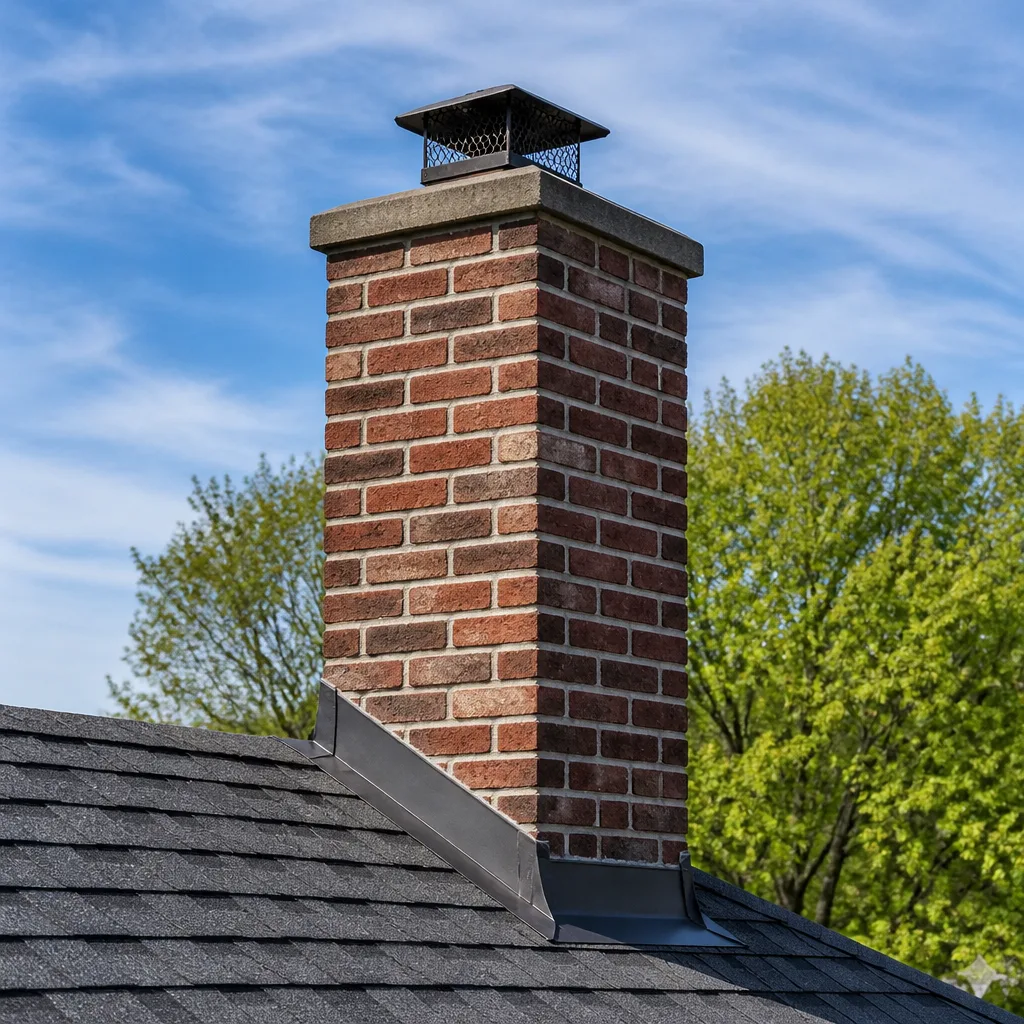 Masonry repair
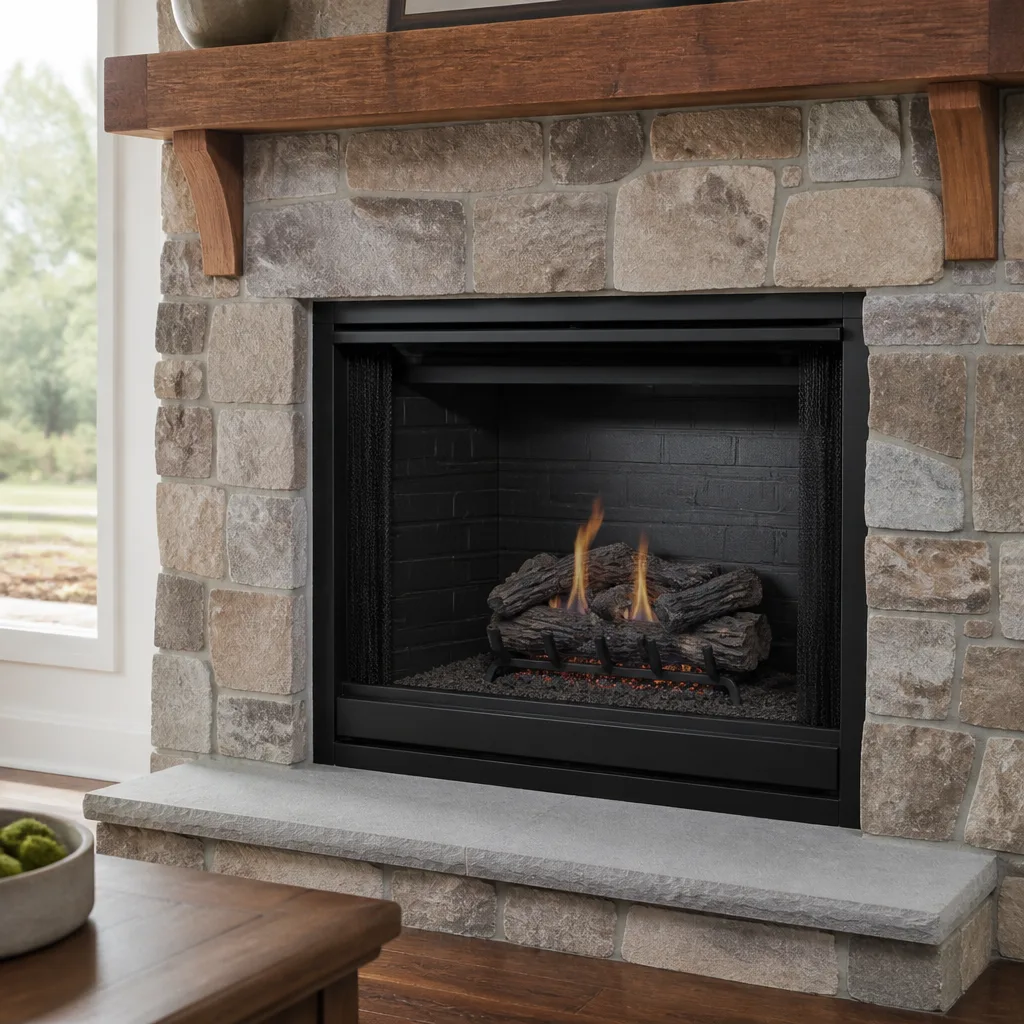 Gas fireplace service
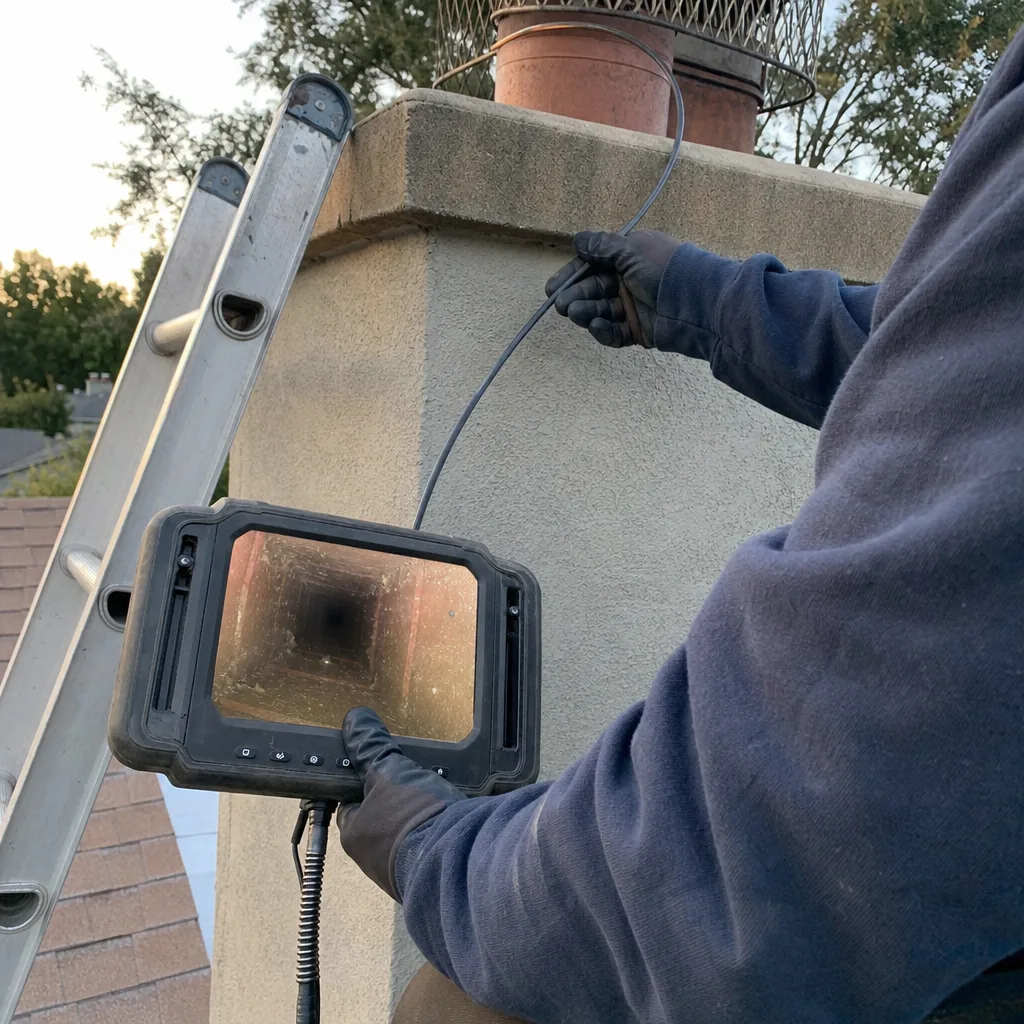
Level 1 sweep and inspection to the NFPA 211 annual standard - flue, crown, cap, and flashing checked and photographed
Chimney sweep logs do not sweep chimneys. They loosen some creosote - which then falls where a brush and vacuum still have to collect it.
Chimney Sweep Troubleshooting in Placentia: Common Problems and How to Fix Them
A smoky living room doesn’t automatically mean a broken damper. It might mean your flue is undersized for the insert, your crown has cracked and is pulling crosswinds down the stack, or your liner has a gap that’s letting exhaust spill back into the room. In our experience, homeowners in Placentia often diagnose a single failing part when the real trouble sits somewhere else in the system entirely. Guess wrong and you pay twice: once for the part you didn’t need, once for the actual repair. This guide maps symptoms to components so you can trace the problem to its cause before you spend a dollar.
Quick Answer
Most chimney problems fall into four groups: restriction (creosote or debris blocking flow), structural (cracked crown, damaged liner, failing mortar), draft (a flue too short, too cold, or out of balance with the house), and water intrusion (missing cap, cracked crown, failed flashing). Trace your symptom to one of those four groups first. If the fix involves the flue interior, the crown, or the liner, that’s a professional diagnosis, not a homeowner repair.
Styles & brands we work with
- Sweep & inspection
- Caps & crowns
- Flue relining
- Masonry repair
- Gas fireplace service
Table of Contents
- Symptom-to-Component Map: What Each Problem Actually Points To
- Smoke Coming Back Into the Room: Draft or Blockage?
- Chimney Odor: Creosote, Moisture or Something Else
- Staining on the Chimney or Ceiling: Tracing Water to Its Entry Point
- Why Placentia’s Dry Heat Cracks Crowns and Mimics Damper Failure
- Creosote Restriction vs. Structural Draft Problem: Telling Them Apart Without Tools
- The Right Order to Rule Out Causes Before You Call
- What’s Safe to Monitor vs. What Requires Shutting the Fireplace Down
Symptom-to-Component Map: What Each Problem Actually Points To
Every chimney symptom comes from a specific part of the system. Learning which part is which saves you from replacing a damper when the real problem is three feet higher up the stack. Here’s how a professional reads the map.
- Smoke rolling into the room on startup: usually a cold flue or a draft imbalance, sometimes a partially closed damper or an oversized firebox opening. Occasionally a liner issue.
- Smoke entering the room throughout the burn: restriction from creosote buildup, a nesting blockage, or a flue that’s undersized for the appliance connected to it.
- Persistent smoky smell when the fireplace is cold: creosote residue combined with negative pressure in the house, or moisture reacting with soot.
- Brown or white staining on the chimney exterior: water getting in at the crown or cap and finding its way down through masonry.
- Staining on interior ceilings or walls near the chimney: failed flashing at the roof line or a crown crack allowing water to track through the masonry.
- Weak, lazy draw that never improves: a structural draft problem, often a flue height or termination issue, sometimes a damaged liner.
- Crumbling mortar or spalling brick at the top of the stack: a failing crown that lets water soak into the masonry above the roofline.
Two or three of these symptoms often appear together, and that’s a clue, not a coincidence. A crown crack that admits water can also change how the flue draws, which then produces both staining and a smoky fire. When a Placentia homeowner describes multiple symptoms, we look for the single upstream cause rather than treating each complaint separately.
The key distinction: restriction problems live in the flue path, structural problems live in the masonry and liner, draft problems live in the relationship between the flue and the house, and water problems live at the top of the stack. A visual inspection of the crown and cap from the ground, plus a flashlight look up the flue from the firebox, gets you most of the way to the right category.
Smoke Coming Back Into the Room: Draft or Blockage?
Smoke backdraft almost always has one of four causes: a cold flue that hasn’t warmed up, a house that’s tighter than the chimney can pull against, a physical blockage in the flue, or a flue that’s too short or poorly terminated for the appliance. The quickest tell is timing. Smoke that rolls in only at the start of a fire and clears once the flue warms is a cold-flue draft problem. Smoke that comes in throughout the burn points to blockage or a size mismatch.
Placentia homes sit in a climate where the fireplace sits idle for months. When the first cool evening arrives, the flue is cold and dense, and hot smoke has to push through a column of cold air before it can rise. That’s why a fire that smoked last fall may burn clean once the flue is warmed. But if warming the flue doesn’t fix it, the next place to look is restriction.
- Confirm the damper is fully open. Sounds obvious; it’s still the most common cause of a smoky start.
- Warm the flue before lighting. A rolled newspaper held near the open damper for a minute pushes warm air up the stack and establishes draft.
- Crack a nearby window while lighting. If the smoke clears immediately, the house is under negative pressure and the chimney is competing with exhaust fans or a tight envelope.
- Check for visible blockage. A flashlight up the flue from the firebox will show heavy creosote, a bird nest, or a fallen cap screen.
- Note the pattern. If smoke appears only with the furnace running or only in certain wind directions, the problem is pressure or termination, not restriction.
If steps one through four don’t solve it, the diagnosis has moved into professional territory. A flue that’s undersized for a wood insert or a liner with a gap at a joint can produce chronic backdraft that no amount of window-cracking will fix. That’s when a proper inspection pays for itself. Our Chimney Sweep Placentia team uses camera inspection so you see exactly what the flue looks like, rather than taking a diagnosis on faith.
Chimney Odor: Creosote, Moisture or Something Else
Chimney odor falls into three categories, and each has a distinct smell. A sharp, acrid, smoky smell when the fireplace is cold is creosote residue reacting with humidity and negative pressure. A musty, damp smell points to water soaking into masonry or a liner. A dead-animal smell usually means a bird or rodent has gotten past a missing or damaged cap.
Creosote odor gets worse in the shoulder seasons, when the house is closed up and warm days follow cool nights. The chimney is essentially breathing in humid air, and that air picks up the creosote smell and pushes it into the living space. It’s not always a sign of a dangerous amount of creosote, but it is a sign the flue needs attention.
- Smoky, acrid smell: creosote buildup or soot residue. Often resolves with a proper sweep and a check of the flue’s draft balance.
- Damp, earthy smell: water intrusion, likely at the crown or cap. Look for staining or cracking at the top of the stack.
- Animal smell: a blockage in the flue itself, plus a cap problem that let the animal in.
- Gas smell from a gas fireplace: this is not a chimney cleaning issue. Stop using the fireplace and have the gas connection checked by a qualified professional.
Placentia’s dry summers bake creosote into a hard glaze on the flue wall, and the first cool, humid weather of fall reactivates the smell. That cycle explains why the odor appears “out of nowhere” after months of no fires. A camera inspection will tell you whether the creosote layer is light and surface-level or heavy enough to warrant attention before the next burn season.
What we don’t recommend is masking the smell with air fresheners or a chimney deodorant. That hides the symptom and leaves the cause untouched. If the smell is persistent, it’s telling you something about the flue, and the honest answer is to look up there and see.
Staining on the Chimney or Ceiling: Tracing Water to Its Entry Point
Chimney staining always traces back to water finding a way in, and water almost always enters at one of two places on a residential chimney: the crown at the very top, or the flashing where the chimney meets the roof. A missing or damaged cap is the third common entry point, letting rain straight down the flue.
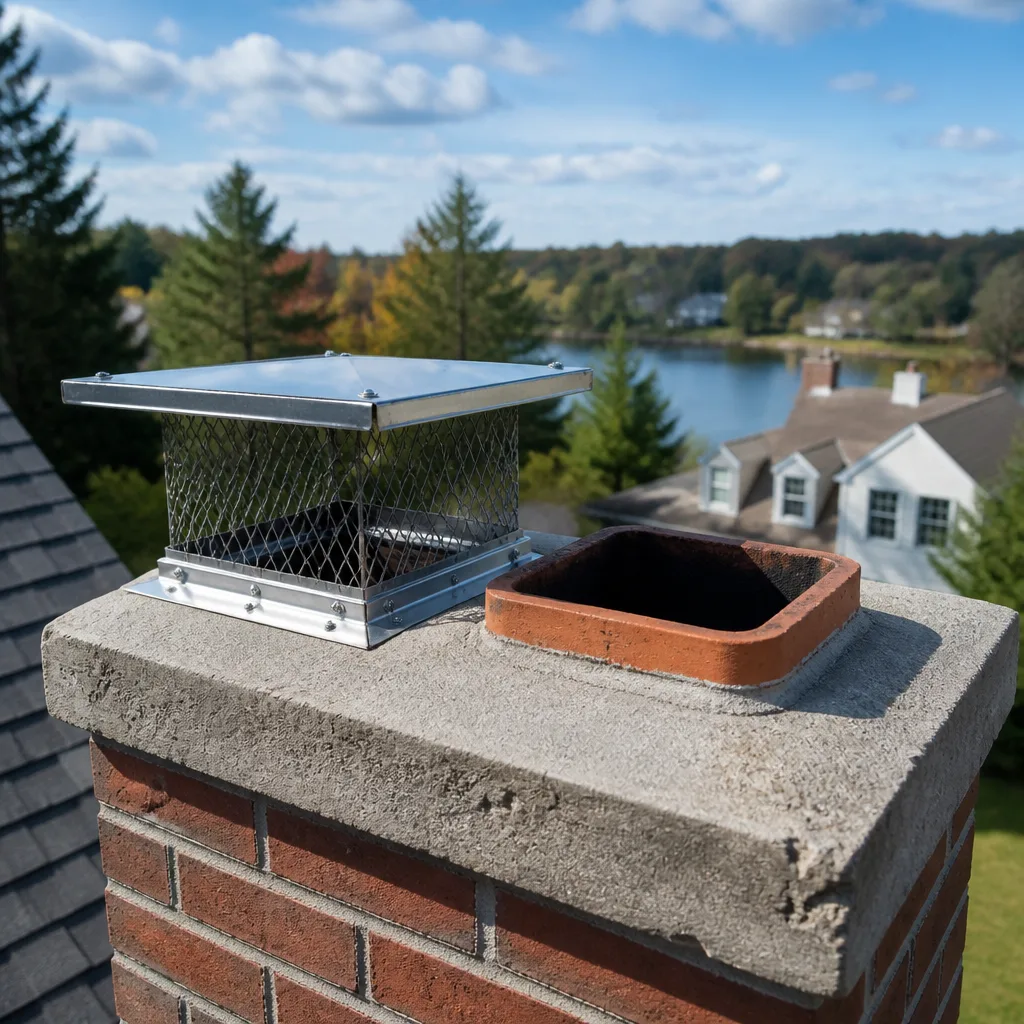
Exterior staining on the chimney above the roofline is most often caused by a cracked or porous crown. The crown is the concrete cap at the top of the masonry that sheds water away from the stack. When it cracks, water enters the masonry, dissolves salts from the brick and mortar, and pushes those salts back out as a white or brown efflorescence. Over time the freeze-thaw cycle in the masonry above the roofline (not in the ground) causes brick faces to spall and mortar joints to crumble.
Interior staining near the chimney is usually a flashing failure. The metal flashing that seals the chimney to the roof can pull away as the roof ages, letting water track down the outside of the flue and into the ceiling assembly. If you see staining on an interior wall or ceiling near the chimney chase, the fix is at the roof line, not inside the firebox.
- Look at the crown from the ground. A visible crack, spalling, or missing mortar at the top of the stack means the crown is failing.
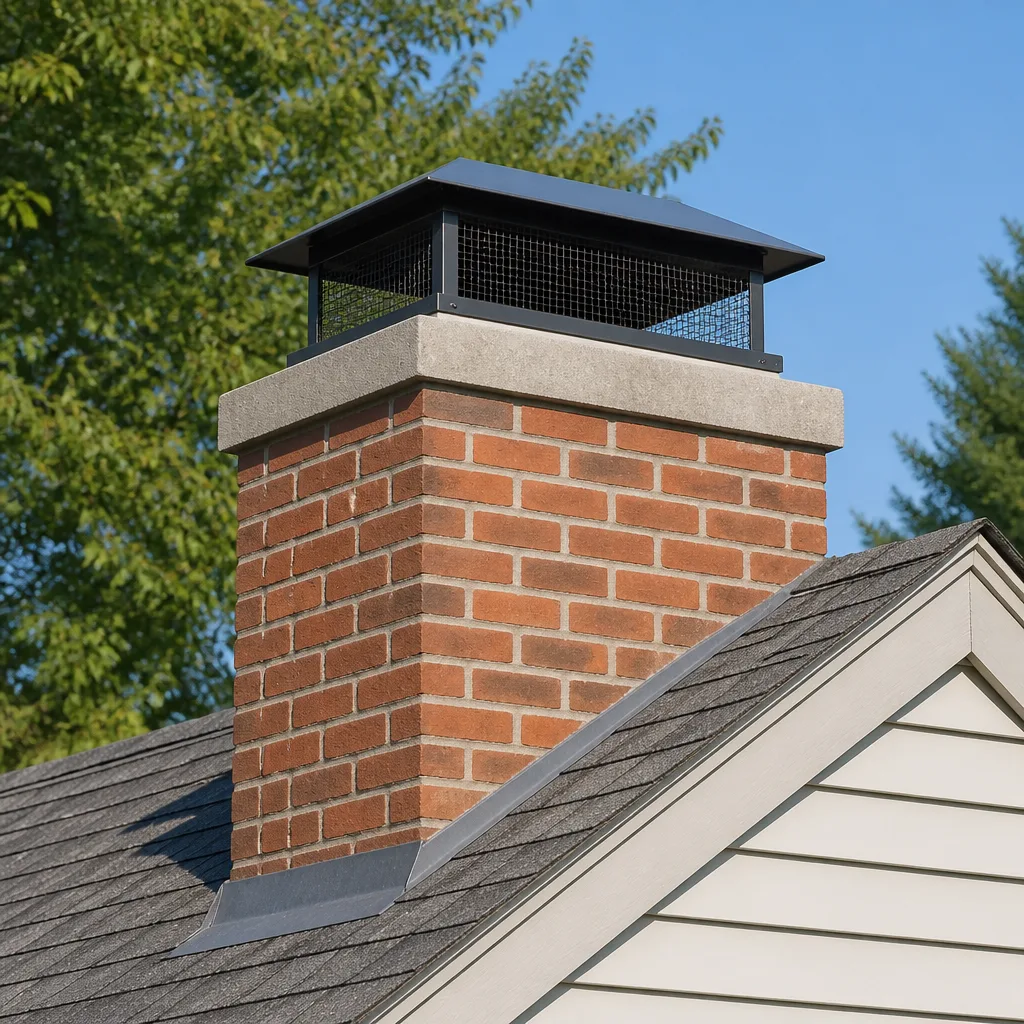
- Check the cap. A missing cap, a cap with a rusted-through screen, or a cap that’s sitting crooked lets both water and animals in.
- Inspect the flashing. From inside an attic space where possible, or from the roof, look for gaps between the flashing and the chimney masonry.
- Look for interior staining pattern. Staining that runs down from the ceiling toward the floor suggests roof-line water, while staining clustered at the firebox suggests a flue-side issue.
Any structural work on the crown or flashing is a professional job. Heights and masonry work carry real risk, and a crown repair that doesn’t account for proper slope and seal will simply re-fail. Our chimney repair work includes crown and cap restoration using trade materials like Copperfield and Gelco, precisely because water intrusion is the most preventable source of long-term chimney damage.
Why Placentia’s Dry Heat Cracks Crowns and Mimics Damper Failure
Placentia’s climate puts a specific kind of stress on chimney crowns. Long stretches of hot, dry weather followed by cool nights cause the concrete at the top of the stack to expand and contract against the masonry beneath it. Over many seasons, that movement opens hairline cracks. Once water gets into those cracks, the damage accelerates.
Here’s where it gets counterintuitive: a cracked crown can produce symptoms that look exactly like a failing damper. When the crown is cracked and the top of the chimney is pulling crosswinds into the flue, smoke can spill into the room on windy days. Homeowners understandably suspect the damper, but the damper may be functioning perfectly. The real issue is the top of the stack.
How to tell the difference without opening anything up:
- Damper failure: the damper feels loose, doesn’t seat properly, or visibly doesn’t close. Smoke behavior is consistent regardless of weather.
- Crown-related draft problem: smoke behaves differently on windy versus calm days. The damper operates smoothly. You may see cracking or staining at the top of the stack from the ground.
- Flue sizing problem: smoke appears regardless of wind, and the fire never draws well from the start.
Placentia’s summers bring long dry spells that bake the crown, and the fall transition brings the temperature swings that finish the job. That’s why crown inspection belongs on the same schedule as your annual sweep. When we look at a crack pattern on a Placentia crown, we’re not just assessing the concrete; we’re asking whether the crack is letting water in and whether the crown is affecting the draft above it.
Repairing a crowned crack isn’t a matter of smearing sealant over it. The crown needs to be rebuilt with proper slope and a sealant that moves with the masonry rather than cracking again. That’s a structural repair and belongs to a chimney specialist. A general handyman or roofer can’t always make the right call on the crown, and a poorly rebuilt crown will fail again within a season or two.
Creosote Restriction vs. Structural Draft Problem: Telling Them Apart Without Tools
Restriction and draft problems produce similar symptoms but require very different fixes. Restriction clears with a sweep; structural draft problems need changes to the flue itself. Here’s how to tell them apart without a camera.
Restriction clues: The fire burns poorly even on calm days. Smoke rolls back into the room shortly after the fire catches. When you look up the flue with a flashlight, you see a thick, dark, textured layer on the flue walls, or an obvious blockage. Heavier burn habits, a wood stove, or a history of burning unseasoned wood all point toward creosote restriction.
Structural draft clues: Smoke behaves erratically around wind, doors opening, or changing house pressure. The flue appears visually clean, but the draw is weak and stays weak. The chimney may not rise high enough above the roofline for its location. The fire draws better when a window is cracked, which suggests the flue is underbalanced against the house.
- Light a small, hot fire with a window cracked and the damper fully open. If the smoke clears quickly, restriction is less likely and draft balance is more likely.
- Look up the flue from the firebox with a strong flashlight. A shiny, glazed surface high up the flue signals heavy creosote. Alternating patches of clean and glazed suggests an uneven draft that’s been depositing creosote in one area.
- Note the wind direction. Smoke problems that only show up on certain wind directions point to the top-of-stack environment, not the flue itself.
- Ask whether anything changed. A new furnace, new windows, added insulation, or a kitchen exhaust fan installation can all change house pressure and throw off the chimney’s draw.
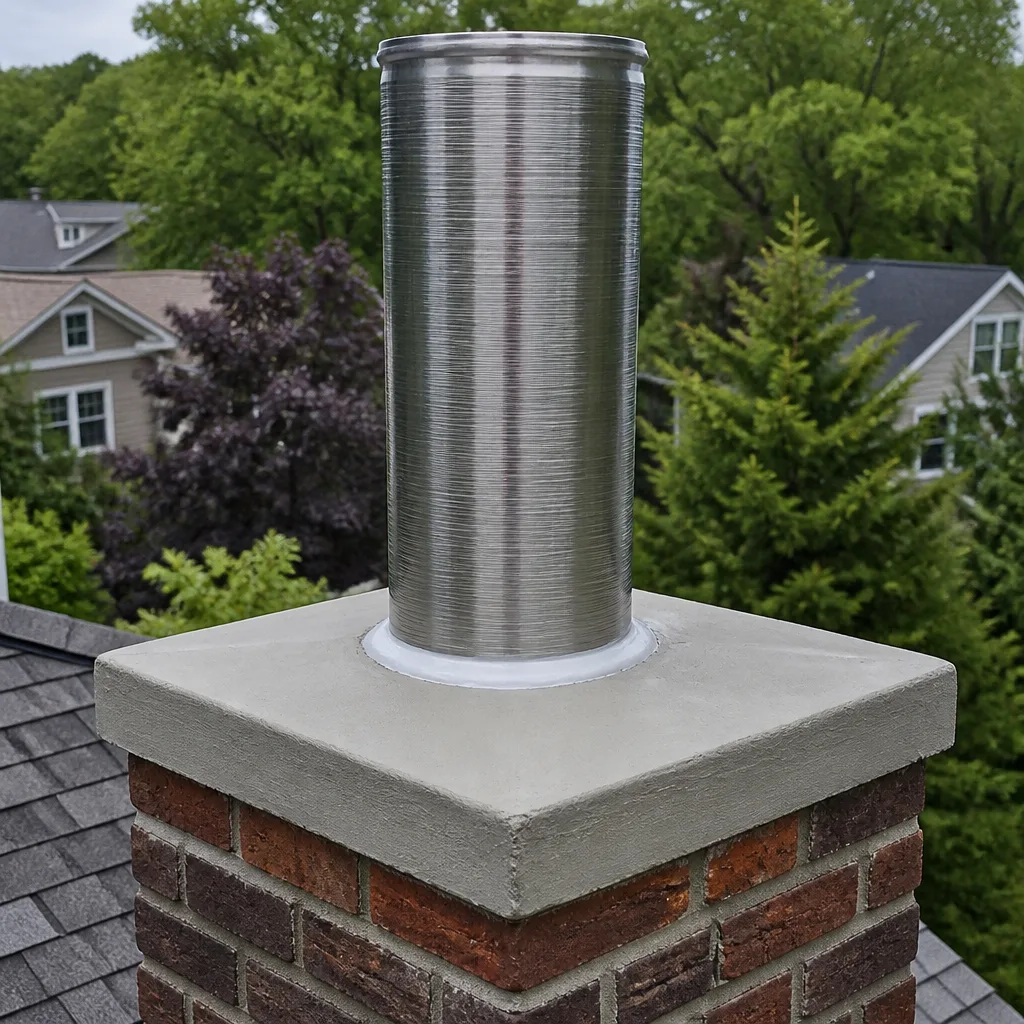
When the pattern points to restriction, a sweep resolves it. When the pattern points to draft, the answer is usually at the top of the stack or in the flue liner. In either case, the diagnosis is confirmed with a proper inspection. We use camera inspection so the answer is visible rather than inferred. If the flue is holding heat unevenly due to a damaged liner, resurfacing with HeatShield can restore the flue interior without requiring a full liner replacement, and we explain the actual condition before quoting a price.
The Right Order to Rule Out Causes Before You Call
Ruling out causes in the right order saves you from calling for a sweep when the real problem is pressure, or buying a new cap when the real problem is the crown. The order below runs from easiest to hardest, and from homeowner-safe to professional-only.
- Check the damper position. Fully open, correctly seated, moving freely. If the damper binds, stop here and note it.
- Look up the flue with a flashlight. Note whether the flue walls look heavy with creosote, whether there’s a visible blockage, and whether any tiles look cracked or missing.
- Warm the flue and test draft with a window cracked. If smoke clears immediately, the issue is likely pressure or flue sizing rather than restriction.
- Test on a calm day vs. a windy day. Wind-dependent symptoms point to the crown, cap, or top-of-stack environment.
- Inspect the crown and cap from the ground. Look for cracks, missing mortar, spalling brick, a damaged cap, or a missing rain cover.
- Check for odor and staining patterns. Odor that comes and goes with weather points to creosote or moisture. Staining on the interior walls near the ceiling points to flashing.
If you reach step six and the answer still isn’t clear, you’ve reached the point where the diagnosis requires a camera and a trained eye. That’s the natural handoff to professional service. There’s no shame in getting to that point; most homeowners will, because some of the most important problems sit where no flashlight from the firebox can reach.
In our experience, a routine chimney sweep answers most of these questions in a single visit. The sweep clears restriction, the camera inspection finds structural issues, and the technician walks you through the findings before mentioning any repair. That’s the sequence we recommend: get the diagnosis first, then decide on the fix.
What’s Safe to Monitor vs. What Requires Shutting the Fireplace Down
Not every chimney problem is an emergency. Some are safe to note and monitor; others mean the fireplace needs to stop being used until the issue is resolved. Knowing which is which matters for both safety and your wallet.
Safe to monitor:
- A light, even creosote layer that hasn’t reduced draw and hasn’t produced smoky smells. Schedule a sweep before the next burn season.
- Minor cosmetic staining on the chimney exterior without interior staining, active leaks, or interior smoke symptoms.
- A missing rain cap that hasn’t resulted in a leak or animal entry. Fix it, but it isn’t an emergency tonight.
Shut the fireplace down:
- Heavy, glazed creosote buildup anywhere in the flue. This is the condition most associated with chimney fires, and no fire should be lit until it’s removed.
- Any crack in the flue liner or visible damage to the flue tiles. A damaged liner is a direct path for combustion gases into the structure.
- Smoke rolling into the room on every burn, regardless of conditions.
- Carbon monoxide alarms sounding when the fireplace is in use, or any headache, dizziness or nausea that clears when you leave the room. Open the windows, get everyone outside, and call the fire department.
- Visible rust on the firebox or damper, which often signals serious water intrusion and structural damage.
If you’re pointing at a category and don’t know which side of it you’re on, that’s a professional call. A proper fireplace repair assessment can tell you in one visit whether the condition is monitorable or shutdown-necessary. That’s the honest answer, and it’s the one we give before quoting a repair.
Common Mistakes to Avoid
- Replacing the damper when the crown is the culprit. A smoky fire with a smooth-operating damper and wind-dependent behavior points up the stack, not into the firebox. Buying a damper you didn’t need is money out the door.
- Burning through a smoking fire instead of opening a window. If a smoky start clears within a minute with a cracked window, the issue is pressure, and you don’t need a repair, just a lighting habit change. If it doesn’t clear, stop burning and get it inspected.
- Assuming a creosote smell is normal. It’s not. It means creosote or moisture is present, and the right answer is a sweep and inspection, not a deodorizer.
- Letting a crack in the crown get through a dry summer. Placentia’s long hot stretches open crown cracks wider. By the time staining shows up, the water has been finding its way in for a while.
- Hiring a roofer or handyman for crown work. Crown repair needs the right slope and sealant for chimney masonry. A general contractor’s repair can fail again within a season.
- Skipping the inspection before buying a home with a fireplace. A camera inspection reveals liner and crown condition that a home inspector usually won’t catch.
- Treating a gas fireplace like a wood one. Gas fireplaces have their own venting and log-set requirements, and troubleshooting them is a different discipline. Don’t assume a smoke problem with a gas unit is a chimney-sweeping issue.
See the difference
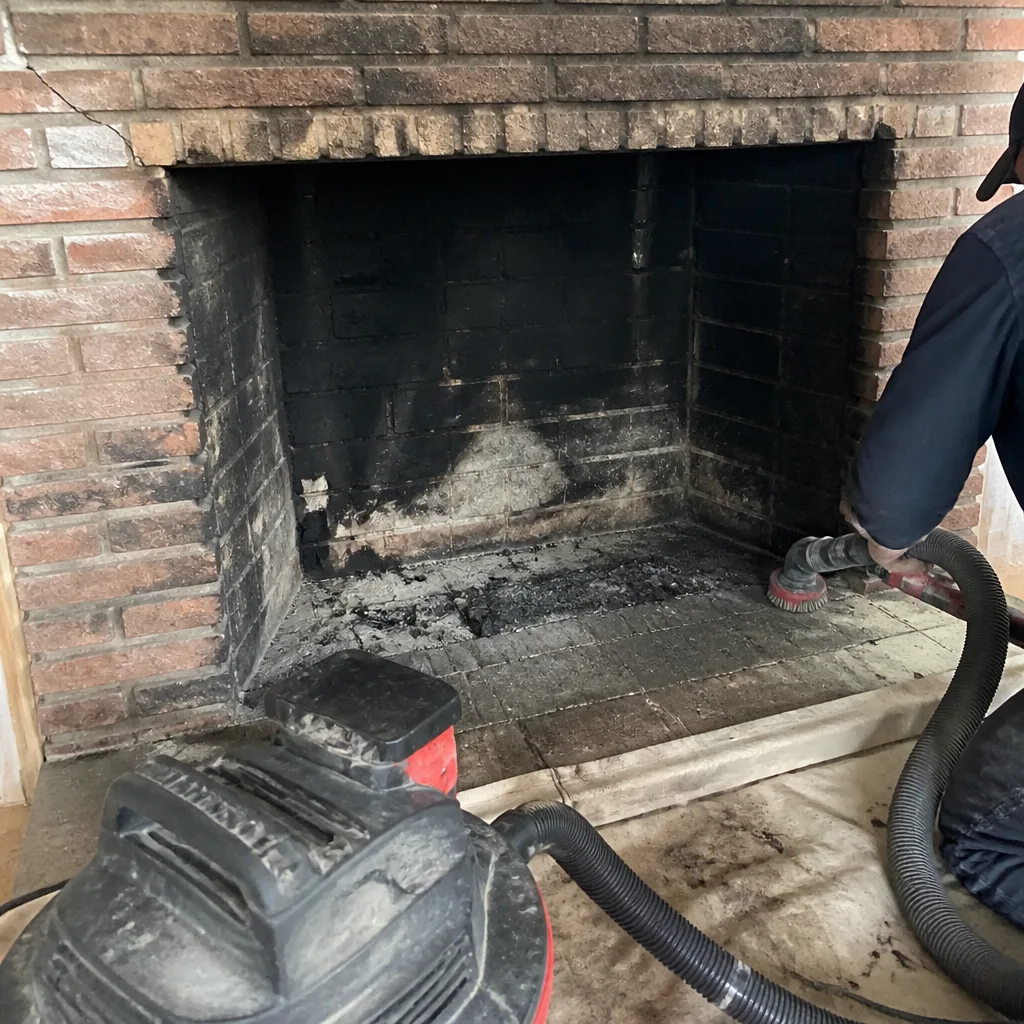 Before
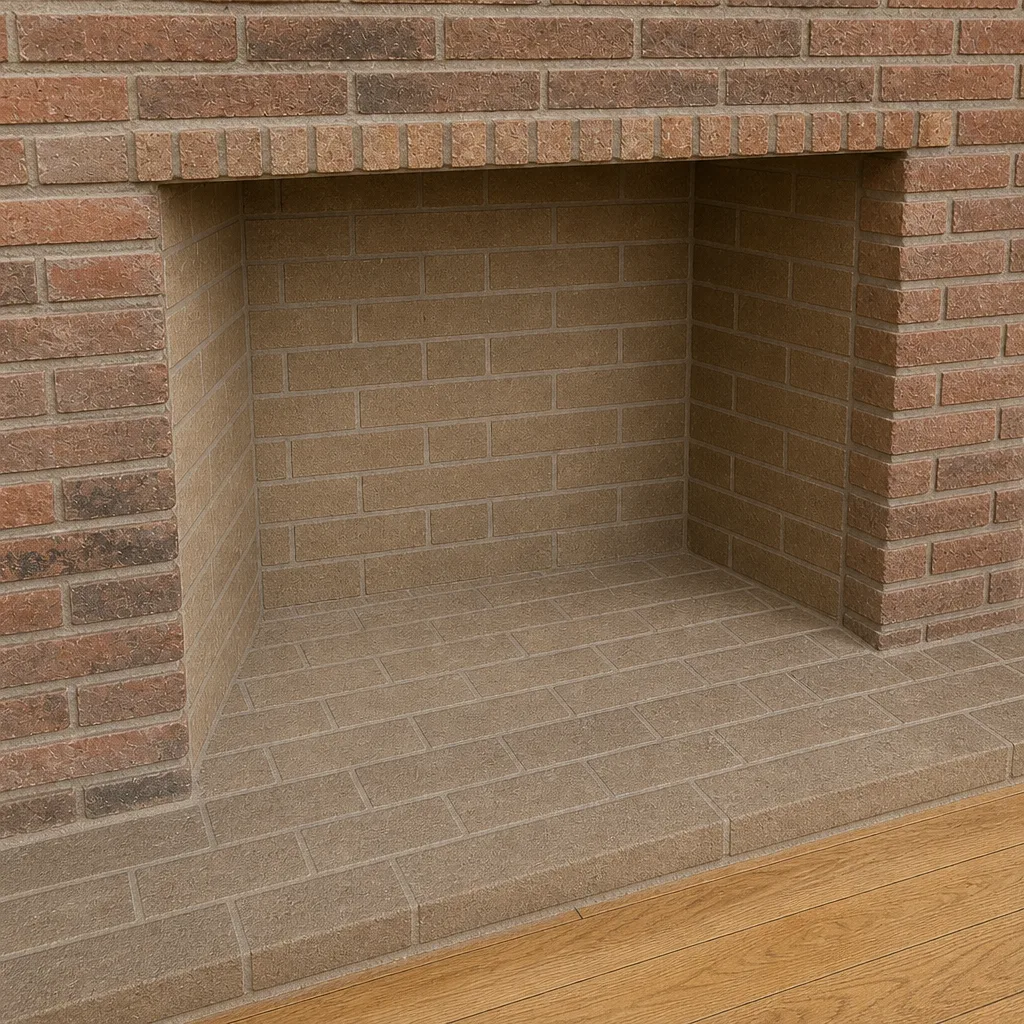 After
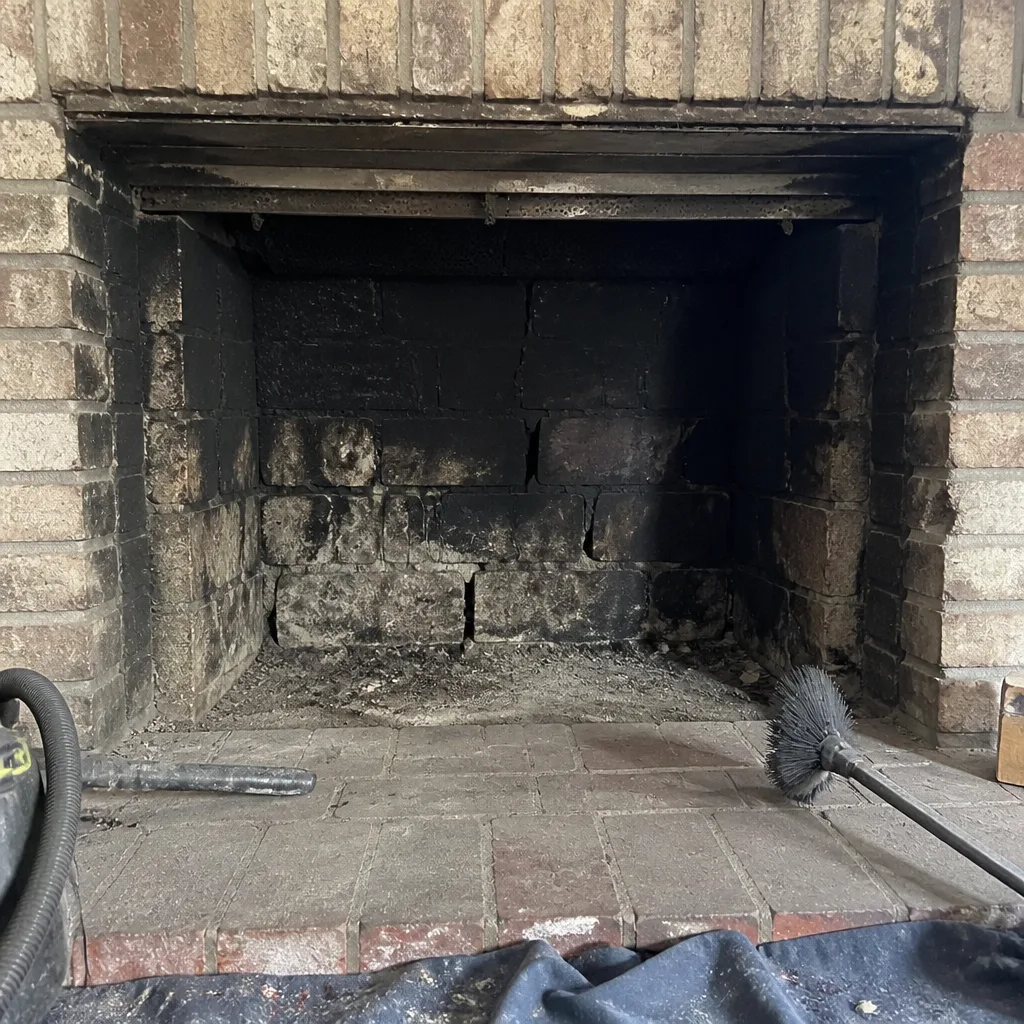 Before
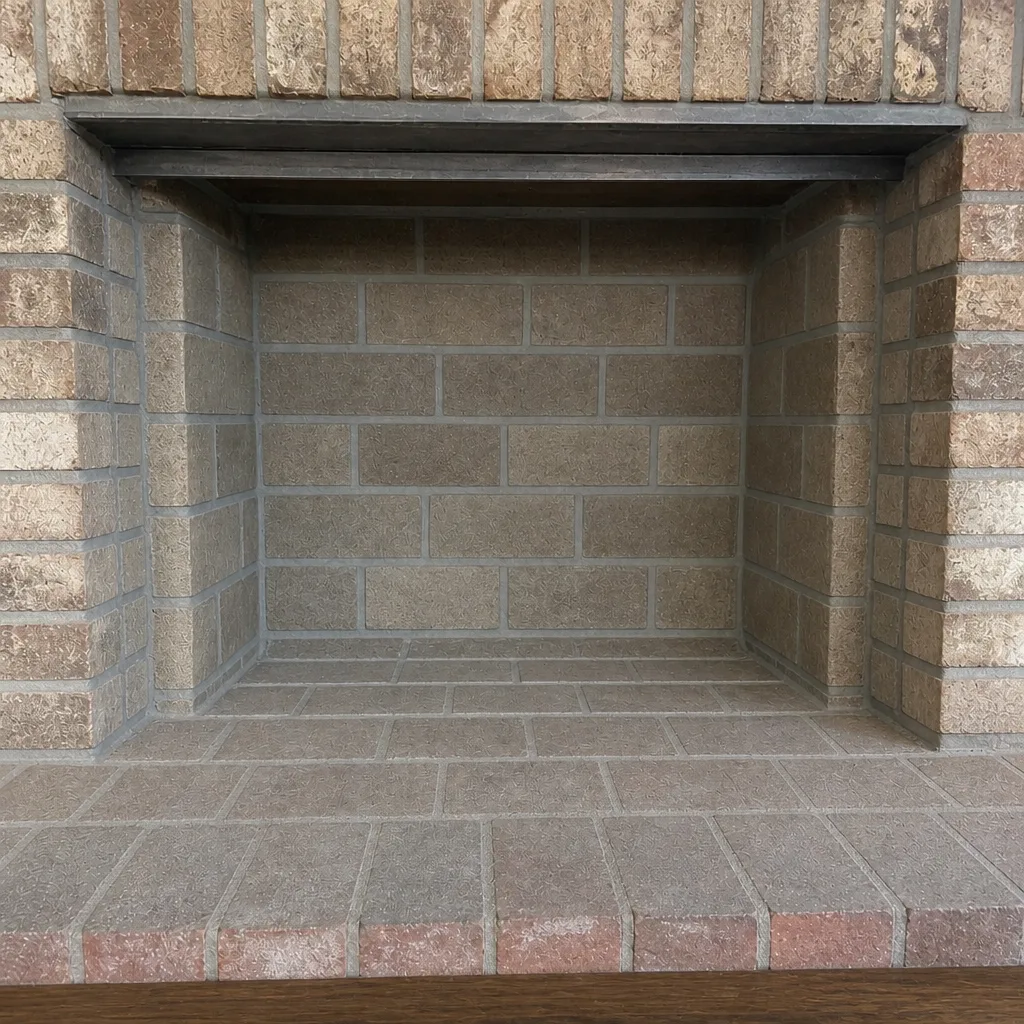 After
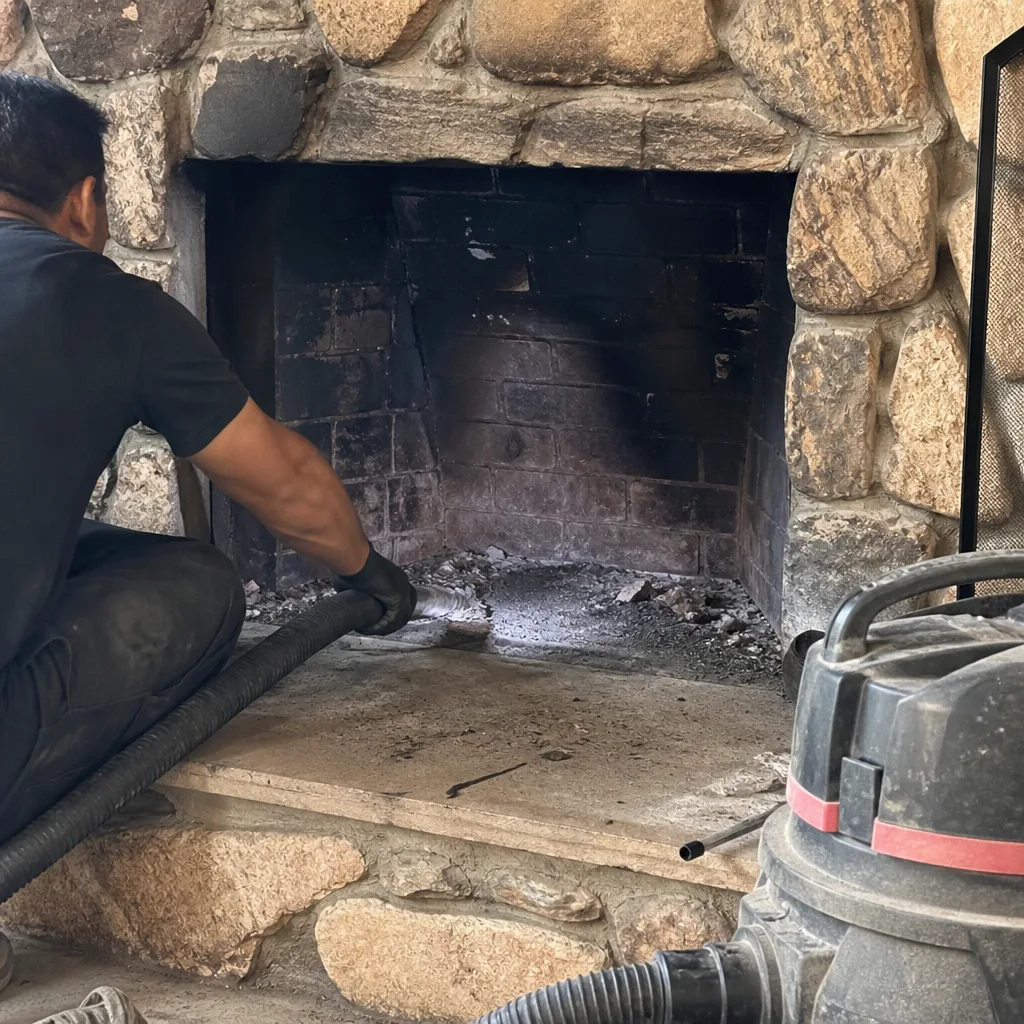 Before
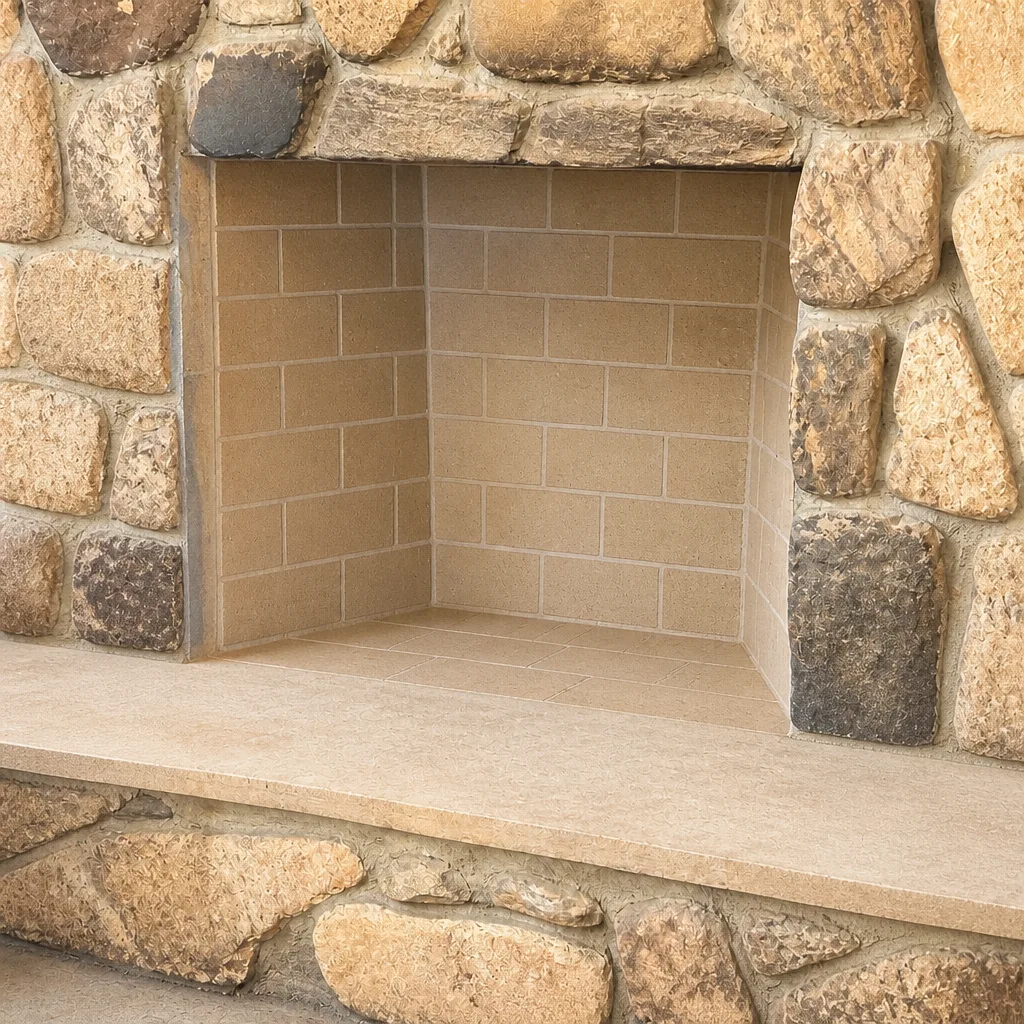 After
When to Call a Professional
Call a professional when your symptom points to restriction you can’t clear with a sweep, a structural issue at the crown or liner, or a draft problem that survives warming the flue and cracking a window. Call sooner if there’s any smell of gas, any carbon monoxide alarm, any interior water staining near the chimney, or any visible damage to the flue itself. Those conditions shouldn’t wait for a convenient appointment.
Our technicians have up to 10 years of experience, and we use camera inspection on every visit so you can see exactly what we’re seeing. Our work uses professional trade materials like HeatShield for flue resurfacing and DuraFlex for liner work, because the product inside the flue matters as much as the labor going into it.
Chimney Sweep Placentia offers free estimates in Placentia. Call (844) 625-6823. We answer 24/7, with fast dispatch from 7am to 7pm, Sunday through Friday, and we’re closed Saturday. We’ll tell you which findings need immediate repair, which can wait, and which just need monitoring.
Frequently Asked Questions
Yes, and the reason is creosote accumulation, not the number of fires you light. Even a few burns a season deposit creosote and soot on the flue walls, and Placentia’s dry summers bake that residue into a hard glaze that becomes harder to remove each year. A sweep before the burn season clears it before it can build into a restriction or a fire risk. Call (844) 625-6823 for a booking; estimates are free.
Yes. A cracked crown lets crosswinds enter the top of the flue, destabilizing the draft and pushing smoke back into the room. The symptom looks identical to a failing damper, which is why so many homeowners replace the wrong part. The difference is that crown-related smoke is often wind-dependent, while damper-related smoke is consistent. If your smoke behaves differently on windy versus calm days, the crown is worth checking before you buy a damper.
The clearest tell is whether the symptom changes with conditions. Creosote restriction produces consistent symptoms: poor draw, smoke roll-back shortly after lighting, no improvement with a cracked window. Structural draft problems are more erratic, worse in wind or with the house locked up, sometimes better with a window cracked. Combined with a visual check up the flue, that pattern gets you most of the way to the right category. The camera inspection confirms it.
Pricing on chimney work is per job and set by a written estimate, so the honest answer is that we look at your chimney before we quote. A basic service call and inspection is normally quoted together, and repair pricing depends on what the inspection actually finds. That’s why we include camera inspection and a photo report, so you see the evidence before you see a number. Estimates are free. Call (844) 625-6823 to book.
Safe to monitor: light creosote buildup, minor exterior staining, a missing rain cap without active leaks. Stop using the fireplace: heavy glazed creosote, any damage to the liner or flue tiles, smoke rolling in on every burn, carbon monoxide alarms, or visible rust on the firebox and damper. If you can’t tell which category you’re in, that’s a professional call, and the safest choice is to shut the fireplace down until it’s assessed.
We work with both wood-burning and gas chimney systems, but the troubleshooting approach is different. Gas fireplaces have their own venting requirements and log-set clearances, and troubleshooting them isn’t the same as a sweep. We’ll tell you if the issue falls into a specialist’s territory, like a gas line connection, rather than guessing. Call (844) 625-6823 to describe the symptom and we’ll point you in the right direction.
The Bottom Line
Most chimney problems that get misdiagnosed as one part end up being a different part entirely. Smoke in the room might be the crown, not the damper. Odor might be creosote, not animals. Staining on the ceiling might be flashing, not a leaky flue. The fastest path to the right fix is a careful look at the symptom and a knowledgeable read of the whole system, followed by a camera inspection that confirms it. Placentia’s dry climate adds crown stress and creosote baking to the usual problem list, so the schedule of annual sweep plus inspection matters here as much as anywhere. Call (844) 625-6823 for a free estimate. We answer 24/7, with fast dispatch from 7am to 7pm, Sunday through Friday. No guesswork, no upsells, just the evidence from the camera and the honest quote that follows it.
Written by the team at Chimney Sweep Placentia.