
Last updated November 25, 2026
 Sweep & inspection
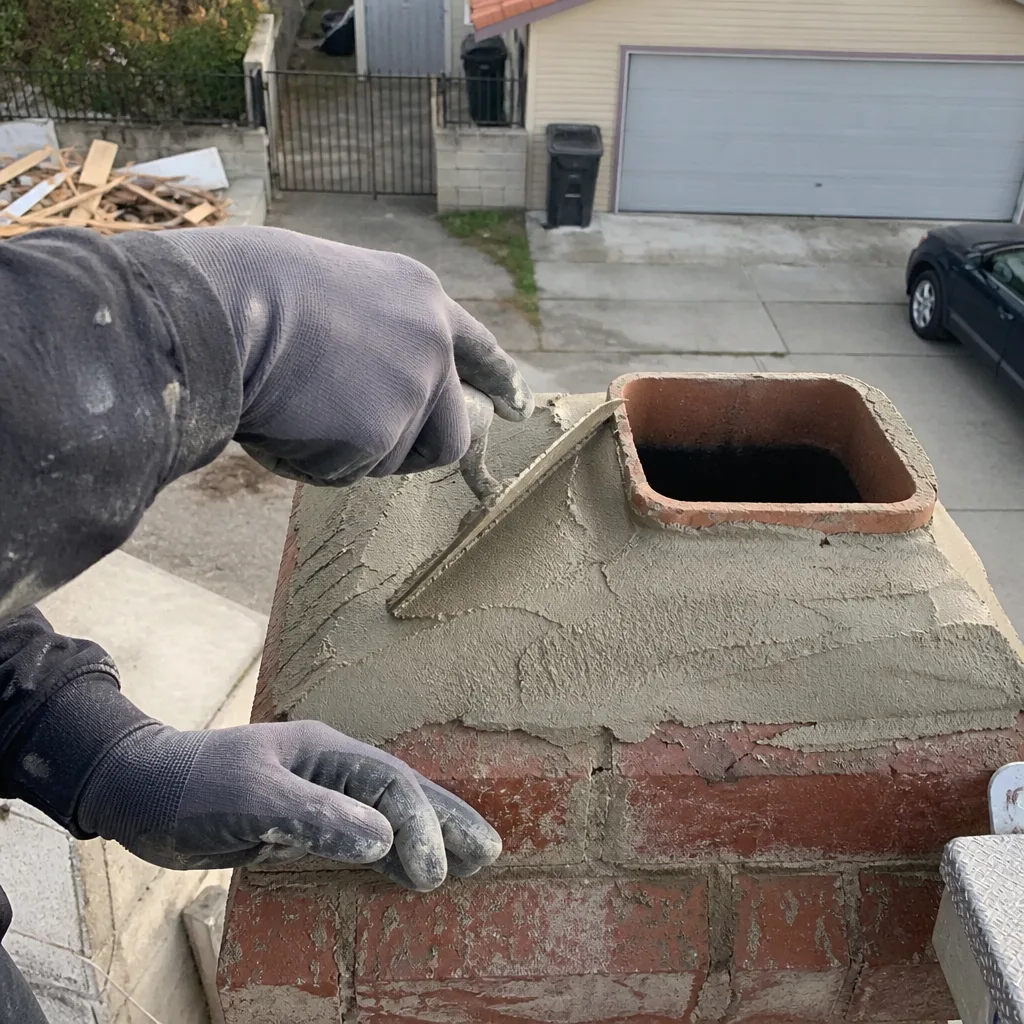
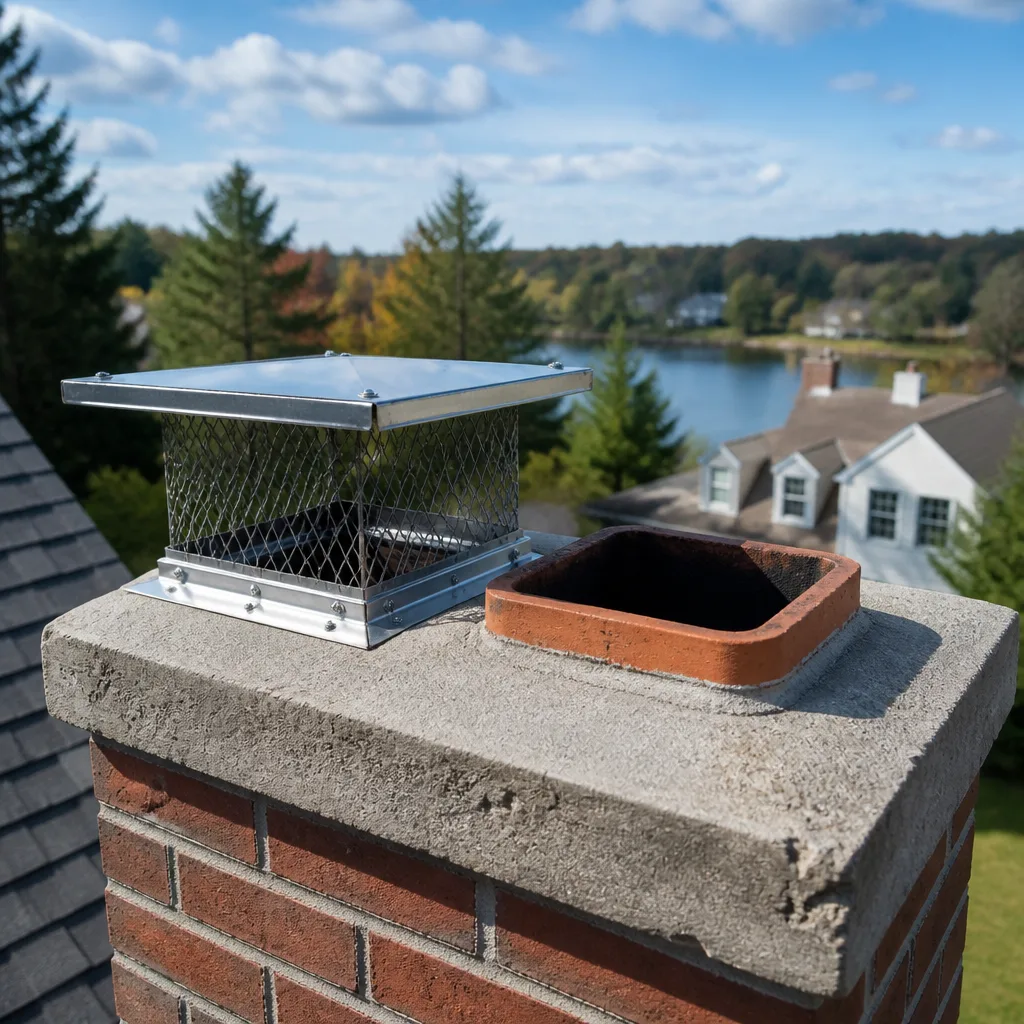
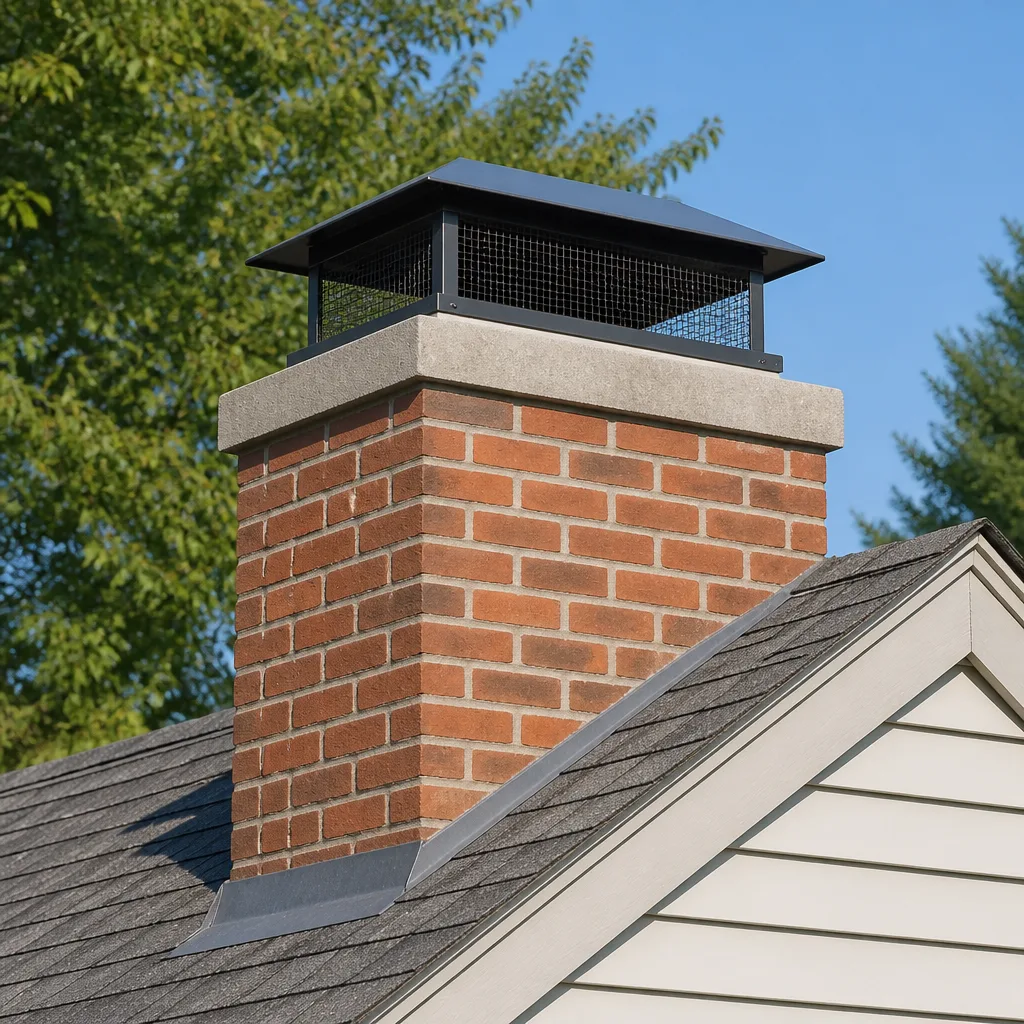 Caps & crowns
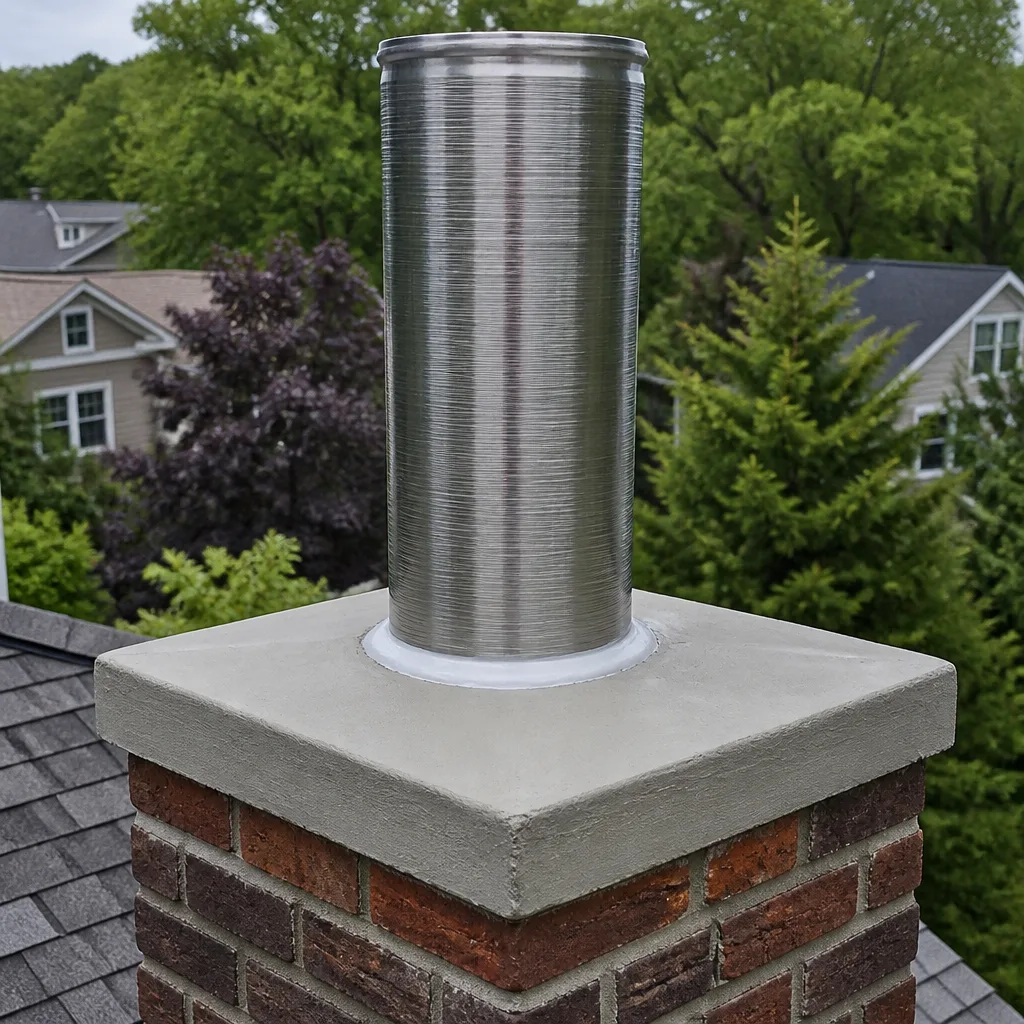 Flue relining
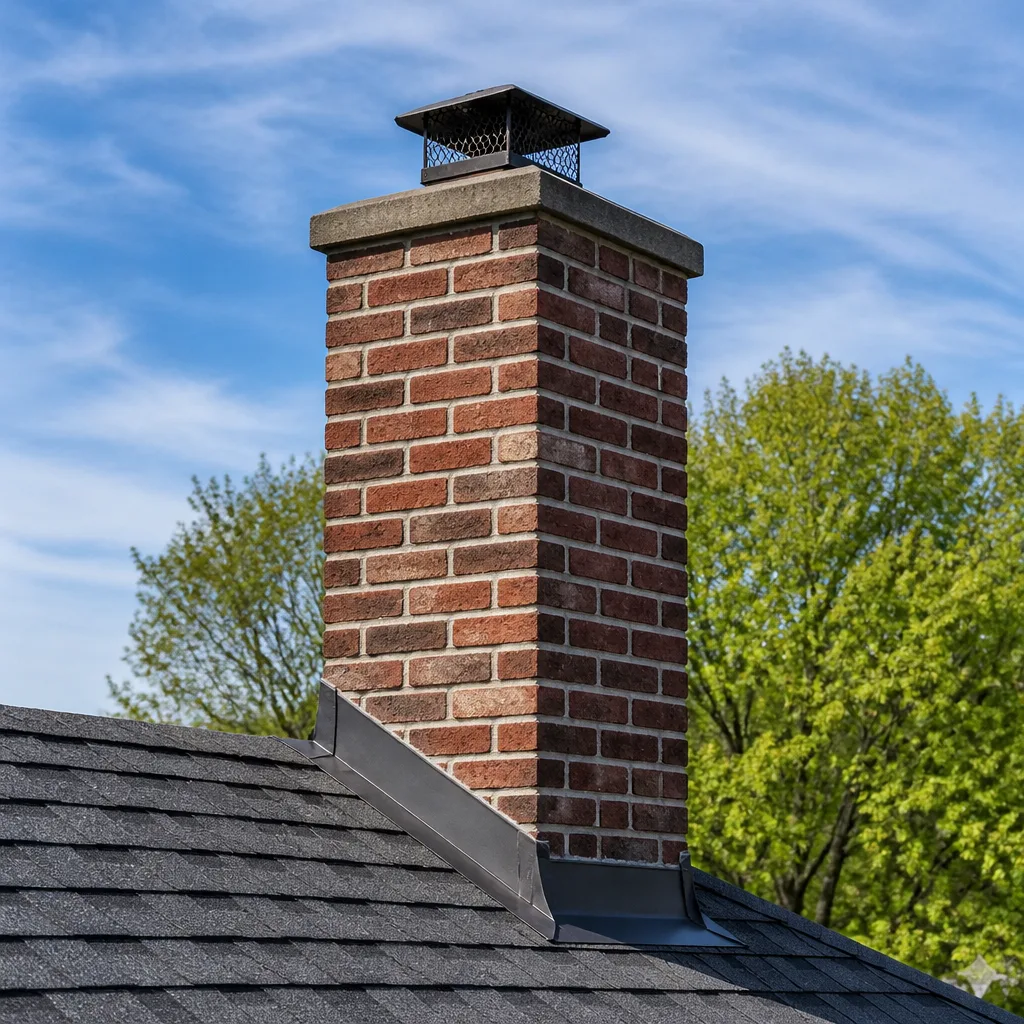 Masonry repair
 Gas fireplace service
Level 1 sweep and inspection to the NFPA 211 annual standard - flue, crown, cap, and flashing checked and photographed
Chimney sweep logs do not sweep chimneys. They loosen some creosote - which then falls where a brush and vacuum still have to collect it.
Choosing the Right Chimney Cleaning Brand: A Buyer’s Guide for Placentia
Most homeowners shop for chimney service the same way they shop for a new water heater: they collect three quotes, pick the middle one, and assume the work is roughly equivalent no matter who does it. That assumption holds up fine for a drain cleaning. It falls apart for a chimney. A national franchise, a regional multi-crew outfit, and a local full-system specialist are not three versions of the same service at three price points. They’re three different operating models with different training, different equipment, and very different limits on what they can actually fix once they’re on your roof. This guide breaks down those models for Placentia homeowners so the choice you make is based on capability, not on whoever answered the phone first.
Quick Answer
The right chimney cleaning company in Placentia is the one that can both clean and repair the full system – flue, crown, cap, smoke chamber, and firebox – because a cleaning that uncovers a cracked crown or a failing liner is only useful if the same company can fix it. National franchises typically clean well but hand off structural repairs to a second vendor. Regional companies vary widely. A local full-system specialist handles inspection, sweeping, fireplace repair, chimney repair, and cap and crown work under one accountable roof.
Styles & brands we work with
- Sweep & inspection
- Caps & crowns
- Flue relining
- Masonry repair
- Gas fireplace service
Table of Contents
- The Three Service Models in the Placentia Market
- How Technician Training and Certification Actually Differ
- The Repair Capability Gap (and the Second-Vendor Problem)
- Five Questions That Reveal a Company’s Real Scope
- What Local Market Knowledge Means in Placentia
- Why Trade Brands Matter More Than You’d Think
- How Pricing Structures Compare Across Models
- A Step-by-Step Evaluation Process
The Three Service Models in the Placentia Market
When you search for the best chimney cleaning company in Placentia CA, the results fall into three operational buckets, and each one has a distinct shape.
National franchise. Standardized protocols, a recognizable name, and a call center that routes to whichever technician covers your area. The strength is consistency of the cleaning itself. The weakness is scope: the business model is built around the sweep and the inspection, not around masonry, liner fabrication, or crown reconstruction. When the inspection turns up something structural, the franchise usually refers it out.
Regional multi-crew company. Several crews, a wider service area, and more in-house capability than a franchise. Quality varies by branch and by which crew shows up. You may get a company that does liners but not crowns, or crowns but not smoke chamber work. Ask specifically.
Local full-system specialist. Narrower geography, deeper scope. Cleaning, inspection, fireplace repair, chimney repair, and cap and crown installation all come from the same operation, which means the person who finds the problem is accountable for fixing it. We operate this way because the alternative – a sweep who can only sweep – leaves Placentia homeowners managing two contractors and a gap in responsibility between them.
None of these models is automatically better. What matters is matching the model to what your chimney actually needs, which you won’t know until someone inspects it.
How Technician Training and Certification Actually Differ
A franchise technician and a CSIA-certified sweep may both arrive with a brush and a vacuum. What sits behind the brush is not the same.
The Chimney Safety Institute of America certification is a third-party credential. It requires passing an exam that covers codes, venting principles, combustion, and inspection standards, and it requires continuing education to maintain. It tests whether a technician understands why a flue works, not just how to push a brush through it.
Franchise internal training is proprietary. It teaches the company’s cleaning protocol, which is often thorough for the sweep itself. It isn’t the same thing as a third-party examination of the technician’s understanding of venting, draft, and inspection standards. That distinction shows up in the report you get afterward.
Here’s what to ask, in order:
- Are your technicians CSIA-certified, and can you show me the credential?
- Who performs the inspection, and what standard do they inspect against?
- Does the same company do liner work, or do you subcontract it?
- What does your written report include – photos, video, both?
- If you find crown or smoke chamber damage, who fixes it?
Our technicians have up to 10 years of experience, and we treat the inspection as the foundation of every recommendation. If a technician can’t explain what they found and why it matters, the credential on the van is doing less work than you think.
The Repair Capability Gap (and the Second-Vendor Problem)
This is the part of the decision that review sites never capture, and it’s the part that costs homeowners the most in time and coordination.
A national brand’s camera inspection is genuinely useful. It shows you what’s inside the flue. But when that camera shows a cracked crown, a spalling smoke chamber, or a liner with a failed joint, a sweep-only operation has no path forward except a referral. You’ve now got two contractors: one who diagnosed the problem and one who will fix it, with no shared accountability between them. If the repair doesn’t last, the conversation about why gets complicated fast.
A full-system specialist closes that loop. The same company that ran the camera does the crown rebuild, the liner installation, or the HeatShield resurfacing. One estimate, one warranty conversation, one point of contact if something needs a second look.
The gap shows up most often in three specific jobs:
- Liner replacement. Requires flexible liner systems and the know-how to size and insulate them correctly for the appliance.
- Crown repair. Masonry work, not cleaning work. A cracked crown is the most common entry point for water in a chimney.
- Smoke chamber resurfacing. A specialized restoration process, not something a general handyman should touch.
Ask any company you’re considering which of those three they perform in-house. The answer tells you more than the price.
Five Questions That Reveal a Company’s Real Scope
Price quotes are easy to compare and mostly meaningless on their own. Scope questions are harder to answer vaguely, which is exactly why they work.
- “Do you install liners, and with what system?” A company that installs DuraFlex flexible liners can handle both new installs and retrofits. A company that refers liner work out is a cleaning company.
- “Can you resurface a deteriorating flue, or is replacement the only option you offer?” HeatShield resurfacing restores a flue interior without a full liner replacement in the right conditions. A company that doesn’t offer it will always recommend replacement.
- “Who rebuilds a crown, and how?” Crown work should be masonry, properly sloped and bonded. Not a caulk-and-paint patch.
- “What cap materials do you use?” Stainless and copper caps from established manufacturers last. Generic galvanized caps rust through. We work with Gelco, Olympia Chimney, and Famco among others because the material on top of your chimney determines how long the protection lasts.
- “Will you show me the camera footage before quoting repairs?” Any company worth hiring will. This is the single most important question in the list.
We explain what we find before we quote what it costs. That’s not a slogan; it’s the order of operations for a repair recommendation that a homeowner can actually verify.
What Local Market Knowledge Means in Placentia
“We serve Placentia” appears on a lot of websites. What it means in practice is narrower than the phrase suggests.
Placentia’s housing stock runs heavily toward mid-century and 1970s tract construction, with older masonry chimneys that have specific failure patterns: original clay tile liners that have cracked at the joints, crowns poured without the expansion joints modern practice calls for, and fireboxes with mortar that’s been through several decades of heating cycles. A technician who knows what a 1970s Placentia tract chimney looks like from the inside anticipates those failures. A technician working from a national script inspects to the script and misses them.
Roofline access matters too. Placentia’s older neighborhoods have tighter lot lines, lower-pitch roofs, and mature trees that change which access approach works. A crew unfamiliar with the area spends more time on setup and less on the inspection.
Permits are the third piece. Structural chimney work in Placentia generally runs through the City of Placentia Building Division, and requirements vary by scope. Ask any company you hire whether they pull permits for structural repairs and who handles the inspection. A company that does this work in Placentia regularly knows the process; a franchise routed from a call center may not.
Why Trade Brands Matter More Than You’d Think
What goes inside your chimney determines how long the repair lasts. This is where a full-system specialist separates from a generalist most clearly.
A sweep-only operation doesn’t need to know materials. A specialist does. We work with an intentional roster of professional trade brands – DuraFlex for flexible liner systems, HeatShield for flue resurfacing, Gelco, Olympia Chimney, Famco, and Copperfield for caps, crowns, and components – because the product inside the flue is doing the actual work.
HeatShield is worth calling out specifically. It’s an EPA-recognized restoration system that resurfaces a deteriorating flue interior, and it’s not something a general handyman service offers. On the right chimney, it restores structural integrity at a fraction of the cost of full liner replacement. On the wrong chimney, it’s not appropriate, and we’ll tell you which situation you’re in before any work is quoted.
The practical takeaway for a buyer: ask what brand and system a company plans to install, and ask why. A company that can answer both questions in specific terms is working from material knowledge, not from a price sheet.
How Pricing Structures Compare Across Models
Prices in the Placentia market vary by service type and by the condition of your chimney. Typical estimated ranges look roughly like this – the written estimate after inspection sets the final price:
- Routine sweep and inspection: the entry-level service, priced per job based on flue configuration and appliance type.
- Camera inspection and written report: often bundled with the sweep, sometimes a standalone line item for second opinions.
- Cap installation: varies by material – stainless versus copper – and by stack configuration.
- Crown repair or rebuild: masonry work, priced by scope and access.
- Liner installation: the largest line item in most chimney budgets, priced by liner length and appliance requirements.
- Flue resurfacing: priced by flue size and condition, and typically lower than full replacement where appropriate.
Franchise pricing tends to be standardized and easy to compare. Specialist pricing reflects the actual scope, which means it’s harder to shop apples-to-apples but more accurate. Flat pricing should be agreed before booking – if a company won’t commit to a number before arrival, that’s a signal. The estimate is free and the written version is the one that counts.
A Step-by-Step Evaluation Process
Here’s how to run the comparison so the decision is based on information rather than on marketing.
- Ask what happens after the sweep. If the answer is “we refer that out,” you’re talking to a cleaning company, and anything structural becomes a separate negotiation.
- Ask for the inspection standard and the technician’s credential. Third-party certification means the technician was tested on venting, codes, and inspection standards.
- Ask for camera footage before any repair quote. Nothing should be recommended that you can’t see for yourself.
- Ask which specific materials will be installed and why. DuraFlex, HeatShield, and named cap manufacturers should come up in specific, not generic, terms.
- Ask whether the same company handles permit work for structural repairs. Placentia’s building department requirements apply; a company familiar with the process handles them without friction.
- Compare written estimates on the same scope. A low quote for a scope that doesn’t include crown or cap work isn’t a lower price; it’s a smaller job.
Common Mistakes to Avoid
- Choosing on price alone. The cheapest sweep in Placentia is usually the cheapest because it stops at sweeping. If the inspection finds a cracked crown, the money saved was spent twice.
- Hiring a general handyman for structural chimney work. Masonry, liner, and crown work require material knowledge beyond basic sweep certification. A handyman can patch a crown; the patch usually fails the first wet season.
- Accepting a repair recommendation without seeing the camera footage. This is the single most common mistake, and the easiest to avoid. Ask to see it; any company worth hiring will show you.
- Assuming a national brand is more accountable. A recognizable name doesn’t close the loop between the sweep and the repair. Ask who fixes what they find.
- Skipping the inspection to save a line item. The inspection is the diagnostic foundation for every safe recommendation. A cleaning without one is a cleaning you can’t trust.
- Shopping crown and liner work separately from the sweep. Two vendors means two estimates, two warranty conversations, and a gap in responsibility if something goes wrong. One call covers it: inspection, sweep, repair, cap, and crown.
- Ignoring the cap. The cap and crown are the two most common points of water intrusion. A missing or rusted cap is a slow leak into the flue liner, and it’s cheap to fix before it becomes structural.
See the difference
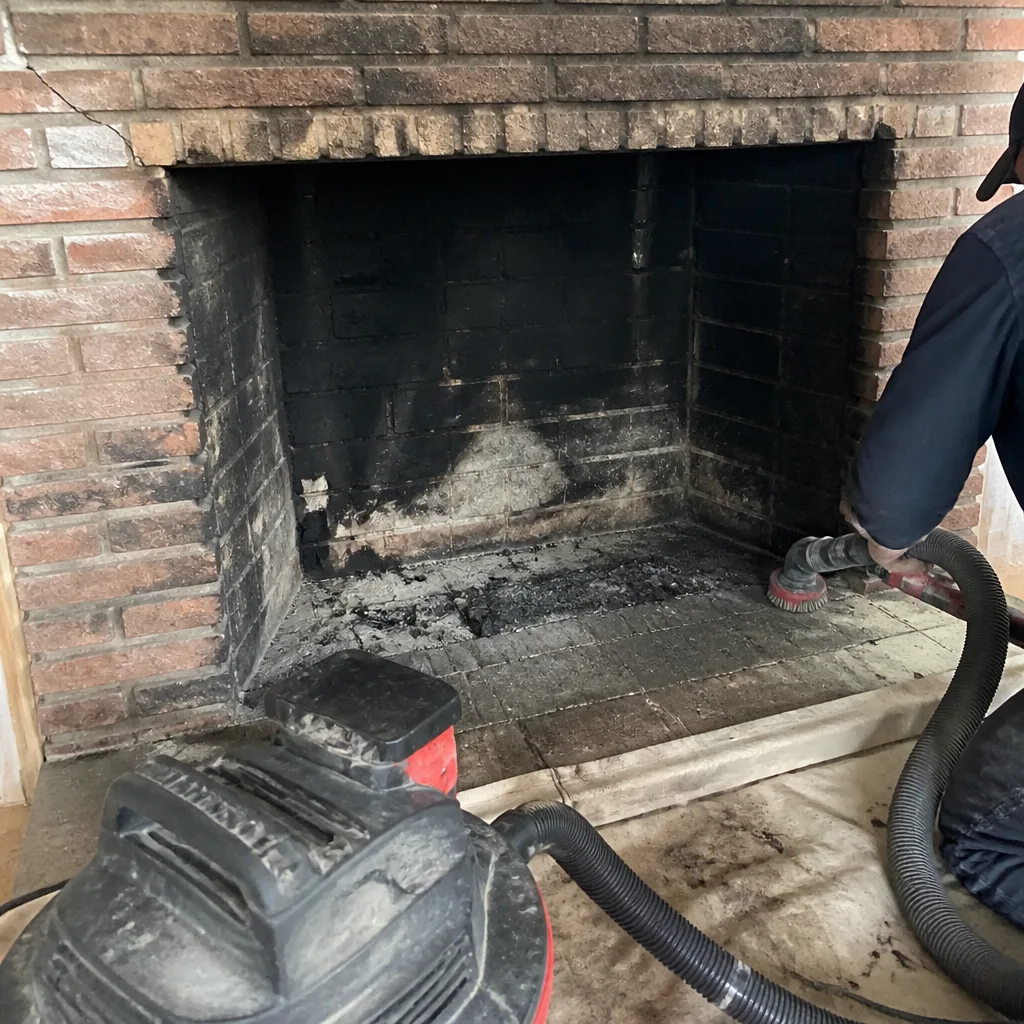 Before
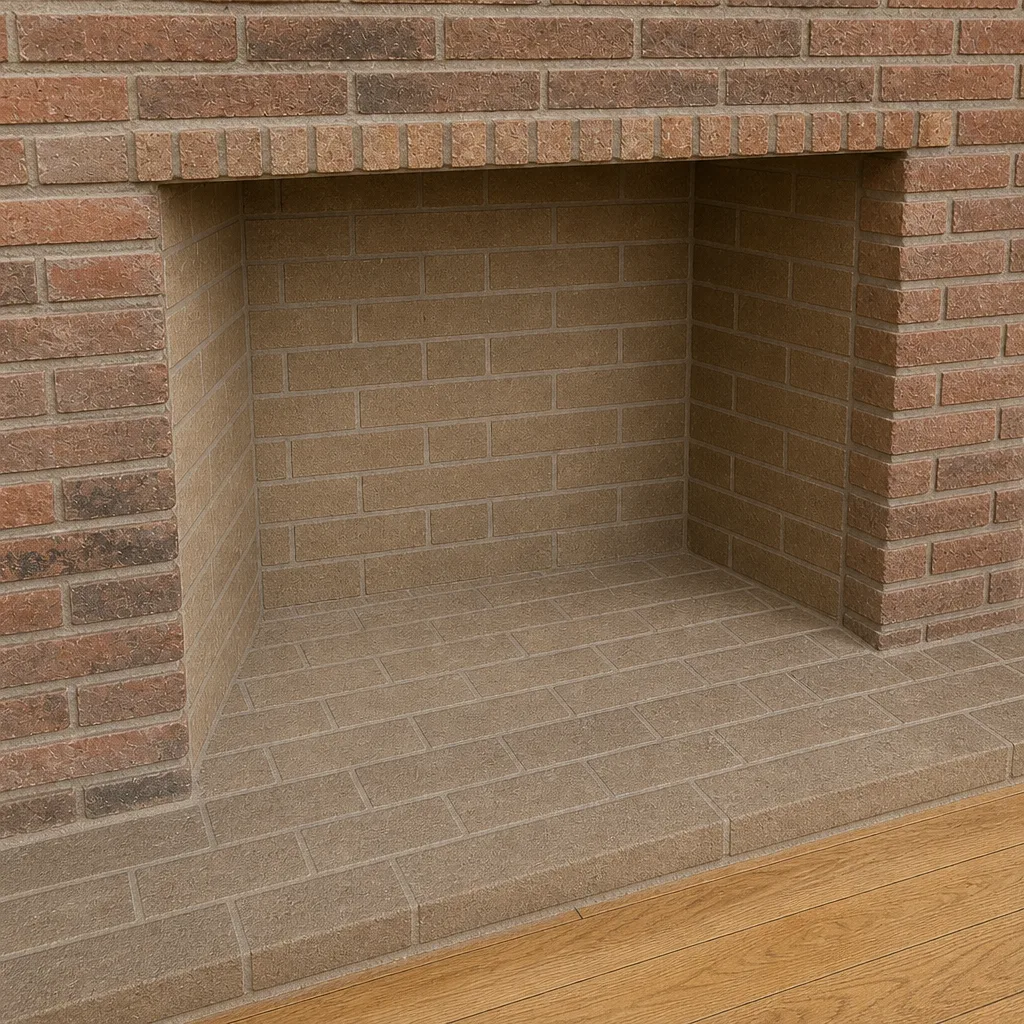 After
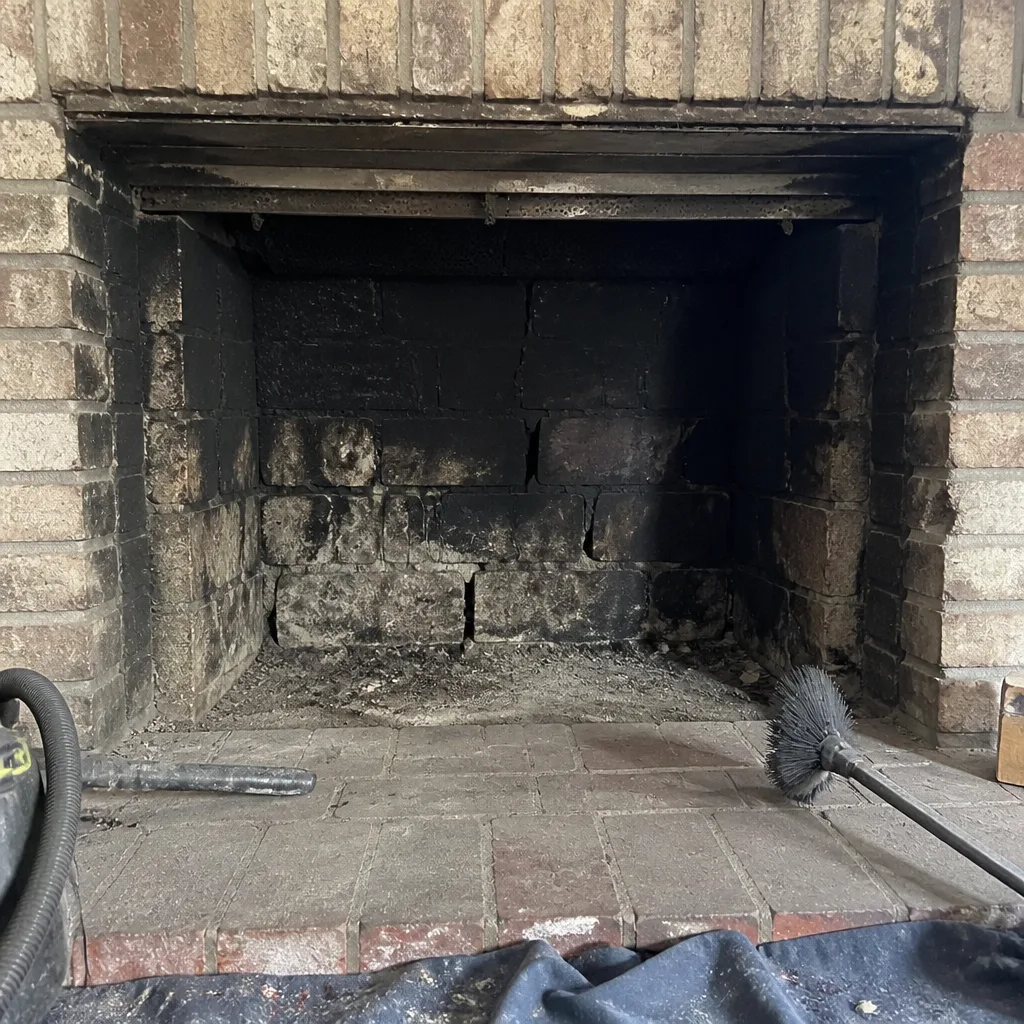 Before
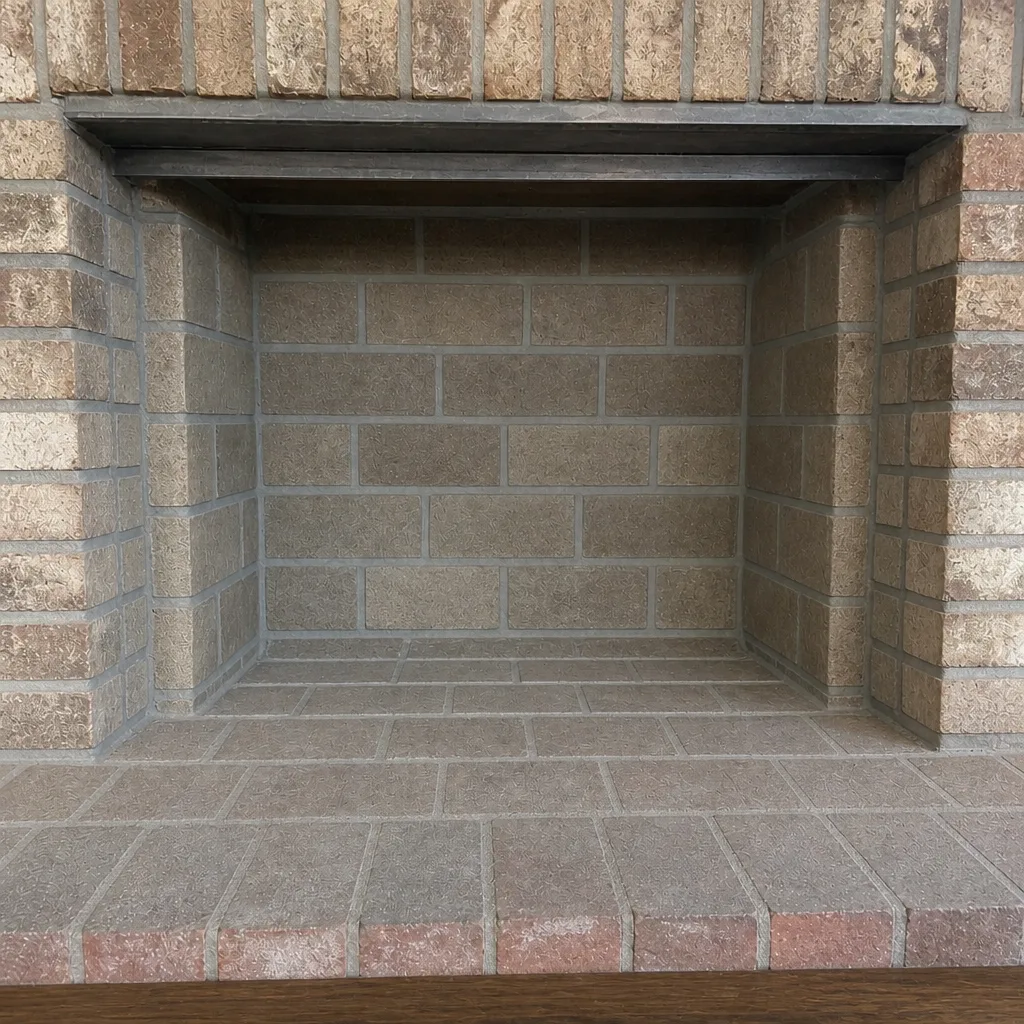 After
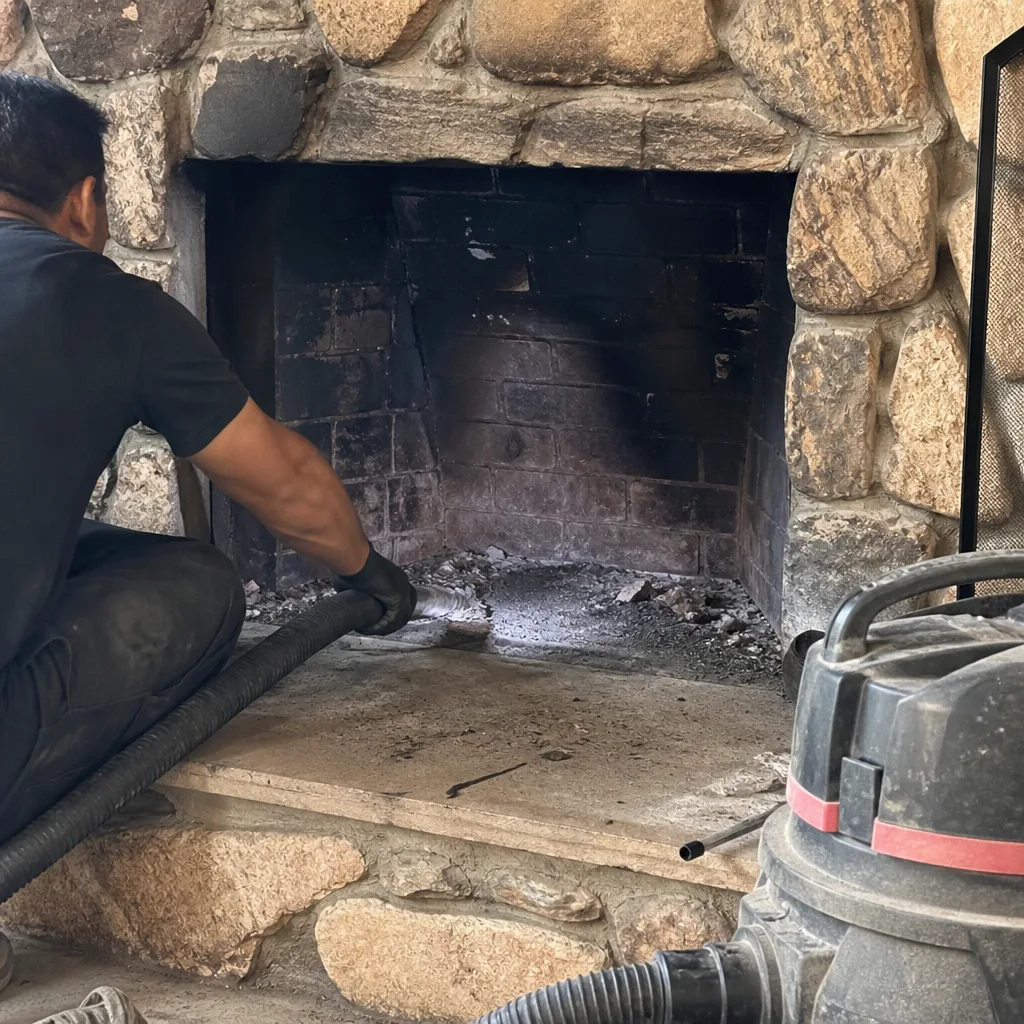 Before
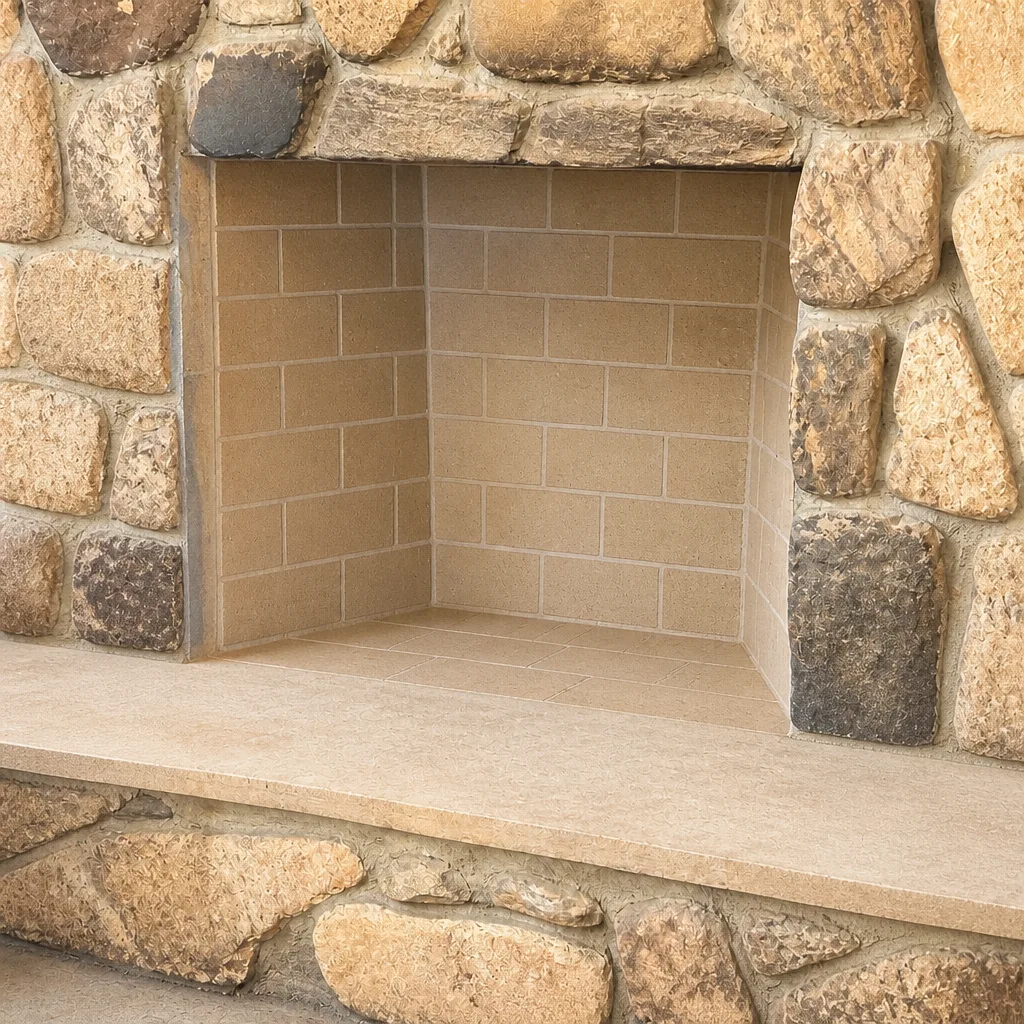 After
When to Call a Professional
Some jobs are urgent by nature, some are seasonal, and some can wait – and telling the difference is part of what an inspection is for. A clean flue is a safe flue, but a structurally sound flue is what keeps it that way long-term. Call a professional if you smell creosote when the fireplace is cold, if smoke backs into the room when you burn, if you see dark stains on the exterior masonry, if the cap is missing or rusted through, if you’ve had a chimney fire or a flue fire (even a small one), or if it’s been more than a year since the last inspection – Placentia’s burn season being what it is, the time to check is before the first fire, not after. Chimney Sweep Placentia offers free estimates in Placentia – call (844) 625-6823. We answer 24/7. Fast dispatch from 7am to 7pm, Sunday through Friday.
Frequently Asked Questions
Routine chimney sweep pricing in Placentia varies by flue configuration and appliance type, typically estimated per job rather than at a fixed rate. A sweep that includes a camera inspection and written report is a different service than a brush-and-go cleaning, and the price reflects that difference. The written estimate is the final price; nothing should be added after the work is quoted. For an exact quote, call (844) 625-6823 – estimates are free.
The difference is scope, not quality of the sweep itself. A national franchise is built around cleaning and inspection and typically refers structural repairs to a second vendor. A local full-system specialist handles inspection, sweeping, liner work, crown repair, and cap installation in-house, which means the company that finds a problem is accountable for fixing it. For Placentia homeowners, that difference shows up most clearly on mid-century chimneys where liner and crown issues are common.
Not always – and a company that recommends replacement without showing you the camera footage is asking you to take that on faith. In some cases, a deteriorating flue interior can be restored with HeatShield resurfacing rather than a full liner replacement, at significantly lower cost. In other cases, replacement is the only safe answer. The camera footage is what determines which. We explain what we find before we quote what it costs.
The general standard is at least once a year, with more frequent cleaning for heavy users. If you burn regularly through Placentia’s cooler months, or if you burn green or unseasoned wood, annual inspection is a minimum. The inspection is as important as the sweep – a flue can be clean and still have a cracked crown or a failing liner.
Creosote builds up in the flue, and creosote is the fuel in a chimney fire. Separately, undetected crown or liner damage lets water and combustion gases move where they shouldn’t. Neither problem announces itself until it’s advanced, which is why the annual inspection matters more than the annual cleaning in most cases. Nothing on a chimney needs to be a surprise.
Structural chimney repairs in Placentia generally run through the City of Placentia Building Division, and the permit requirement depends on the scope of work. Cap and crown work and full liner installation may require permits depending on what’s being done. Ask any company you hire who is pulling the permit and who is handling the inspection – a company familiar with the Placentia process answers that question without hesitation.
The Bottom Line
Choosing the right chimney cleaning brand in Placentia comes down to one question: can the company you hire both clean and repair the system? A national franchise cleans well but hands off the structural work. A regional company varies by crew. A local full-system specialist closes the loop between the inspection, the sweep, the liner, and the crown – which matters on Placentia’s older chimneys, where the inspection reveals something structural more often than not. Price is the last filter, not the first. Ask about training, ask about scope, ask to see the camera footage, and make the decision on capability. One call covers it: inspection, sweep, repair, cap, and crown – no handoff, no guesswork.
Ready to have your chimney looked at by a specialist rather than a sweep-only operation? Call Chimney Sweep Placentia at (844) 625-6823 for a free estimate. We answer 24/7. Fast dispatch from 7am to 7pm, Sunday through Friday. You can also start with a Chimney Sweep Placentia booking and we’ll take the inspection from there – and if a repair is needed, we can handle the fireplace repair and chimney repair under the same roof.
Written by the team at Chimney Sweep Placentia.