
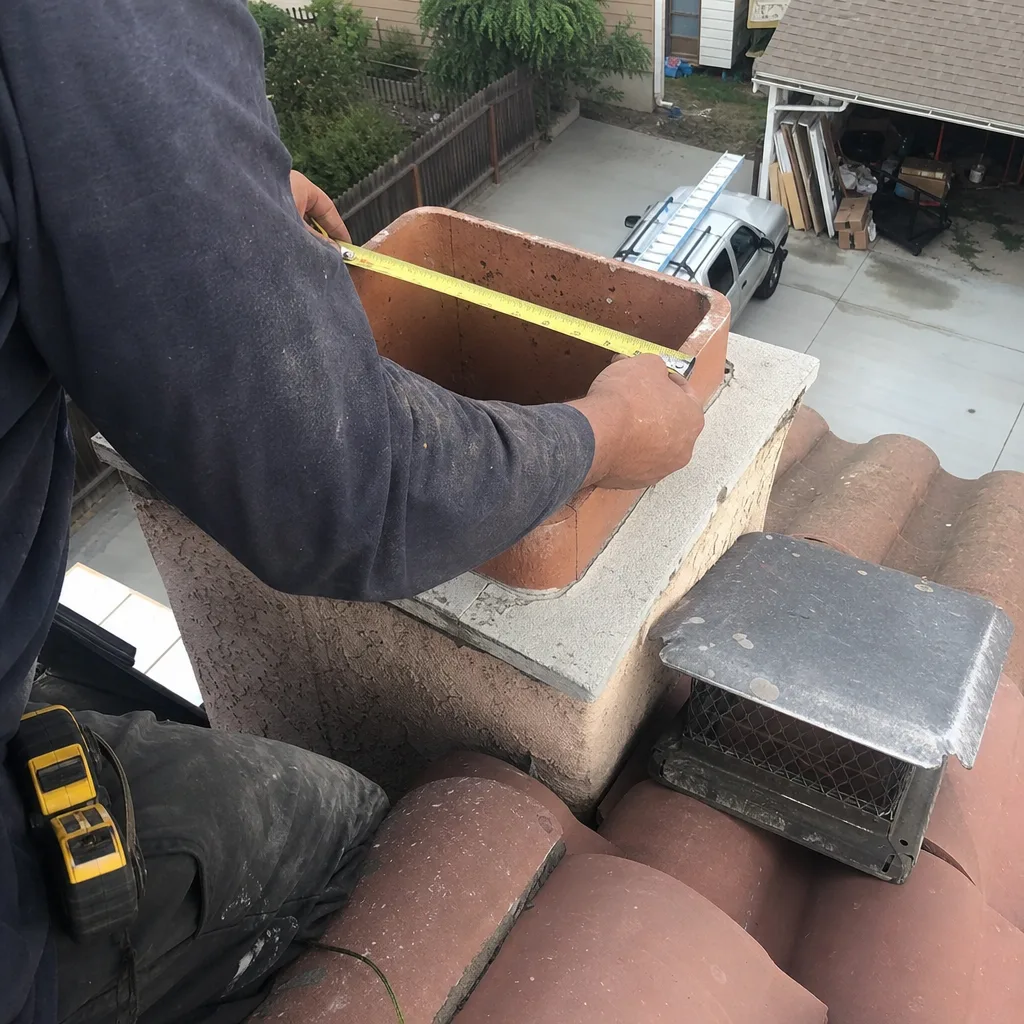
Last updated November 25, 2026
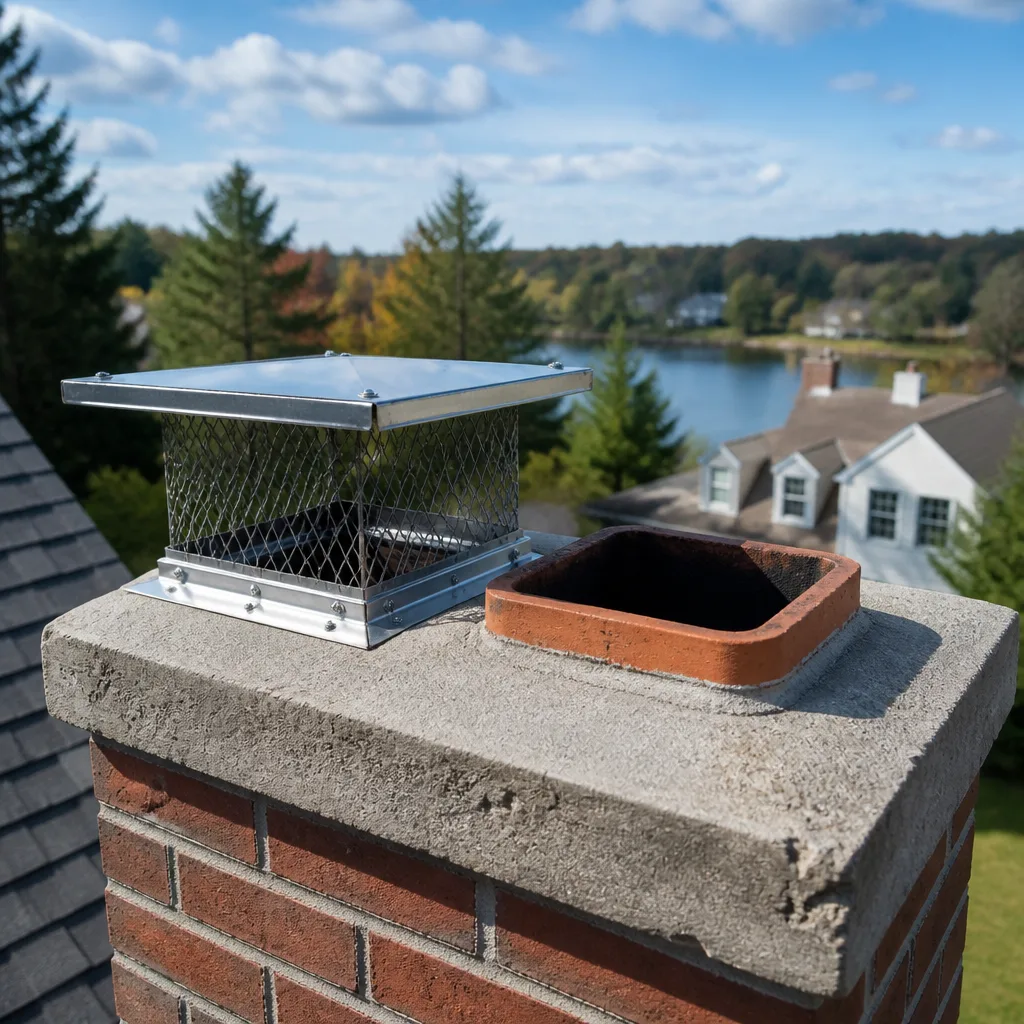 Sweep & inspection
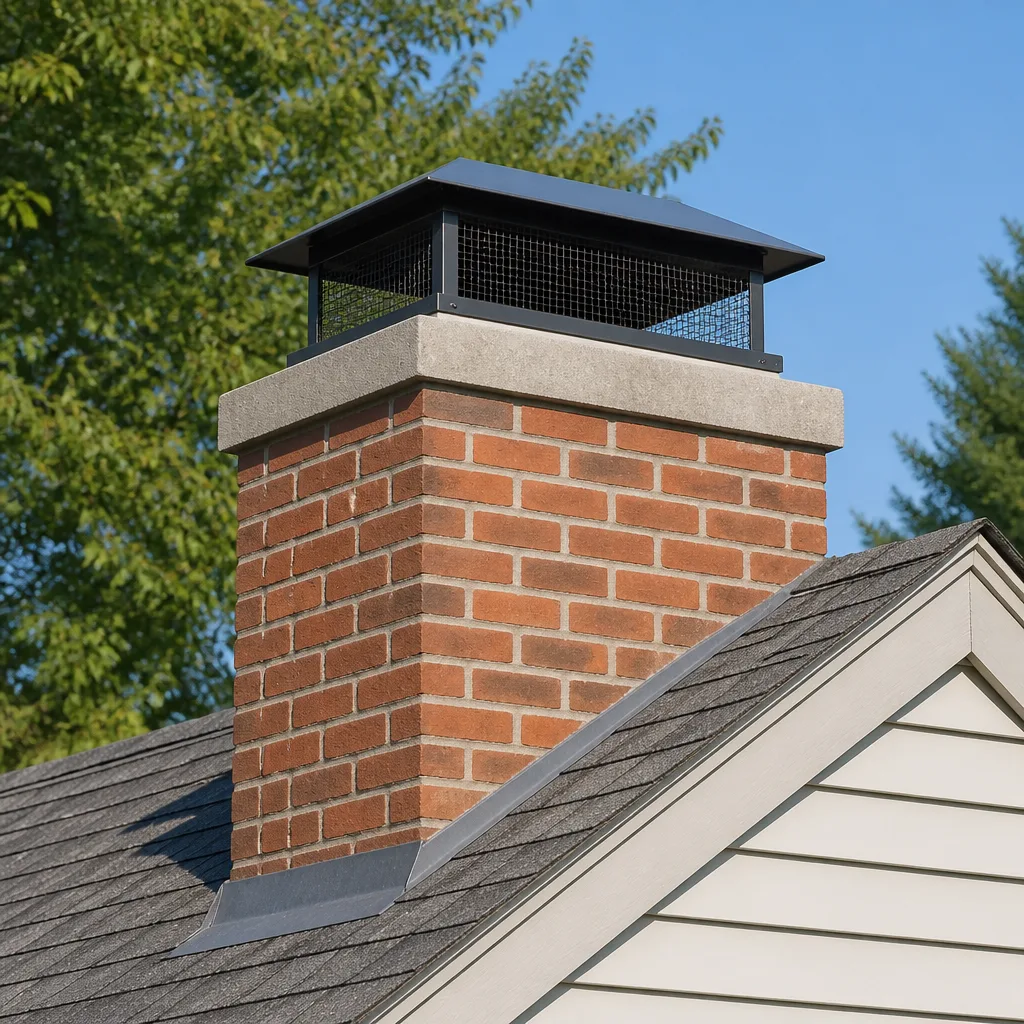 Caps & crowns
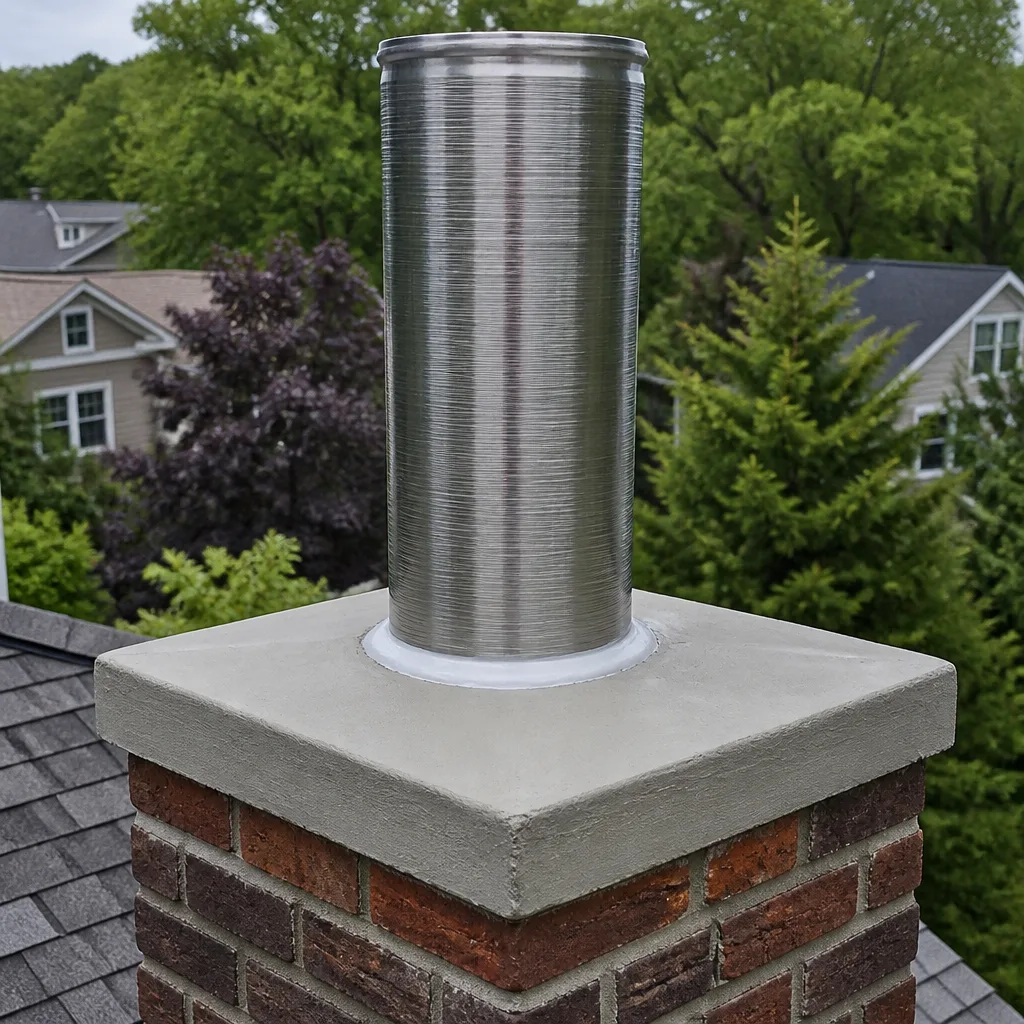 Flue relining
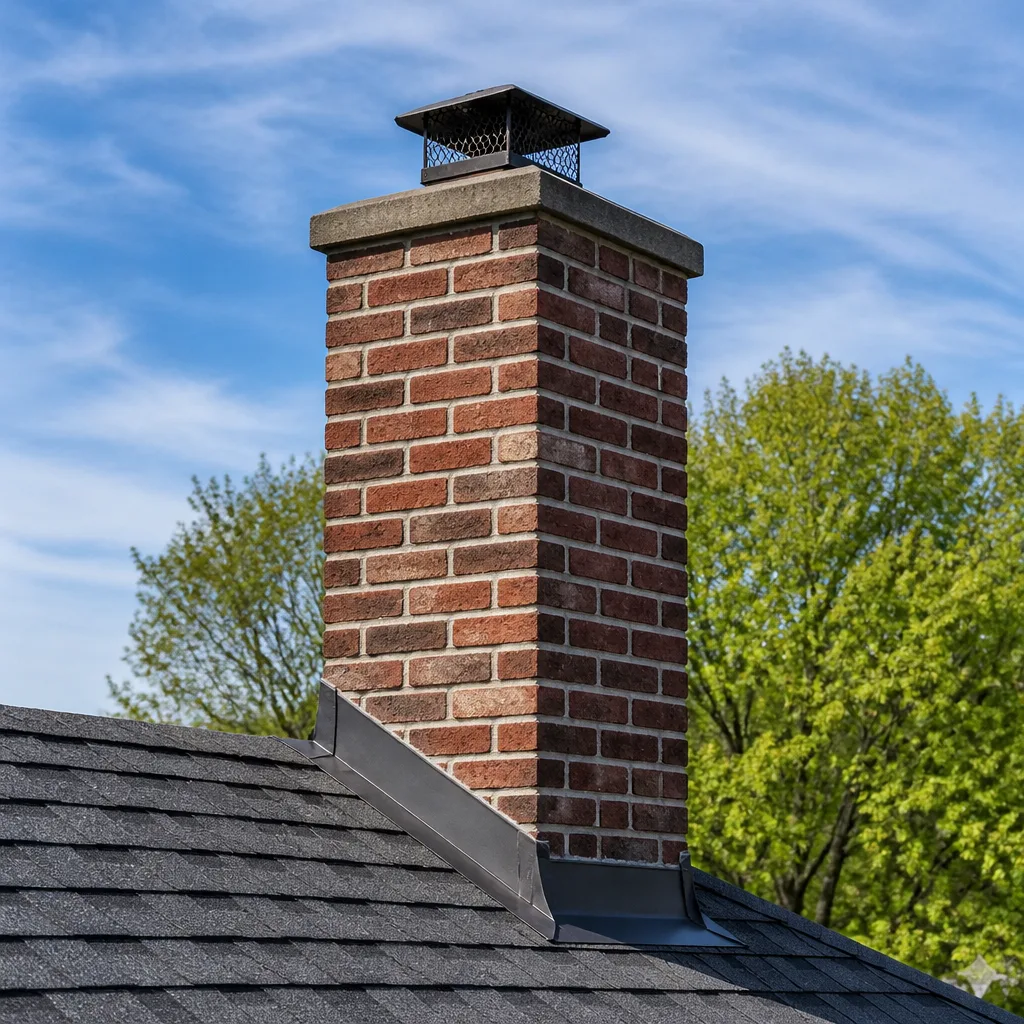 Masonry repair
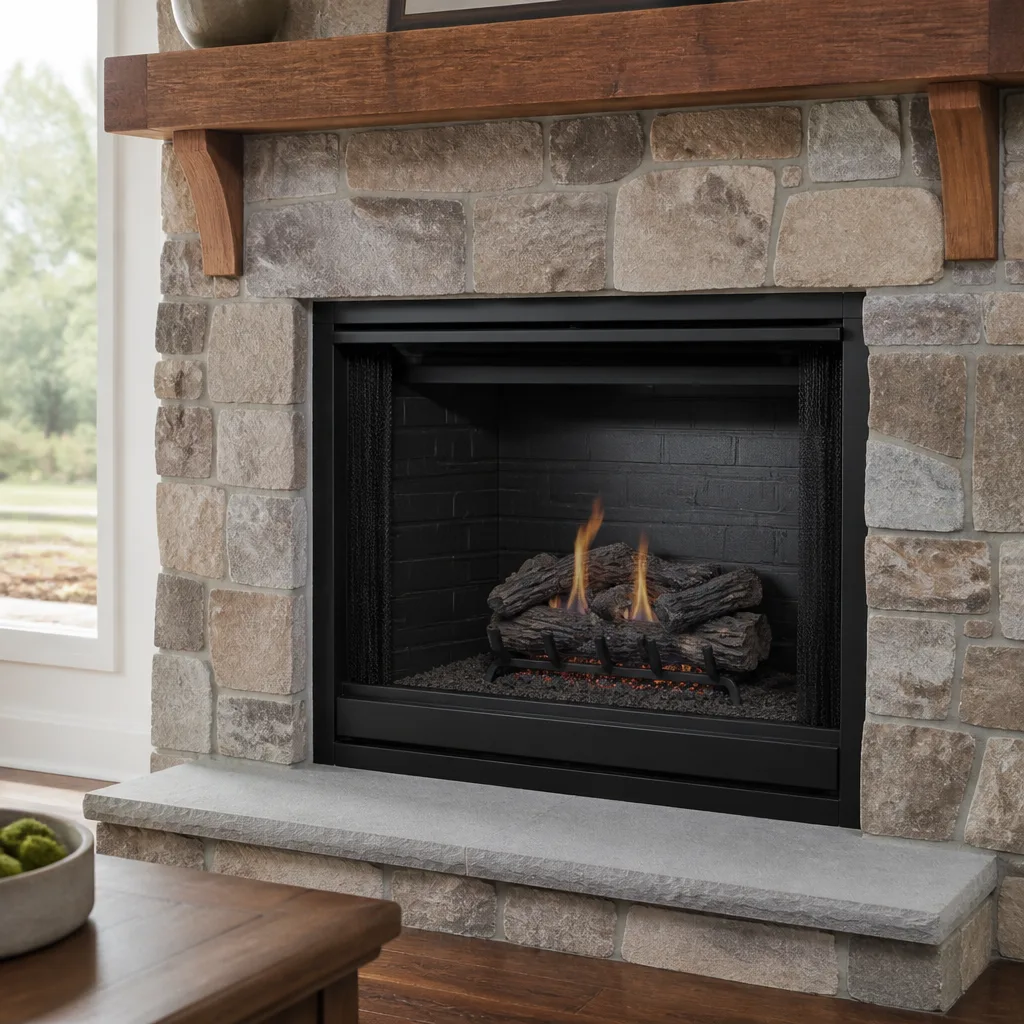 Gas fireplace service
Level 1 sweep and inspection to the NFPA 211 annual standard - flue, crown, cap, and flashing checked and photographed
Chimney sweep logs do not sweep chimneys. They loosen some creosote - which then falls where a brush and vacuum still have to collect it.
Chimney Sweep Maintenance Schedule: What to Do and When
Most homeowners treat the yearly chimney sweep as the whole maintenance schedule. It isn’t. It’s the floor, the minimum below which nothing else holds together. The reason matters: the annual inspection standard we all quote was written for cold-climate houses burning wood through four long months, and Placentia doesn’t live in that world. Here, a fireplace gets lit for a handful of December evenings, gas logs carry the rest of the season, and the dry air does its own slow work on masonry and crowns between fires. What follows is a real maintenance calendar built around how you actually use your chimney, what your fuel type demands, and which parts fail fastest when nobody’s watching.
Quick Answer
A working chimney maintenance schedule pairs an annual inspection with a sweep based on measured creosote, not the calendar: wood burners sweeping roughly every cord burned or once a year under light use, gas appliances inspected every year with a sweep only when obstructions or debris appear. Between those visits, the parts that decide your long-term cost are the crown, the cap and the flue interior, and each has its own check-and-repair rhythm. In Placentia’s dry climate, water intrusion and masonry cracking matter as much as soot.
Styles & brands we work with
- Sweep & inspection
- Caps & crowns
- Flue relining
- Masonry repair
- Gas fireplace service
Table of Contents
- How Do You Build a Maintenance Timeline Around Real Fire Frequency?
- What’s on the Pre-Season Checklist Before the First Fire?
- Gas, Wood, and Pellet: Why Does Each Need a Different Schedule?
- What Deferred Maintenance Compounds Fastest?
- How Do You Document Chimney Condition Year Over Year?
- What Do the Three Levels of Inspection Actually Tell You?
- The Season-by-Season Maintenance Calendar
- What Can You Check Yourself and What Needs a Professional?
How Do You Build a Maintenance Timeline Around Real Fire Frequency?
Start with an honest count of how many fires you actually burn, not how many you imagine you will. The number of loads of wood that go through the firebox is the single most useful figure in planning a sweep, because creosote builds in proportion to fuel burned and how cool that fire runs. A Placentia household that lights a dozen fires over the winter and runs a gas log set the rest of the time sits at the low end of the scale. A household burning through a cord or more of seasoned hardwood has a different schedule entirely.
Work through it in this order:
- Count your fires and your fuel. Track roughly how many fires per month you light and whether you’re burning wood, gas, or pellets. Wood is measured in cords; if you burn half a cord in a season, write it down.
- Note how the fire runs. Hot, well-aerated fires with dry wood produce less creosote than smoldering, air-starved fires. If your damper habits or your wood supply make for smoky burns, your sweep interval shortens.
- Check the last inspection findings. If the last report flagged glazed creosote, a rough flue interior, or a hairline crown crack, your schedule tightens around those items first.
- Set your inspection anchor. Choose a fixed point in the year to book the formal inspection so it recurs on the same rhythm and you can compare results honestly.
- Layer in the seasonal checks you’ll do yourself, covered below, and the professional items you’ll book.
That timeline becomes your reference point for a real Chimney Sweep Placentia visit rather than a guess. Usage, fuel and condition drive the plan in Placentia, and they’ll drive it anywhere with mild winters and a long dry season.
What’s on the Pre-Season Checklist Before the First Fire?
In Southern California, the pre-season window is roughly October, ahead of the first cool evening when someone reaches for the firewood. Doing this before the season starts means any problem gets found while there’s time to fix it calmly instead of on the night you wanted a fire. The checklist splits cleanly into what you look at and what a professional handles.
What you can inspect yourself:
- The firebox interior. Look for loose mortar joints, cracked firebrick, or gaps where heat can reach the structure behind.
- The damper. Open and close it fully. It should move without grinding and sit flush when closed.
- The cap and screen. From the ground with binoculars, check that the cap is intact and the screen isn’t torn or packed with debris. A missing or damaged cap is the most common way water and animals get in.
- The crown. Look for visible cracks, crumbling edges, or a crown that’s pulling away from the flue.
- The smoke test. Light a small, safe test fire and watch the draft. Smoke in the room means an obstruction or a draft problem.
- The gas log set. If you have one, check that the logs sit as intended and that the burner ports aren’t blocked by dust or debris, and follow the manufacturer’s lighting instructions.
What a professional handles before first use: the formal inspection, a sweep if the last one is due, and any repair the inspection flags. For a system with a known crack or a failing crown, that chimney repair work needs to happen before the first fire, not after. A real pre-season visit catches water intrusion at the crown and cap before the winter rains test them.
Gas, Wood, and Pellet: Why Does Each Need a Different Schedule?
Fuel type is the biggest single variable in any maintenance schedule, and it’s where most generic advice falls apart. Each appliance creates different conditions inside the flue, so technicians look for different things and recommend different intervals.
Wood-burning fireplaces produce creosote and soot as a byproduct of combustion. That’s what a sweep removes. The interval depends on how much you burn, how dry the wood is, and how the fire runs. Light wood use means an annual inspection with a sweep when the technician measures enough buildup. Heavier use means more frequent sweeps.
Gas fireplaces and log sets produce far less creosote, so the sweep interval stretches out. But gas appliances still need an annual inspection, because the risks are different: a blocked vent, a draft problem, or a log set that’s shifted out of position can affect how the appliance vents combustion byproducts. Technicians look at venting, the log arrangement, and the condition of the flue interior rather than soot volume.
Pellet appliances burn cleaner than wood in some respects but produce their own ash and need their venting checked regularly. The venting and the appliance’s own components get attention at each annual inspection, and any obstruction downstream of the appliance is the concern.
Whatever you burn, the inspection is the constant and the sweep is the variable. When the inspection turns up a deteriorating flue, resurfacing with a system like HeatShield can restore the interior without the cost of a full liner, and we’ll tell you which your chimney actually needs.
What Deferred Maintenance Compounds Fastest?
Some chimney components fail slowly and take years to become expensive. Others go from a small, cheap fix to a serious structural problem in a single rainy season when ignored. Knowing which is which tells you where to spend attention and where a few months of waiting is genuinely fine.
The fastest-compounding items, in rough order:
- The crown. A hairline crack lets water into the masonry. Repeated wetting and drying widens the crack, degrades the masonry beneath, and can eventually affect the whole chimney structure. Fixing a crown crack early is a fraction of the cost of the repair it turns into.
- The cap. A missing or damaged cap lets rain, birds, and debris into the flue. Once animals nest and block the flue, you face an obstruction problem on top of a cap problem.
- The flue liner. A cracked or spalling liner exposes the structure to heat and combustion byproducts. Left alone, a liner problem can escalate toward a full replacement. Resurfacing early can sometimes avoid that outcome.
- Masonry and mortar joints. Crumbling mortar lets water in and erodes the brick over time. It’s slow until it isn’t; once water is inside the structure, damage progress accelerates.
What compounds slowly includes the soot and creosote inside an actively used flue, provided you’re sweeping on schedule. The structural items around the flue are the ones that bite hardest when deferred, and in a dry, sunny climate the sun itself ages the crown and the masonry joints. When water intrusion has already done damage, the chimney repair conversation moves from prevention to restoration.
How Do You Document Chimney Condition Year Over Year?
Single inspections tell you what’s true on one day. A maintenance record tells you whether things are getting worse, and how fast. That distinction is what separates a real maintenance schedule from a routine, because deterioration trends let you catch a problem in year two instead of after it’s already serious in year five.
A useful record captures a handful of things each year:
- Findings from the written inspection report. Keep the report itself, not just the memory of it. Note the technician’s description of the flue interior, the crown, the cap, and the firebox.
- Creosote and soot measurements. If the last sweep measured buildup, record it so you can see whether your usage is trending toward more frequent sweeping.
- Photos, if available. A camera inspection with a photo record is far more useful than a verbal summary; you can compare one year to the next with your own eyes.
- Repairs and their dates. Note what was repaired, when, and with what materials.
- Usage notes. Roughly how many fires, what fuel, and whether that changed from the previous year.
Year over year, this record answers the question every homeowner eventually asks: is my chimney stable or declining? We keep inspection findings clearly documented precisely so that question has a real answer, and a formal chimney sweep visit is the natural point to update the record.
What Do the Three Levels of Inspection Actually Tell You?
Formal inspections come in three recognized levels, and choosing the wrong one either misses a problem or spends more than you need. Matching the inspection to the reason for it is part of a sound schedule.
Level 1 is a visual inspection of the readily accessible parts of the system: firebox, damper, flue from accessible points, cap, and crown. It’s the standard annual inspection when nothing has changed and the appliance is used as usual. Most homeowners in Placentia will get a Level 1 inspection most years.
Level 2 adds a camera inspection and a closer look at accessible parts, and it’s what you want after a change: a new appliance, a liner that’s been installed or modified, a change in fuel type, or the sale or transfer of the home. It’s also the right inspection after an event like a chimney fire, a storm, or a known creosote problem. Camera inspection and a photo report included with this level give you a documented record, which feeds directly into the year-over-year documentation above.
Level 3 is the most involved and is used only when a problem requires access to parts of the system that can’t be seen otherwise. It’s uncommon on a routine schedule; it appears when a problem has already been identified and needs deeper access to diagnose or repair.
A good rule for a normal year: annual Level 1, with a Level 2 whenever something about the system has changed. The choice should follow what the technician finds, not a fixed upsell.
The Season-by-Season Maintenance Calendar
Here’s how the year lays out for a Placentia household that uses its fireplace seasonally. This is a working calendar, not a rigid one; adjust the sweep interval to your own fuel and usage count.
| Time of Year | Task | Who Does It |
|---|---|---|
| October (pre-season) | Owner checklist: firebox, damper, cap, crown, gas logs; book the formal inspection | You and a professional |
| October-November | Formal inspection; sweep if due based on measured buildup; repair any flagged item | Professional |
| December-February (burn season) | Monitor draft and smoke; watch for creosote clogging; observe any change in how the fire behaves | You |
| March-April (end of season) | Post-season inspection and sweep if the season’s burning was heavy; inspect the crown and cap after the wet season | Professional |
| Spring-Summer | Schedule structural repair work (crown, cap, liner, masonry) while weather is dry | Professional |
| Any month | Update the maintenance record: findings, repairs, photos, usage notes | You |
Two things to read from this calendar: the crown and cap checks come right after the wet season because that’s when their wear shows, and heavy structural jobs fit best in the dry months. For homes with a known failing crown or a questionable flue, the chimney repair window is spring and summer, well before the next season.
What Can You Check Yourself and What Needs a Professional?
Some checks are safe and sensible for any homeowner. Others belong to a trained technician, and a schedule that blurs the line puts people at risk. The dividing line is simple: visual checks from the ground and at the firebox are yours; anything inside the flue, on a ladder, or involving the gas appliance belongs to a professional.
What’s safe for you:
- Visual checks of the cap and crown from the ground with binoculars.
- Opening and closing the damper, and confirming it moves freely.
- Inspecting the firebox for loose mortar or cracked firebrick.
- Keeping the firebox clear of ash buildup and confirming the log arrangement on a gas set matches the manufacturer’s guidance.
- Observing draft and smoke on a test fire, and noting any change.
- Updating your maintenance record with what you see.
What needs a professional:
- Anything involving the flue interior, the liner, or the crown repair itself.
- The annual and event-driven formal inspections.
- Any gas appliance work beyond the manufacturer’s routine, and any change to venting.
- Repair to the crown, cap, masonry, or liner, which requires trade materials and the knowledge to apply them correctly.
A chimney system gets hot and vents flue gases, which is why we don’t recommend homeowners handle anything inside it. Where a repair requires trade materials, we work with brands like Olympia Chimney, DuraFlex, Famco and Copperfield, and we match the material to the job rather than reaching for one default.
Common Mistakes to Avoid
- Treating the annual sweep as the entire schedule. The sweep handles soot; it doesn’t handle the crown, cap, or liner condition. A real schedule includes the structural checks that the sweep alone misses.
- Skipping the inspection when the sweep shows little soot. A clean flue isn’t proof of a sound flue. The inspection is what catches a crack or a failing crown before it becomes expensive.
- Ignoring a hairline crown crack. It’s cheap to fix early and costlier later. Catching it at the pre-season check saves real money.
- Running a gas log set without checking the venting. Gas appliances still need an annual inspection; blocked venting affects combustion byproducts regardless of how clean the flue looks.
- Burning wet or unseasoned wood. It burns cool and smoky, which means more creosote and a shorter sweep interval. Dry wood is the cheapest maintenance habit there is.
- Going off one inspection without a record. A single report tells you the state of the system on one day. Without year-over-year notes, you can’t tell whether you’re improving or declining.
- Letting a missing cap stay missing. A cap is the first barrier against rain, birds, and debris. Replace it early rather than after the flue is already blocked.
See the difference
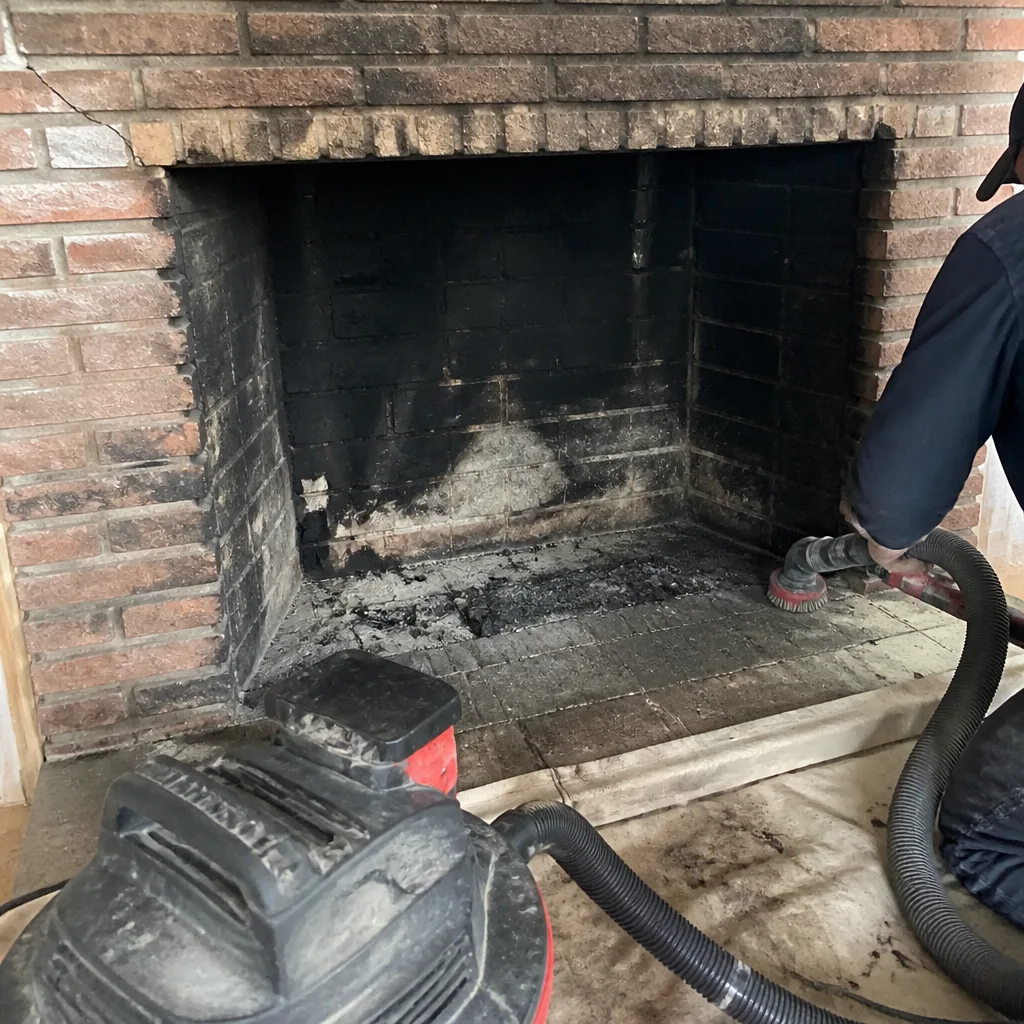 Before
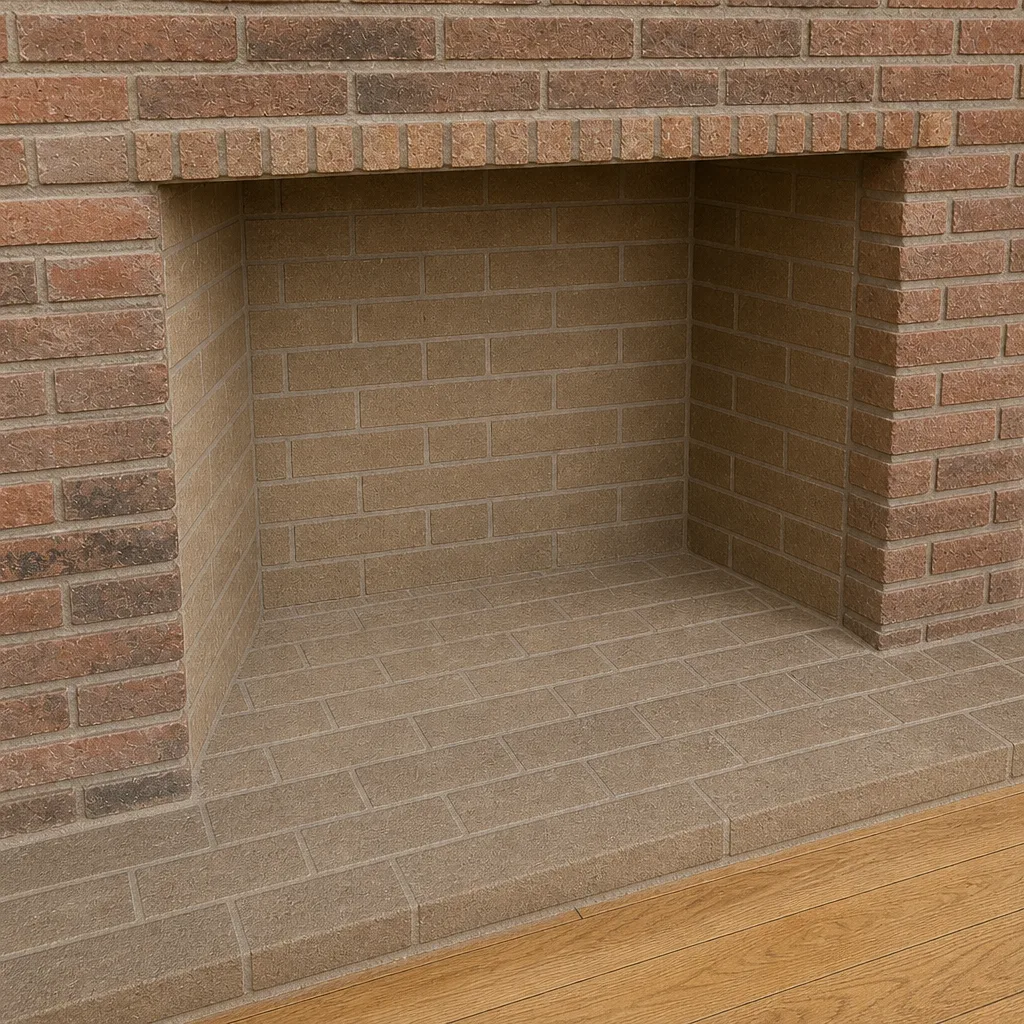 After
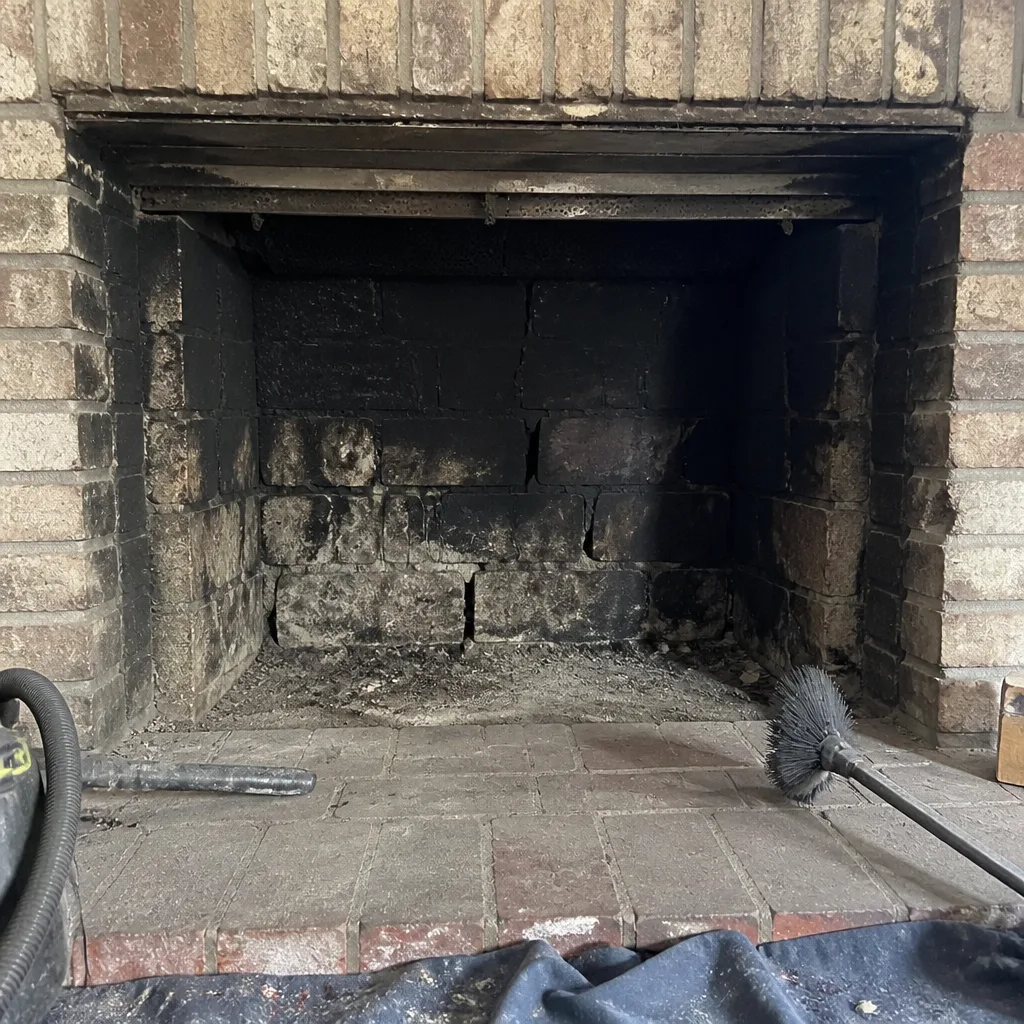 Before
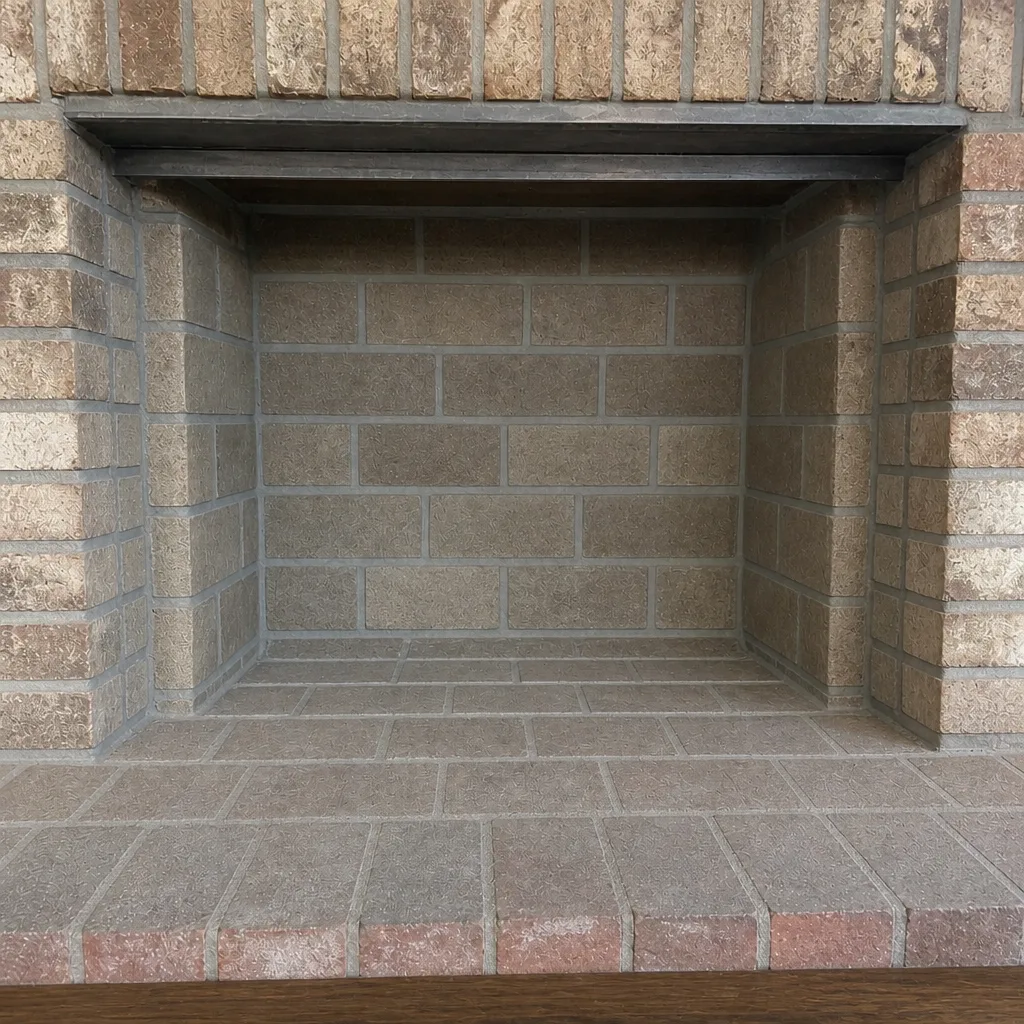 After
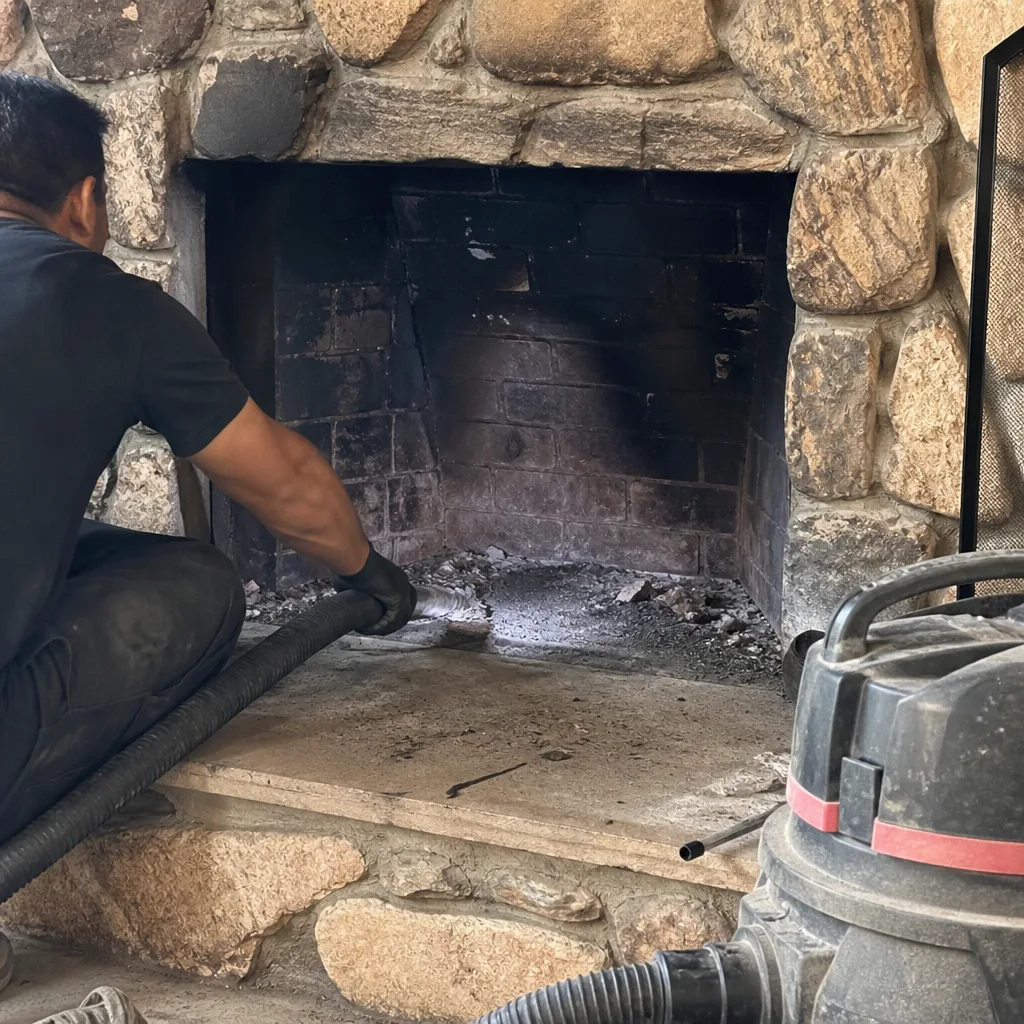 Before
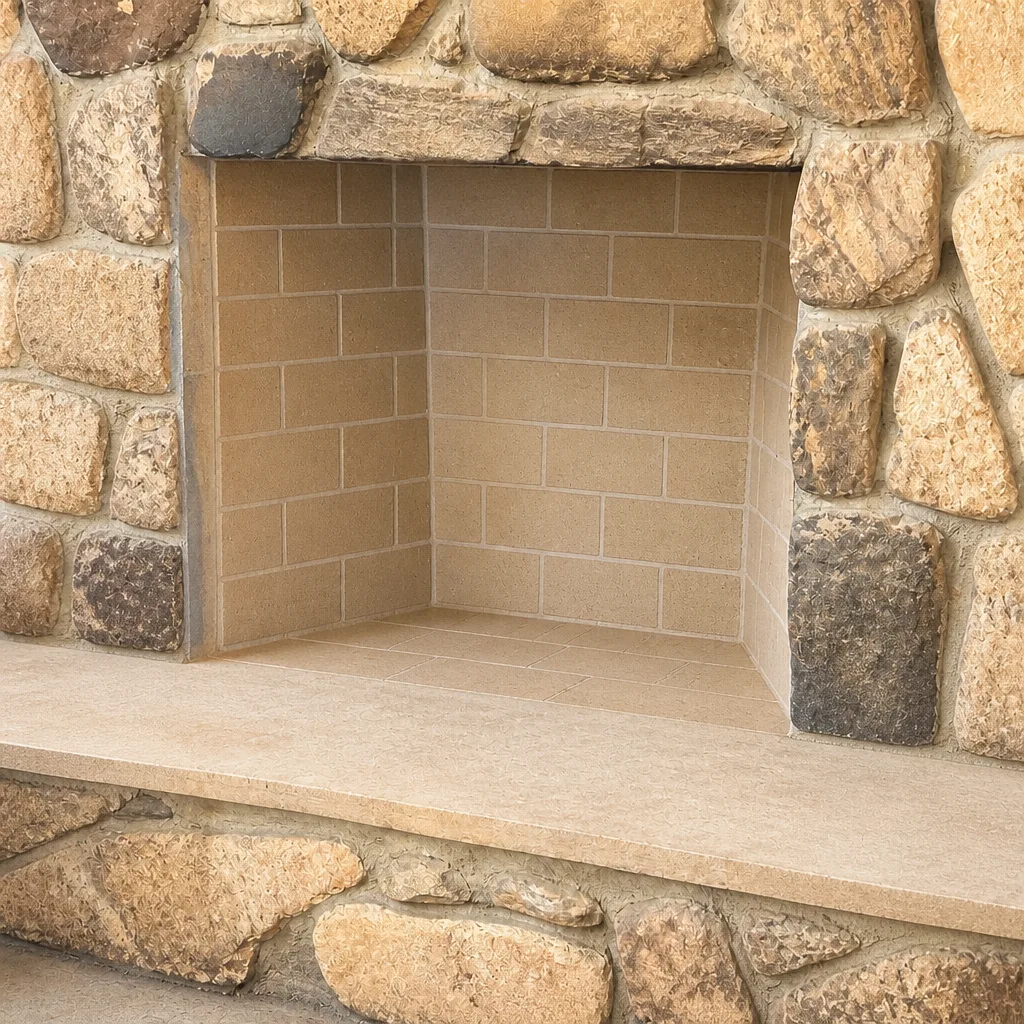 After
When to Call a Professional
Some conditions call for a professional visit outside the normal schedule. If you see smoke backing into the room on a test fire, that’s an obstruction or a draft problem, and you shouldn’t light another fire until it’s diagnosed. A visible crack in the crown, a damaged or missing cap, crumbling mortar, or a firebox with loose joints all call for an inspection and likely repair. If a gas log set behaves oddly, or a fire ever feels different from how it used to, call. And if it’s simply been longer than a year since the last formal inspection, book one now. Chimney Sweep Placentia offers free estimates in Placentia – call (844) 625-6823. We answer 24/7, with fast dispatch from 7am to 7pm, Sunday through Friday.
Frequently Asked Questions
It depends on how much you burn, not a fixed calendar. For wood-burning fireplaces, the common rule is a sweep when you’ve burned about a cord of wood or once a year under light use; for gas appliances, an annual inspection with a sweep only when debris or obstruction appears. The inspection measures the buildup and tells you whether the sweep is due. Call (844) 625-6823 for an exact quote – estimates are free.
Not always; sometimes a liner interior can be resurfaced with a system like HeatShield instead of replaced outright. The right call depends on the condition of the flue interior, which the camera inspection shows you. When a full liner is needed, a flexible system like DuraFlex is standard for new installs and retrofits. Call (844) 625-6823 to find out which your chimney actually needs.
The small items get expensive. A hairline crown crack, a worn cap, or a spalling liner can go from a straightforward fix to a structural problem over repeated seasons, and the cost of the eventual repair reflects the delay. The inspection finds those items early. Call (844) 625-6823 – the estimate is free.
A typical sweep is priced per job and confirmed by a written estimate after the inspection, so you know the exact figure before work starts. The written estimate sets the final price. Call (844) 625-6823 for an exact quote – estimates are free.
Yes. Gas appliances create less creosote, but the annual inspection checks venting, combustion byproducts, and the log arrangement, which are the real concerns with gas. Skipping it means missing a blocked vent or a shifted log set. Call (844) 625-6823 to book an inspection.
The dry climate and mild winters change the priorities. Structural wear to the crown and cap, and sun-driven aging of masonry, matter more than the deep creosote loads you see in cold climates, and water intrusion from the occasional rains is the main worry for most Placentia homes. The schedule still depends on your fuel and usage. Call (844) 625-6823 for a placentia-specific plan.
The Bottom Line
A chimney maintenance schedule is really a usage plan. Count your fires, know your fuel, anchor an annual inspection, and match the sweep to measured buildup. Then keep an eye on the structural parts that compound fastest (crown, cap, liner, masonry) and document the whole thing year over year so you can see a trend instead of a single day. That schedule is what keeps the system safe and code-compliant, and it’s the checklist we run ourselves on every job in Placentia and the surrounding neighborhoods.
Whether you’re due for a formal inspection, suspect a crown or cap problem, or just want a real maintenance plan built around how you actually use your fireplace, we can help. Call (844) 625-6823 for a free estimate. Our technicians have up to 10 years of experience, and we’ll explain what we find before we quote what it costs.
Written by the team at Chimney Sweep Placentia.